Democrats
win full control of Congress in a historic rebuke of Trump
Democrats took both chambers of Congress in Tuesday’s midterms, a
rout widely read as a referendum on Trump’s second term. The party now
holds subpoena power and committee chairs, and can block Trump’s
legislative agenda for the rest of his term. House Speaker Johnson
blamed “Marxism”.
The wave reached states that Republicans thought were safe. Adam
Hamilton won Kansas, the first Democratic Senate win there since 1932.
James Talarico flipped Texas for the first time since 1988. Annie
Andrews won South Carolina, and Troy Jackson ended Susan Collins’s
nearly 30 years in the Senate. Abdul El-Sayed won Michigan and becomes
the first Muslim American senator. Josh Turek flipped Iowa. Several of
these seats had been redrawn specifically to keep them Republican.
Abroad, the reading is cautious. Bloomberg reports that Moscow is
already planning how to exploit a “weakened Trump”. Experts quoted by
The Parliament Magazine say Trump’s position on Ukraine and Europe will
not change, because the executive branch drives those decisions.
(Governors and other firsts in World.)
Russia’s
largest energy strike of the war hits a nuclear plant substation
On US election night, Russia launched 289 drones, 17 ballistic
missiles and 59 cruise missiles across nine oblasts. Ukrenergo called it
the most serious attack on energy infrastructure to date. Three drones
hit a substation that is critical to the Khmelnytskyi Nuclear Power
Plant. Ukraine’s energy minister warned of “nuclear safety risks across
Europe” and notified the IAEA. Five oblasts lost power, and all of
Zhytomyr went dark.
At least 38 people were killed and more than 160 injured in 24 hours.
A hospital complex in Kharkiv was hit, wounding 73 patients and medical
staff, and hospitals in Dnipro were struck in a morning missile attack.
Russia followed up overnight into Wednesday with 310 more drones. Kyiv’s
heating season opened on 2 November.
Hormuz:
four tankers mined as Iran calls the US reply “not convincing”
Iran’s Revolutionary Guards say naval mines destroyed four tankers
that tried to cross a “prohibited route” in the Strait of Hormuz. Iran’s
security council chief called Washington’s response to Tehran’s
seven-point reopening plan “not convincing”. Trump confirmed a US strike
on an Iranian anti-aircraft facility, which he called “a minor attack”
and “not war”. Qatar is passing real-time messages between the two
sides. Ursula von der Leyen says the closure has cost the EU an extra
€127bn.
On election day, Trump also said he would end the US’s roughly $4bn
in annual military aid to Israel by the end of the year, because Israel
“doesn’t need” it. Meanwhile, AP reports that Netanyahu is pressing
Trump to strike Iran’s nuclear programme now that the midterms are over.
Netanyahu lost his Knesset majority and now claims the election was
stolen. (More in Investigations.)
The
cold-chain hack spreads to ten countries and reaches French blood
plasma
The cyberattack that raised supermarket freezer temperatures in seven
European countries has spread to at least ten. In France, hackers took
over blood plasma storage units and raised the temperature from −30°C to
110°C, which could destroy critical medical supplies. Estonia, Sweden,
Portugal, Italy, Ireland and Belgium are also affected, and UK meat
industry operations were disrupted. On the same day, seven passenger
flights across Europe received coordinated bomb threats. All were false
alarms. Investigators are examining whether the threats are part of
Russia’s hybrid campaign against European transport.
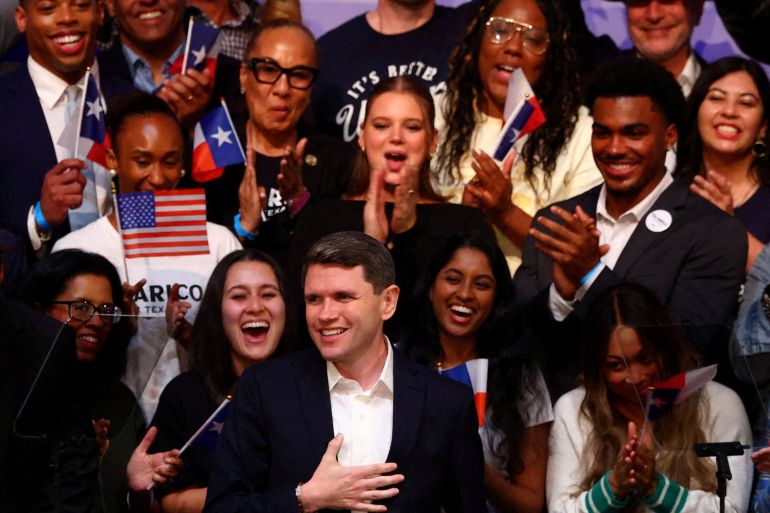 Senator-elect James Talarico at his
victory rally in Austin, Texas. Photo: Mike Segar / Reuters
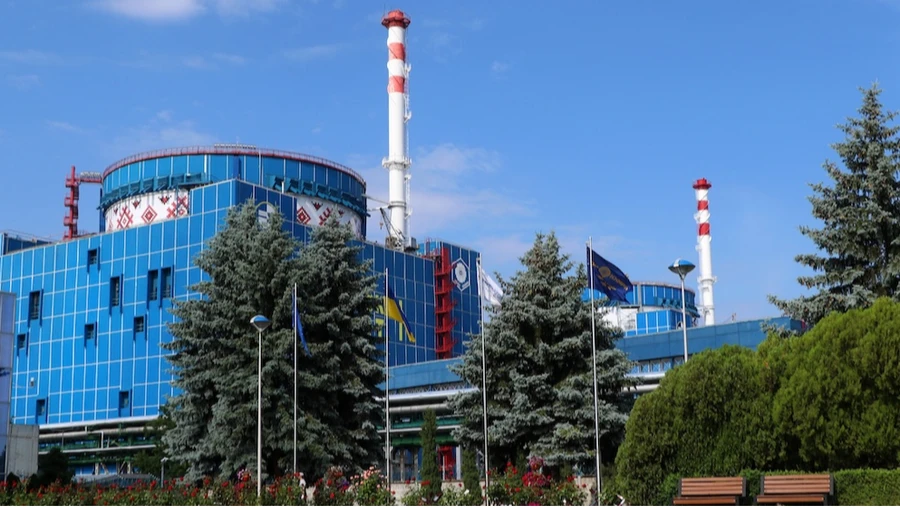 Ukrainska Pravda’s report on the
strike on the substation that serves the Khmelnytskyi Nuclear Power
Plant.
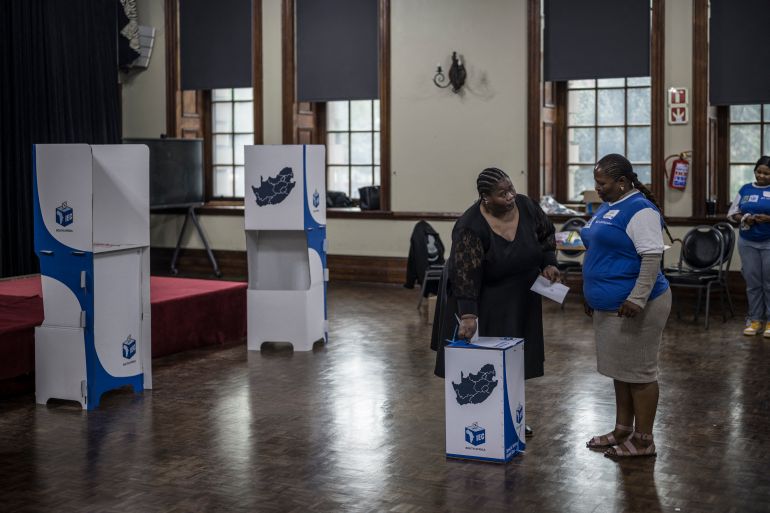 A voter casts her ballot at Durban
City Hall. Photo: Marco Longari / AFP
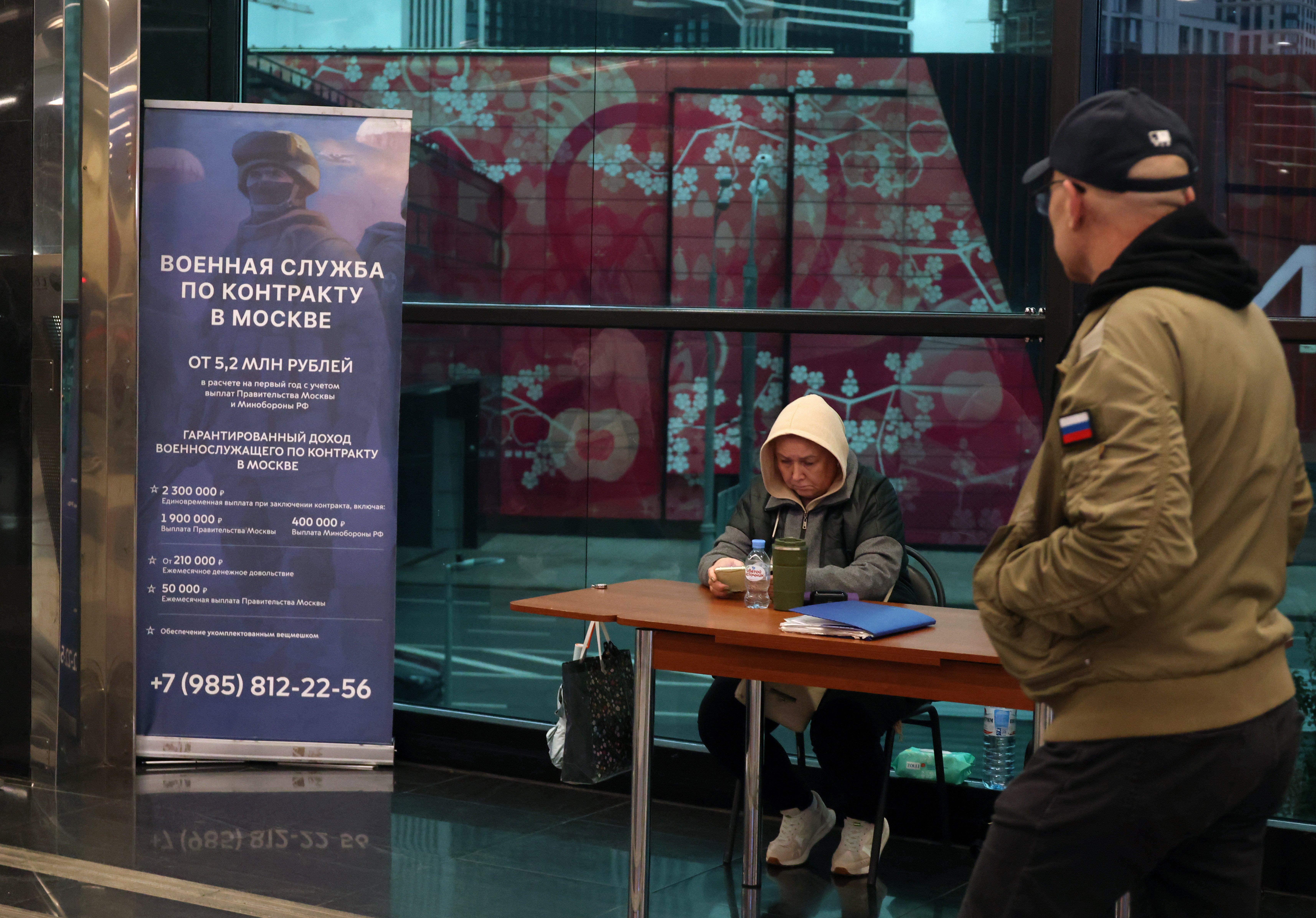 A volunteer near a military
recruitment point in a Moscow metro underpass, September 2026.
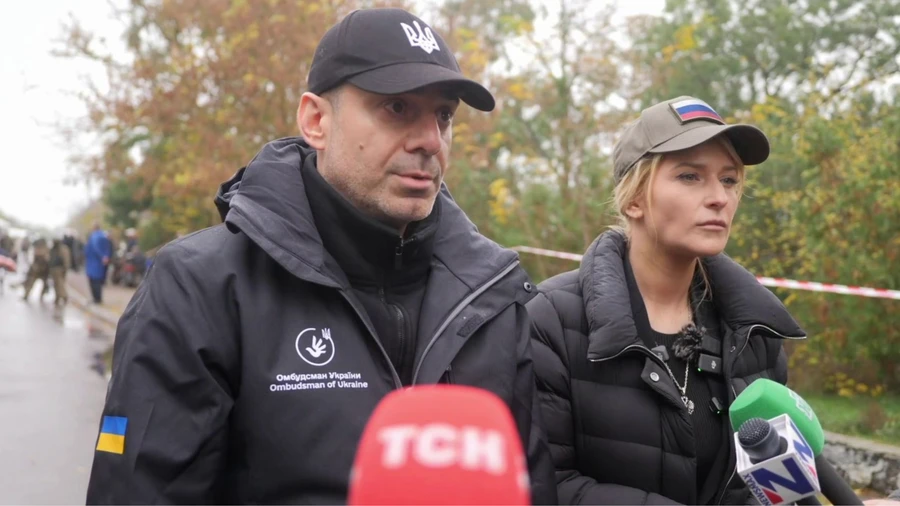 Dmytro Lubinets and Yana
Lantratova, the Ukrainian and Russian humanitarian commissioners at the
White House meeting.
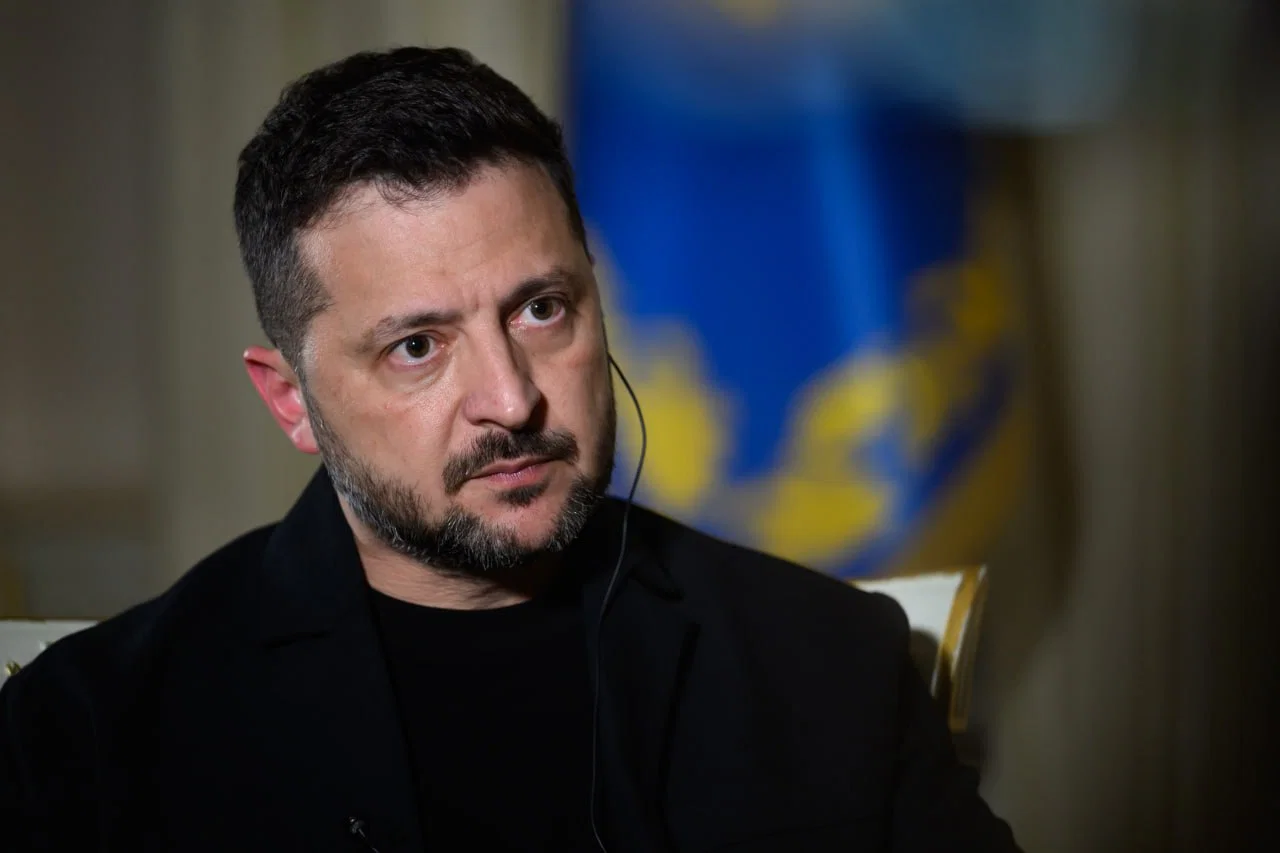 President Volodymyr Zelensky.
Photo: Volodymyr Zelensky / Telegram
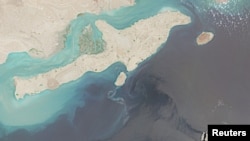 Qeshm Island in the Strait of
Hormuz. Image: EU / Copernicus Sentinel-2
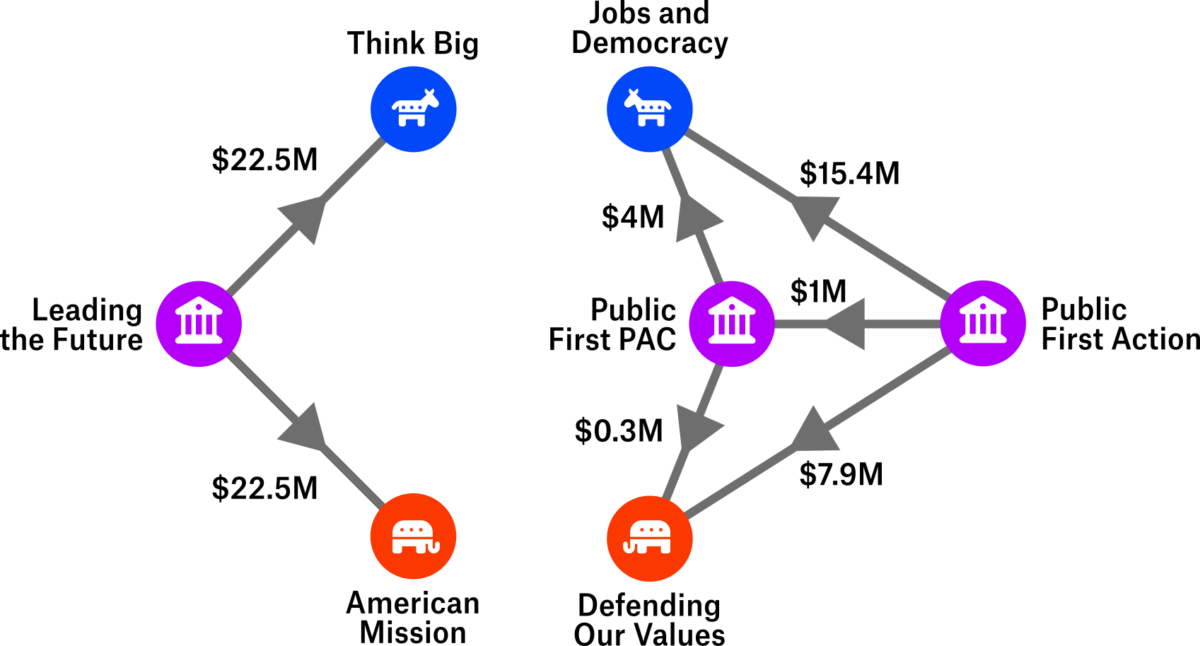 Bellingcat’s visualisation of how AI
super PAC money is disbursed.
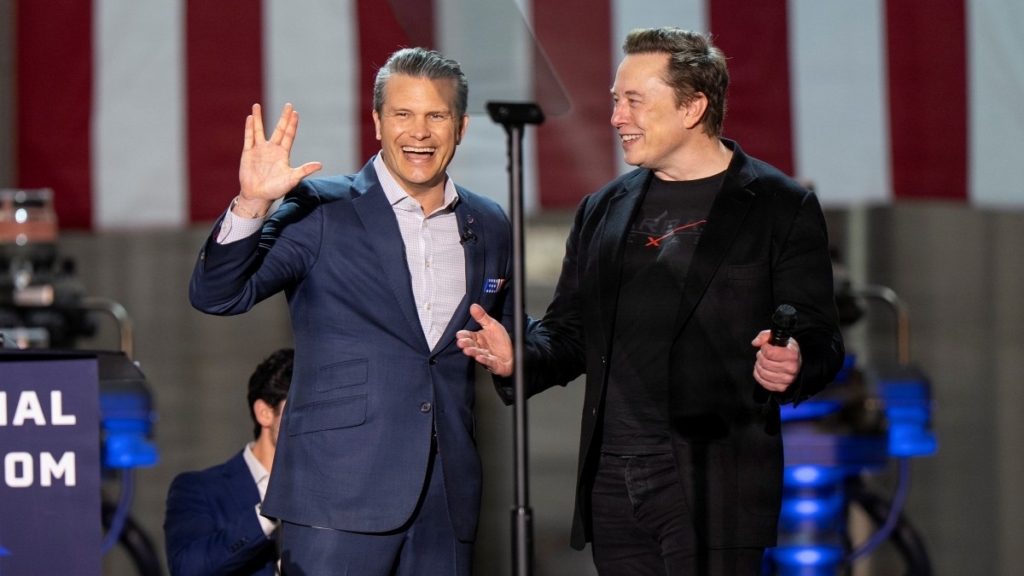 Photo: DVIDS / Petty Officer 1st
Class Alexander Kubitza
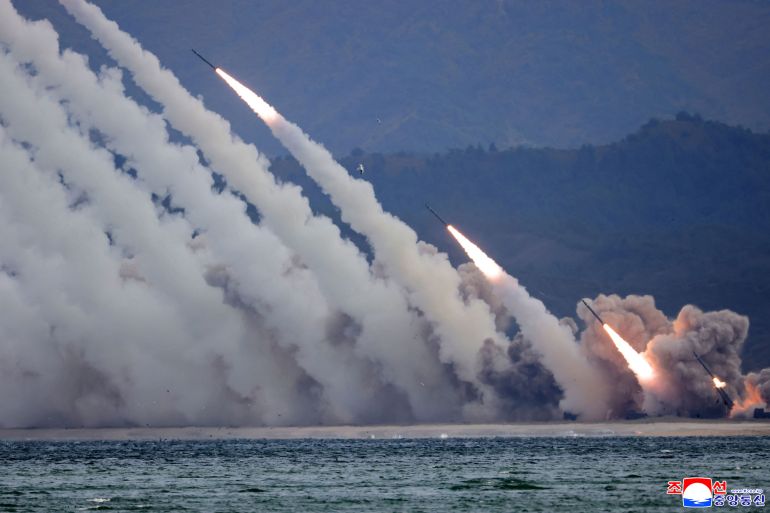 North Korean rocket launchers
firing at an exhibition in Wonsan Kalma, 29 October. Photo: KCNA via
AFP
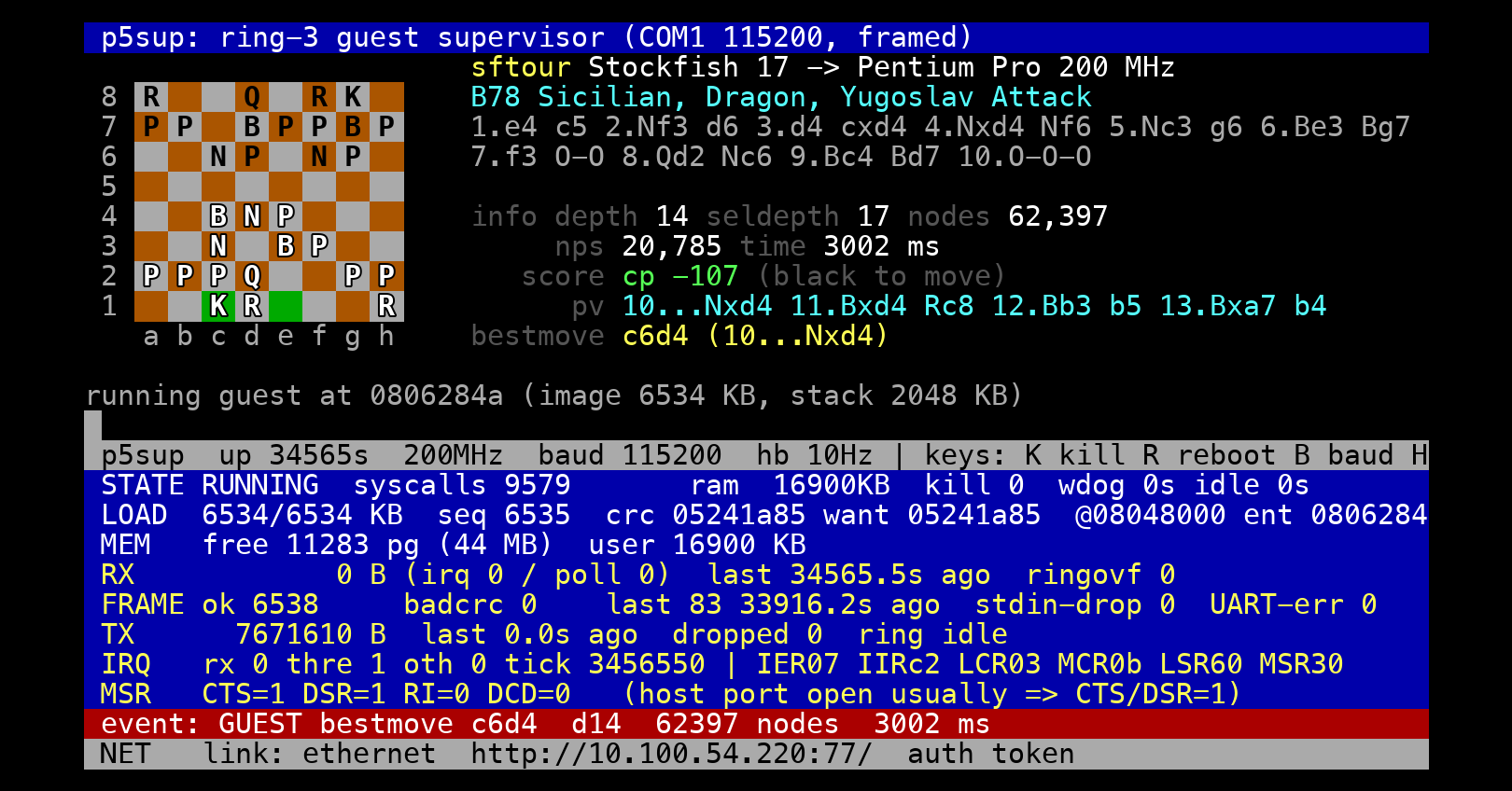 A 1996 Pentium Pro running a
modified Stockfish.
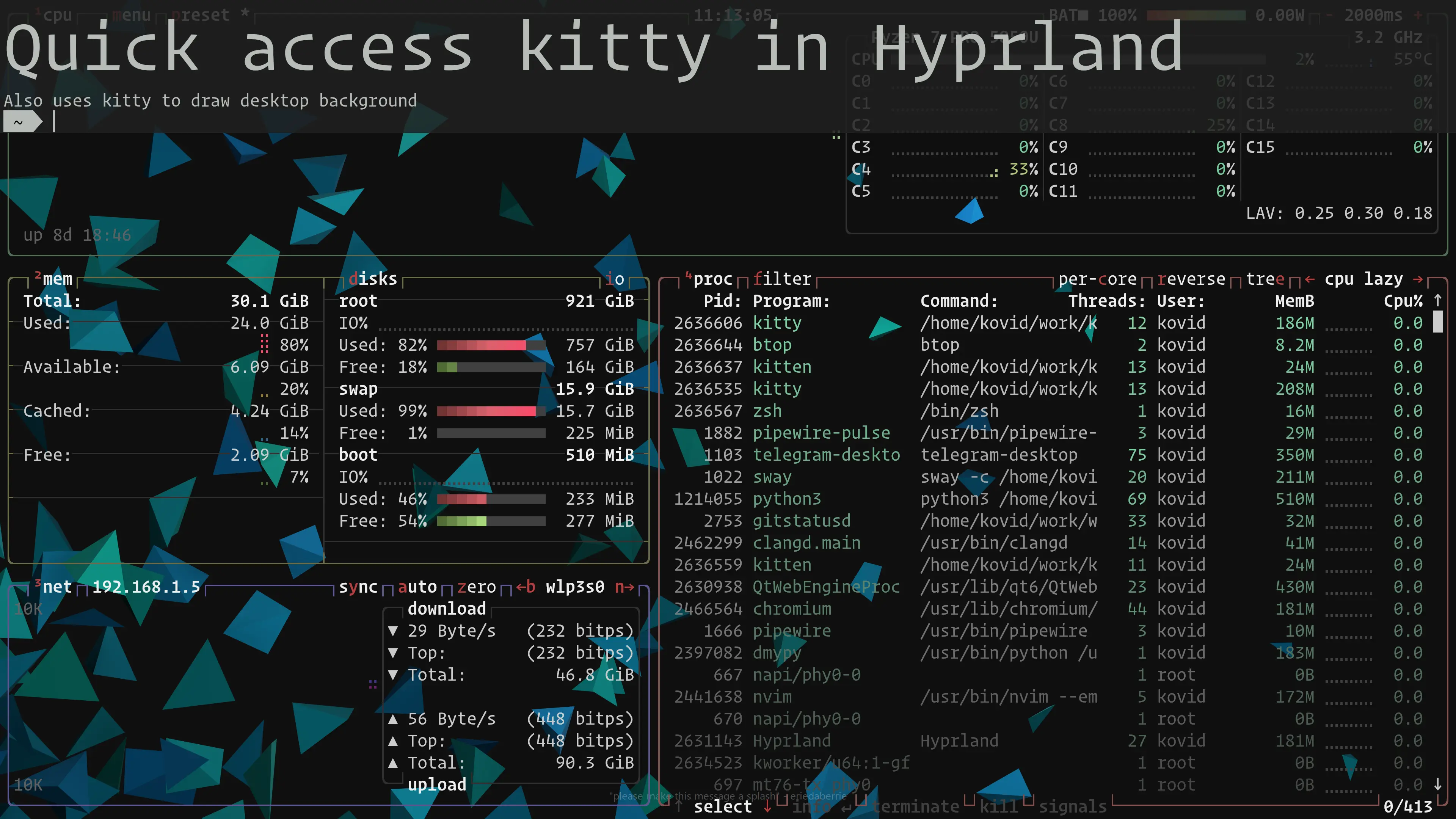 kitty in quake drop-down mode on
Hyprland.
 Dr Kimmie Ng, director of
Dana-Farber’s Young-Onset Colorectal Cancer Center.
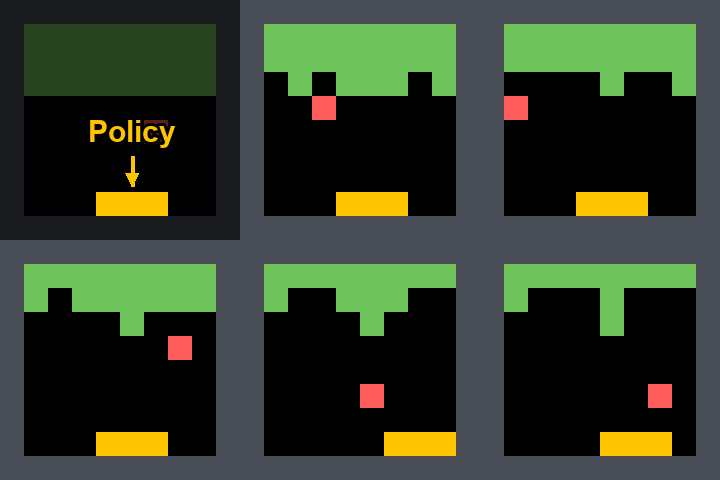 A Breakout-playing network. Astra
identified the game from the raw weights alone.
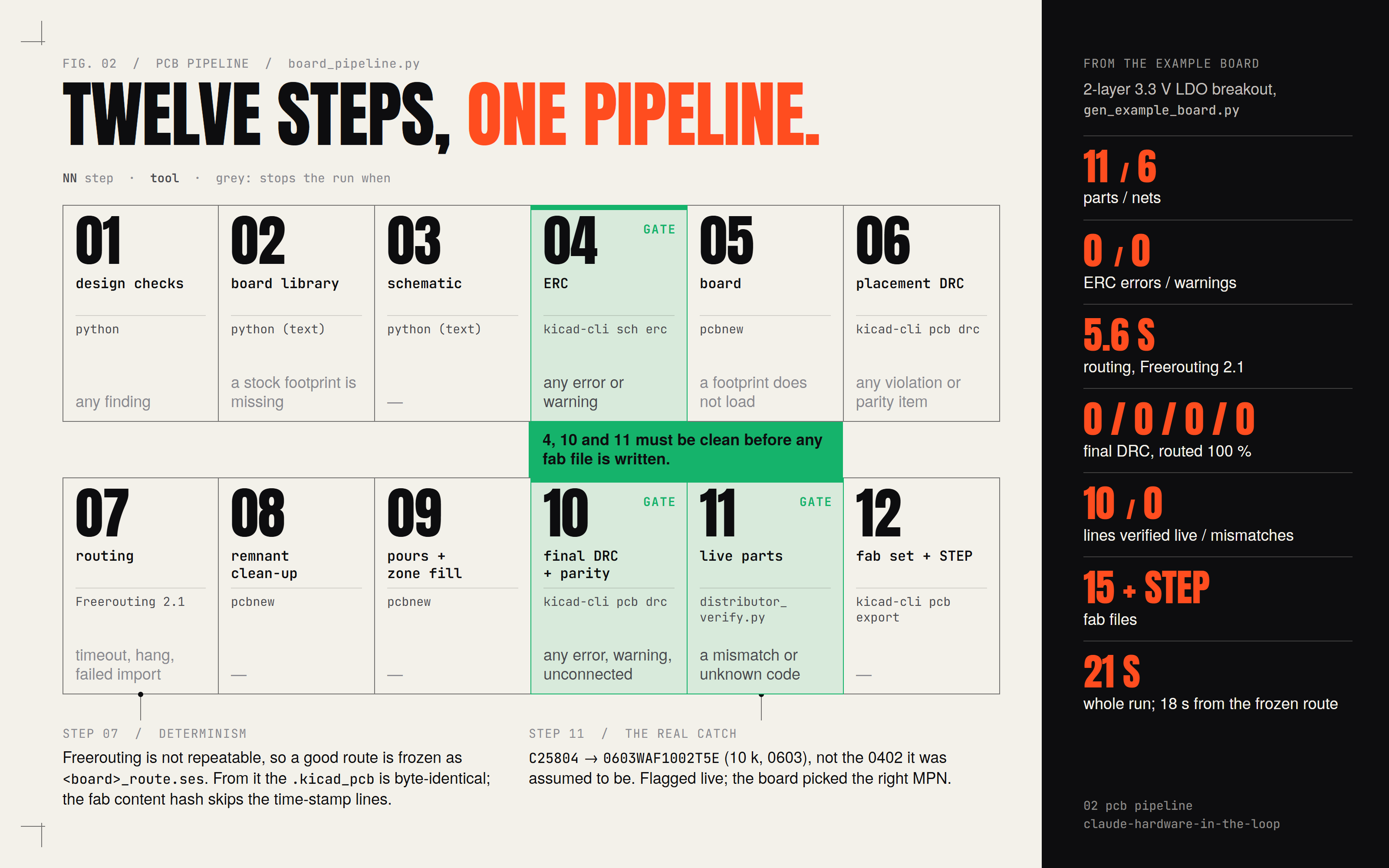 The pipeline: a Python board script
goes through KiCad, the auto-router, the ERC/DRC gate, an LCSC part
check and fab output.