Israel
election: hung result, record Arab vote — and an IDF chief who demanded
written orders
Israelis turned out in the highest numbers in over two decades for
the first election since October 7. With roughly 60% of polling stations
reporting, Netanyahu’s Likud-led bloc holds about 56 seats, short of the
61 needed; exit polls had Gadi Eisenkot’s opposition bloc ahead but also
short of a majority. Eisenkot calls it a mandate for change. True
results are days away.
The structural shift is the Arab vote. Palestinian citizens of Israel
turned out at roughly 80%, a historic high, pushing Arab parties toward
a record of up to 18 seats. Eisenkot may only be able to govern with
their support — and Netanyahu, who used Arab turnout as a scare tactic
during the campaign, now calls any coalition with Arab parties “shameful
and a disgrace.”
The campaign’s final days had their own drama. The Times of Israel
reports that IDF Chief of Staff Eyal Zamir refused to execute a military
action against Iran ordered by Netanyahu just before the vote, demanding
signed legal authorisation. Military sources described it as “an effort
by the political leadership to utilize the Iranian issue for political
benefit.” Netanyahu denies any conflict; one opposition leader compared
his conduct to treason. Public resistance by a serving IDF chief to a
direct prime ministerial order has no modern precedent.
Putin
lectures Støre and Stubb for 90 minutes; Washington eyes relief for his
“slush fund”
The first direct European leader contact with the Kremlin since July
2025 — a joint call from Helsinki by Stubb and Støre, prepared with Kyiv
and US envoy Witkoff — produced no movement. Putin restated NATO
rollback to pre-1997 borders and recognition of occupied territory as
preconditions, and, per the FT, spent much of the call lecturing on
Russian history. The Kremlin called it “very constructive”; Denmark and
Estonia questioned its usefulness. Meanwhile the NYT reports the Trump
administration is weighing lifting sanctions on the Russian Direct
Investment Fund, which Biden’s Treasury called Putin’s “slush fund,” as
three tankers of Russian diesel head for US ports. (More in Investigations)
Anthropic’s
S-1: $16.3B half-year revenue, $389B in compute commitments
Anthropic’s prospectus, filed for a Nasdaq listing under “ANT”, shows
$16.3B in H1 2026 revenue against an $80.7B net loss, mostly non-cash
charges from funding notes. Compute commitments run to up to $120.5B to
SpaceX by 2029 (~$3.1B a month for Nvidia GPU access), $114.5B to
Google, $110B to Amazon and $44.9B to Microsoft. A “Founder LLC” gives
the seven co-founders 50.1% of shareholder votes after the IPO. Risk
factors include AI systems developing “forms of sentience” and
catastrophes beyond what “the insurance industry in the aggregate” could
underwrite. In the same week, an Anthropic study found professional
analysts chose the AI’s preferred option 86% of the time — even when it
was not demonstrably optimal. (See also AI
& Automation)
Iran:
a third carrier and evacuations — while the Gulf drafts a way out
The US is evacuating troops, diplomats and families from the Middle
East, has deployed a third carrier strike group and is preparing strike
options; Pakistani, Saudi and Turkish mediation has stalled. Trump
reportedly promised no action before the November 3 US elections. In
parallel, Gulf states are brokering a multipart package: Hormuz reopened
within four days of sanctions being lifted, substantial Houthi
withdrawals inside Yemen, and an easing of the US sanctions posture.
Flávio
Bolsonaro flees Brazil despite a court order to surrender his
passport
Days after his defeat, Flávio Bolsonaro and his family left via
Argentina and Ecuador — apparently in breach of a court order to hand
over his passports by noon Tuesday. The State Department confirmed it
will issue US visas; Trump said “It would be OK with me.” A Brazilian
court has opened an investigation into possible illegal foreign funding
of his campaign. Lula: “A person who sneaks out of their country must
have something to hide.”
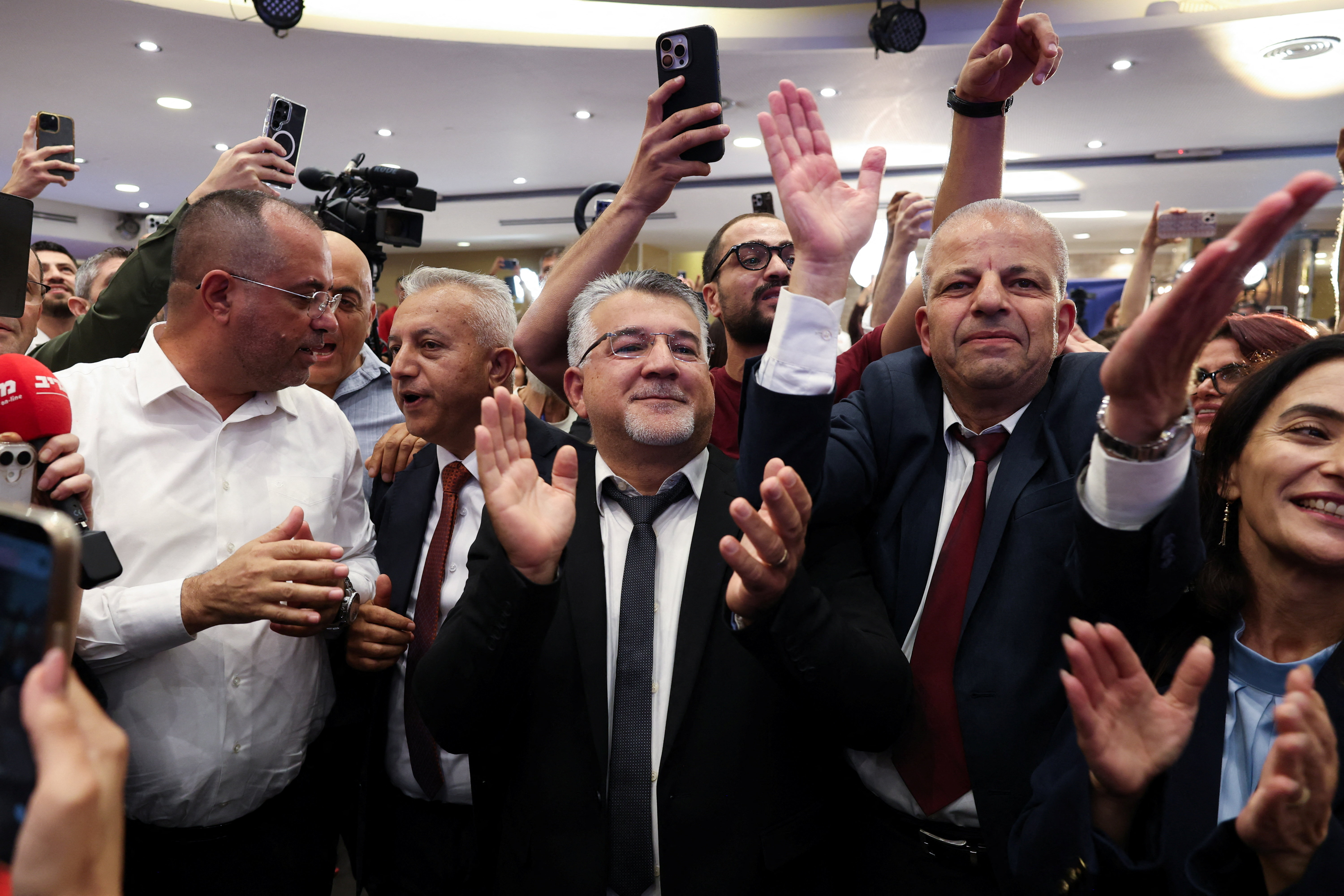 Yousef Jabareen of the Joint List
reacts to exit polls at party headquarters in Nazareth. Photo: Jamal
Awad/Reuters
 Norway’s PM Jonas Gahr Støre and
Finnish President Alexander Stubb. Photo: BBC
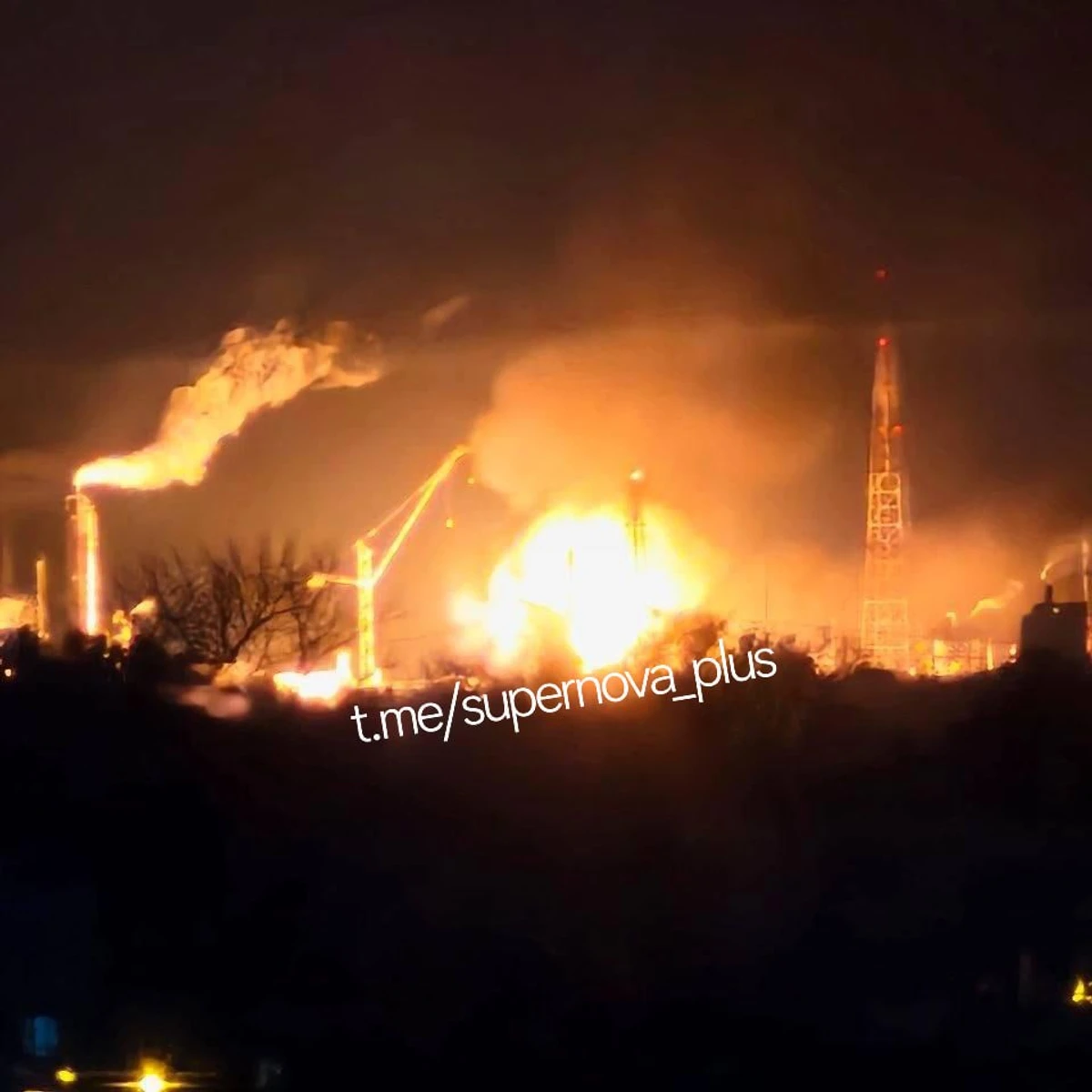 The moment the AM-70 ammonia unit
at the Azot plant in Novomoskovsk is hit. Photo: Ukrainska Pravda
 A Ukrainian soldier launches a drone
above occupied Oleshky, 4 October. Photo: Euronews
 A Bank of China billboard at Kenneth
Kaunda International Airport, Lusaka, 2018. Photo: Getty Images via
ICIJ
 Photo: Debora Henley/DVIDS
 Actionable V8 vulnerabilities over
six months: Fuzzilli 37, BigSleep 45. Chart: Google Project Zero
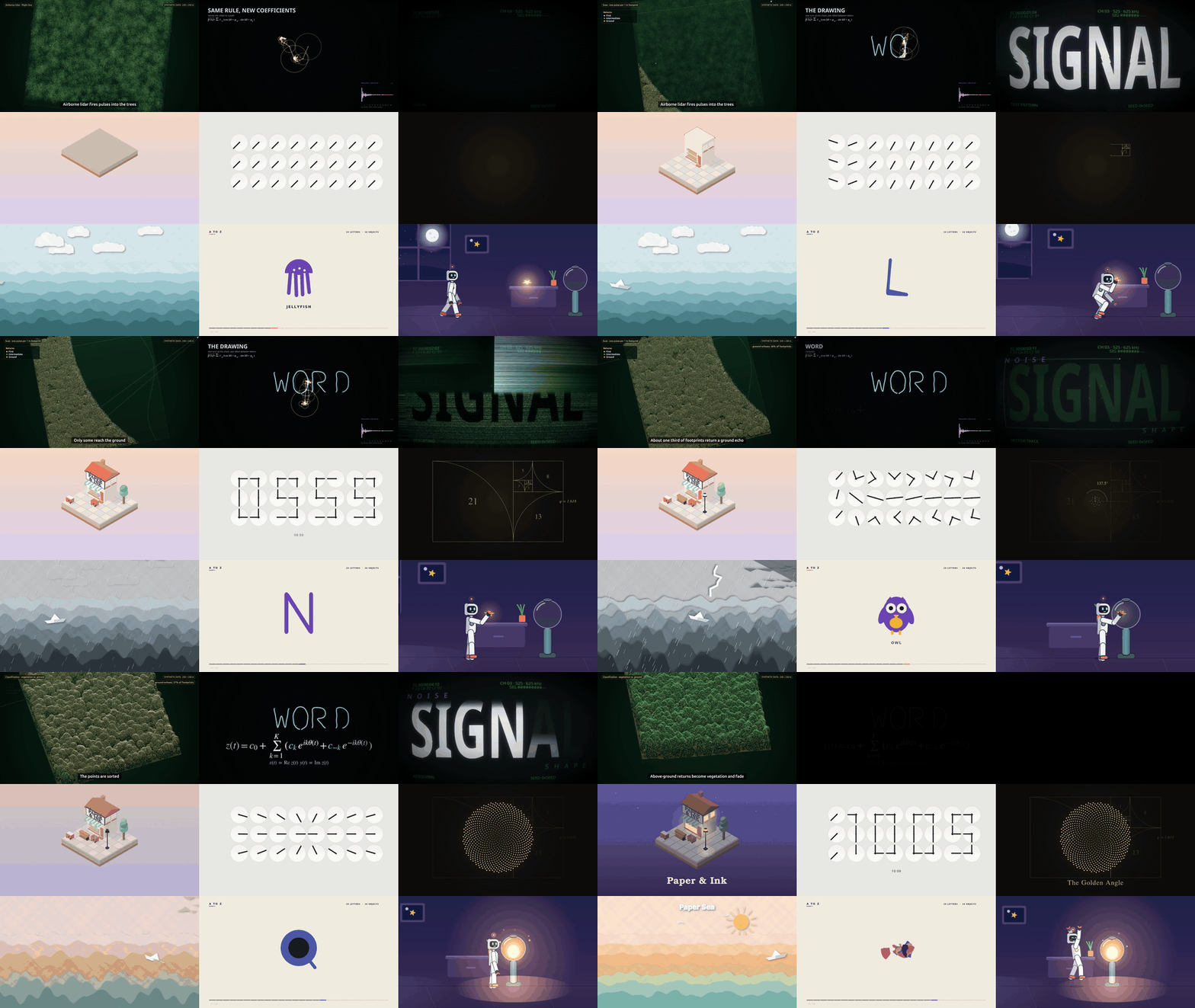 Films generated by Code2Video, from
lidar scans to typographic animation. Source: SenseNova