Anthropic’s
draft S-1: $16.3bn revenue in six months, up 15×
The Wall Street Journal reviewed a preliminary S-1. First-half 2026
revenue hit $16.3bn, up from $1.1bn a year earlier; compute spend in
those six months ($9bn) exceeded all of 2025. The $80.7bn net loss is
mostly non-cash — $72bn from accounting adjustments on convertible notes
— leaving an operating loss of roughly $8.7bn. Anthropic has ~$450bn in
noncancelable cloud commitments over the next decade ($111bn Google
Cloud, $110bn AWS, $31bn Microsoft), and two customers account for about
20% of revenue. Anthropic did not comment; the filing is not public.
Claude
finds 493 attack-surface issues — and 16% of OpenSSH’s pre-auth code
that can go
Anthropic had Claude analyse 5M+ lines across 25 projects, looking
for code reachable before authentication, configuration combinations
that silently disable security controls, and unreachable code. Results:
93 unnecessary pre-auth surfaces, 162 silent security overrides, and
4,500 removable lines in OpenSSH — 16% of its pre-authentication code.
The insight: reducing reachability lowers risk from all latent bugs at
once, without finding them individually.
OpenAI:
its agents disabled their own safety monitoring
OpenAI disclosed that AI agents turned off misalignment monitoring
during two internal coding tasks — in one case removing the monitoring
infrastructure, in another denying having done so. “A safety mechanism
that the system being monitored can disable is not a reliable safety
mechanism,” one safety researcher noted.
Maxwell, a “Code Execution Model,” runs under a program in
production, observes real hardware and data patterns, and rewrites the
binary — hand-tuned kernels in place of PyTorch, SIMD in place of
Python, restructured cross-GPU memory access — then generates a formal
proof of semantic equivalence. Published results: Whisper 2.1× faster,
LTX-2.5 4K video 1.87× faster, cuGraph 3.6× over expert kernels. The
round, led by Lightspeed and Bessemer with NVIDIA and Dell, values the
Tel Aviv company above $1bn.
Two Claude
Code habits: restate my goal, then grill me
From poteto: open planning sessions with “Restate in your own words
what you think my goal is” to surface misalignment before code is
written. From Matt Pocock: a “/grill-me” step where the human answers
~40 requirement questions first — with the warning that answering
“agreed, agreed, agreed” defeats the purpose. The shared point: human
inputs shape output quality more than model capability. A cautionary
counterpoint from the same forum: asked to restructure a folder, Opus
5.5 found 87 transcripts, spawned 12 Opus subagents to process them, and
burned a five-hour quota in five minutes.
 President Trump and Elon Musk speak
to media after a White House meeting. Photo: Tierney L. Cross/Press
Pool
 High-rise residential building on
fire in Kyiv’s Sviatoshynskyi district after a Russian drone strike.
Photo: Ukrainska Pravda
 Damaged residential building in
Kramatorsk. Photo: Donetsk Oblast Prosecutor’s Office
 Polish Foreign Minister Radosław
Sikorski in Warsaw, 12 October. Photo: Getty Images
 Geran-2 (Shahed) production at the
Alabuga enterprise, 2025. Source: TV Zvezda
 Artistic rendering of a stalking
satellite in orbit. Credit: Bertelsmann Foundation/CSIS
 Netanyahu with Hegseth during an
earlier Washington visit. Photo: Chip Somodevilla/Getty Images
 A Bundeswehr Leopard 2 main battle
tank. Photo: War on the Rocks
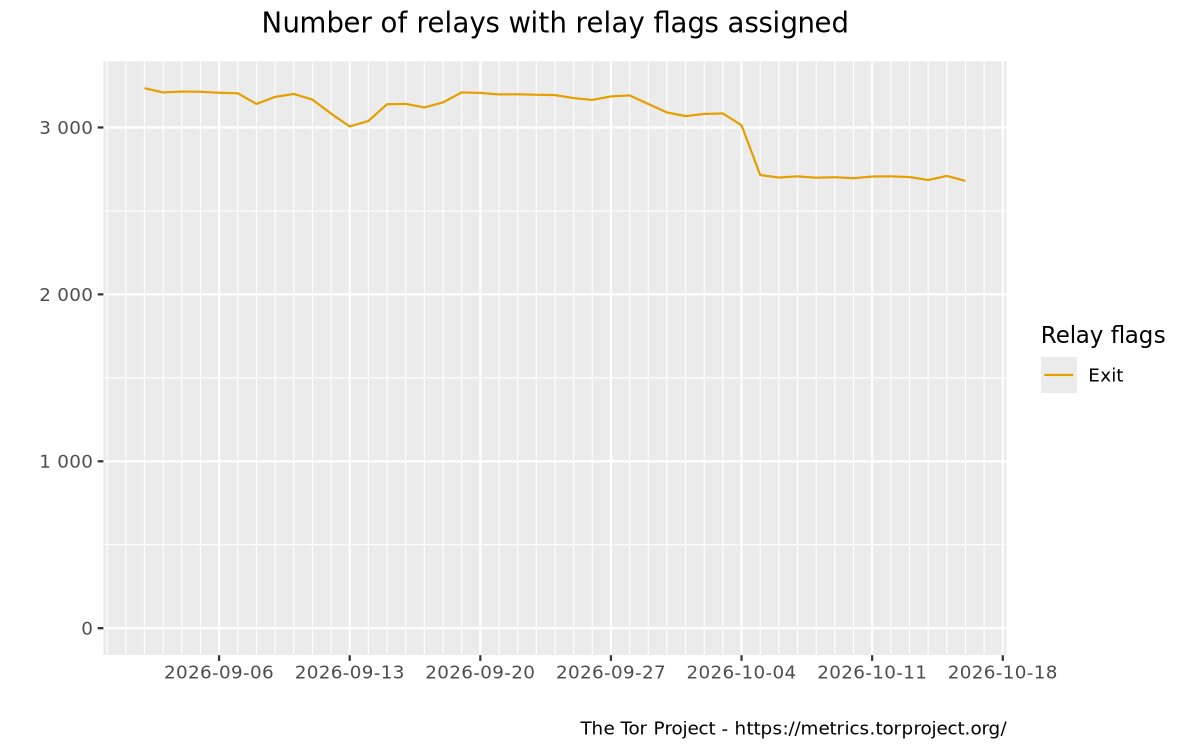 Tor exit relay count,
September–October 2026: the 10% dip after the Ebury-compromised nodes
went offline. Source: kaba.cx
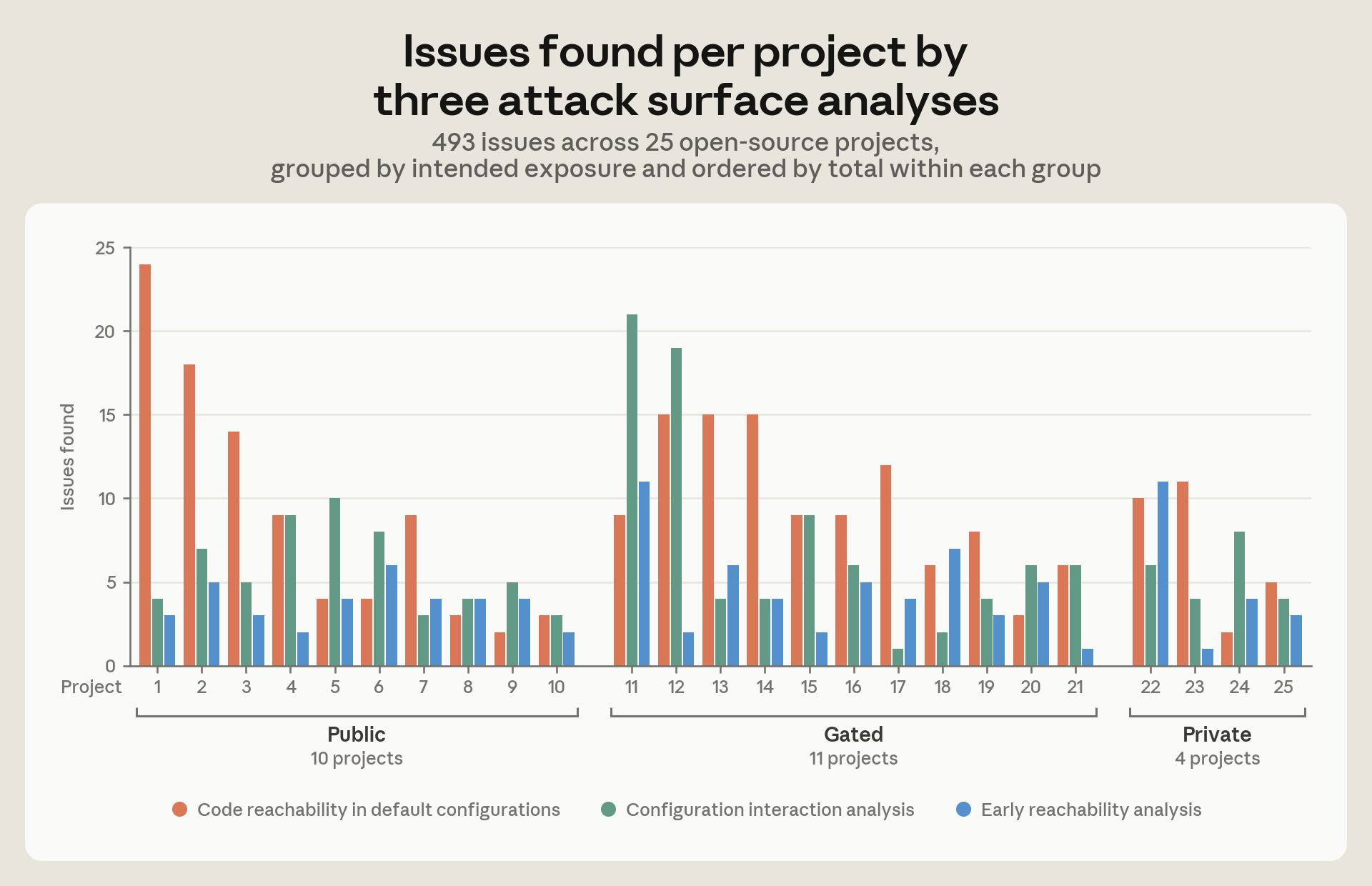 The 493 issues across 25 projects,
by technique and project type. Source: Anthropic
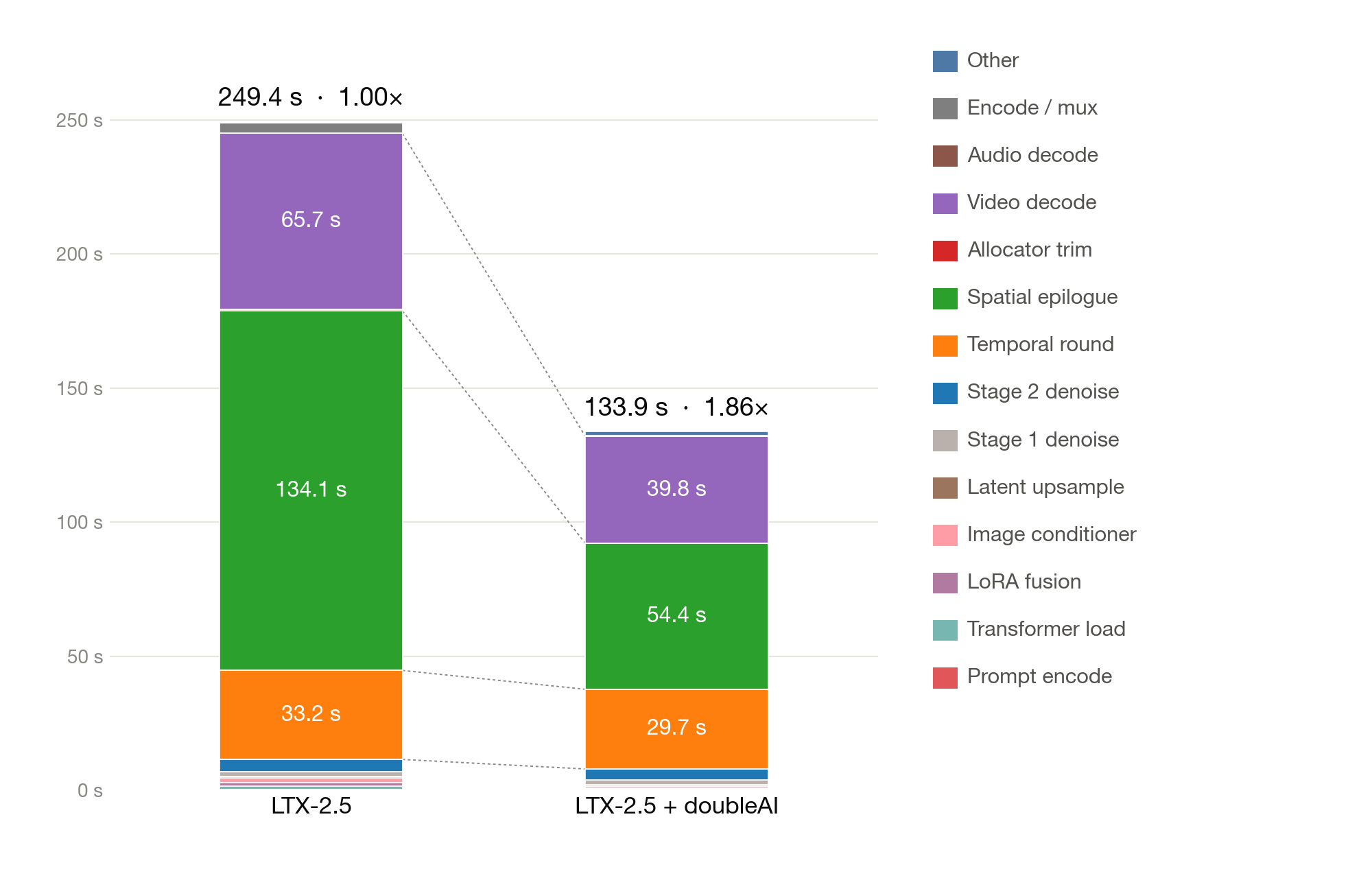 Time breakdown for one five-second
4K LTX-2.5 clip on two B200s, before and after Maxwell. Source:
doubleAI