Energy
ceasefire collapses into diplomatic theater as Russia hits Kyiv without
warning
Russia struck six Ukrainian energy facilities on October 12 — the
same day Trump claimed an “energy ceasefire” existed — and the Kremlin
formally rejected Zelensky’s proposal for a 60-day truce to hold
elections, with Peskov offering only a single-day pause. The White House
walked back Trump’s Truth Social post, clarifying it referred to a
“potential deal,” not an agreed ceasefire; Trump then said the sides had
agreed “because I said they agreed,” and when pressed claimed “both
sides violated it.” Moscow has stayed conspicuously silent rather than
acknowledge any truce.
ISW notes the proposed deal is structurally one-sided: it covers only
oil refineries, of which Russia has scores and Ukraine one, while
leaving Russia free to strike Ukrainian electrical infrastructure
through winter. Russian milbloggers openly argued Moscow should reject
any ceasefire because grid strikes are its most effective lever of
pressure. Ukraine held back from striking Russian energy targets
overnight; Zelensky has pivoted to a counter-offer, challenging Trump to
“let’s sign a diesel deal,” while Trump is also pressuring Ukraine to
elect new leadership ahead of US midterms.
Overnight into Tuesday, Russia launched five ballistic missiles, nine
Banderol drone-missiles and 108 Shahed-type drones. Radar detected the
Kyiv-bound ballistic missiles only as the attack was already underway,
leaving no time for an air-raid alert. Two people were killed when a
drone struck a Kyiv apartment block; three bodies were pulled from the
rubble of a Kharkiv residential building hit the previous night.
(Also covered in Ukraine)
EU
agrees largest-ever sanctions package; France boards Russian shadow
tanker
The EU agreed its largest-ever sanctions package — nearly 1,600
individuals and entities in Russia’s military-industrial complex.
Finland is separately pushing other member states to all but eliminate
Russian citizen travel across the EU, a hardening that goes beyond
economic measures into direct personal restriction of Russian
nationals.
At sea, France intercepted and boarded the Russian oil tanker DF
Peak south of Réunion Island in the Indian Ocean, seizing it for
false-flag operations. The UK sanctioned a Dutch businessman, exposed by
the Kyiv Independent, for shipping EU machinery to Russian missile
suppliers. In Germany, two Turkish nationals were arrested over an arson
attack on a Starlink ground station near Warsaw, which Poland says was a
Russian-directed sabotage operation.
Houthis
hit Riyadh for third straight day; Netanyahu seeks Saudi approval for
Yemen strikes
Saudi Arabia suspended international flights from Riyadh again after
a third consecutive day of Houthi missile attacks on the capital;
Sunday’s strike on the airport killed one and injured eleven. Qatar
Airways and Etihad cancelled flights to the kingdom. Saudi’s energy
minister called the situation “uncharted territory” and vowed a “serious
response,” while a Houthi leader warned the US against entering the war
on the Saudi side.
In a significant potential expansion of the conflict, Netanyahu is
reportedly seeking Saudi Arabia’s explicit approval before launching
Israeli strikes on Houthi positions in Yemen — a coordination request
that would link the Israeli and Saudi military postures in an
unprecedented way.
Ethiopia
crosses into Eritrea, seizes strategic position near Assab port
Ethiopian mechanized forces have crossed the international border
into Eritrea and taken control of a strategic locality near the port
city of Assab following fighting with Eritrean troops. Eritrea fought
alongside Ethiopian federal forces during the Tigray war, but relations
have since broken down sharply; an Ethiopian incursion into Eritrean
territory marks a new phase of open conflict between the two countries,
days after Addis Ababa said it faced “all-out invasion.”
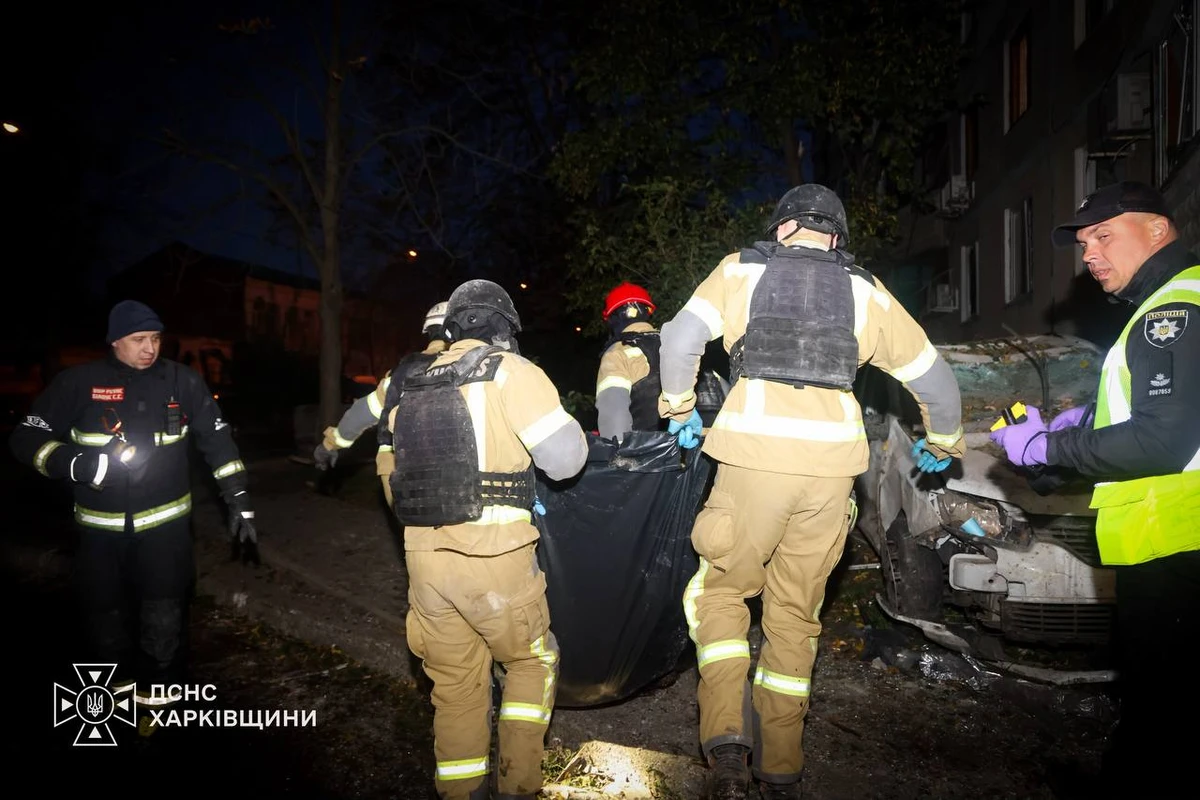 Rescue workers at the rubble of a
four-storey residential building in Kharkiv’s Kholodnohirskyi district.
Photo: Ukrainska Pravda
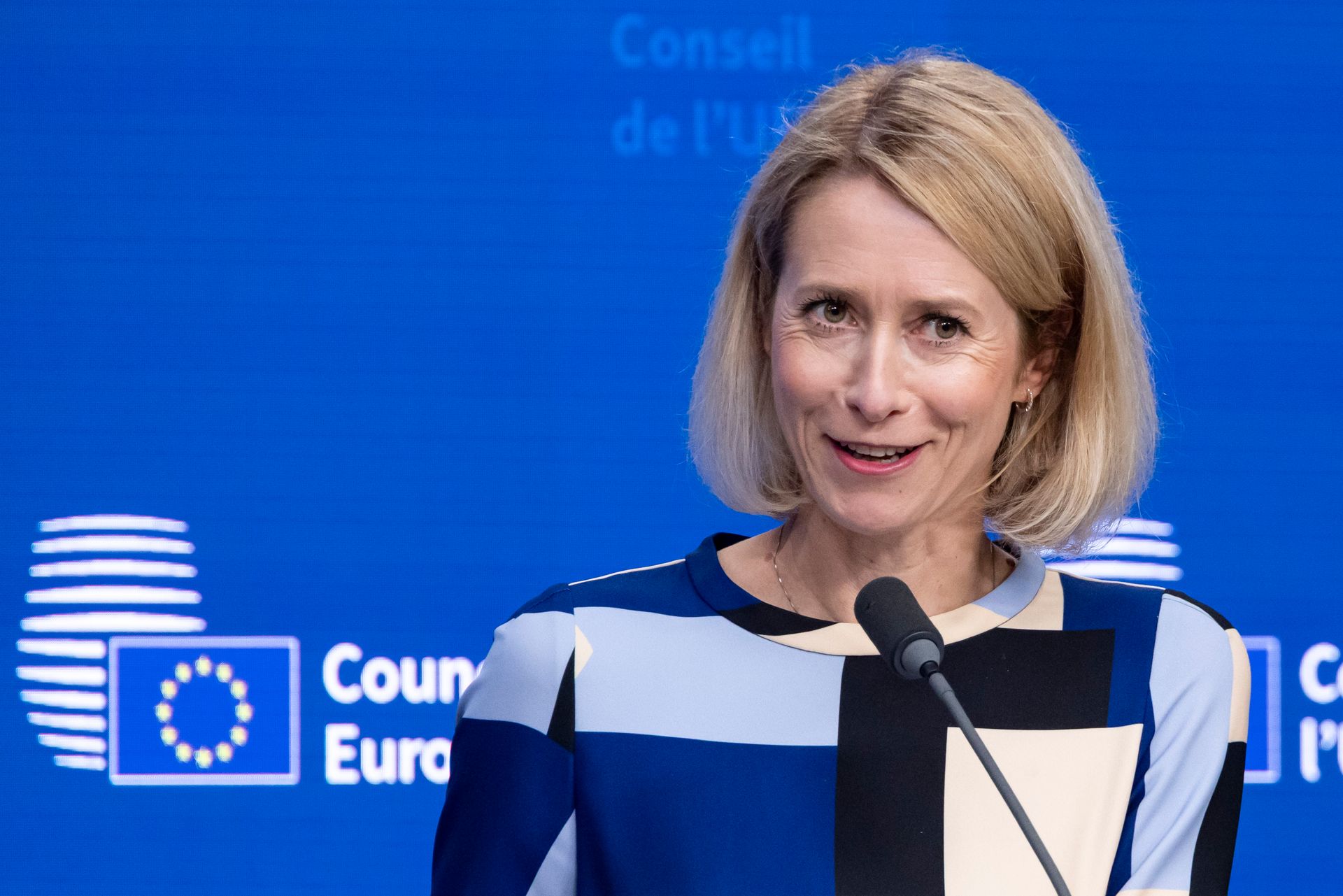 EU High Representative Kaja Kallas
at the Foreign Affairs Council on Defense, Brussels, 28 September 2026.
Photo: Getty via Kyiv Independent
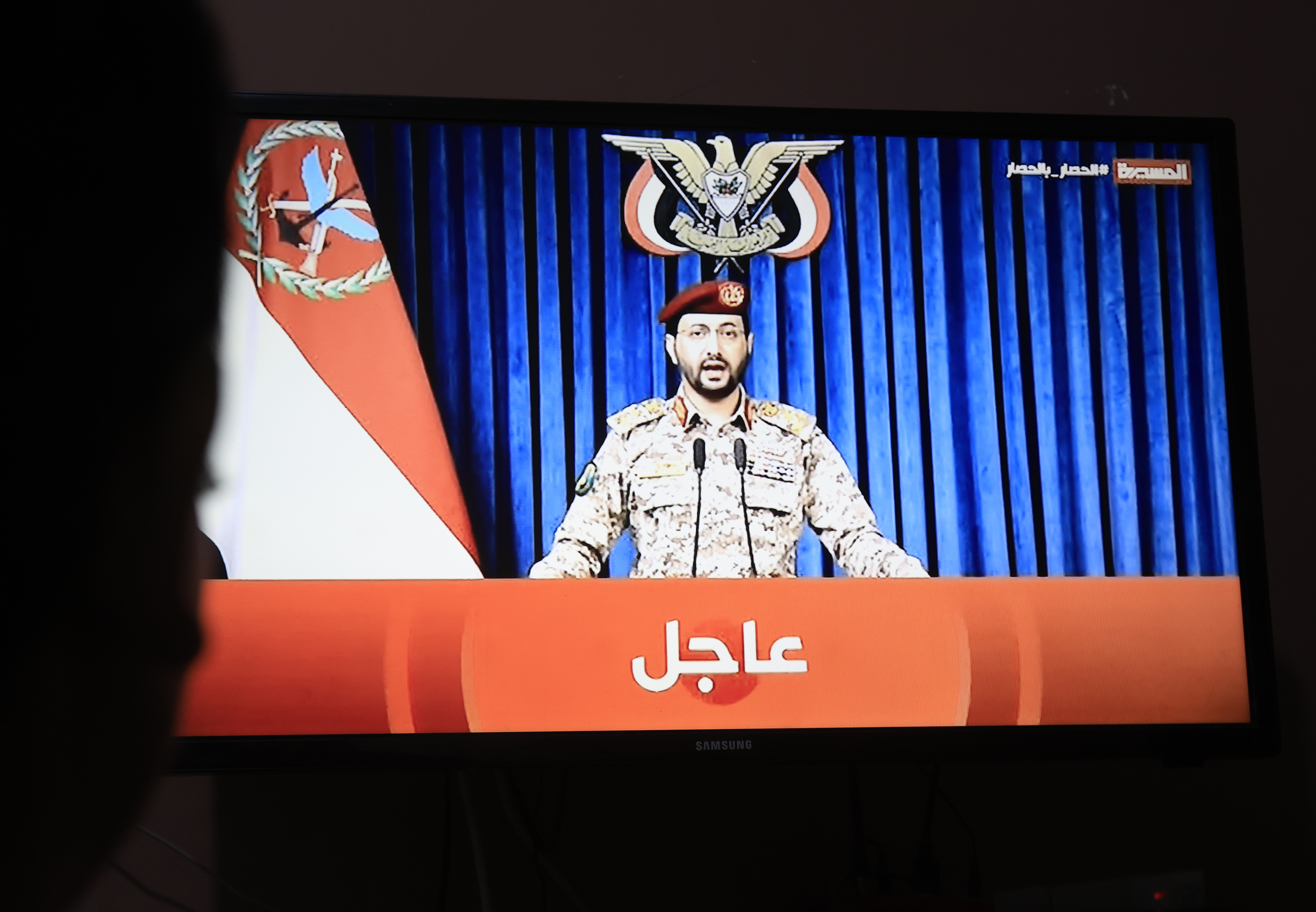 A resident in Sana’a watches Houthi
military spokesman Yahya Sarea deliver a televised statement, 11 October
2026. Photo: EPA via Al Jazeera
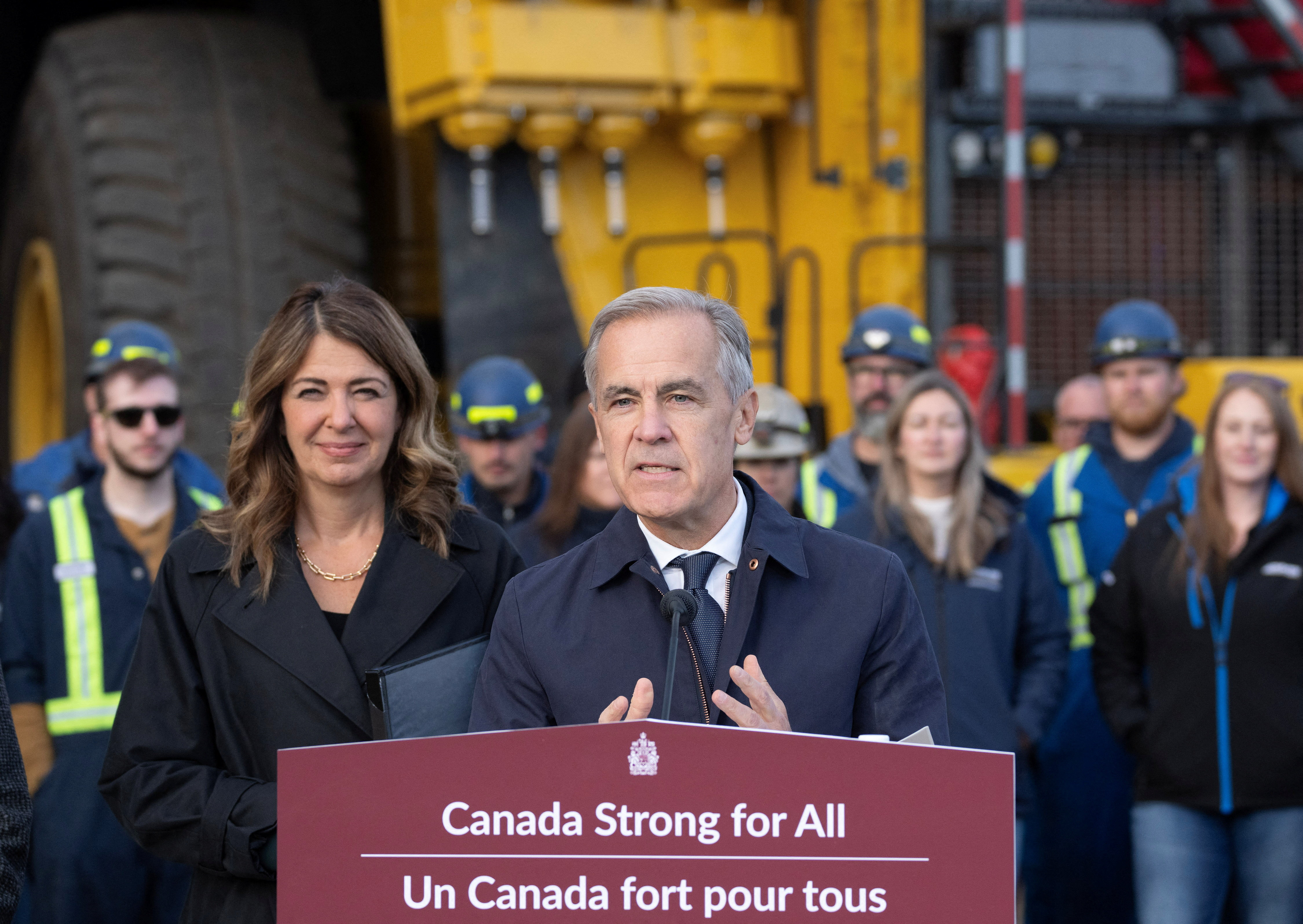 Prime Minister Mark Carney and
Alberta Premier Danielle Smith in Fort McMurray, Alberta, 1 October
2026. Photo: Reuters via Al Jazeera
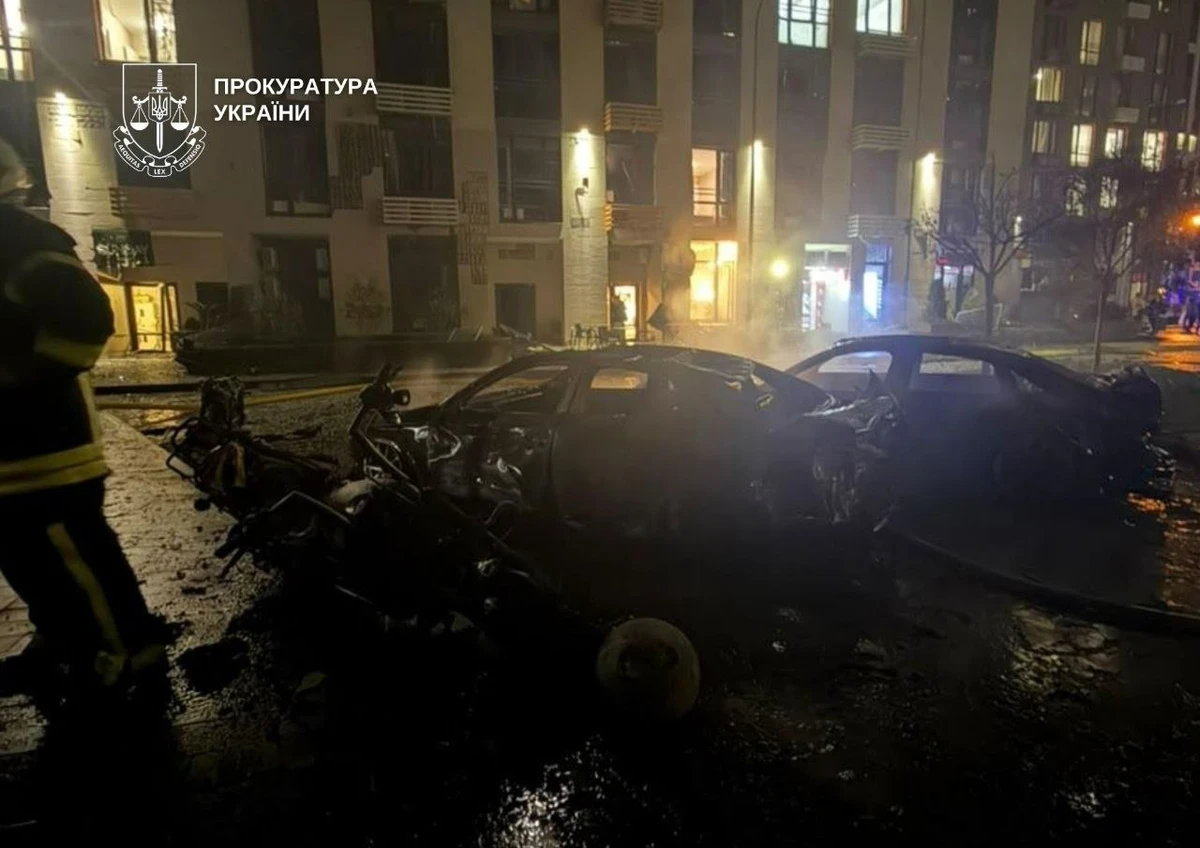 Aftermath of the Russian drone
strike on a Kyiv apartment block, October 12. Photo: Kyiv City
Prosecutor’s Office
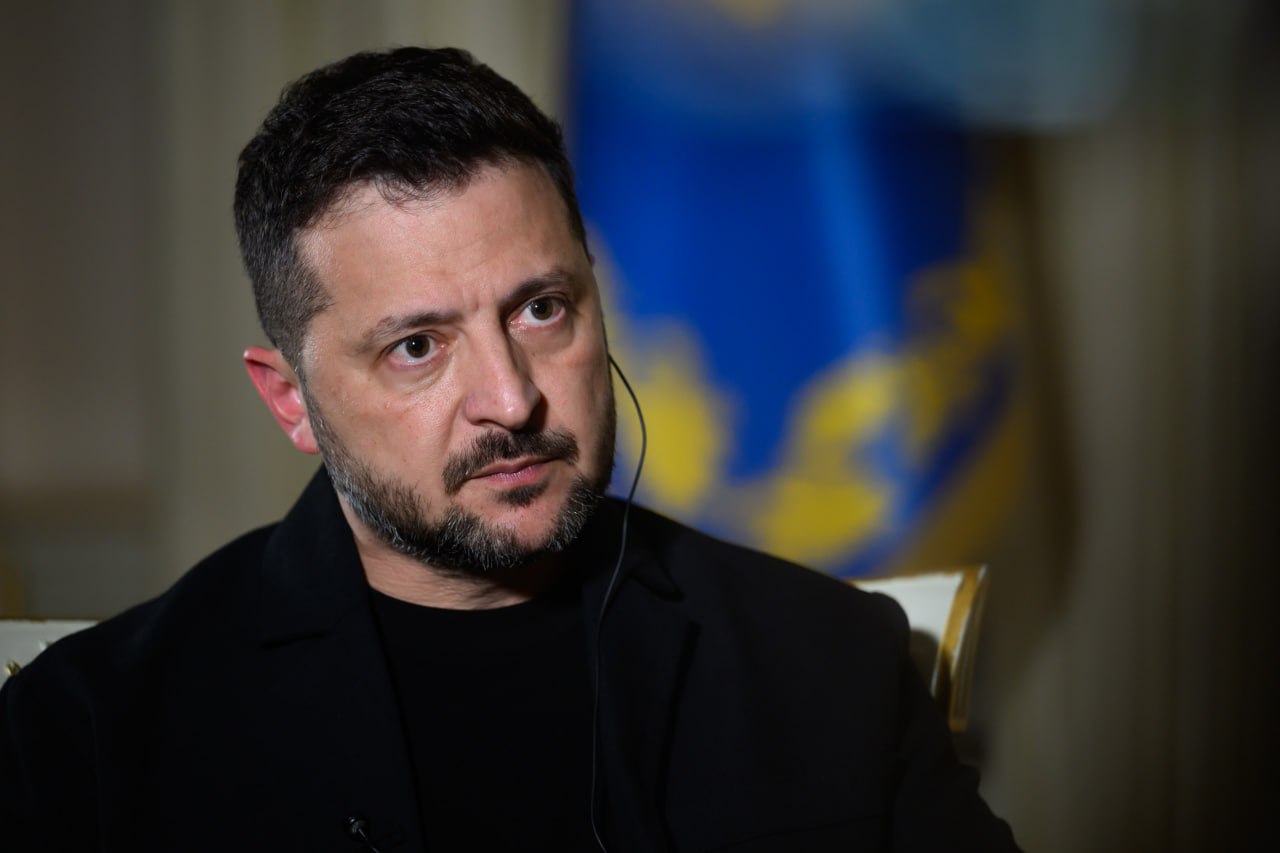 President Volodymyr Zelensky. Photo:
Kyiv Post
 Illustrasjon: Jonas Bødtker /
Demo
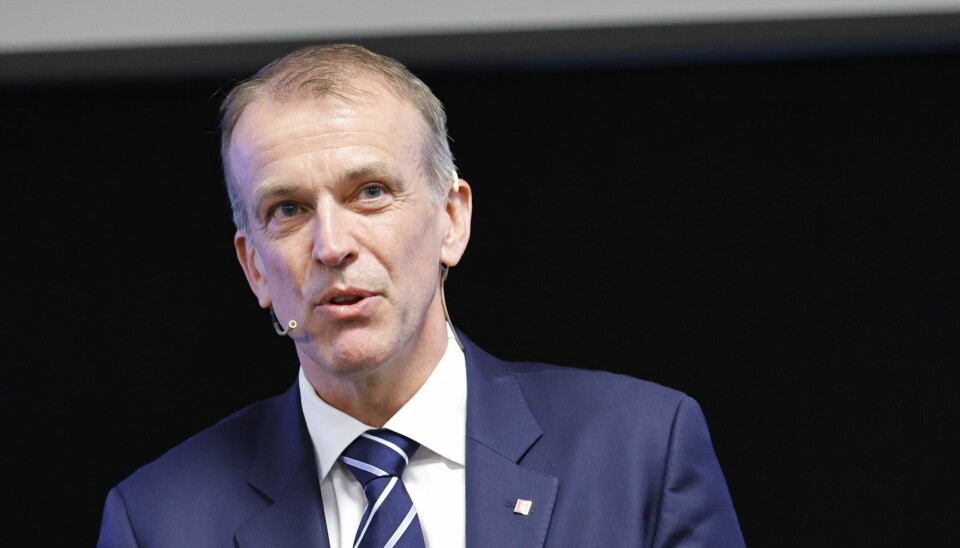 Kongsbergs nye anlegg for
droneforsvar skal ligge nær Gdansk-Gdynia. Foto: TU.no
 NATOs kombinerte
luftoperasjonssenter (CAOC) i Bodø. Foto: TU.no
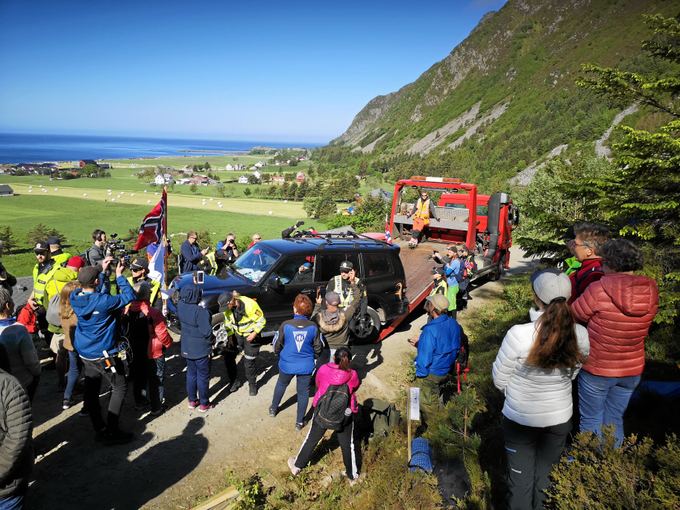 Politiet fjerner en bil
demonstranter brukte til å blokkere anleggsveien på Haramsøya. Foto:
Hilde Beate Ellingsæter / Norde / NTB
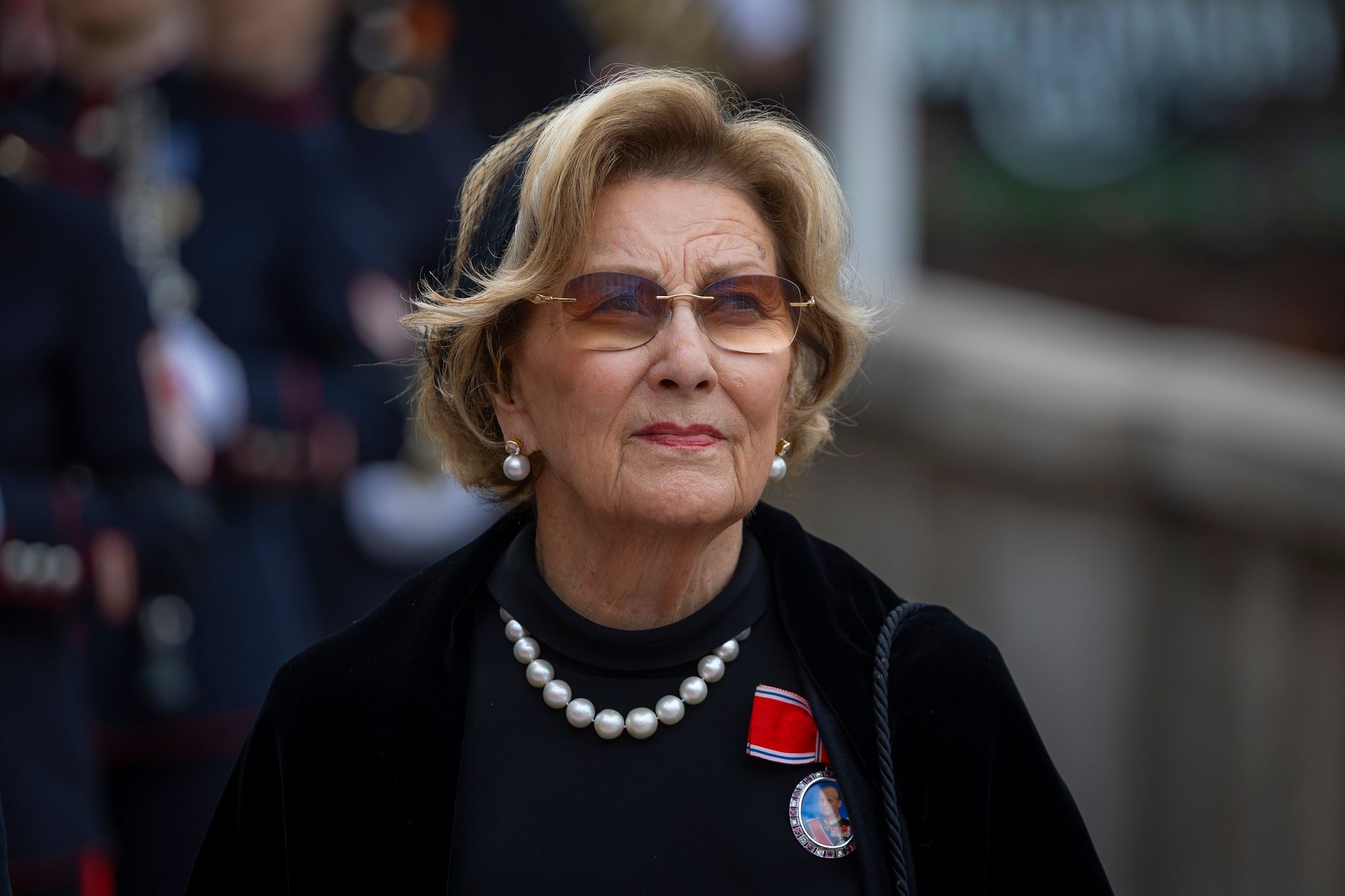 Dronning Sonja ved kong Haakons
tronsettingsseremoni i Stortinget, september 2026. Foto: VG
 A supermarket interior in Paris.
Intermarché and Coopérative U stores had refrigeration temperatures
pushed to 50°C. Photo: Getty via Al Jazeera
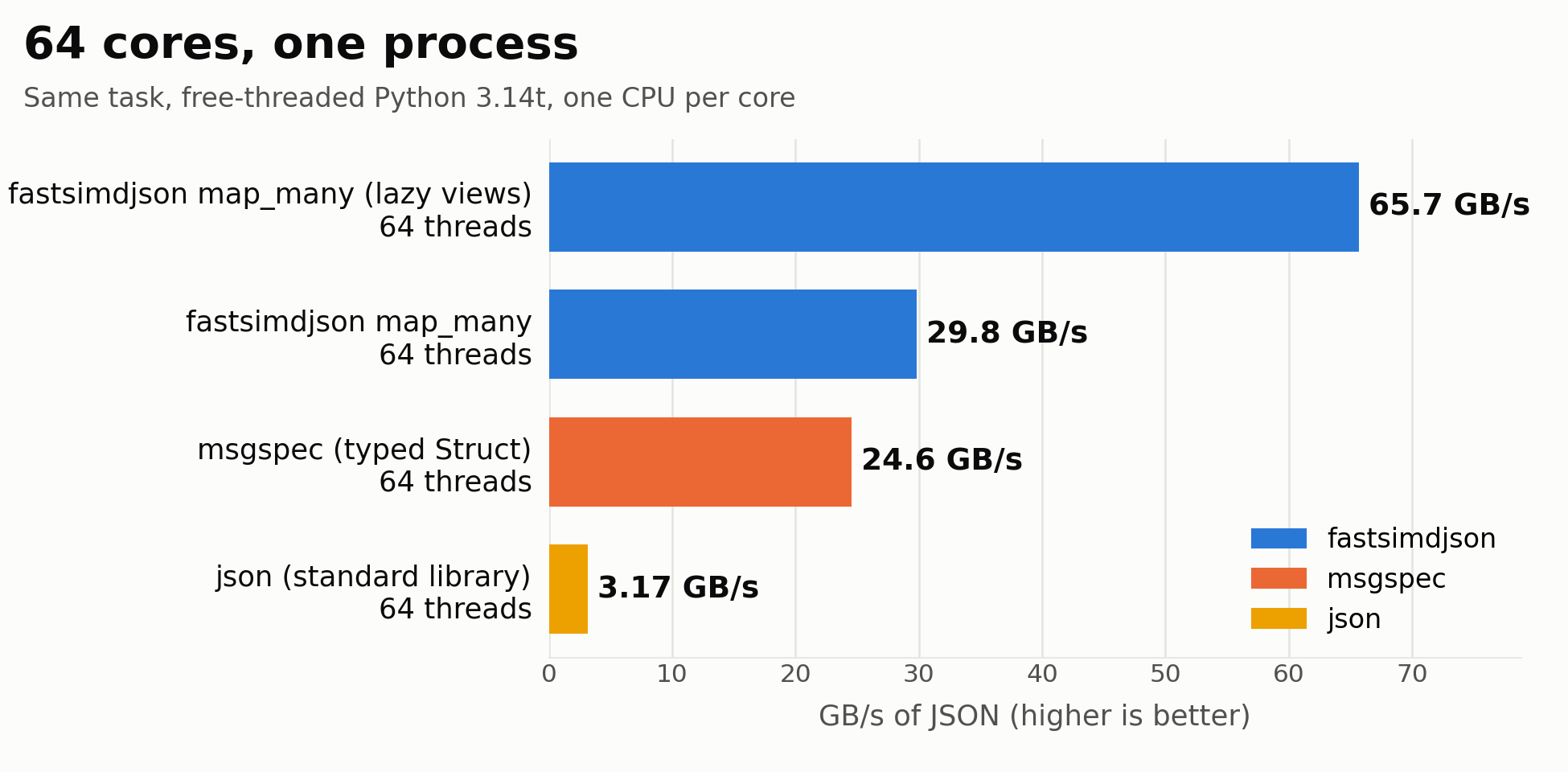 JSON parsing throughput across
libraries on 64 cores. Chart: Daniel Lemire
 SHA1 versus xxHash for Unreal
shader source hashing. Chart: Lars Tofus
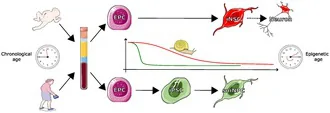 Reprogramming pipeline from donor
blood cells to induced neural stem cells, with epigenetic age comparison
across age groups. Graphical abstract: Aging Cell
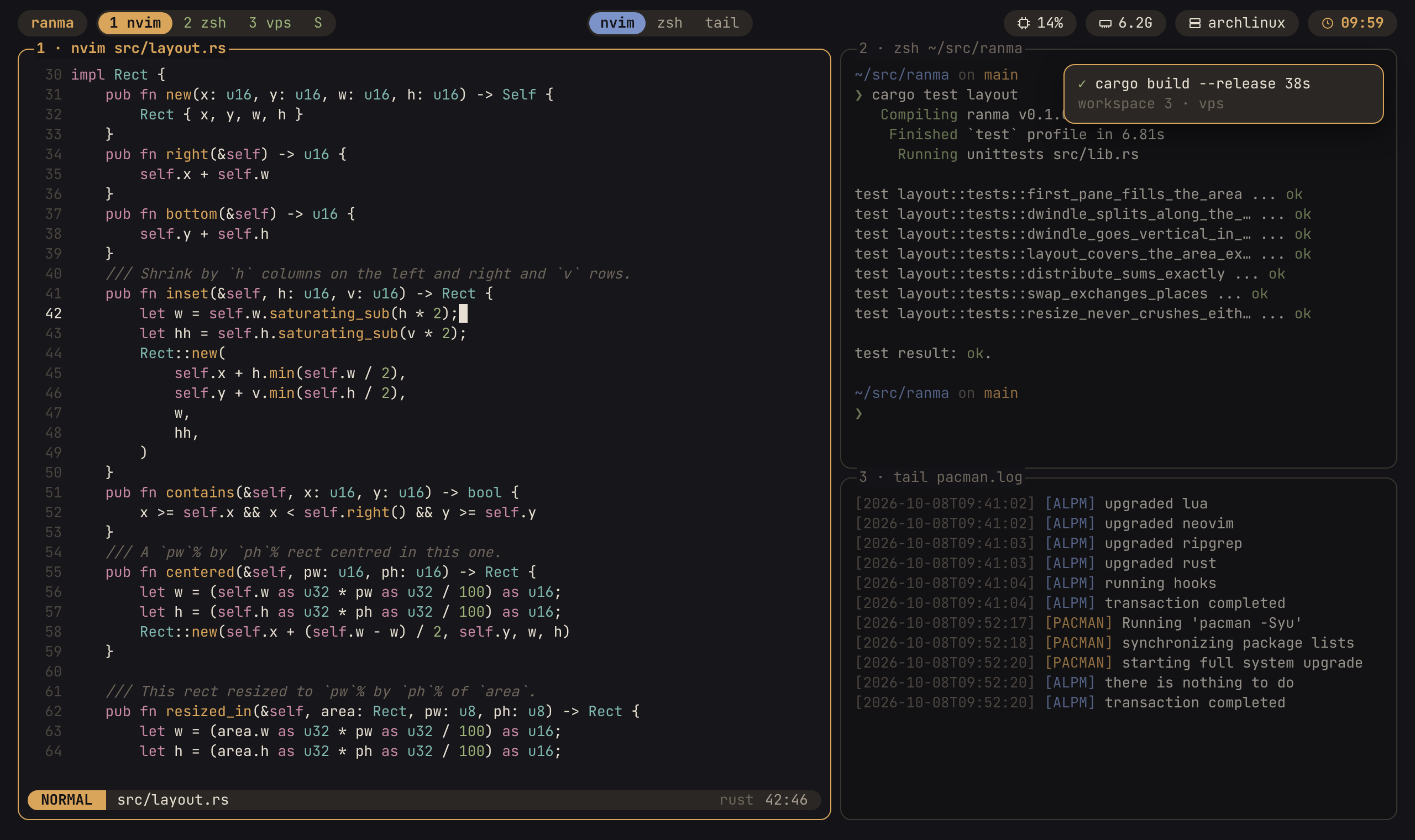 ranma running in the terminal with
multiple panes in dwindle layout and a status bar. Image:
masshirodev