gonixgo:
build Go projects in Nix using go.sum hashes — no vendorHash needed
gonixgo runs as a builtins.exec call during Nix
evaluation to generate per-package derivations from the existing
go.sum file. Unlike buildGoModule’s single
vendorHash, it compiles each Go package as a separate
derivation and links them — so changing one file only rebuilds affected
packages, not all dependencies. The tradeoff is requiring
--option allow-unsafe-native-code-during-evaluation true.
An interesting direction for Go-in-Nix packaging.
NixOS
Modular Services: package-level configuration modules are taking
shape
Meeting notes from Modular Services working group meeting #9
(2026-10-02) show the group discussing “package modules” — a way to
write wrappers for packages using a module-system-like API. The example
snippet shows
pkgs.nginx.module.configure { virtualHosts.test.locations."/" = ... },
suggesting packages will be composable and configurable at the
derivation level without going through NixOS module options. Attendees
included lassulus, roberth, and tomberek. Foundational work for a more
composable Nix package ecosystem.
Home
Assistant renames Cloud to Link; HACS merges into Core as a built-in
Marketplace in 2026.11
Nabu Casa founder Paulus Schoutsen announced Home Assistant Cloud is
being renamed Home Assistant Link — partly because “big tech ruined the
cloud” and partly to clarify that HA runs locally. The $6.50/mo remote
access service otherwise stays the same. More substantively, Schoutsen
outlined a push to lower HA’s entry barrier: simpler dashboards, more
intuitive setup, a new purpose-built hub launching next year, and AI
integration to reduce configuration complexity. “We’re growing up.”
Part of that is HACS: the Home Assistant Community Store code has
merged into HA’s dev branches, targeting Core 2026.11 as a native
“Marketplace” component — no separate installation, no GitHub account
required. Community integrations, cards and themes install from
Settings, and updates appear alongside regular HA updates. Existing HACS
installs auto-migrate with custom repositories preserved. Caveat:
community projects remain independently maintained and unaudited by the
HA team.
z-scroll (repo: hyprland-scroll-overview) is a
custom layout plugin implementing a vertically scrolling sequence of
rows with two windows per row — inspired by niri’s scroll model.
Supports per-monitor layout, blur, shadows, cross-monitor window drag,
and hyprpm installation. Still rough but an interesting
alternative tiling model.
hyprmosaic renders each workspace’s wallpaper as
part of the workspace itself, so mid-swipe you see both wallpapers
transitioning rather than snapping after the switch. Configurable grid
(default 3×3), three-finger gesture navigation,
PNG/JPEG/WebP/AVIF/JXL/SVG, live wallpaper updates. Install via
hyprpm add https://github.com/La5u/hyprmosaic.
Hypr3D, the plugin that turns your desktop into a
walkable 3D space, added the Jolt physics engine plus zoom and camera
shake. Windows can be dragged, resized, and rotated in 3D; a keypress
returns you to 2D. A novelty, but an increasingly polished one — MIT
licensed, Lua-configured.
zfs-tenant:
isolated ZFS access for encrypted friend-to-friend backups over SSH
Bas Nijholt wrote a tool and guide for secure mutual ZFS backups
between two friends — each receives the other’s encrypted snapshots
(zfs send -w) without ever getting a shell or root on the
peer’s machine. The key piece is zfs-tenant, a ~930-line
Python gate program invoked via SSH authorized_keys
command= that validates and restricts ZFS commands to only
what backup needs. Combined with zfs allow delegation,
quotas, and syncoid/sanoid for scheduling, it creates a locked-down
backup tenant. Ships as a single .pyz with no dependencies;
works on NixOS and TrueNAS.
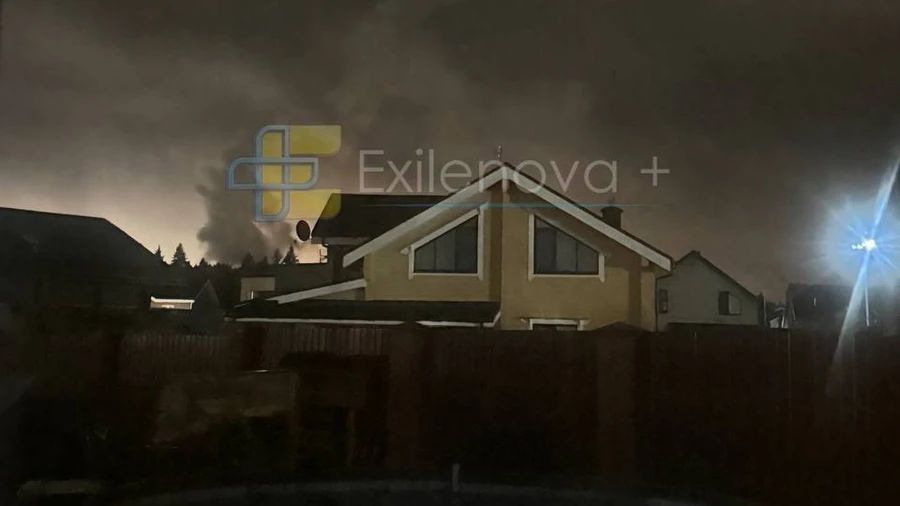 Column of smoke rising over Moscow
Oblast during the Ukrainian drone raid, October 5–6. Photo: Ukrainska
Pravda
 Fighting around Bab al-Mandab as the
Saudi-backed Yemeni offensive advances. Photo: AP via Al Jazeera
 Statsminister Jonas Gahr Støre (Ap)
før fremleggelsen av statsbudsjettet 2027. Foto: Ole Berg-Rusten /
NTB
 Sky Sentinel AI-equipped air defence
turret, now deployed against Russian jet-powered Shahed drones. Photo:
Kyiv Independent
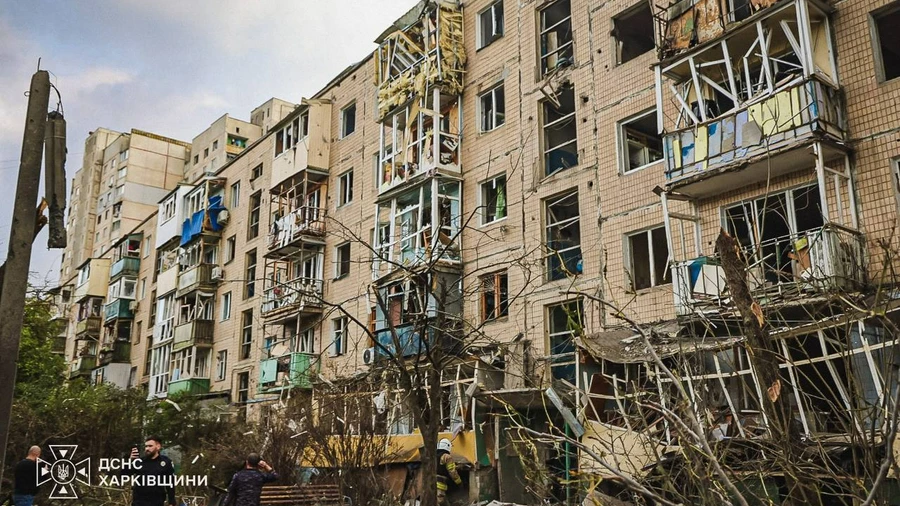 Damaged building in Kharkiv’s
Slobidskyi district after Russian strikes killed 6 and injured 59,
October 5. Photo: Ukrainska Pravda
 Stor politistyrke ved gårdsbruk ved
Ørsjøen i Halden der to menn ble skutt og drept søndag morgen. Foto:
Aftenposten
 Skadede skip ved kai etter
trippelkollisjonen i Valderhaugfjorden. Foto: Aftenposten
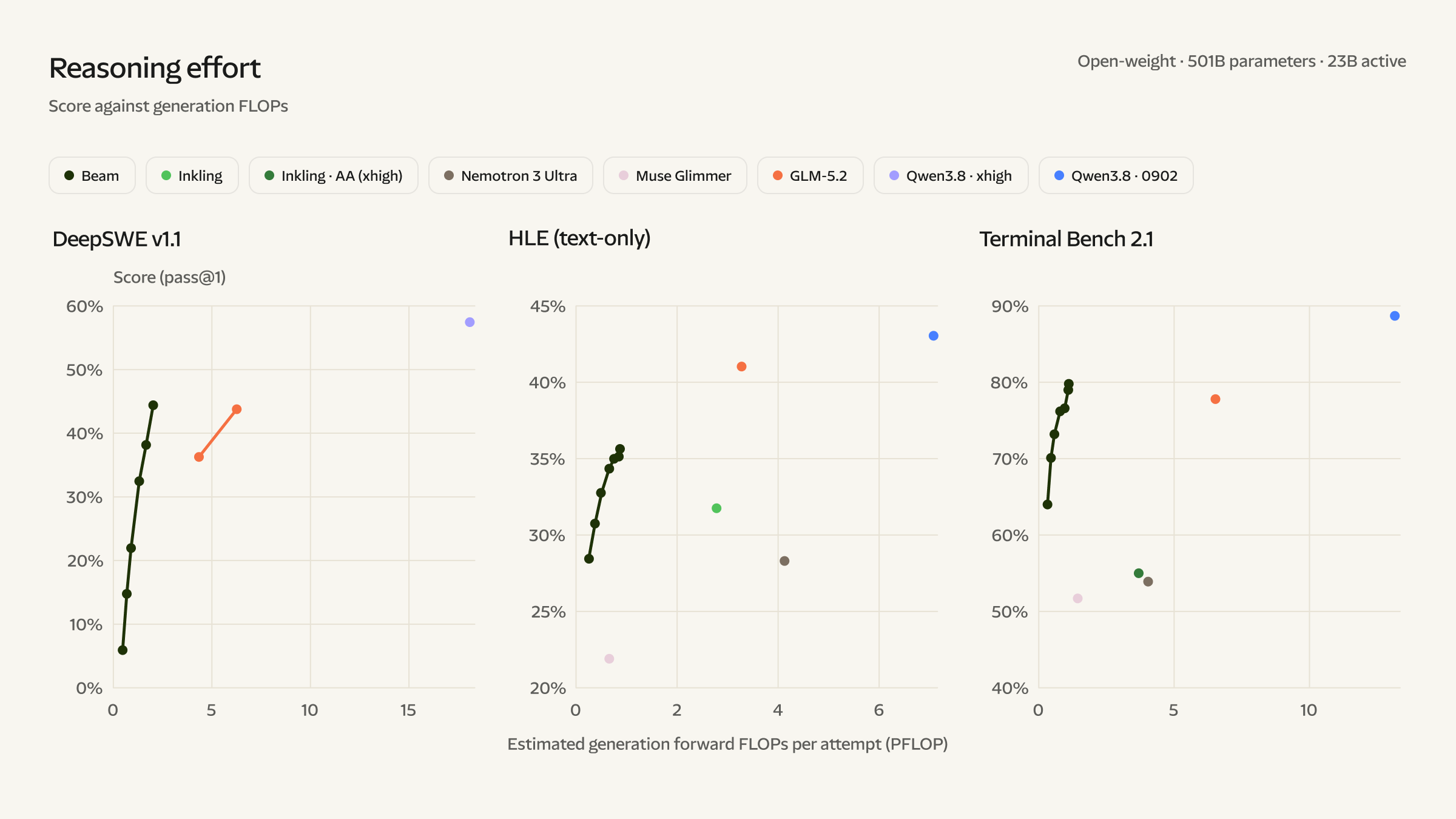 Inference efficiency comparison —
Beam vs. comparable frontier models. Image: Reflection.ai
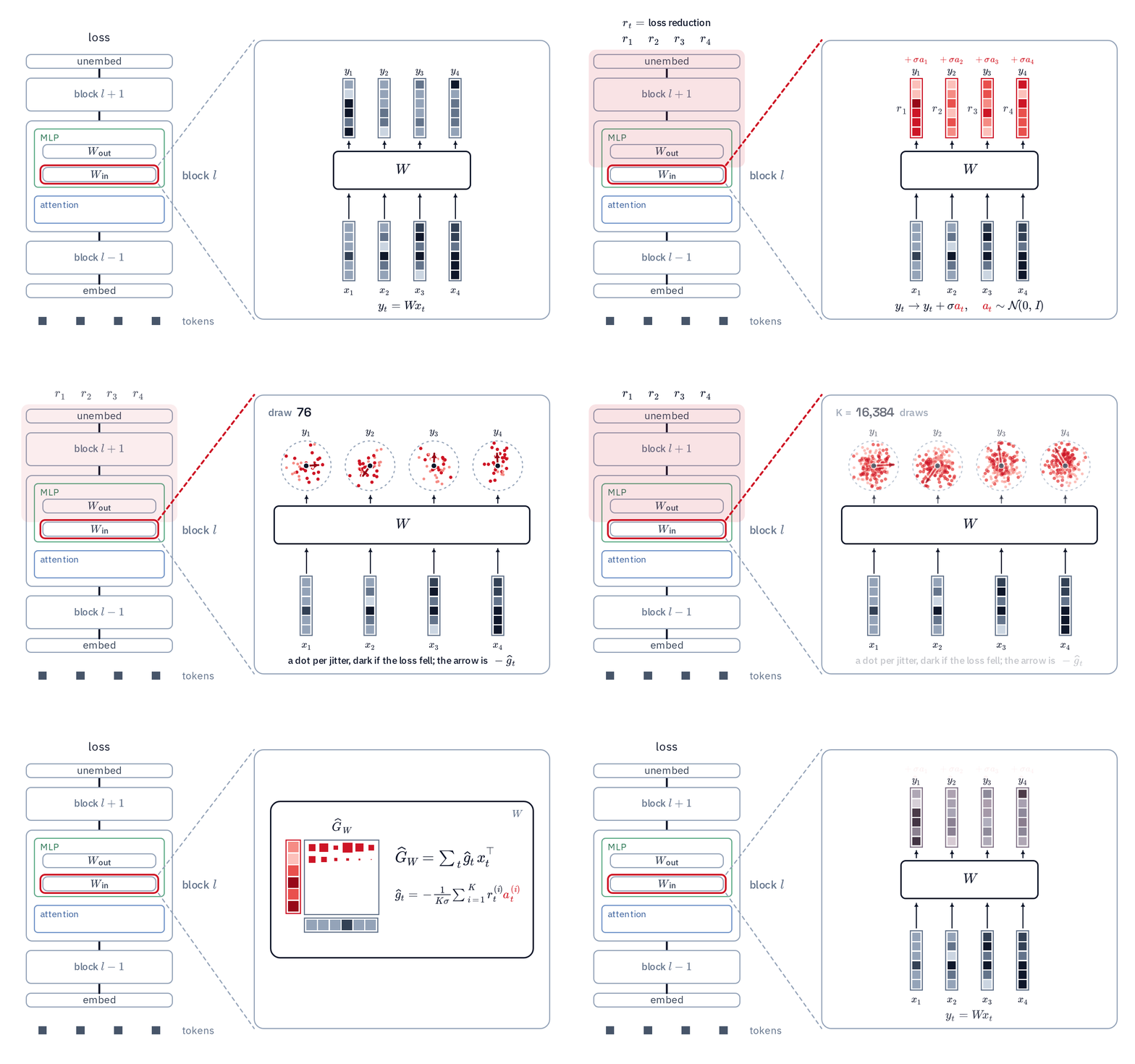 How Dust perturbs activations
across token positions in a single forward pass. Image: QLabs
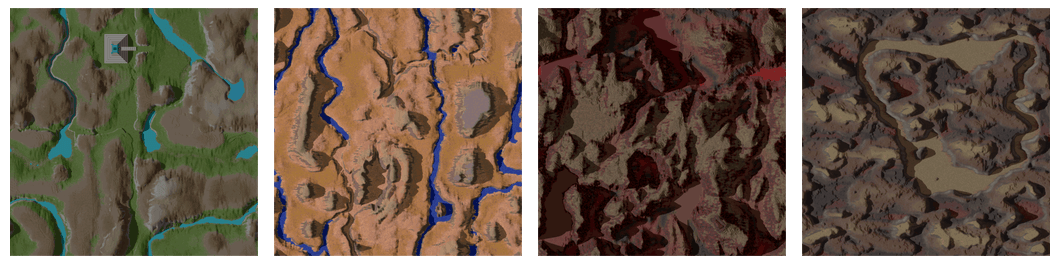 The four color maps from the
original 1992 Comanche, extracted from the obfuscated PCX files. Image:
Pikuma
 “Big Tech ruined the cloud, so
we’re renaming ours.” Image: Home Assistant
 hyprmosaic: per-workspace
wallpapers sliding mid-swipe in a 3×3 workspace grid. Image:
La5u/hyprmosaic