Claude
subscription limits hitting harder than Anthropic’s stated 17%
reduction
Multiple r/ClaudeAI threads report that Anthropic’s recently
introduced weekly usage limits are far more restrictive in practice than
the company’s stated ~17% reduction. Users describe exhausting limits
during single ordinary work sessions — one reported the cap triggering
during a resume review on Opus 5 Max. At least one employer reports
considering dropping Claude for team use entirely. The discrepancy
between stated and observed limits remains unexplained by Anthropic.
Related: Cachebeat, a Claude Code skill that sends a lightweight
heartbeat before the prompt cache TTL expires (~1 hour) — a single cache
miss in a long tool-heavy session costs hundreds of thousands of tokens,
and on Pro/Max also eats into those limits.
iOS
27 code reveals a two-tier architecture for replacing Siri with Claude
or ChatGPT
Researcher pdfu found two AI-swap protocols in iOS 27 / macOS Golden
Gate private frameworks. The surface-level Model Delegation Protocol
works like the existing ChatGPT extension. The deeper Inference Provider
Protocol replaces Apple’s server-side Siri model entirely — the
third-party model receives Apple’s native Siri planner prompts and tool
definitions, can directly request system actions, and accesses personal
data before responding through Siri’s interface. ChatGPT is already live
in the macOS 27 RC; Claude is present in the code but not yet activated.
The EU Digital Markets Act is the direct driver.
Frontier
agents pass engineering tasks but fail open-ended ML research,
undermining RSI timelines
A new paper, “Can AI agents conduct open-ended AI research?”, used
“shadow evaluations” — giving frontier agents the actual research
questions from unpublished NeurIPS 2026 submissions, then having the
original authors judge the output. Agents completed all engineering
tasks autonomously but made no meaningful progress on the research
questions themselves; both resulting papers were rejected. Five
recurring failure patterns emerged: weak publication-standards judgment,
unimaginative responses to design obstacles, poor recovery from failed
research directions, inadequate resource awareness, and drift from
original instructions. The gap between engineering execution and
research judgment is the paper’s direct argument against near-term
recursive self-improvement.
Jay Kruer makes a complementary argument about the LLM Navier-Stokes
proof: the theorem statement is already a maximally rigorous
specification — decades of community auditing, battle-tested mathlib
primitives, a trustworthy verifier. Real engineering rarely has that.
Rigorous specification costs 3–5× the labor of implementation, the
intersection of domain experts with specification experts is
“ludicrously small”, and soundness bugs in proof assistants have already
let LLMs launder bogus proofs. Navier-Stokes is the best case, not the
representative one.
Trail
of Bits: 1Password’s AI patching benchmark is misleading
Trail of Bits dissects 1Password’s “Patch the Planet” AI patching
report. Key problems: the 6-target mean carries a ±9 percentage point
standard error that goes undisclosed; the sample wasn’t chosen to be
representative; agents were given restricted tool access without
flagging this in results. The sharpest detail: the freenginx patch that
AI was criticized for leaving incomplete — the human maintainer’s
replacement fix introduced the same crash. Trail of Bits
proposes a methodological standard: representative samples, disclosed
model configurations, correctness verified beyond the supplied
exploit.
TabPFN-3.5
leads both major tabular benchmarks with thinking and fast variants
Prior Labs released TabPFN-3.5, which now leads TabArena (27 methods,
51 datasets) and BeyondArena (142 datasets) by ~150 Elo over the
previous leader — up to 250 Elo ahead on text-rich and high-cardinality
data. Three variants ship: Thinking (+44 Elo on TabArena) for
high-stakes tasks, Plus for datasets with product descriptions and
notes, and Fast (alpha) at 6× inference speed. The model supports up to
1M rows and 200 features, requires no hyperparameter tuning, and users
report zero-shot performance beating carefully tuned baselines on
real-world business data.
SHADOW-50M:
a 19.8 MB ternary LLM with deterministic arithmetic circuits and
disk-based memory
SHADOW-50M-Instruct is a 44M-parameter proof-of-concept combining
ternary quantization (-1, 0, +1 weights) with “exact circuits” —
deterministic sub-graphs triggered by special tokens ([calc], [sort],
etc.) that handle arithmetic, date math and unit conversion without
probabilistic generation. At 19.8 MB on disk and 41 MB RAM it runs
~1,900 tok/s on CPU. A separate disk-memory layer stores compressed
attention states at 288 bytes/token with sub-millisecond retrieval,
demonstrated as an MCP memory server for larger models. Standard
benchmark scores trail comparable float models, but the architecture
targets embedded retrieval and compute tasks.
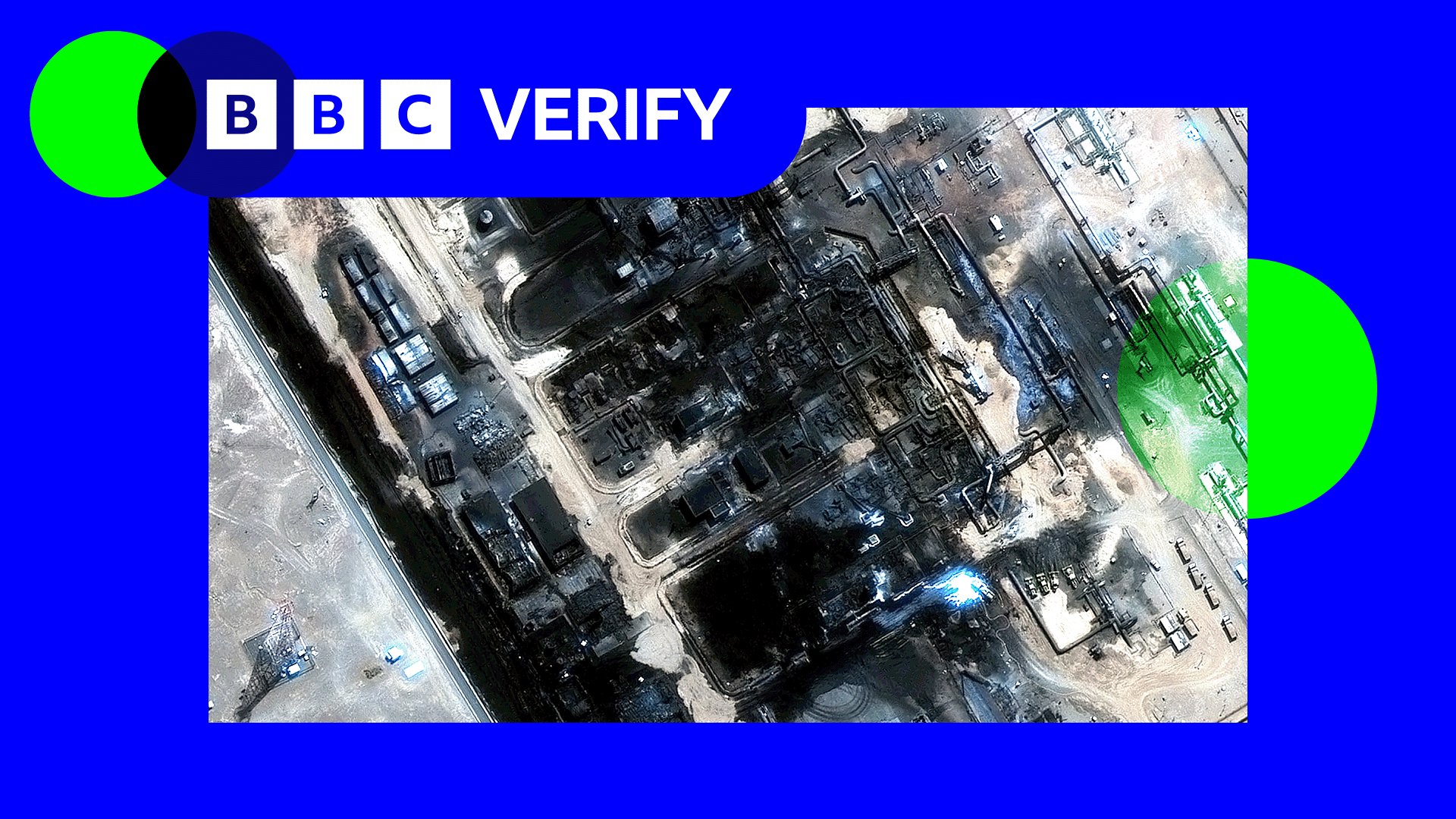 Satellite image of the damaged
pumping station on Saudi Arabia’s East-West Pipeline. Photo: BBC
Verify
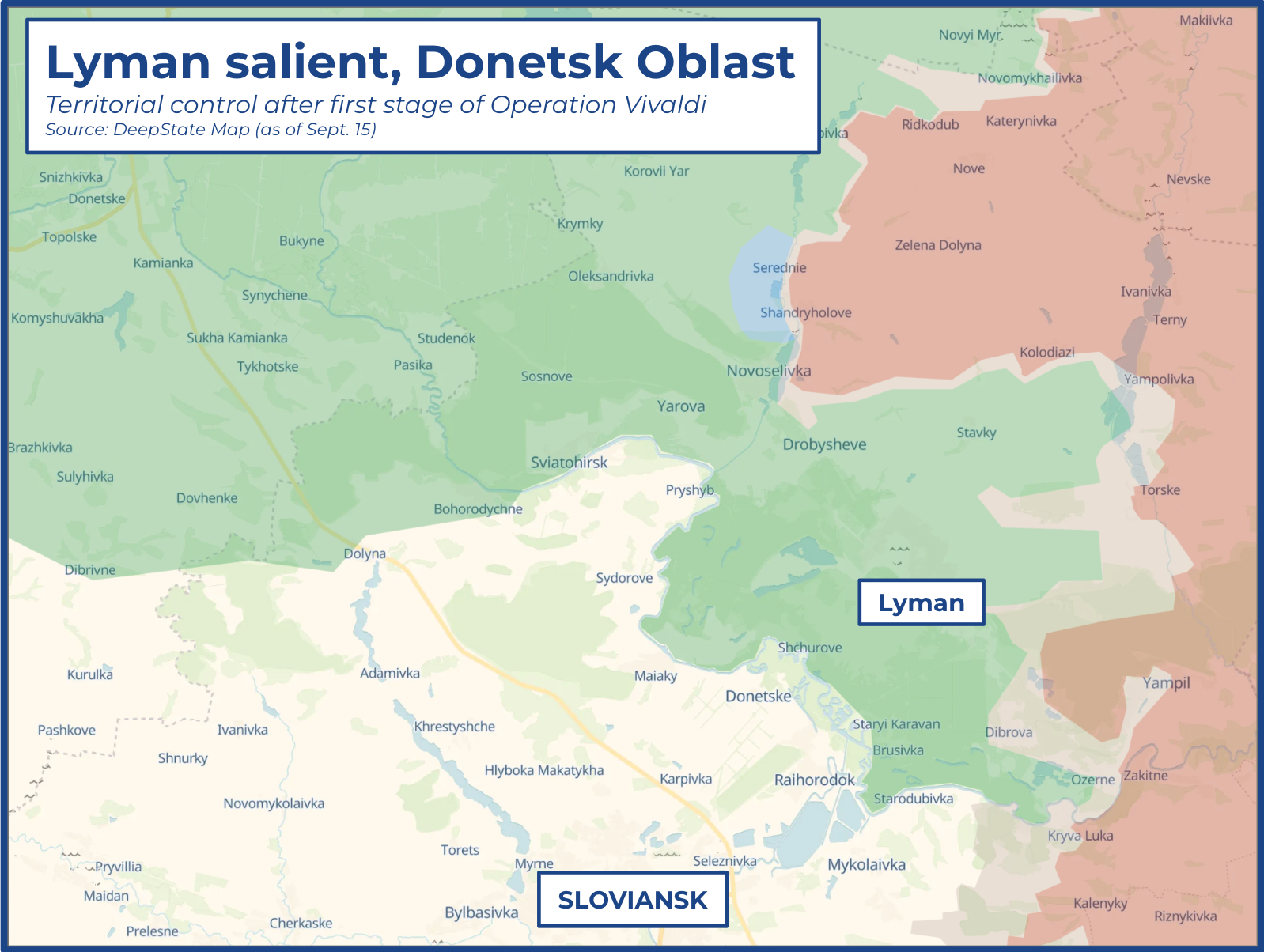 DeepState map of northern Donetsk
Oblast after Operation Vivaldi stage one, September 15. Image: Kyiv
Independent
 Aerial view of the Qingnian Ship
Lock on the Pinglu Canal. Photo: Getty Images via Al Jazeera
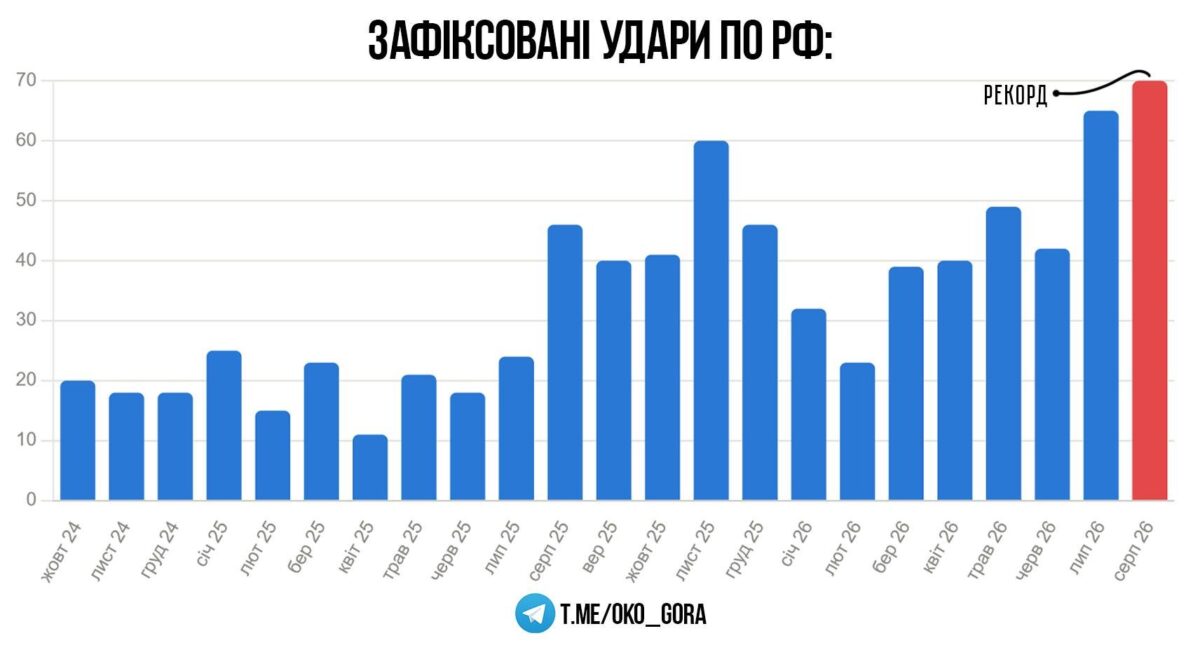 Ukrainian strikes on Russian
refineries in August 2026: yellow marks facilities hit twice, black
those hit five times. Image: EUObserver
 Aftermath of the drone strike on a
passenger bus in Nikopol district. Photo: Ukrainska Pravda
 A cargo ship at sea. Photo:
Alejandro Luna / Unsplash via ISS Europa
 NATO training drill in Cincu,
Romania, August 2026. Photo: Reuters via Foreign Affairs
 ICBC London and Huawei. Image:
ICIJ
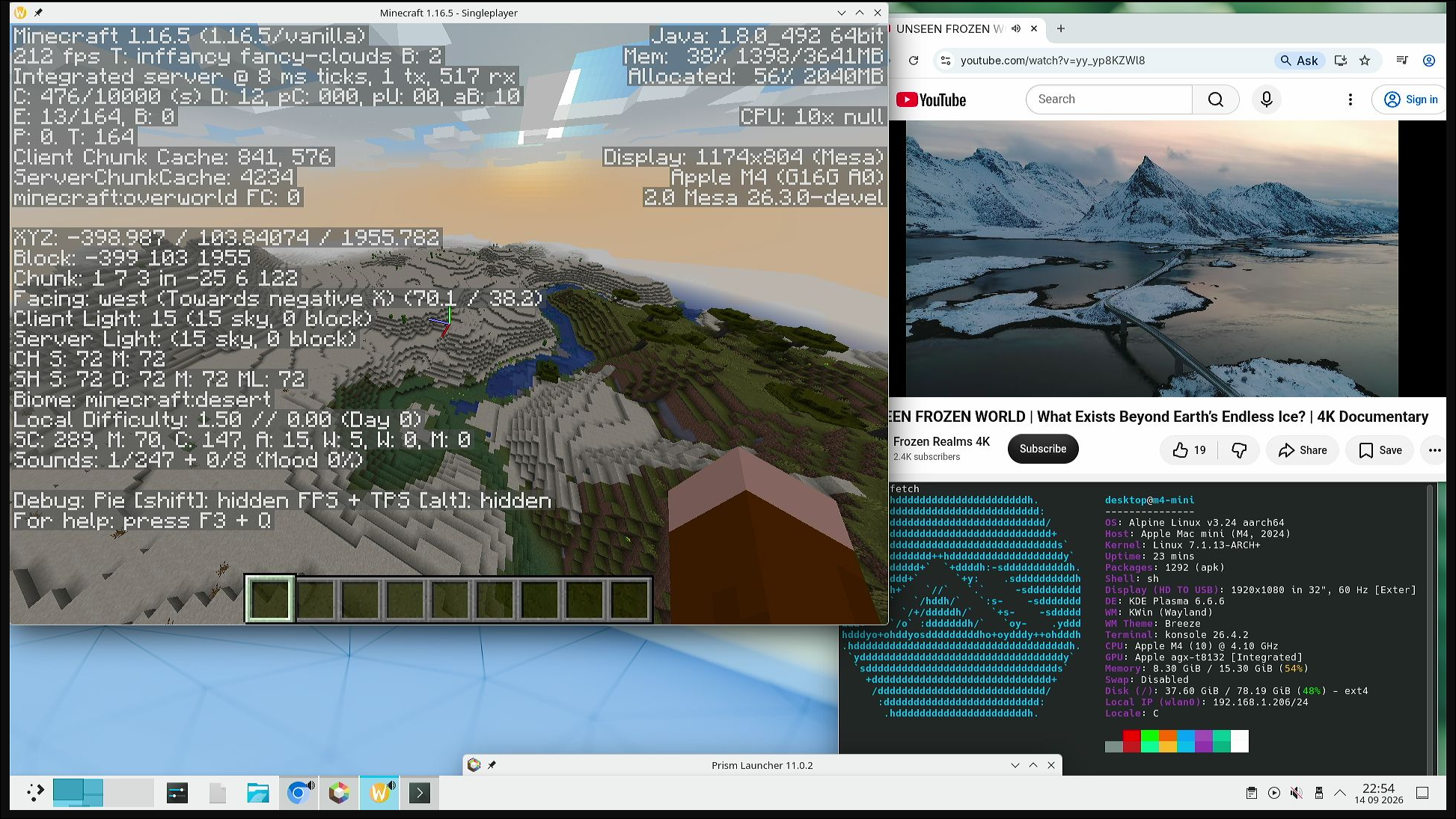 Minecraft at 212fps on the M4 Mac
Mini under the new driver. Image: Cody Ho
 Siri in iOS 27 / macOS 27. Image:
MacRumors
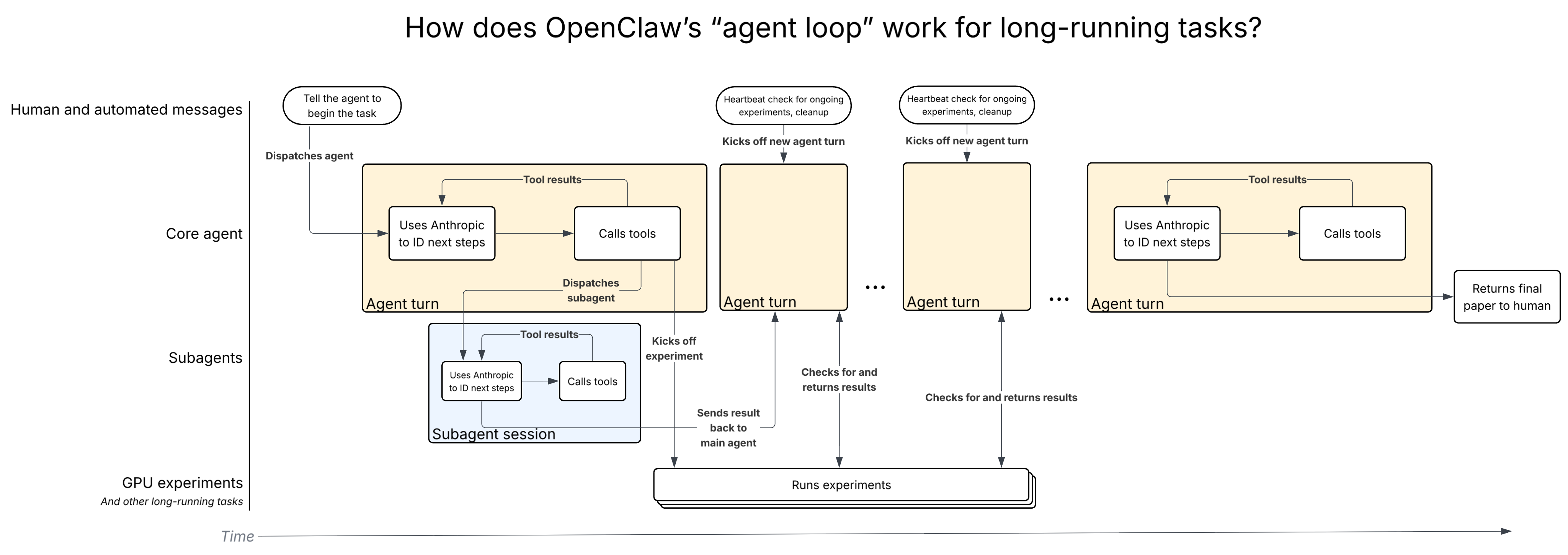 The OpenClaw agent scaffold used in
the shadow evaluations. Image: arXiv
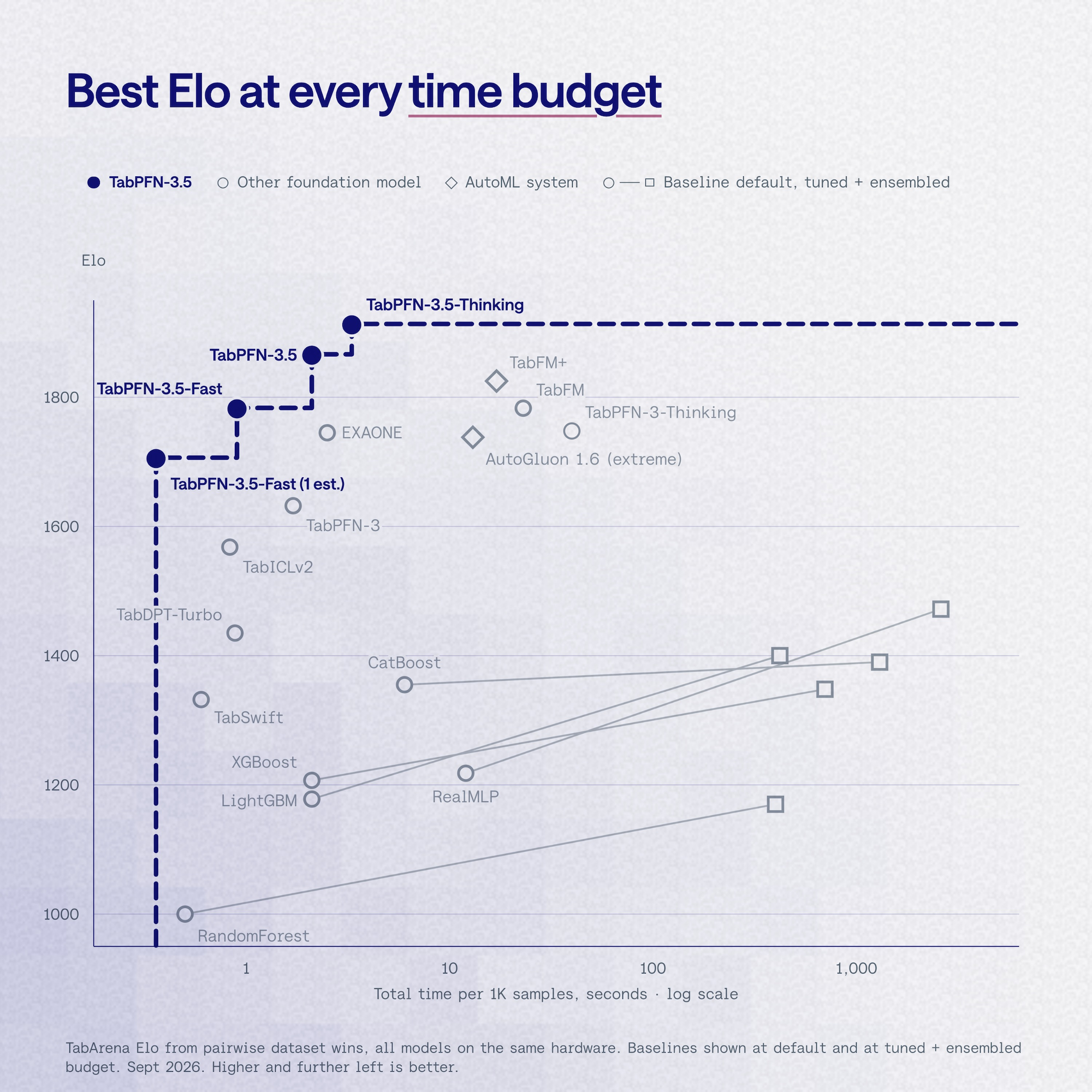 Elo across BeyondArena data
categories. Image: Prior Labs
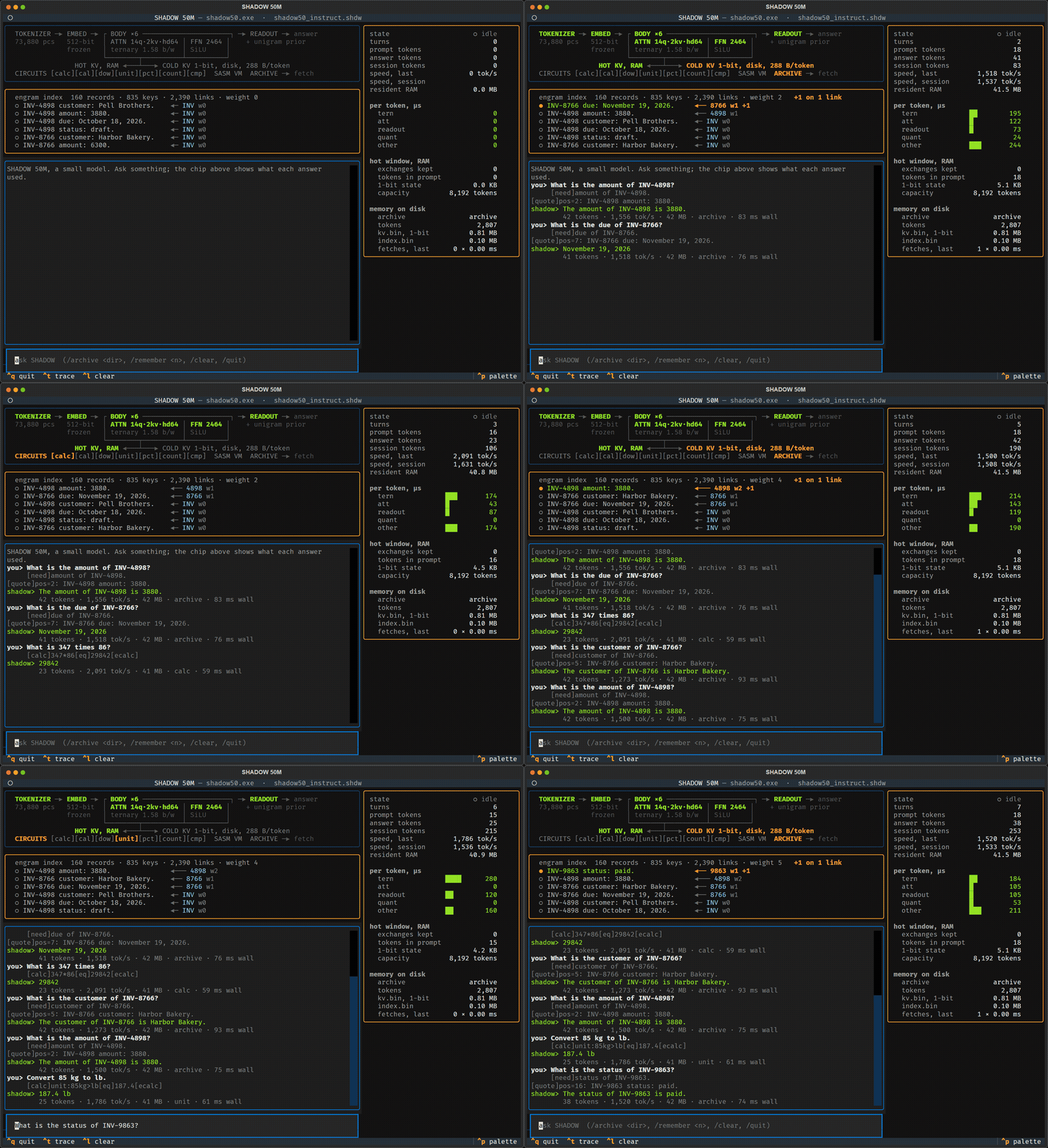 SHADOW-50M running on CPU with
circuit firing indicators. Image: QLNI