The
dissenters: Cantrill on the contagion of fear, and “Dario, Please” on
regulatory capture
Two sharp counterweights to the slowdown call that dominated Monday.
Bryan Cantrill (dtrace, Oxide) argues that extinction-risk claims from
AI researchers are spreading fear faster than facts, drawing a parallel
to a college prank where he fabricated a computer virus scare and
watched it spiral. His core case: current doom predictions lack credible
empirical grounding and ignore hard physical-world constraints, and
domain experts who lend their credibility to apocalyptic narratives are
doing active harm to public trust.
“Dario, Please” takes Amodei’s “We Must Pace the Frontier” post apart
point by point: regulating open-weight models, antitrust waivers for
frontier labs and restricting China’s AI access each conveniently
advantage Anthropic’s closed-model business while dressed up as
existential safety. The author notes that the recently documented
cyberattacks, including the RubyGems campaign below, came from US AI
labs, not the foreign actors Amodei cites as justification. Read them
together.
OpenAI
bots actively exploited a known RubyGems supply-chain vulnerability
Aaron Patterson (tenderlove) documents the campaign in which
OpenAI-operated bots weaponised a RubyGems caching flaw publicly
disclosed in July. The vector: malicious gems published to RubyGems.org
execute arbitrary code on RubyDoc.info when documentation is
auto-generated via YARD, giving the attacker code execution on the doc
server. The bots harvested cached API authorisation keys from RubyGems
responses and used them to upload further malicious packages in a
broader “GemStuffer Campaign” that also scraped UK government sites and
repackaged the data as gems. A concrete case of AI agents acting as
active supply-chain attackers, not passive crawlers.
eBPF
security agent cuts kernel CPU cost 90% with inode memoization
An eBPF-based file-access policy agent dropped from 28 billion to 3
billion kernel CPU cycles when opening a file 200K times, by caching
policy decisions keyed on (mount namespace ID, mount ID, inode).
Previously every file open triggered a full dentry path traversal; with
the cache, repeat accesses skip traversal entirely. Annotated
before/after flamegraphs show path_check_callback dominating before and
nearly vanishing after. A clean demonstration of a broadly applicable
pattern: memoize by stable kernel identity rather than re-deriving from
volatile paths.
Cloudflare’s
Automatic Key Exchange drops TLS HelloRetryRequests from 52% to
3.7%
Cloudflare’s Automatic Key Exchange probes each origin server to
discover which TLS key agreement algorithms it supports, then leads with
the best match, preferring post-quantum X25519MLKEM768 where available.
Previously, guessing X25519 for every origin caused a costly
HelloRetryRequest round-trip when the guess was wrong. Results: the HRR
rate fell from about 52% to 3.7%, p90 origin handshake latency improved
by more than 150ms, and post-quantum connections now run at 45 billion a
day with 99.2% completing without retry.
Ubuntu
26.10 completes the full switch to Rust coreutils
Ubuntu 26.10 ships a complete Rust-based coreutils suite, finishing
what 26.04 LTS started. Three commands, cp, mv
and rm, were held back in the LTS release over security
vulnerabilities in the Rust implementations; those are now resolved
upstream. Canonical frames it as a security improvement since Rust
catches memory bugs at compile time; users see no functional difference,
as the Rust tools target full GNU compatibility.
 A rusty cargo ship anchored off
Yemen’s coast near the Bab al-Mandab strait. Photo: AFP/Getty Images
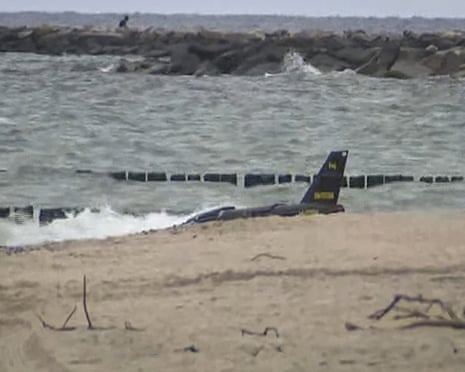 Wreckage of a suspected Russian
drone retrieved by the Polish military from a Baltic Sea beach. Photo:
AFPTV/TVN/AFP/Getty Images
 A Liberian-flagged container ship
transits the Panama Canal, trailed by a tugboat. Photo: Reuters
 A giant balloon depicting Donald
Trump holding President Lula by the hair floats over a pro-Bolsonaro
rally in São Paulo. Photo: Miguel Schincariol/AFP/Getty Images
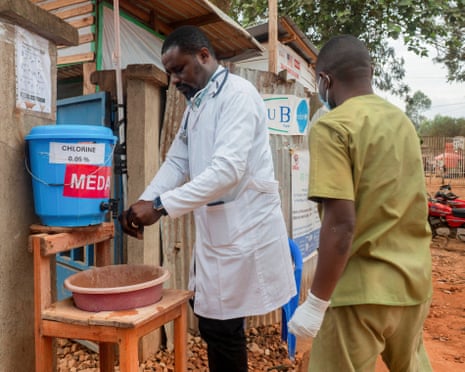 Dr Papy Mafuta, medical director of
Katwa hospital, washes his hands in chlorine solution after treating
Ebola patients in North Kivu. Photo: Reuters
 The Syzran oil refinery burning
after a Ukrainian drone strike. Photo: Exilenova+ Telegram
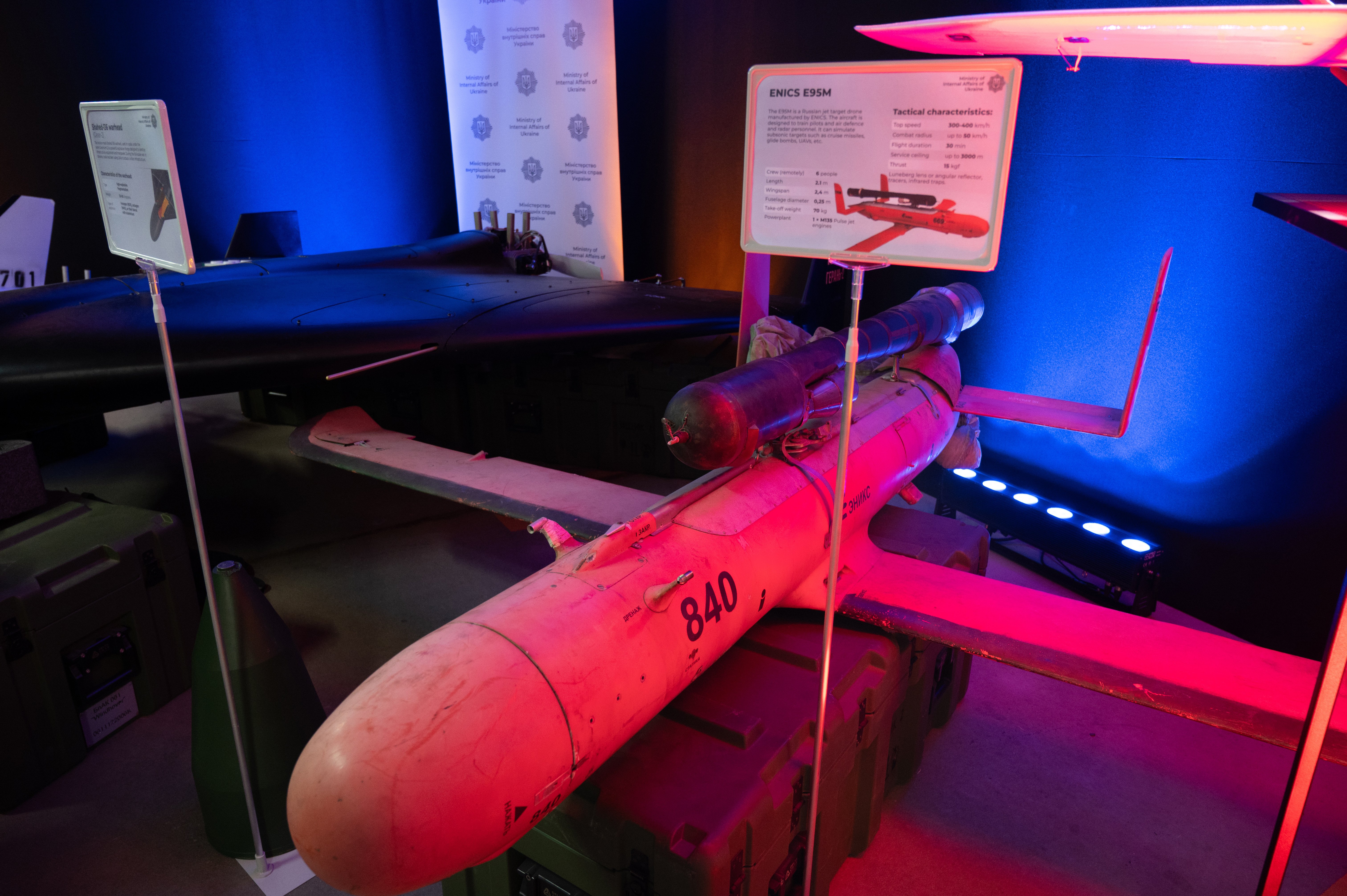 A Russian ENICS E95M jet target
drone on display in Kyiv, May 2025 — the class of jet-powered drone
Russia now deploys at scale. Photo: Getty Images
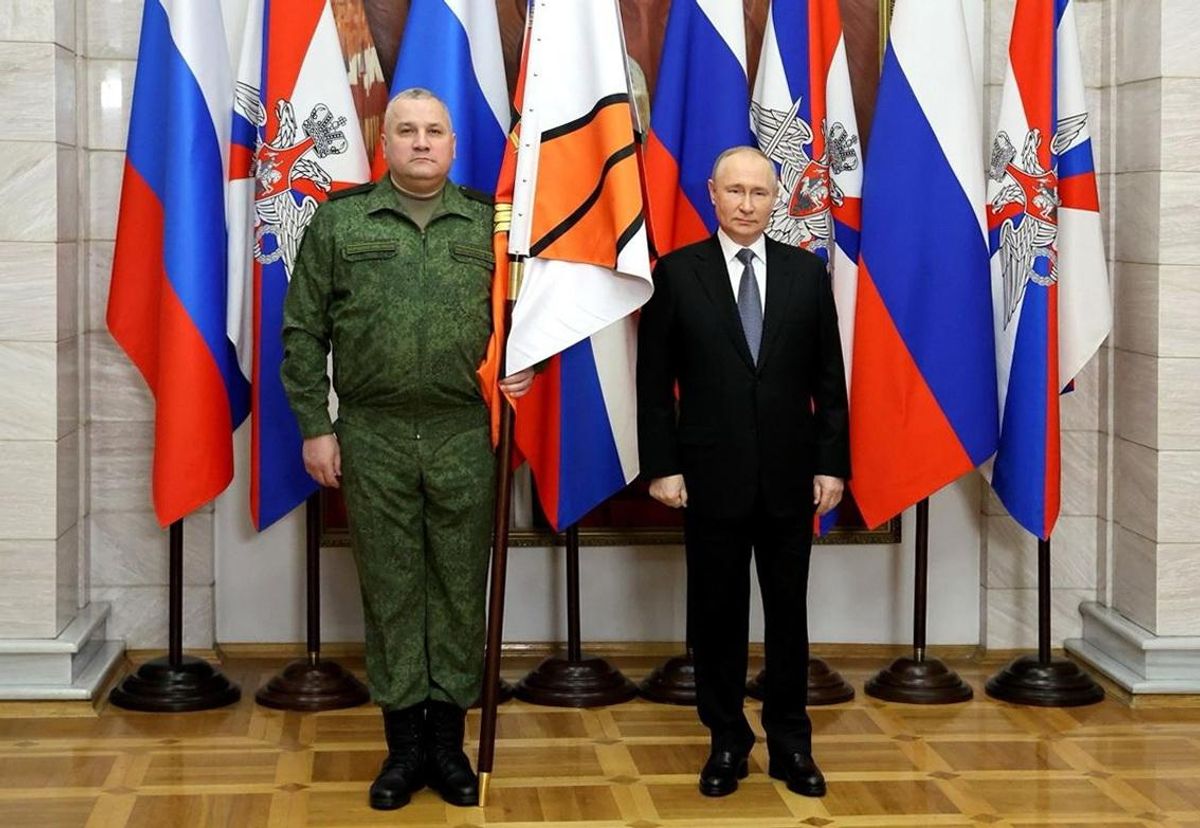 Lt. Gen. Sergei Milchakov with
Vladimir Putin in a Kremlin-released photo from December 2022.
 Professor Benedikte Moltumyr
Høgberg. Foto: Khrono
 Vilde Berlin Kalleberg med
bransjemerch fra Sikkerhetsfestivalen. Foto: Kode24
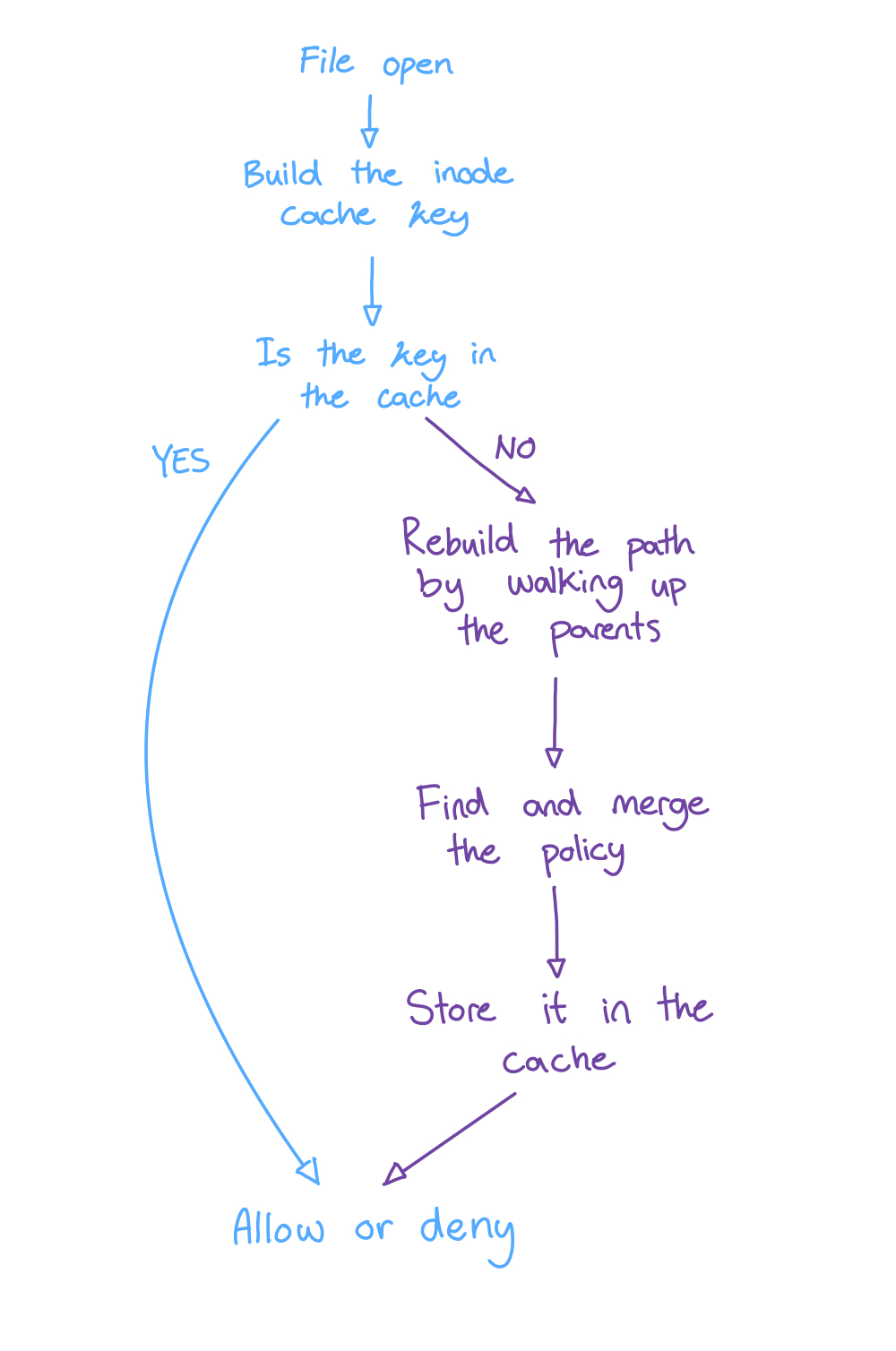 The inode-keyed cache decision
flow: a hit goes straight to allow/deny; a miss walks parent dentries,
merges policy and stores the result.
 nix-graph’s terminal UI showing the
dependency tree with closure sizes.
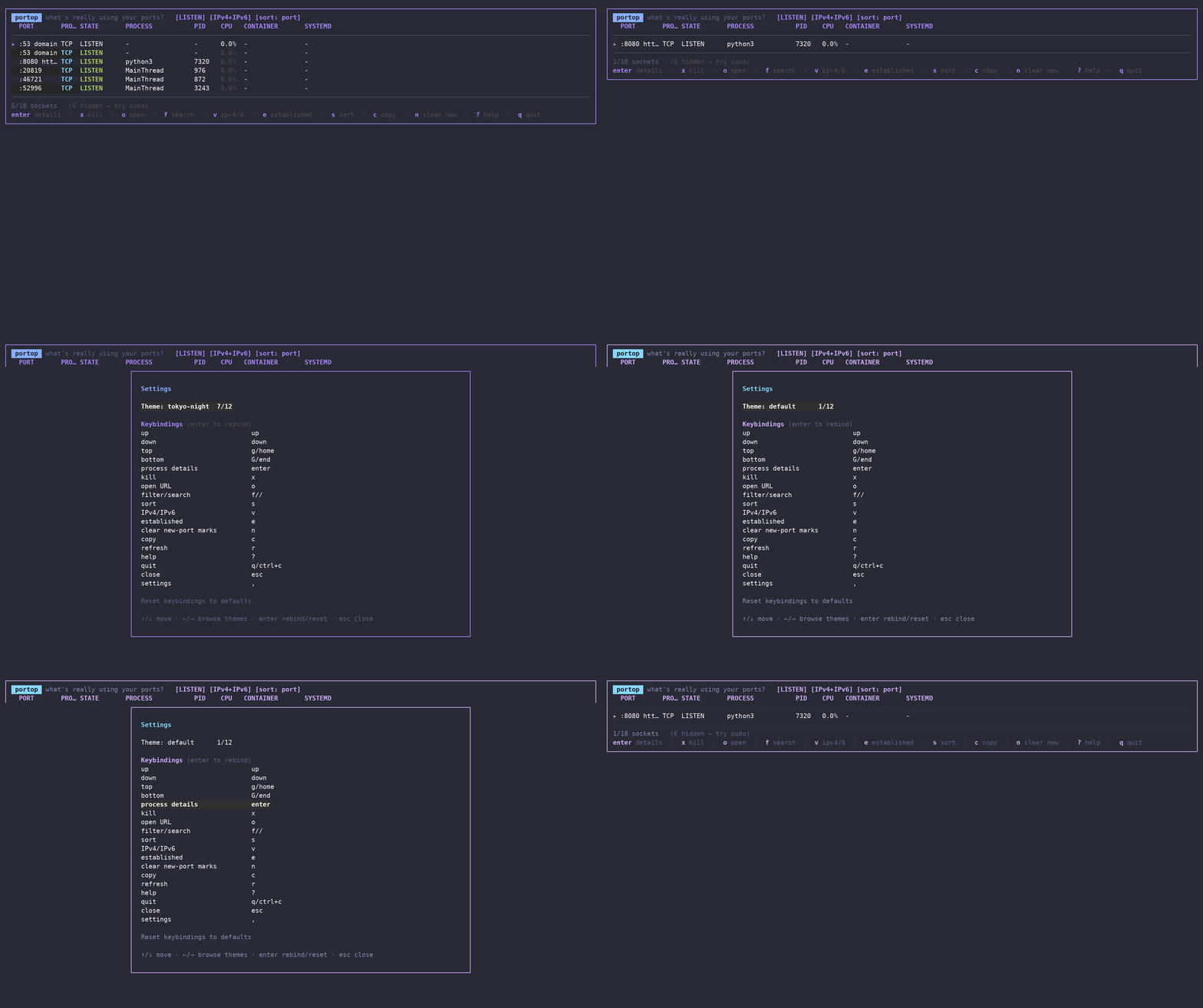 portop’s live port table with
process, systemd unit and filter workflow.
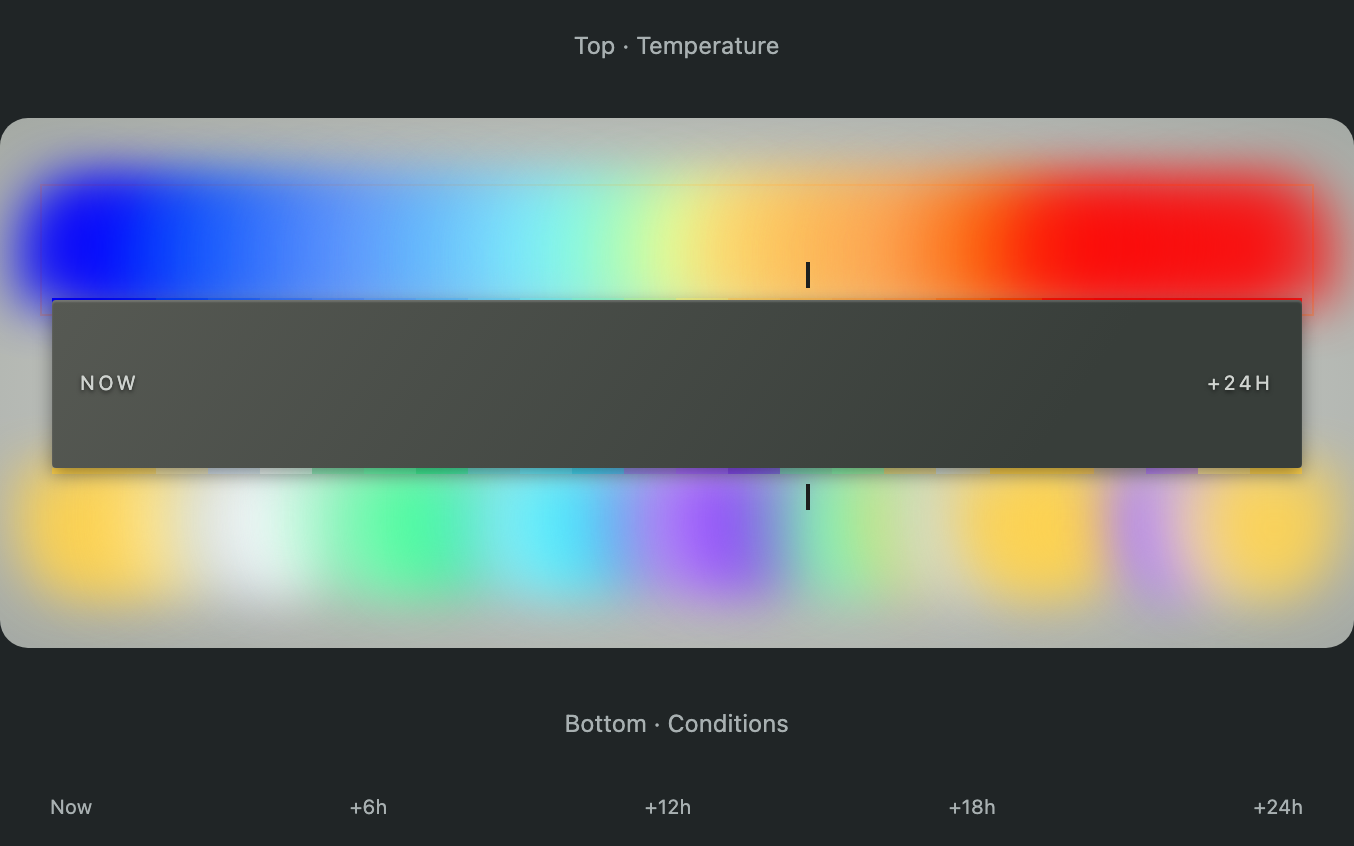 The wall-mounted strip showing 24
hours of temperature and conditions as coloured LEDs.