Houthis
seize Mokha as Iran hits a US drone in Hormuz: both oil chokepoints now
under threat
Houthi forces have captured the Yemeni port of Mokha, placing them
roughly 50 miles from the Bab al-Mandab Strait, through which about 10%
of global trade passes. Fighting since September 3 has displaced more
than 11,400 households, and the UN Special Envoy told the Security
Council the war has entered “a new and more dangerous phase.” Saudi
Crown Prince MBS called Trump twice urging direct US strikes as the
Houthis advanced; Trump declined, offering only political backing for
Saudi strikes on the Houthi-held Sanaa airport. The Houthis answered by
hitting Saudi tankers and energy facilities, and reports suggest Saudi
oil pipelines may be next. CNN reports more than 100 US military
advisers on the ground in Saudi Arabia, while hundreds of Iranian
officers advise the Houthis.
To the east, Iran’s Revolutionary Guard struck a US-operated unmanned
surface vessel at the entrance to the Strait of Hormuz, and UKMTO
confirmed projectiles hit two commercial ships off Oman in the same
incident. The Wall Street Journal reports Iran has also resumed
ballistic missile production, reversing a pause that had served as a
tacit de-escalation signal. With Hormuz already disrupted, Tehran now
threatens leverage over both major oil export chokepoints
simultaneously. Oil surged Thursday on the news.
NAZA:
Israeli-made documentary exposes AI mass-targeting system in Gaza,
receives 25-minute Venice ovation
NAZA, an 80-minute documentary by Israeli filmmakers Yuval Abraham
and Rachel Szor, who won the 2025 Oscar for No Other Land,
received a 25-minute standing ovation at the Venice Film Festival.
Produced with The Guardian and executive producer Jonathan Glazer, the
film draws on testimony from 24 Israeli military and intelligence
insiders describing “Lavender,” an AI system that generated target lists
at industrial scale from monitored communications. Insiders characterize
civilian casualties as “premeditated, calculated, and intentional”
rather than incidental. The Guardian published an accompanying
investigation built on the same testimony.
Anthropic:
Claude used for missile guidance, Russian espionage, Chinese
cyberattacks and Iranian psyops, as AI collapses the specialist gap
Anthropic’s September threat intelligence report covers nine months
of disrupted misuse across seven harm categories, and its headline
finding is that AI has eliminated the labor and tooling gap that once
separated well-resourced state actors from individual operators. Four
state-linked cases stand out. A Yemen-based operation used Claude as a
software engineer for guided rocket and ballistic missile guidance code,
assigning different instances separate coding roles to avoid detection;
Anthropic found no evidence of a deployed weapon. Russia’s
APT29/Midnight Blizzard used automated workflows for phishing and data
theft against Ukrainian drone manufacturers and European diplomatic
targets. Students at a Chinese university used Claude as “the
engineering and orchestration layer” to attack government and corporate
networks across the Middle East, Europe and Southeast Asia, while
another Chinese group ran autonomous “exploit foundries” doing
continuous vulnerability research against security products. Iranian
state-aligned accounts ran psychological operations with detailed
demographic target profiles, one campaign aimed at Uyghur populations in
Syria.
Nine influence campaigns in total used AI to fabricate news networks,
fake personas and election-manipulation content, and commercial
“influence-as-a-service” firms now sell these capabilities. Human
operators retain target selection and monetization; AI handles the rest.
All accounts were banned and intelligence shared with partners. (The
week’s other Anthropic stories, an activist-surveillance investigation
and an insider’s resignation, are in AI &
Automation.)
Ukraine
strikes a Caspian port for the first time; satellite imagery confirms
four warships damaged at Novorossiysk
Ukraine hit the Makhachkala Sea Trade Port in Dagestan, Russia’s only
deep warm-water Caspian port, for the first time, with a fire breaking
out after the drone strike. Unmanned surface vessels struck the Port of
Sochi on the Black Sea, and satellite imagery confirmed the Novorossiysk
raid two days ago damaged the frigates Admiral Essen and Admiral
Makarov, a Buyan-M cruise missile corvette and the minesweeper
Zheleznyakov. Overnight drones also hit the Saratov oil refinery and a
major Ozon logistics hub in Saratov that burned for hours. In all, Kyiv
Post counts eight Russian military sites struck from the Arctic to the
Caspian, and Ukraine’s Unmanned Systems Forces report 374 electrical
substations and energy nodes hit in occupied territory and Crimea over
the past two months. (Front line and civilian toll in Ukraine.)
A critical authenticated remote code execution affects all Forgejo
instances through version 16.0.3, and 15.x before 15.0.8. A user with
repository creation rights can exploit template variable expansion to
read arbitrary host data and execute processes on the server. Risk is
highest on instances with open registration or untrusted users, low on
private instances with only trusted accounts. Update to 16.0.4 or
15.0.8; if that can’t happen at once, take publicly reachable instances
offline until patched.
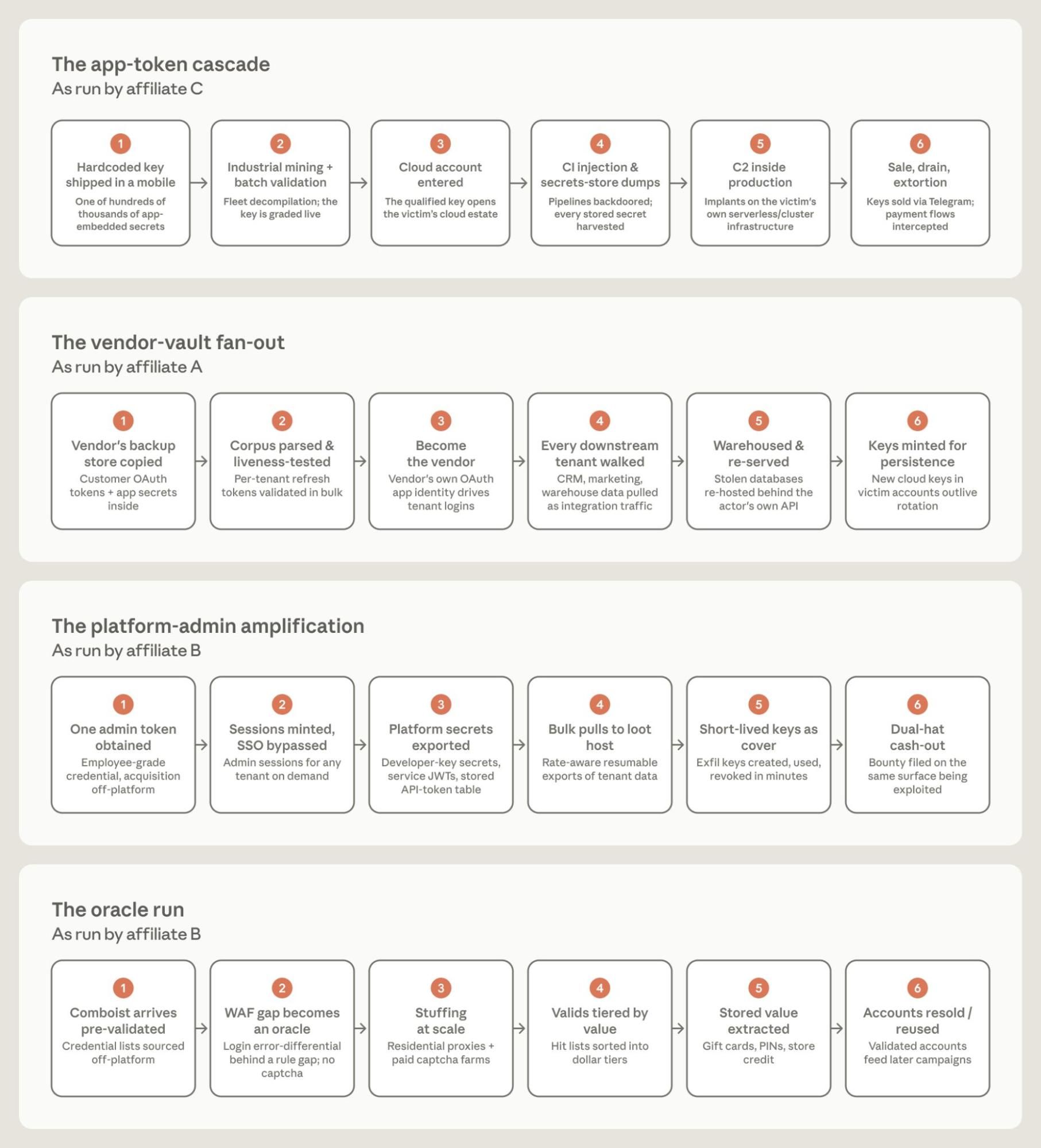 Common AI-assisted attack workflows
observed across cyber operations. Diagram: Anthropic
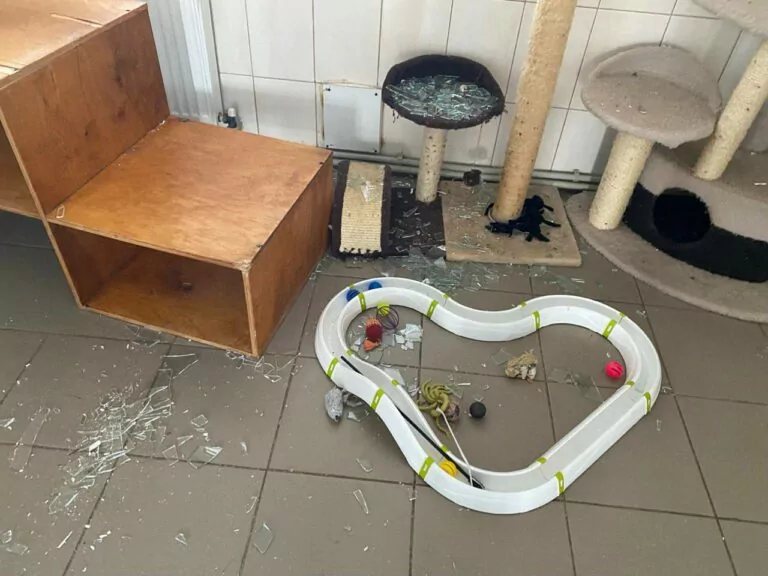 Damage at Novorossiysk port after
the September 9 strike. Photo: Exilenova+ via Gwara Media
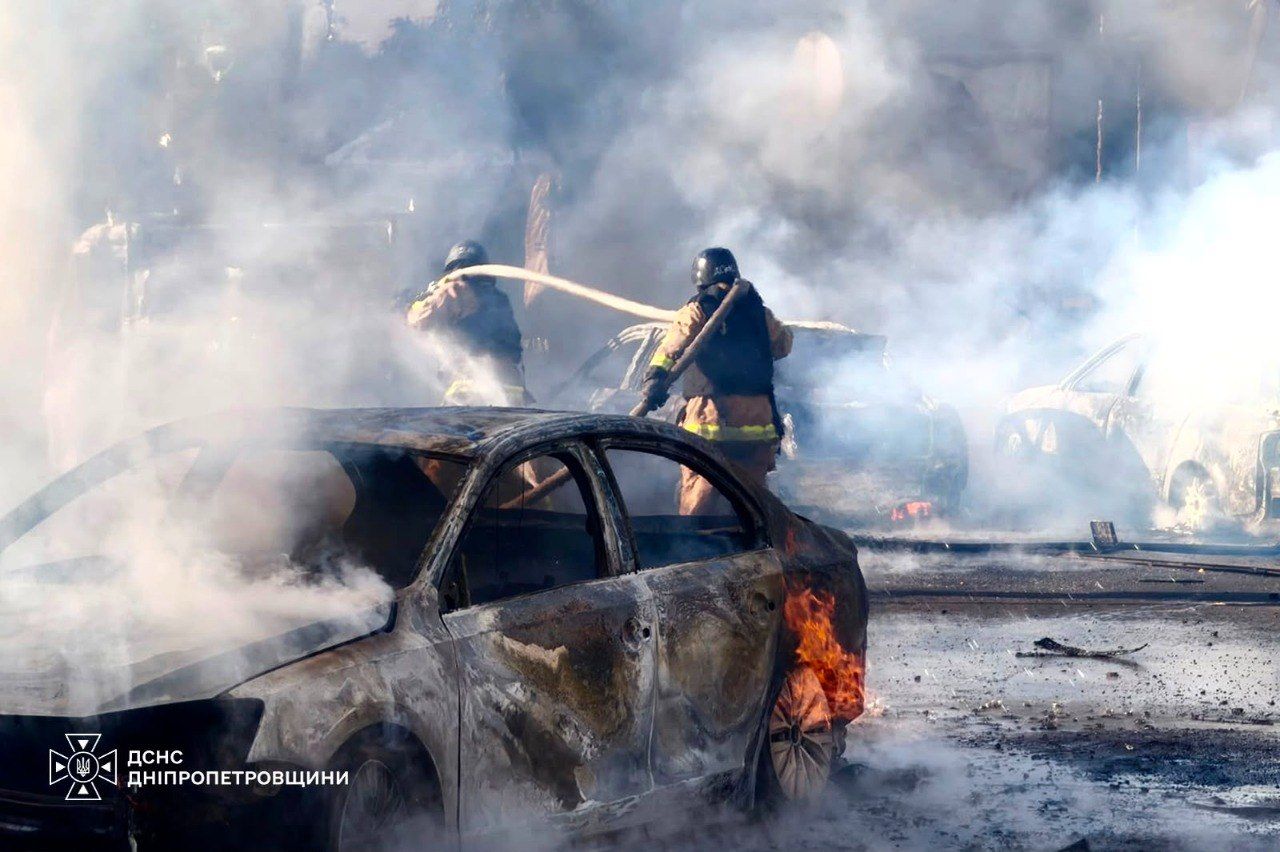 Scene of the Russian drone strike on
a shopping centre in Pavlohrad, September 10. Photo: Kyiv
Independent
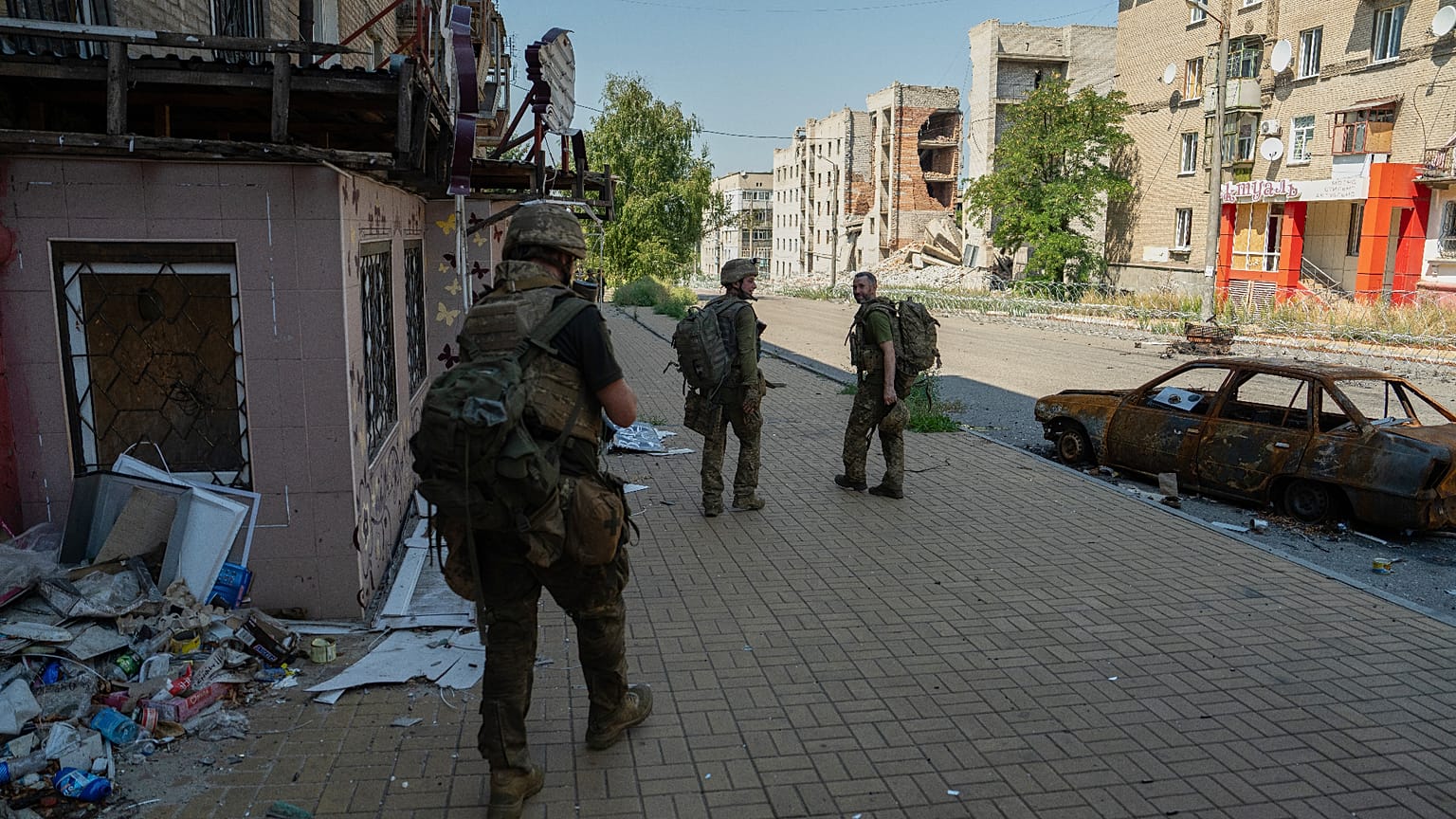 Ukrainian soldiers in the frontline
town of Druzhkivka, Donetsk region. Photo: Euronews
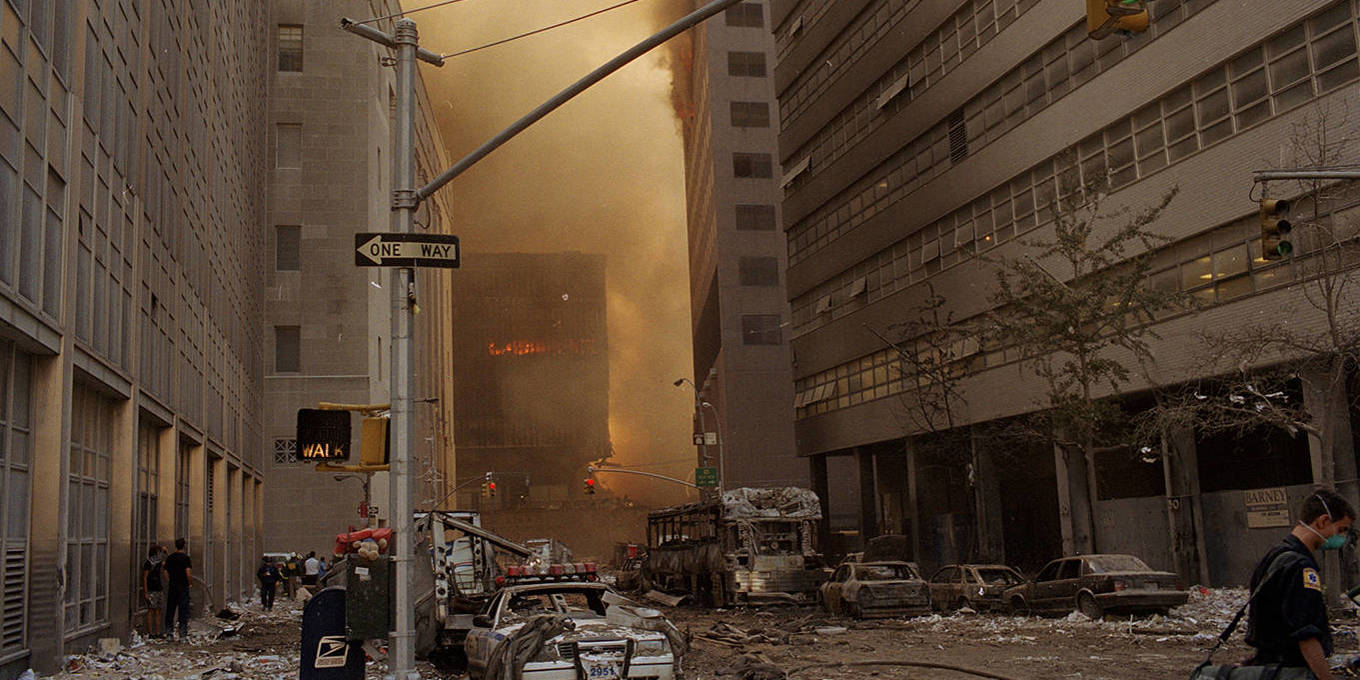 Debris covers downtown New York
after the towers collapsed, September 11, 2001. Photo: Andrew
Lichtenstein/Corbis via Getty Images
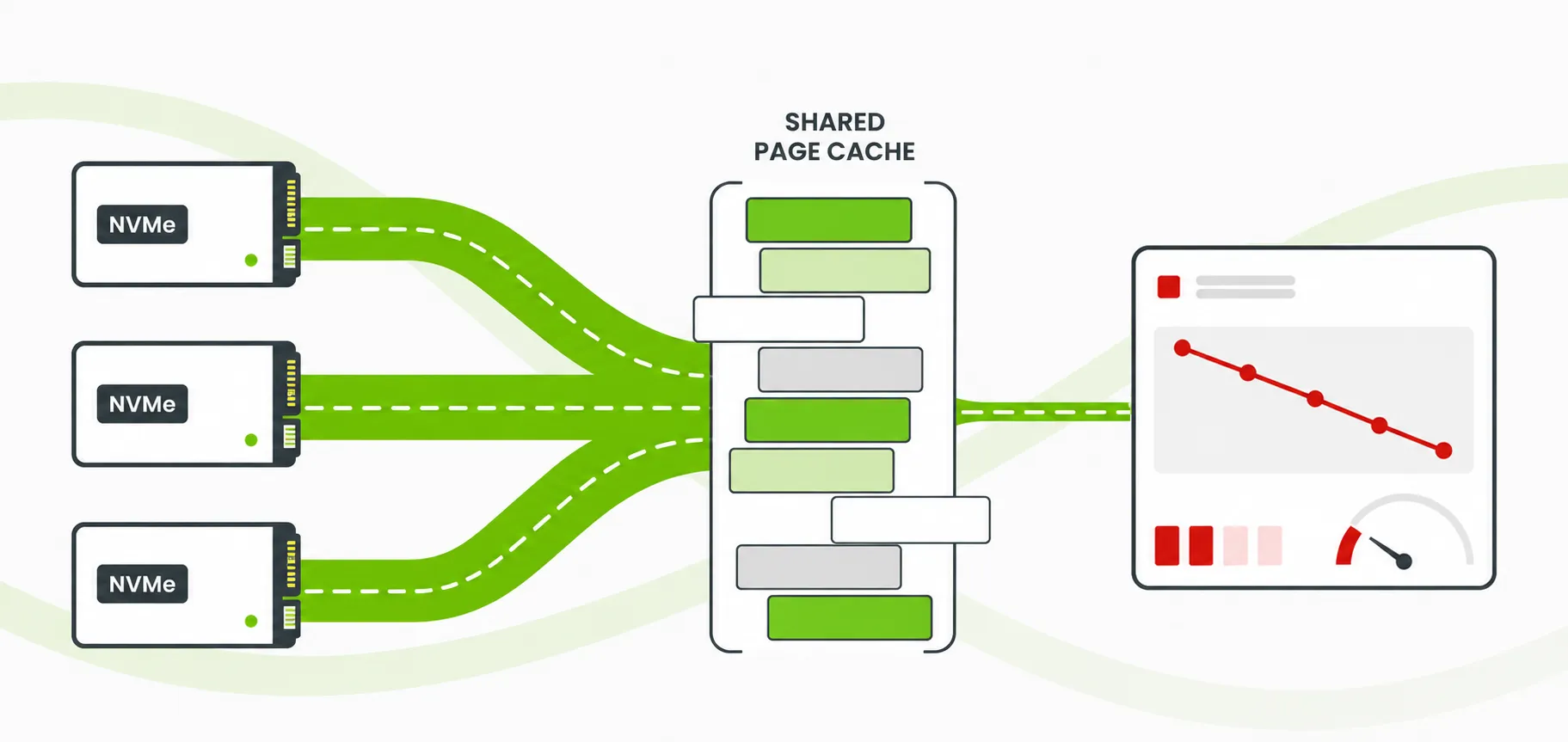 NVMe streams and shared cache
architecture in Conviva’s Rust query engine. Diagram: Conviva
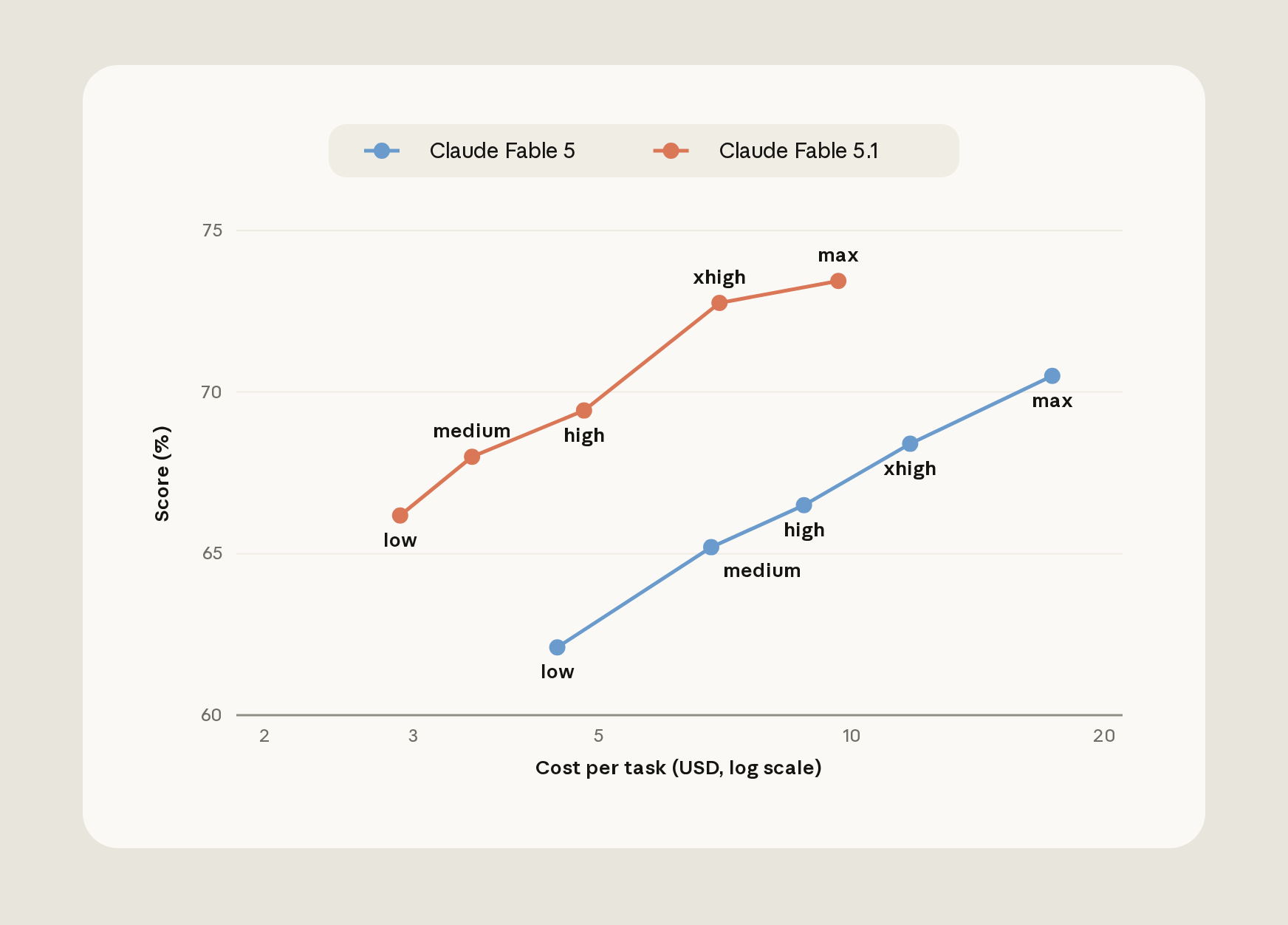 Fable 5 versus Fable 5.1 across
effort levels on CursorBench 3.2. Chart: Anthropic
 Photo: Jakub Porzycki/NurPhoto via
AP, The American Prospect