Drone
triggers Myla ammunition blast: 37 dead, most from adjacent elderly care
home
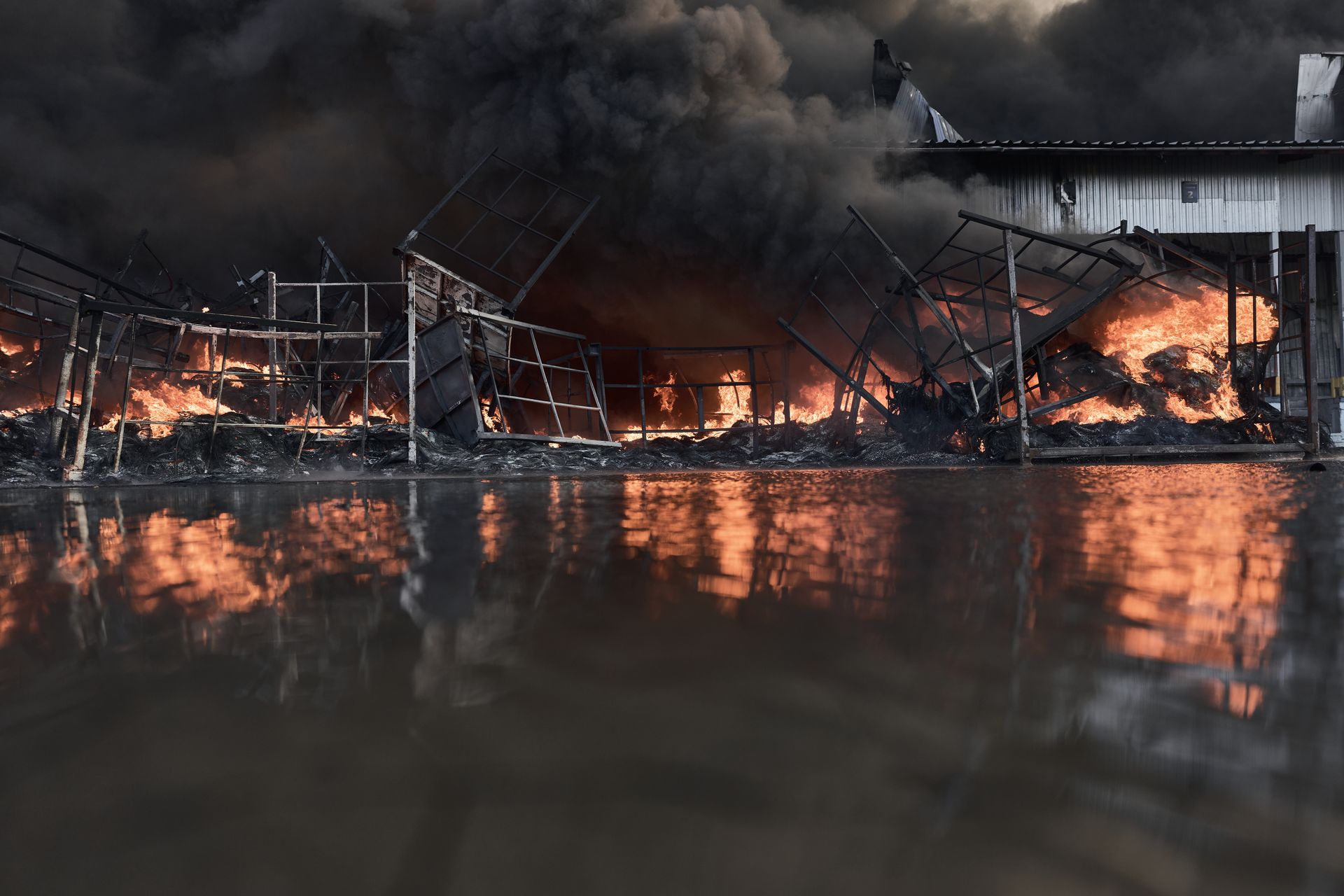
A Russian Geran-4 drone struck a Ukrainian ammunition depot in Myla
village (Bucha district, ~5 km west of Kyiv) on the evening of August
28, triggering hours of chain detonations — shells, mines, and drones —
that killed at least 37 people, wounded 42 including four children, and
damaged over 130 residential buildings. Most of the dead were residents
of an adjacent care facility for the elderly and disabled; the local
hromada head was killed in the rescue. Ukrainian prosecutors have opened
an investigation into why military munitions were stored so close to
civilian areas.
The strike was the culmination of a 28+ hour, 550+ munition barrage
against Kyiv — Russia’s third consecutive day of attacks — apparently
structured to exhaust Ukrainian air defenses before the heavier
follow-on strikes landed. It is one of the year’s deadliest single
strikes.
Ratcliffe
proposed a Trump–Putin–Zelensky summit in Moscow; Russia answers with an
ICBM test and a new Kyiv offensive plan
CIA Director John Ratcliffe traveled secretly to Moscow and proposed
a trilateral summit between Trump, Zelensky, and Putin to Russian
intelligence chiefs Naryshkin and Bortnikov — a format Putin had
previously rejected; Ukraine was briefed afterward. It is the most
direct US diplomatic push yet toward a negotiated end to the war. No
Kremlin response has been reported, and it is unclear whether Trump has
formally endorsed the idea.
Moscow’s answer, so far, has been kinetic. Ukrainian intelligence
warns Russia is planning a fresh offensive targeting Kyiv and Chernihiv,
and Moscow test-fired an intercontinental ballistic missile in the days
following Ratcliffe’s visit. Poland’s prime minister called the coming
six months “decisive”; Finland’s President Stubb struck a calmer note,
saying a direct Russian attack on a NATO member would “make no
sense.”
The manpower picture cuts the other way. Western officials now
estimate Russia is losing 6,000 more troops per month than it can
recruit, and Ukrainian brigades on the Lyman front report foreign
mercenaries — from Latin America, Africa, and Southeast Asia — have
risen to roughly 30% of Russian forces in that direction, even as Russia
keeps building up for anticipated offensive operations there. Meanwhile
more than 113,000 Russians have crossed into Georgia in recent weeks as
new mobilization rumors circulate, mirroring the exodus that followed
the 2022 partial mobilization.
Iceland
EU referendum: slim ‘Yes’ lead as counting continues
Iceland’s referendum on resuming EU membership talks closed Saturday
with early results showing a slim lead for the ‘Yes’ camp — too close to
call as counting continued through the night. The prime minister pledged
to honor the result. A ‘Yes’ win would open formal accession
negotiations for the first time, a potentially historic shift for a
country long ambivalent about EU integration.
Zaporizhzhia
plant without external power for 10 days; diesel reserves running
out
The IAEA reported August 29 that the Russian-occupied Zaporizhzhia
Nuclear Power Plant — Europe’s largest — has been without external power
for 10 consecutive days and has sufficient diesel generator fuel for
only approximately 10 more. It is the 27th such outage since the 2022
invasion. Loss of backup power would eliminate cooling for spent fuel
pools and reactor systems; IAEA officials have repeatedly warned that
prolonged diesel dependency raises the risk of a catastrophic incident,
and there is no resolution in sight.
Prompt
injection cracks Claude Code Opus 5 Auto Mode at 60–80% rate
Anthropic commissioned Trajectory Labs to test 72 indirect prompt
injection scenarios ten times each, reporting 0.00% attack success for
Opus 5 in Auto Mode — the new default that replaces human approval with
a safety classifier. Wunderwuzzi (Embrace the Red) developed a targeted
attack chain and achieved 60–80% success with a small sample: a website
summary request hijacks the agent and achieves code execution via a
webfetch trick and shadow module injection. The finding directly
challenges Anthropic’s framing that Auto Mode is a safe substitute for
running agents in isolated environments. Evaluation methodology matters:
a non-public benchmark with no named scenarios is not the same as
adversarial red-teaming.
 Smoke rises from a fire at a large
warehouse following a Russian strike in Bucha district, Kyiv Oblast,
August 29. Photo: Getty/Kyiv Independent
Smoke rises from a fire at a large
warehouse following a Russian strike in Bucha district, Kyiv Oblast,
August 29. Photo: Getty/Kyiv Independent CIA Director John Ratcliffe, who
proposed a trilateral summit during a secret visit to Moscow. Photo:
Ukrainska Pravda
CIA Director John Ratcliffe, who
proposed a trilateral summit during a secret visit to Moscow. Photo:
Ukrainska Pravda Remote code execution achieved via
prompt injection against Claude Code Opus 5 in Auto Mode. Image: Embrace
the Red
Remote code execution achieved via
prompt injection against Claude Code Opus 5 in Auto Mode. Image: Embrace
the Red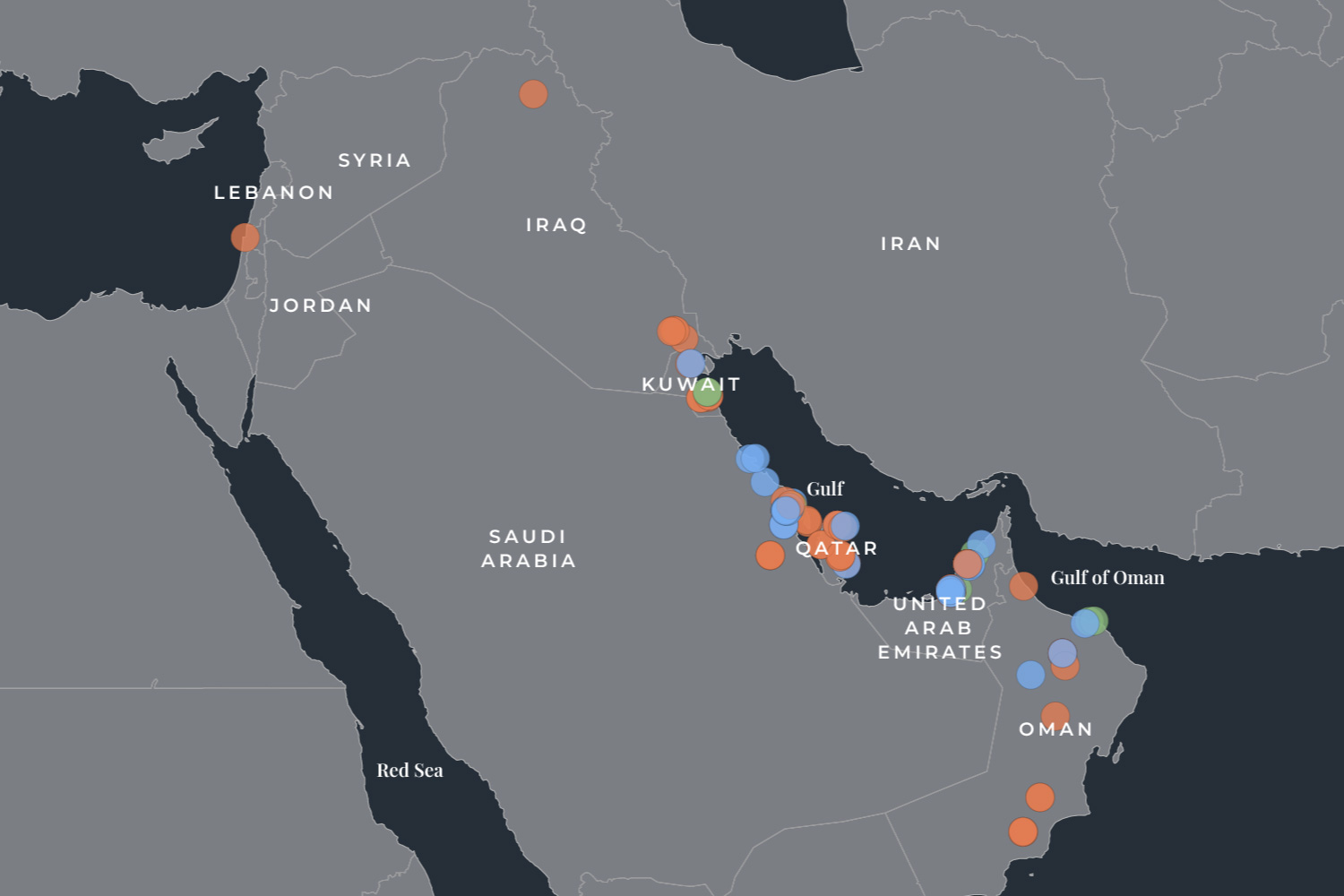 Mapping Iranian strikes on Gulf
energy infrastructure during the US-Iran war. Graphic: Al Jazeera
Mapping Iranian strikes on Gulf
energy infrastructure during the US-Iran war. Graphic: Al Jazeera Soldiers of the Shan State Army
march during a military parade at Loi Tai Leng, Shan State, February
2026. Photo: Reuters
Soldiers of the Shan State Army
march during a military parade at Loi Tai Leng, Shan State, February
2026. Photo: Reuters King Haakon VIII at the royal palace
in Oslo on the day of his first speech as monarch, August 29. Photo:
Reuters/NTB
King Haakon VIII at the royal palace
in Oslo on the day of his first speech as monarch, August 29. Photo:
Reuters/NTB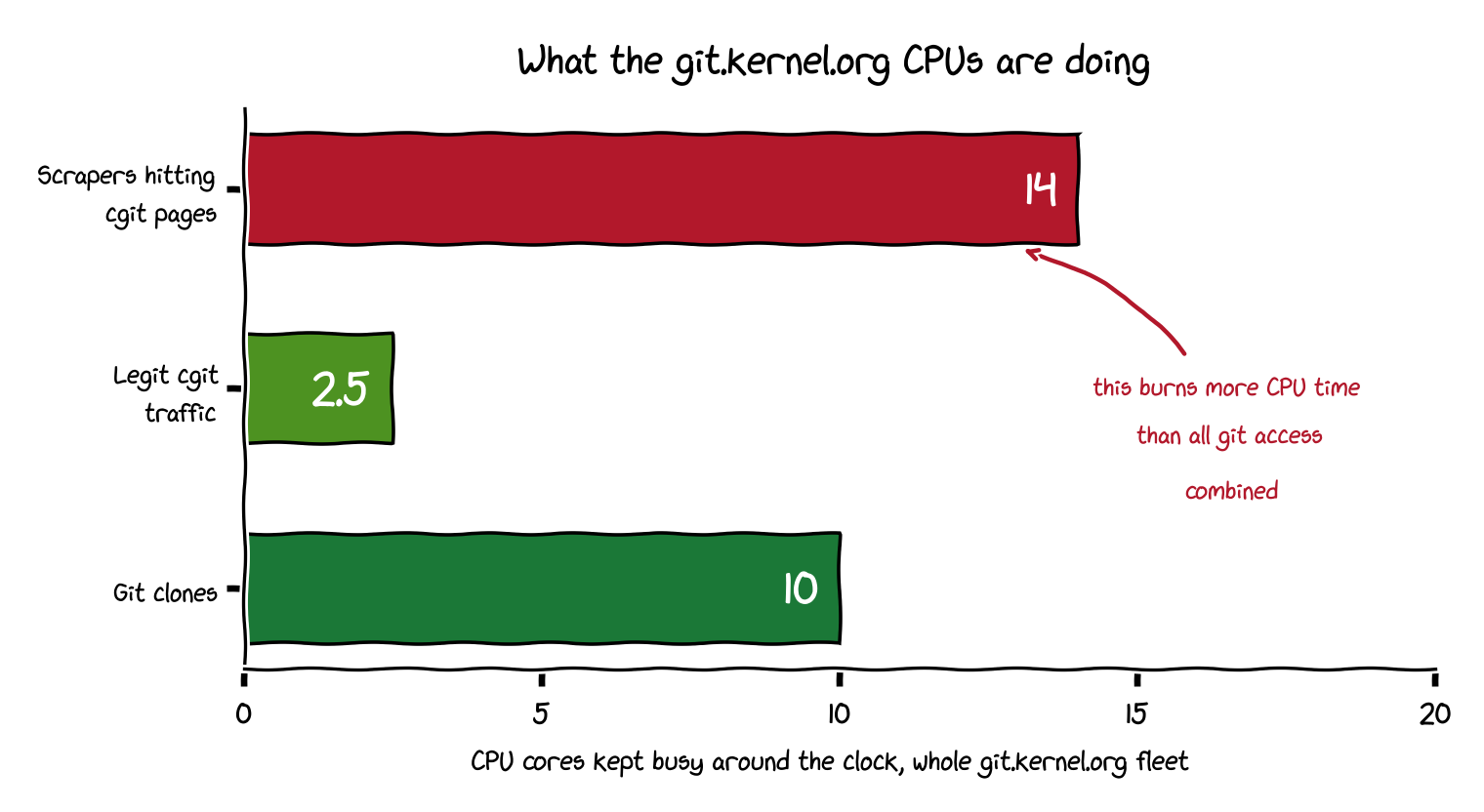 CPU cycles consumed by AI crawlers
versus legitimate git clone traffic on kernel.org. Graph: Konstantin
Ryabitsev
CPU cycles consumed by AI crawlers
versus legitimate git clone traffic on kernel.org. Graph: Konstantin
Ryabitsev Illustration: Kristina Armitage for
Quanta Magazine
Illustration: Kristina Armitage for
Quanta Magazine