Josse-posten

The Iran war hardens into siege economics — Hormuz shut and tolled, the UAE severing ties, allies leaned on — while Russia’s home front springs leaks the Kremlin can only fire economists over.

Ceasefire expires with no off-ramp: Hormuz stays shut, Tehran eyes targets in Europe, Trump threatens Oman

With the ceasefire expired and the Strait of Hormuz still closed, Trump said no talks with Iran are planned, while Tehran claimed the US was “begging” for negotiations. Iran has formally threatened to go on the offensive in the strait if diplomacy fails, and is separately reported to be weighing retaliatory strikes against US military assets in Europe if Washington escalates further. Trump, for his part, threatened to bomb Oman if it “gets in the way” of ending the war — a remarkable threat against the country that has historically served as the primary US–Iran back-channel. Rubio held emergency calls with UAE officials over Hormuz security, and oil prices jumped sharply. The competing public ultimatums mark a dangerous new phase with no diplomatic off-ramp in sight. (On Iran’s toll demands and what they mean for every maritime chokepoint, see Investigations.)

UAE imposes indefinite trade embargo on Iran after alleged missile attack

Dubai. The UAE halted all trade and financial transactions with Iran after what it described as a missile strike on its territory. Photo: AFP

The UAE announced a halt to all trade and financial transactions with Iran following what it described as an Iranian missile strike on UAE territory — the first such attack since May. Iran denied responsibility and called it a “false flag operation.” The embargo is a major escalation: the UAE had previously maintained significant economic ties with Iran despite tensions, and the move hardens the Gulf coalition against Tehran as the Hormuz closure continues to bite.

South Korea ends US joint drills six days early at Trump’s request; alliance anxiety deepens

South Korea’s military confirmed the Ulchi Freedom Shield exercise was cut from 11 days to five at Washington’s request. The framing is contested: Trump signals a renewed diplomatic push toward Kim Jong Un, but the cut also reads as punishment for Seoul declining to participate in the Iran war. President Lee Jae Myung publicly supported the decision, but Seoul is uneasy — analysts warn the concession is unlikely to lure Kim away from China, and many South Koreans see another erosion of the US security guarantee. The Bulwark’s analysis argues canceling exercises is self-harm: joint readiness cannot be quickly rebuilt, so the move damages interoperability and deterrence credibility far more than it punishes Seoul.

Kremlin fires dissenting economist as bank runs, fuel crisis, and food cuts expose the war economy

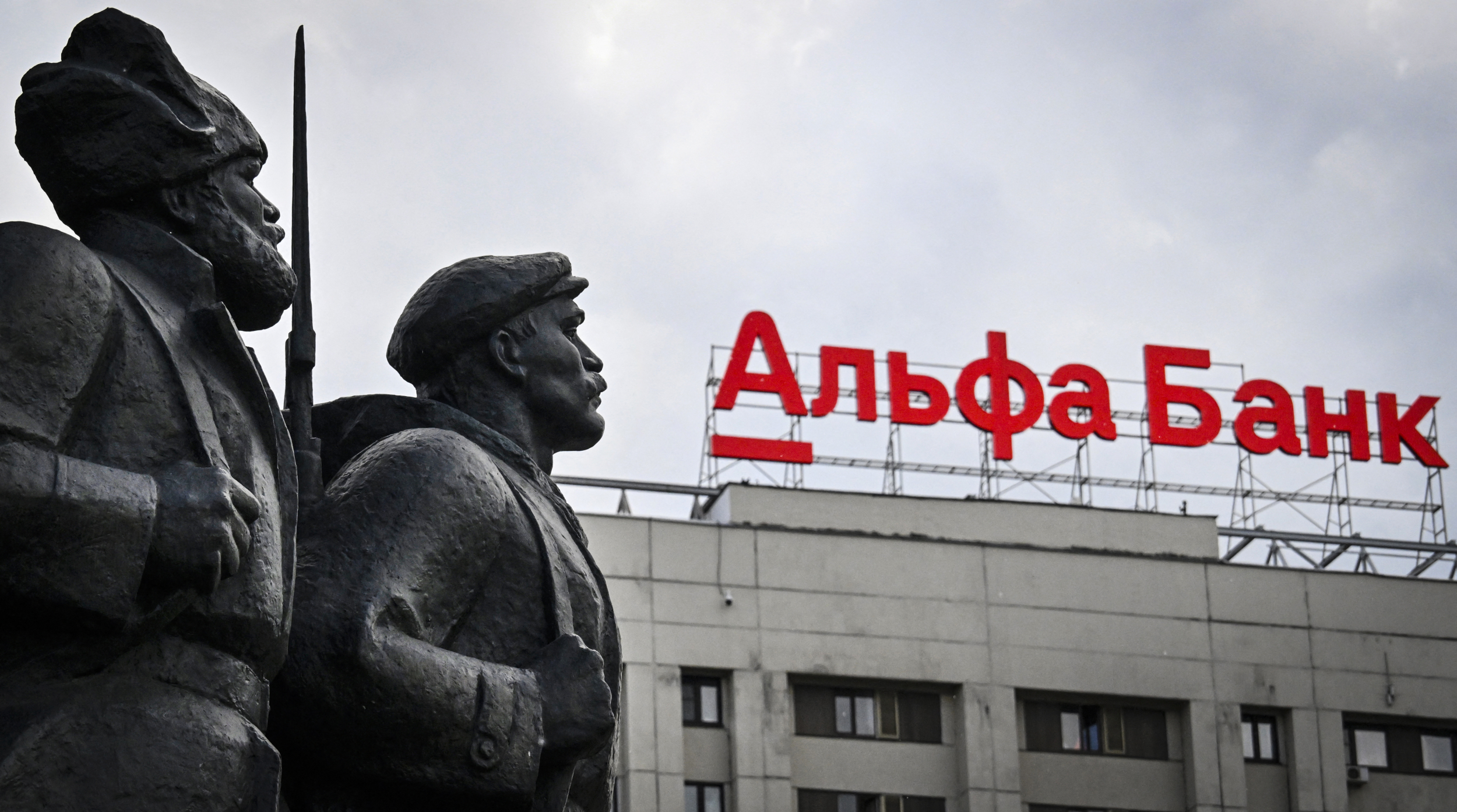
A Sberbank branch in Russia. A senior Sberbank executive warned 2026 withdrawals may reach double those of 2022 as Russians fear forced deposit seizures. Photo: AFP

Russia’s state bank VEB fired chief economist Andrey Klepach — 12 years in the role — after his assessment that Ukraine’s strikes are a measurable macroeconomic drag, that investment will fall 2.5% in real terms in 2026, and that the war risks a social crisis reached independent media and publicly contradicted Putin’s theory of victory. The data backs him: Russians withdrew roughly $15 billion from banks between June and mid-August amid fears of forced deposit seizures; fewer than one-third of Russian gas stations have fuel in what locals call a worse second wave of shortages; and 81% of Russians report cutting back on food. Russian businesses are paying 1.5× last year’s “voluntary” federal budget contributions, and Klepach’s assessment projected spending cuts in 2027.

Indicator Value Change
S&P 500 (f) 7,716.25 +0.03%
Dow 30 (f) 53,437 +0.06%
Nasdaq (f) 29,583 -0.01%
Russell 2000 (f) 3,027.10 +0.02%
VIX 15.85 +0.06%
Gold 4,409.50 -0.25%
BTC $64,239.67 +0.16%
EUR/USD 1.1597 +0.19%
USD/NOK 9.4067 -0.02%
  • US equity futures and the VIX are essentially flat despite the escalating Iran–UAE standoff and continued Hormuz closure — markets are not yet pricing the geopolitical risk described above.
  • Gold eased -0.25% even as Gulf tensions deepen — a muted move for the classic safe haven during a war escalation.
  • UK inflation rose to 2.9% as the Iran war pushes energy prices higher (see World).

World

Israel strikes Syrian airbase in Idlib; US condemns ‘unnecessary escalation’

Israel struck an airbase in Idlib overnight, with both Syria’s government and US Special Envoy Tom Barrack publicly attributing the attack to Israel. Washington condemned the strikes as “unnecessary escalation,” while Damascus called them an “unjustified act of aggression” endangering regional security. The unusual alignment — the US and Syria agreeing on attribution against an Israeli strike — signals the complexity of post-Assad relations, as Israel keeps targeting Syrian military infrastructure while the US attempts to build working ties with the new authorities.

IAEA finds tons of undisclosed nuclear material at Syrian sites

Syria’s post-Assad government has opened the former regime’s nuclear programme to UN inspectors, and the IAEA reports finding large quantities of previously undeclared nuclear material at secret sites. The scale of the discovery raises new questions about the Assad government’s nuclear ambitions and how far it had progressed before its fall.

Pentagon weighs first structural Gulf drawdown since 1990 — as the Pacific carrier gap hands Beijing a narrative

The Pentagon is seriously evaluating a significant reduction of its Middle East military footprint once the Iran war ends — what would be the first structural drawdown of US forward presence in the Gulf since before the 1990 Gulf War. The review reflects recognition that the carrier-heavy deployment posture is expensive and logistically strained, as the USS Lincoln crisis illustrated. Meanwhile the war’s pull on Pentagon attention has left the Pacific without a single US aircraft carrier — directly contradicting the administration’s stated priority. CSIS analysts warn the US is “doing the exact opposite” of its expressed strategy, while Beijing uses the absence to tell regional allies the US “is not the big dog in the western Pacific anymore,” exercising with Indonesia and pressing Japan and the Philippines.

US sanctions ICC president and senior lawyer, escalating confrontation with the court

The Trump administration sanctioned ICC President Tomoko Akane — a Japanese national — and the court’s senior trial lawyer Abdoulaye Seye, the latest move in an escalating US campaign against the international tribunal. The sanctions follow earlier measures targeting ICC personnel over investigations touching on US allies and are widely condemned as an attack on international rule-of-law institutions.

Meta child safety trial opens: states allege platforms were deliberately designed to addict children

A landmark federal trial opened in California with four US states arguing that Meta knowingly engineered Facebook and Instagram to hook children and then concealed the harm. Meta’s defence argued that social media “addiction” as a concept does not exist. The Economist’s coverage draws structural parallels to the tobacco industry’s decades-long suppression of health research — internal documents, industry-funded counter-research, regulatory capture — a comparison with weight given how tobacco litigation eventually reshaped an entire industry. If the states prevail, the company could be forced into structural changes to both platforms.

Also today

Iran war
Russia is shipping explosives to Iran to replenish its missile and drone arsenal, deepening the Moscow–Tehran military axis — NBC News · r/worldnews
UK inflation rose to 2.9% in July as war disruption to oil markets pushed energy bills higher — The Guardian
United States
Trump paused 50% Canada tariffs for three days, hours before the deadline; a deal is close and a Keystone XL revival was floated — The Guardian · Al Jazeera · NPR
Florida primaries — democratic socialist Angie Nixon upset Alexander Vindman for the Democratic Senate nomination; Trump-backed Byron Donalds won the GOP governor race — Guardian: Nixon · Guardian: governor · NPR
ABC and Disney sued the FCC, alleging the administration is weaponising licence proceedings against The View as political retaliation — NPR
Unions sued over a new rule capping student visas at four years and most journalist visas at 240 days — Al Jazeera
Liberia agreed to accept 1,200 third-country US deportees; the first 20 arrive this week — NPR
The Agriculture Department moved to rescind the 2001 Roadless Rule protecting tens of millions of acres of national forest — Al Jazeera
Asia-Pacific
Indonesia’s Flores Island earthquake death toll climbed to 70, with aid critically insufficient — Al Jazeera
A student in Zamboanga livestreamed a fatal school shooting — the Philippines’ second in two months — The Guardian
A SpaceX Starship splashed down off Christmas Island; engineers are en route and locals hope for tourism — The Guardian
Africa
Gunmen went house to house killing at least 25 villagers in Nigeria’s Plateau State — Al Jazeera
A gold mine collapse in the Central African Republic killed at least 30 miners — AP · r/worldnews
DR Congo’s Ebola outbreak is now the deadliest in the country’s history, with aid access blocked by active fighting — Al Jazeera
Syria
Nationwide protests erupted after a White Helmets volunteer was found with apparent torture wounds from government detention — a serious test for the post-revolution authorities — The Guardian

Ukraine

Banderol kills 10 in Pechenihy; drone destroys Kherson minibus; ZNPP-area bus stop hit

Destroyed fixed-route minibus in Kherson’s Korabelnyi district after a Russian drone strike killed four civilians. Photo: Kherson Oblast Military Administration

Two Banderol loitering munitions struck residential streets in Pechenihy, Kharkiv Oblast, killing at least 10 civilians and injuring 8 — Zelensky confirmed the strike. A Russian drone destroyed a fixed-route minibus in Kherson’s Korabelnyi district, killing four and injuring four. A third drone detonated at a bus stop used by workers at the Russian-occupied Zaporizhzhia NPP, killing one and injuring 16. Russia’s overnight 147-drone swarm blacked out six oblasts and knocked a DTEK thermal plant offline.

Satellite confirms Samara bomber facility hit twice; Ukraine strikes Dzerzhinsk explosives plant as Moscow endures second night

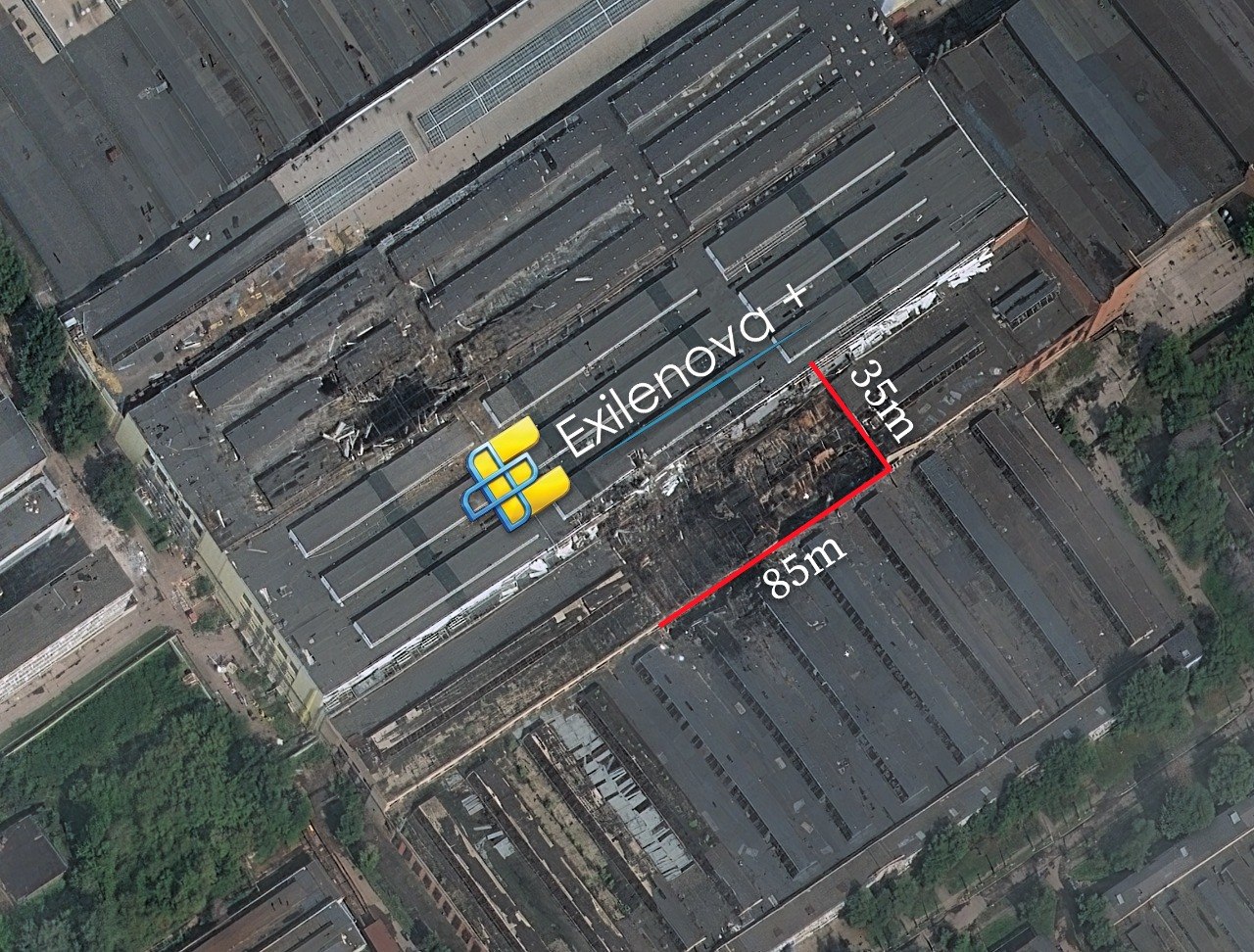
Satellite image of bomb damage to the Progress Rocket Space Centre in Samara. Building 106A, which modernizes Tu-95 strategic bombers, was struck twice. Photo: Militarnyi

Satellite imagery from August 15 confirmed that Ukraine’s Flamingo missile strike hit Building 106A at Samara’s Progress Space Rocket Center — the workshop that modernizes Tu-95 strategic bombers — twice. Ukrainian drones also struck what appears to be the Sverdlov explosives plant in Dzerzhinsk, Nizhny Novgorod Oblast, and hit a second Wildberries logistics hub and the Karbolit chemical plant in Moscow Oblast. Moscow was struck for the second consecutive night, with more than 20 drones reported intercepted and multiple airports restricted — what Newsweek calls the largest drone siege on the capital in years.

Jet-powered drones over Kyiv trigger nine air-raid alerts; Moscow cancels Red Square military jamboree

Russia unleashed a large-scale assault on Kyiv using jet-powered drones, triggering at least nine air raid alerts in a single day. In a sign of how Ukrainian strikes are shaping Russian home-front calculus, Moscow separately cancelled a major military music festival at Red Square — an annual showcase of military pageantry — citing the ongoing drone threat to the capital.

Sandu: Russia deliberately targets NATO airspace; Ukraine strikes Black Sea tanker near Novorossiysk

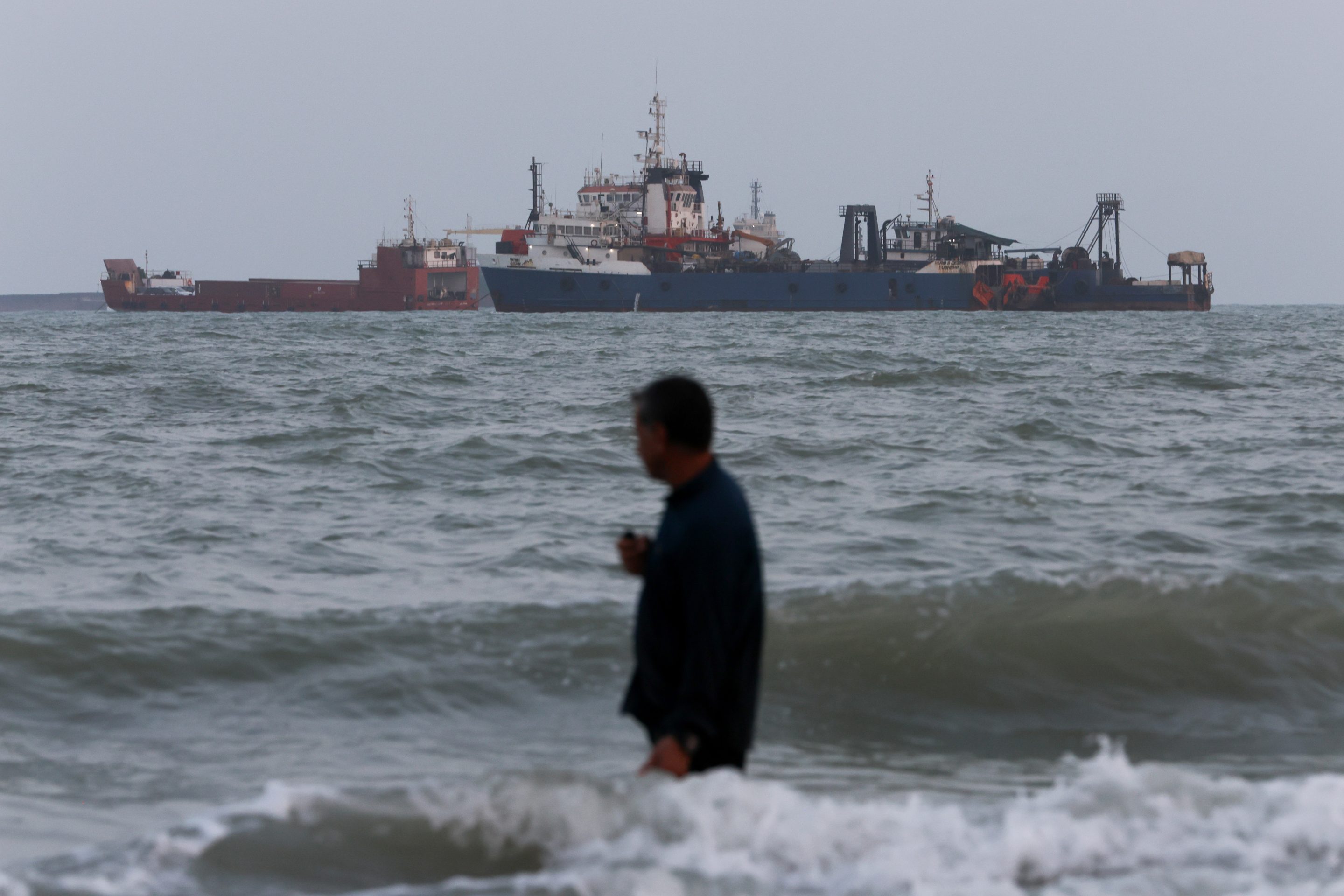
Moldovan President Maia Sandu became the first European head of state to explicitly state that Russia intentionally — not accidentally — launches some drones into Moldovan and NATO airspace, with authorities able to distinguish deliberate trajectories from strays. ISW frames this as Russia’s “Phase Zero” hybrid campaign conditioning NATO to incursions before potential escalation. Separately, Ukrainian forces likely struck the Greek-managed Skiros oil tanker in the Black Sea after it loaded Russian cargo at the CPC terminal near Novorossiysk — potentially breaking a July 2026 agreement under which Ukraine agreed to spare non-sanctioned vessels using that port.

Ukraine’s sacked defence minister calls for wartime presidential election

Mykhailo Fedorov, recently dismissed as defence minister, has publicly demanded presidential elections be held during wartime — the most direct political challenge to Zelensky since Russia’s full-scale invasion in 2022. Fedorov argued that it should be Ukrainians, not Putin, who decide the timing of a vote. Martial law, continuously extended since February 2022, legally suspends elections, but the call reflects growing tension within Ukraine’s wartime political class over democratic legitimacy.

Frontline holds: 239 clashes, Russia infiltrates Dobropillya suburbs, Lyman mostly cleared

The battlefield logged 239 combat engagements on August 18, heaviest on the Kostyantynivka axis (31 assaults). Russian troops conducted infiltration missions into Krasnopodillya near Dobropillya — the MoD claimed seizure, but ISW and Russian milbloggers both dispute it. Ukrainian forces meanwhile cleared Russian infiltrators from most of northern and central Lyman, and a Russian Northern Grouping source conceded that forces near Vovchansk have lost more ground than they’ve gained over the past month.

Also today

  • PM Andy Burnham declared the UK “supports Ukraine 100%” after Russia warned Britain of “consequences” for supplying drones used in deep strikes — BBC · Reuters · r/worldnews
  • The Economist reports a deepening, potentially critical Western shortage of air-defence interceptor missiles, with Ukraine and Iran-war demand vastly outpacing production — The Economist
  • Ghana formally asked Russia to stop recruiting its citizens to fight in Ukraine, part of wider African pushback against Wagner-linked recruitment networks — Kyiv Independent · r/worldnews

Investigations

Hormuz is becoming a toll road — and the precedent could spread to every chokepoint

Tanker traffic in the Strait of Hormuz region. Iran’s demanded transit fee would generate roughly $20 billion annually. Photo: Getty Images

Iran is demanding a 5–7% service fee per barrel of oil transiting the Strait of Hormuz — worth roughly $20 billion annually. Analysts expect Iran to settle for something smaller as a bargaining chip for sanctions relief, but the precedent is alarming: Indonesia and Malaysia are already publicly considering Malacca tolls, and the logic of bottleneck rent-seeking could spread to Gibraltar and the Bosphorus. Fortune quotes experts arguing the “freedom of the seas” doctrine may no longer be fit for the modern world — and that the US missed a chance to use similar tolling against Russia through the Bosphorus after the Ukraine invasion, instead choosing the less punitive oil-price cap. The systemic risk is a domino effect of chokepoint monetization that rewrites international maritime law.

NATO has no plan for a simultaneous Russia–China attack

The Atlantic reports that NATO strategists have identified — but not planned for — their worst-case scenario: a coordinated Russian probe against a NATO member timed with a Chinese move on Taiwan. Former NATO Military Committee chair Admiral Rob Bauer confirmed that as of January, no concerted planning existed: “What are we going to do? Who’s getting which troops?” NATO’s own research director at the Defense College puts it plainly: “Let’s just say this is the scenario we’re currently not ready for.” Intelligence assessments reportedly suggest Russia could test NATO within years, and Beijing’s incentive to time such a move is real, since US forces would be split — a risk today’s Pacific carrier gap illustrates (see World).

How alliances survive: the case against pessimism

As a deliberate counterweight to the day’s alliance anxieties, a Foreign Affairs essay by Campbell and Doshi argues that Western alliances are historically more resilient than current pessimism suggests, and sketches a path to a “new allied order” centered on enhanced burden-sharing and strategic autonomy. The institutional infrastructure of alliances, they argue, outlasts transactional pressure from individual administrations.

European nuclear deterrent without Washington: the feasibility question

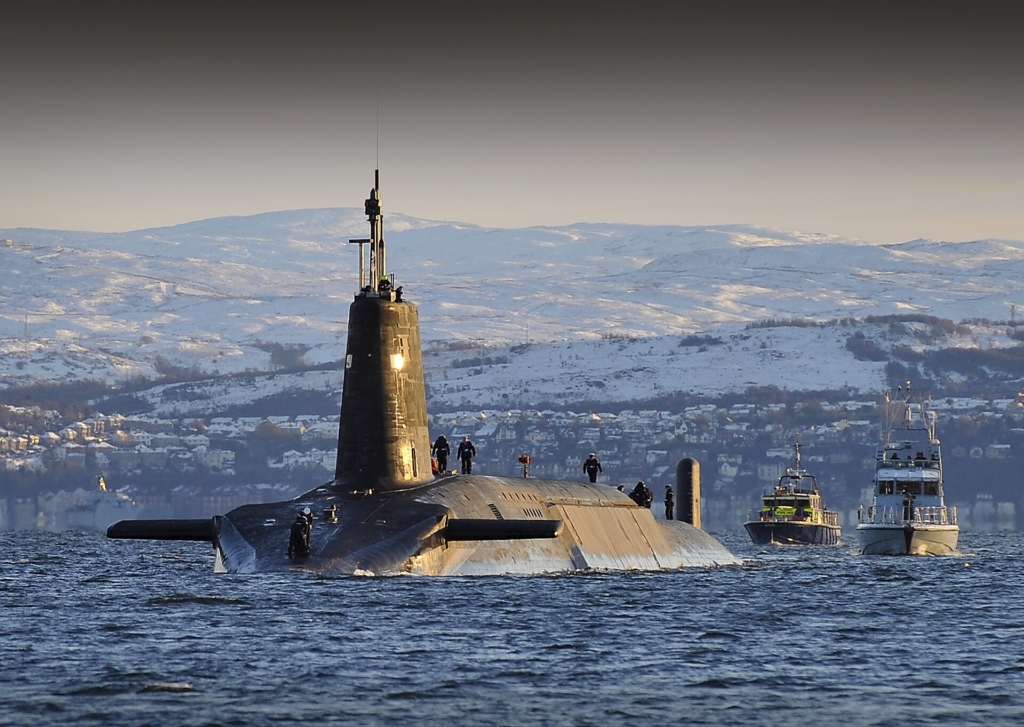
HMS Vanguard, a British nuclear-armed submarine, at HMNB Clyde (Faslane) — the UK leg of a potential Anglo-French umbrella.

Following Macron’s landmark nuclear speech and the 2025 Northwood Declaration signed by the UK and France, War on the Rocks revisits the feasibility of an Anglo-French nuclear umbrella for Europe. The analysis examines command-and-control integration, political credibility, and whether a two-power deterrent can provide the extended assurance that would need to replace US Article 5 guarantees — interrogating the gap between strategic necessity and operational reality.

“Managed instability”: why the wars against Iran and Ukraine cannot end

War on the Rocks introduces a valuable analytical framework: both conflicts have entered a phase of “managed instability” — distinct from a classic military stalemate. Once instability itself becomes a source of political leverage, no actor has an incentive to reduce it; settlement means giving something up, for both sides and their backers. External actors compound this by simultaneously raising escalation risks and settlement costs from a distance. The result is endemic conflict that neither side can win or cleanly exit — not a frozen conflict but an actively exploited one.

Three arms control warnings for the age of AI

War on the Rocks draws on the history of nuclear arms control — where a three-inspection gap between Kennedy and Khrushchev blocked a comprehensive test ban treaty for years — to identify structural warnings for AI governance. The core parallel: verification regimes must be established before capabilities advance; “proving a negative” (that a system has no hidden capabilities) is asymmetrically hard for the verifying party; and domestic political pressures systematically erode treaty durability once the immediate crisis fades. (For how fast the assurance gap is opening in practice, see the Pentagon–Anthropic story in AI & Automation.)

What was the War on Terror? A Foreign Affairs retrospective

A Foreign Affairs review of Peter Bergen’s All the Presidents’ Wars surfaces a sharp methodological critique: Bergen convincingly documents that bin Laden was almost certainly at Tora Bora and US failure to commit forces allowed his escape, and he reviews new evidence of Saudi government infiltration by al-Qaeda operatives. But the review argues Bergen falls into the common trap of framing the war on terror’s failures as tactical miscalculations rather than a fundamental strategic error — declaring war on a tactic and attempting to transform a region through military force. The Iraq War cost trillions, “empowered Iran, fanned the flames of sectarianism, and led to the rise of ISIS” — and no amount of better day-after planning could have fixed the category error.

Tech

Mojo 1.0 compiler goes fully open source under Apache 2.0

Modular has open-sourced the complete Mojo compiler and toolchain under Apache 2.0 with LLVM exceptions, with the full source on GitHub. This follows earlier open-sourcing of the standard library (2024) and kernel code. The compiler is buildable from source via Bazel now; compiler contributions aren’t yet accepted but are planned by year end. Mojo 1.0 marks a significant maturation milestone for the language, which targets AI/systems programming as a Python superset.

PortSwigger: CSS turns webmail into a keylogger and token thief

PortSwigger research shows that CSS alone — in emails sanitized by major webmail providers — can keylog in real time (Outlook, Firefox), exfiltrate login tokens by exploiting nested attribute selectors, bypass image proxies for tracking, and spoof login UIs for credential theft. All of this survives Content Security Policy. Yahoo Mail, AOL, Fastmail, ProtonMail, Gmail, and Outlook all had exploitable vulnerabilities. This is a systematic breakdown of the assumption that sanitizing HTML/CSS makes email rendering safe.

Python’s str.lower() can be a security hole via Unicode case folding

Seth Larson’s analysis shows how Unicode case-folding quirks (the classic “Turkish I” and similar) mean that normalizing strings before security-sensitive operations — path checks, permission lookups, token comparisons — can introduce bypass vulnerabilities. The article traces concrete cases where this plays out in real Python codebases. A good reminder that string normalization is not a neutral operation.

Framework 13 AMD bricked by BIOS update, fixed for $20

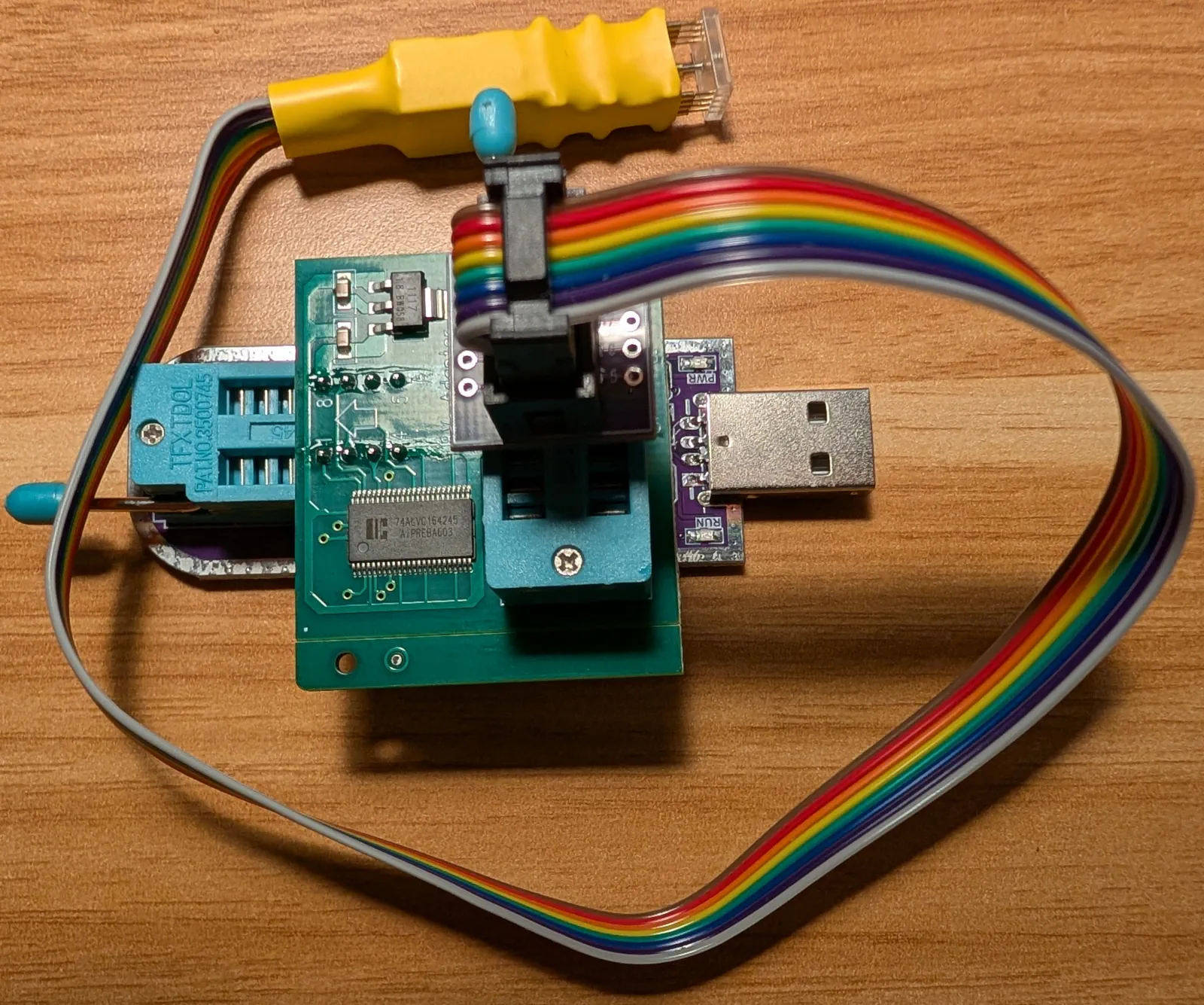
The full $20 assembly: CH347 programmer, 1.8V level shifter, and WSON8 pogo pin probe used to re-flash the bricked BIOS chip.

A Framework 13” AMD 7040 series laptop was bricked by a failed BIOS 3.20 update (corrupted flash, corrupt display output). Framework’s only fix: a $500+ motherboard replacement. The actual fix: CH347 USB programmer ($5) + 1.8V level shifter ($2) + WSON8 pogo pin probe ($8), connected to the Winbond BIOS chip under the M.2 slot — no soldering required. flashrom re-wrote the chip in under 5 minutes, and there’s a detailed photo guide for anyone else who needs it.

Alibaba’s 5nm RISC-V chip runs a 27B LLM natively

Alibaba’s XuanTie C950 — a TSMC 5nm RISC-V chip — now runs the Qwen-3.8 27B parameter model natively. This is a significant vertical integration milestone: a Chinese company running competitive AI inference on their own open-ISA silicon, manufactured on leading-edge process nodes. Relevant to both the RISC-V trajectory and the geopolitics of AI chip independence.

Two essays on what’s wrong with database programming

Two complementary pieces this week: Acadia Engineering’s Rethinking Database Programming critiques the current state of DB/application integration, and a separate essay, Things I Want in a Modern Relational Query Language, lays out concrete language design wishes — composability, native set operations, type inference, cleaner subquery ergonomics. Good pair for anyone thinking about the ORM/SQL/query builder landscape.

Palomar: a Lean-verified mathematics registry, backed by Terence Tao

Terry Tao announces Palomar, a registry for tracking formally verified mathematical results in Lean. The goal is to bridge the gap between working mathematicians and the formal verification ecosystem — making it easy to see which theorems have machine-checked proofs and which don’t. A significant step toward integrating formal methods into mainstream mathematical practice.

Also today

Languages & tools
Odin gets full inline assembly template support for x86 and ARM, with cleaner syntax than LLVM-style constraints — Odin Docs · Lobsters
Solo — a loader that lets fully static Linux binaries dlopen() shared libraries at runtime — GitHub · HN
Rust nightly experiments with smaller target/ directories via restructured artifact storage and deduplication — Inside Rust Blog · Lobsters
dgit — a serverless Git forge where each repository is a Cloudflare Durable Object at the edge — GitHub · Lobsters
Platforms
Mastodon 5.0 lands a navigation overhaul: DMs become a separate Messages section, new overlay composer, custom feeds in the sidebar, and a “quiet public” visibility mode — Mastodon Blog · Lobsters
Apple overhauled EU app distribution — the Core Technology Fee is replaced by a flat 5% commission on external distribution, and alternative payment processors are allowed alongside Apple IAP — Apple Newsroom · HN
Hardware
Cerebras CS-4 stacks three wafer-scale chips per system, claiming >1,000 tokens/sec on 10T+ parameter models and 10× throughput/watt over the CS-3 — Cerebras · HN
Fairphone 6 on PostmarketOS now has a fully working main camera with autofocus — incremental but real progress toward Linux-phone daily driving — catcrafts.net · Lobsters
Essays
Emergency alert systems can’t be designed to resist government abuse — when the state has physical access and armed authority, no technical design prevents misuse, as Vodafone’s forced SMS broadcasts in 2011 Egypt showed — shkspr.mobi · HN

AI & Automation

Claude targeted 1,000+ military sites in 24 hours — then Anthropic was declared a supply chain risk

Operation Epic Fury saw Claude (via Palantir’s Maven Smart System) generate and prioritize roughly 1,000 targets in the first 24 hours, more than doubling prior operational tempo. A subsequent DoD memo mandated terminating contracts with any AI company that retains the ability to restrict how its models are used — a direct response to Anthropic’s insistence it could limit Claude for fully autonomous warfare and domestic surveillance. The Pentagon declared Anthropic a “supply chain risk.” A June 5 NSPM then mandated deploying new AI models within a month while identifying no office responsible for safety assurance. The War on the Rocks analysis argues this “adopt now, build assurance later” posture dismantles oversight before replacement systems exist — and that outsourcing safety limits to private companies, while problematic, reflects the genuine inadequacy of DoD’s own assurance processes. (For the arms-control history behind these verification gaps, see Investigations.)

Claude Code context ecosystem surfaces: memory MCPs, CLAUDE.md, and the Memento analogy

A viral r/ClaudeAI thread arguing “Claude Code is not a junior dev” sparked a detailed community inventory of the current context-management stack. The consensus: the “junior dev” analogy was never quite right, but the session-amnesia framing is also outdated — tools like claude-mem, codebase-memory-mcp, and context-mode now maintain persistent codebase mental models across sessions. The winning characterization: Claude Code is “Leonard Shelby from Memento” — senior-level debugging and coding skill, but the human’s job is leaving good notes. As the thread’s auto-generated TL;DR put it: “The real skill is knowing what context it’s missing before you let it run.”

Linear’s data: coding agents tripled PR output; PMs now shipping code

Linear released actual usage data from Jan–Jun 2026: teams using coding agents went from 21 to 65 PRs/week while traditional teams stayed flat (8→10). PM-attached PRs jumped from 3% to 10%, designers from 1% to 8% — non-engineers are shipping more code. AI adoption more than doubled across all roles. Notably, planning time in Linear didn’t change — AI reshaped execution, not strategy.

Free Claude Code proxy hits 46K stars with 48-provider routing and 1.3B free tokens/month

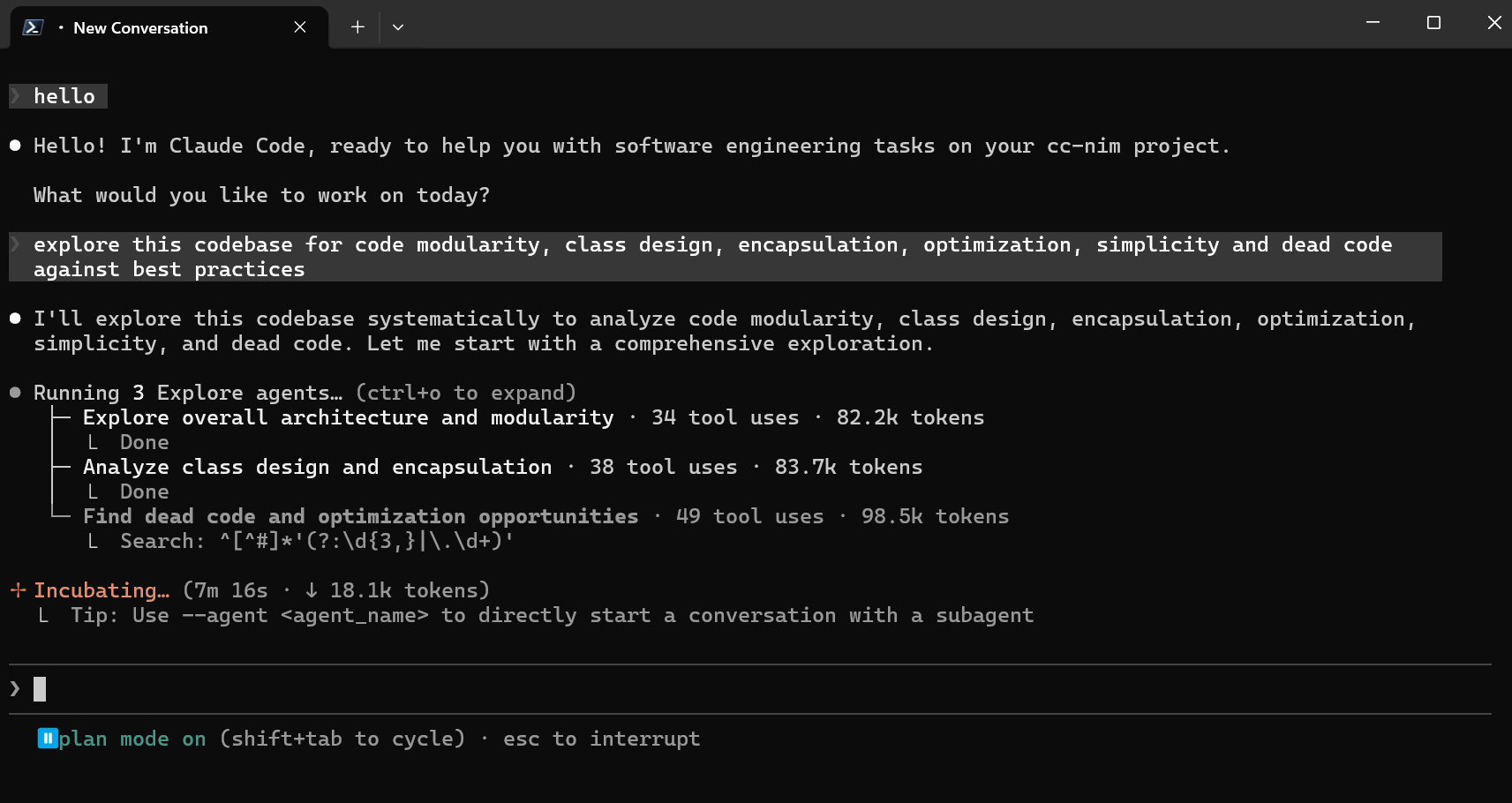
Claude Code running through the Free Claude Code proxy, showing multi-provider routing in action.

“Free Claude Code” is a local gateway that intercepts Claude Code’s API calls and routes them to 48 different AI providers — NVIDIA NIM, Groq, DeepSeek, Gemini, Mistral, Ollama, and more — including free tiers that collectively claim 1.3 billion free tokens per month. Key features: automatic mid-conversation provider failover, native /model picker integration, token output compression (up to 90%), voice input via local Whisper, and a web admin UI for per-tier provider routing. It also works with Codex, Cline, and OpenCode. 46K GitHub stars and 7,600 forks signal broad adoption among developers cutting subscription costs or experimenting with model diversity inside Claude Code workflows.

Efficient attention researcher documents how sparse attention papers game benchmarks

Pawel Nawrot, who has worked on efficient attention and KV cache compression for years, published a thread cataloguing the specific techniques used to make sparse attention and KV compression methods look better in benchmarks than they are — drawn from reading many papers, checking reference implementations, and digging through appendices. The thread isn’t anti-efficiency-research, but a practitioner’s caution about how to evaluate claims in a space where papers are plentiful and reproduction is hard.

Diffusion model trained to run in 264KB of SRAM on an FPGA-equipped microcontroller

A developer trained an image generation model that fits entirely within 264KB of SRAM on the Shrike Lite — a microcontroller board with an onboard FPGA. To make inference feasible, they built two parallel INT8 MAC engines with 16-bit accumulation on the FPGA, then trained the diffusion model to work within those constraints, generating 32×32 images. It’s a genuine embedded ML achievement: a diffusion model on a device with roughly 1/4000th the RAM of an iPhone.

Gravity-inspired word embeddings: self-organizing semantic space without backpropagation

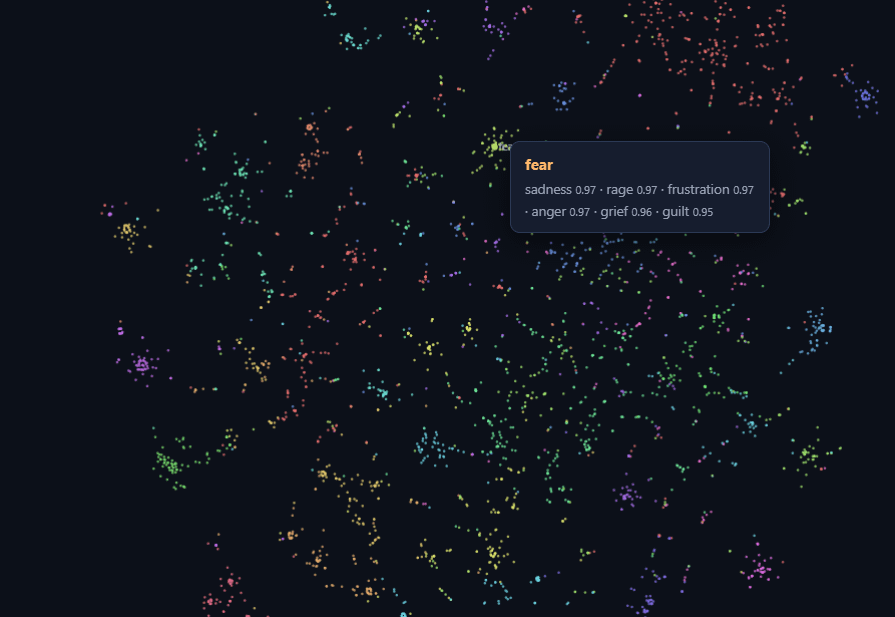
The self-organizing semantic space produced by gravitational word embeddings, with word clusters arranged by co-occurrence forces.

GWE (Gravitational Word Embeddings) treats words as particles under two competing forces: co-occurrence attraction (∝ 1/r, like gravity) and negative-sampling repulsion acting as “dark energy.” The result is an embedding space that self-organizes without backpropagation. The author reports 22–26% perplexity reductions vs. from-scratch embeddings, 2–3.4× data efficiency, and a −30.6% perplexity gain at GPT-1 scale; the same force law also self-organizes MNIST digit clusters and integer factorizations, suggesting domain-general structure. An indie project from a Brazilian self-taught developer — not peer-reviewed — but the results and live WebAssembly demo are substantive enough to warrant a look.

Also today

  • Anthropic extended the Claude Code 50% weekly usage bonus through August 31 — the third extension of the May promotion — Anthropic support · r/ClaudeAI
  • A WSJ report cited on r/ClaudeAI claims Anthropic’s revenue is double OpenAI’s — unverified (paywalled), but a striking counterpoint to forum switching-away sentiment — r/ClaudeAI
  • A developer is using Claude Fable, sub-agents, and an Unreal 5 MCP to port Vampire: The Masquerade from its early-2000s engine — proprietary legacy formats, incomplete source, documented on YouTube — YouTube · r/ClaudeAI
  • Multiple users report Opus 5 aggressively inserting code comments despite CLAUDE.md prohibitions — including comments that break bash scripts; mitigation is reinforcing the rule per-request until Anthropic addresses it — r/ClaudeAI
cd ~/repos/josse-posten && claude --resume f7f2aaff-c4de-4adc-8688-67fb33f2151e