Passphrase-less
encrypted reboots on NixOS via kexec and ephemeral LUKS keys
A clean NixOS technique for servers with full-disk encryption:
generate a random 256-byte key, add it to LUKS keyslot 31, embed it
inside a custom initramfs image (not the kernel command line, avoiding
exposure), then trigger systemctl start kexec.target —
booting the new kernel without a full hardware restart. A systemd
service removes the temporary keyslot immediately after the root
filesystem mounts. Result: automated server reboots in ~2 minutes with
zero manual passphrase entry, cryptographically sound because the
ephemeral key’s lifetime is measured in seconds. A parallel Discourse
thread documents the same warm-reboot pattern for self-hosted NixOS
machines.
nixpkgs-multiverse:
the interval-coverage algorithm behind minimal revision pinning
Farid Zakaria explains the algorithm powering nixpkgs-multiverse
(covered Sunday for its fast mode): when pinning multiple packages to
specific historic versions, each pinned version spans a “stretch” of
consecutive nixpkgs revisions where that version exists — reframing
multi-pin management as an interval coverage problem, solvable with a
greedy sweep in O(n log n). Real-world testing showed 30 pinned packages
requiring only 10 nixpkgs fetches instead of 30. The caveat: packages
with “holes” (dropped then re-added) make the problem NP-Complete, so
the practical fix is always using the newest available stretch per
pin.
Hyprland
nearing config language migration from hyprlang to Lua
Community threads indicate an upcoming Hyprland release will drop the
custom hyprlang configuration format in favour of Lua scripting. Users
are beginning to port existing configs now ahead of the transition; the
hyprlander project provides Lua-based configuration examples to
reference when migrating.
Wayscriber — a ZoomIt-equivalent screen annotation daemon for
Wayland, written in Rust — ships 0.9.24 with a new Input HUD (toggle
Ctrl+Shift+K) that renders live on-screen indicators of keystrokes and
mouse clicks, useful for demos and screen recordings. The broader
feature set includes freehand pen, shapes, arrows with auto-numbering,
blur/spotlight, named persistent boards with multi-page support, PDF
export, and a GUI configurator. Runs as a system tray daemon; works on
any Wayland compositor.
Spotify
Soloist: official headless Spotify Connect client with local WebSocket
API
Spotify launched Soloist, a first-party command-line Spotify Connect
client for headless Linux setups — Raspberry Pis, home servers, custom
audio hardware. It registers as a Spotify Connect device (controllable
via phone/desktop apps) and exposes a local WebSocket API for building
custom interfaces such as e-ink displays, LED visualizers, or physical
buttons, with metadata for up to 80 upcoming tracks. Premium required
for initial setup; lossless audio up to 24-bit/44.1kHz.
Yazi
v26.8.15: drag-and-drop, trash bin, command palette, theme
switching
Major release of the Rust terminal file manager. New features:
drag-and-drop file operations, a trash bin for reversible deletion, a
command palette replacing the help menu, bulk file creation, command
input history, and automatic dark/light theme switching following system
settings. Plugin developers gain dynamic Lua APIs for keymaps,
preloaders, spotters, and fetchers. Binary size and build time also
reduced.
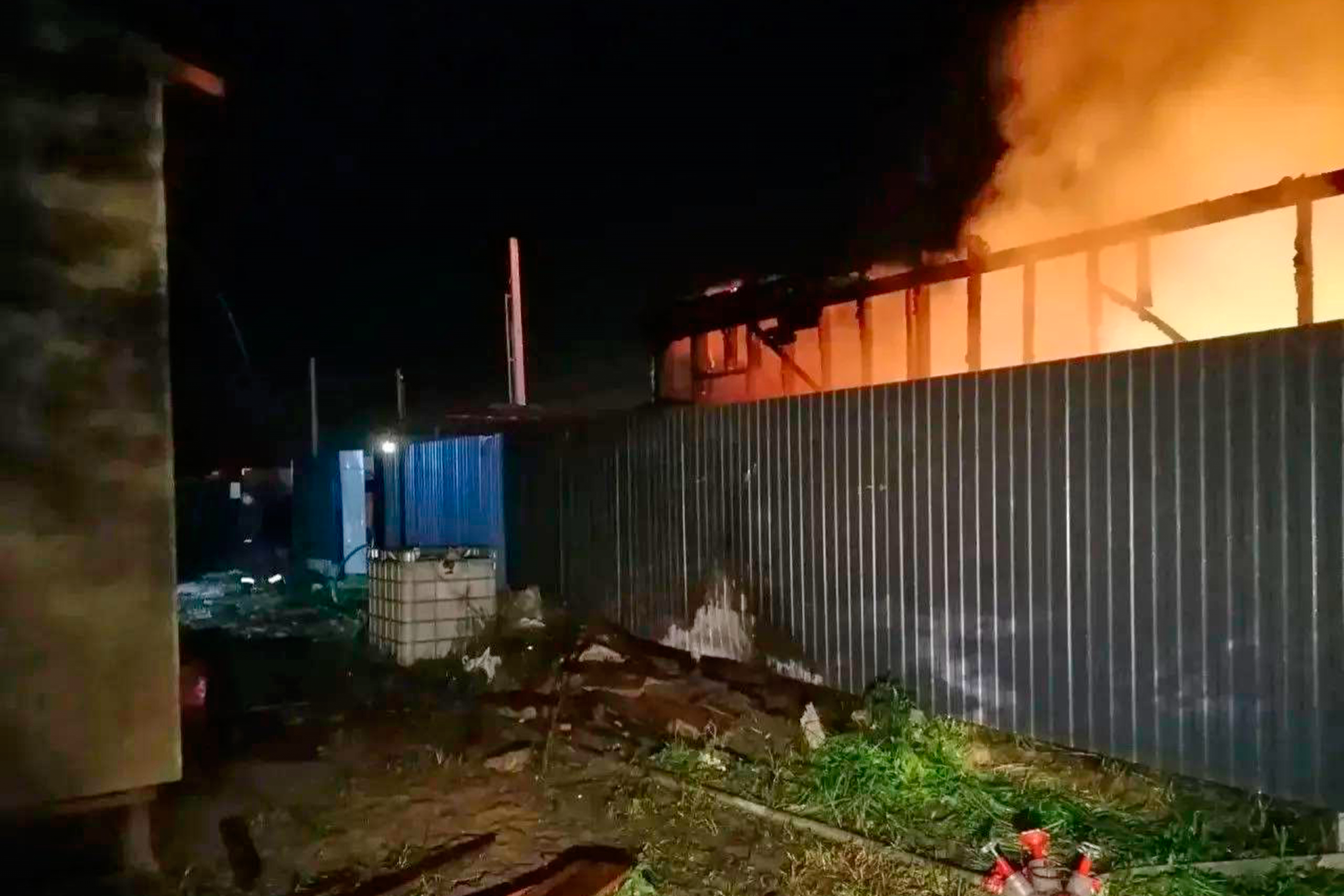 Flames and smoke rise from a
construction site in the Moscow region after the Ukrainian drone attack,
August 18. Photo: Moscow Regional Governor’s office via AP
Flames and smoke rise from a
construction site in the Moscow region after the Ukrainian drone attack,
August 18. Photo: Moscow Regional Governor’s office via AP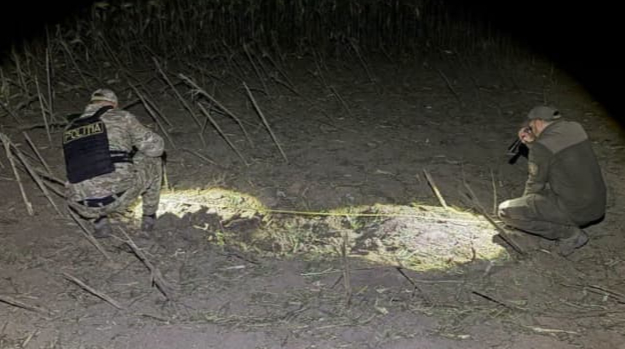 The 50 cm crater left by the Russian
Banderol missile that crashed near Talmaza, Moldova. Photo: Ukrainska
Pravda
The 50 cm crater left by the Russian
Banderol missile that crashed near Talmaza, Moldova. Photo: Ukrainska
Pravda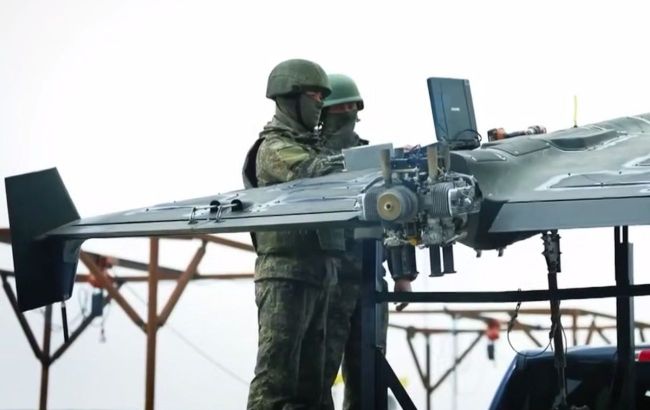 The Russian Geran jet-powered strike
drone, now making up roughly 20% of Geran strike packages. Photo: RBC
Ukraine
The Russian Geran jet-powered strike
drone, now making up roughly 20% of Geran strike packages. Photo: RBC
Ukraine Paléhaven — næringsbygget på 11 000
kvadratmeter Bane Nor fører opp i Oslo sentrum mens
vedlikeholdsetterslepet vokser. Foto: Aftenposten/VG
Paléhaven — næringsbygget på 11 000
kvadratmeter Bane Nor fører opp i Oslo sentrum mens
vedlikeholdsetterslepet vokser. Foto: Aftenposten/VG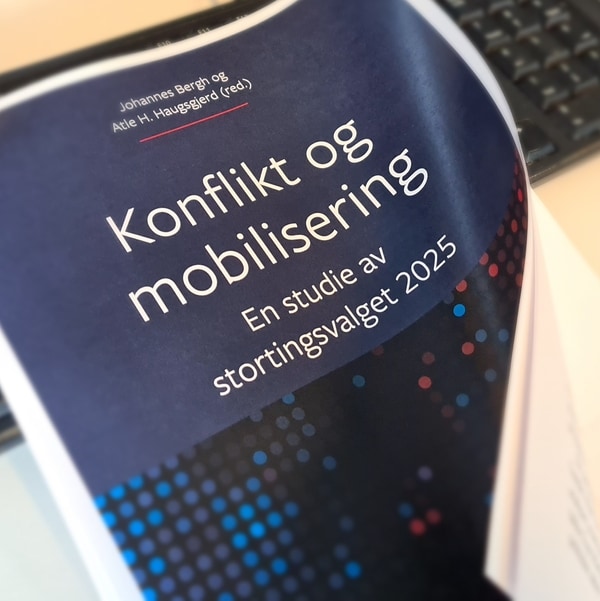 NRKs grafikk fra valgstudien som
visualiserer høyredreiningen. Illustrasjon: NRK
NRKs grafikk fra valgstudien som
visualiserer høyredreiningen. Illustrasjon: NRK Unge Høyre-leder Nicolai Østeby vil
ha statlig styring av studieplassene. Foto: Nettavisen
Unge Høyre-leder Nicolai Østeby vil
ha statlig styring av studieplassene. Foto: Nettavisen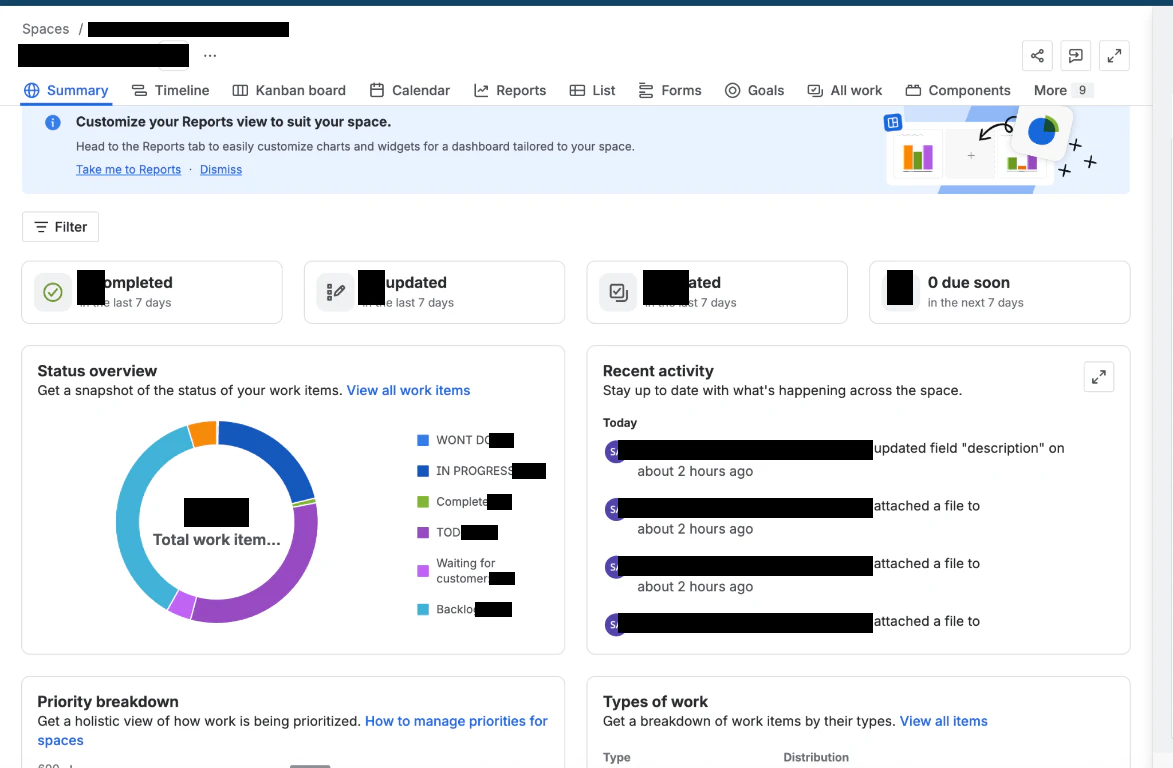 The vulnerable CI workflow pattern
introduced by Copilot, from Wiz’s Red Agent investigation.
The vulnerable CI workflow pattern
introduced by Copilot, from Wiz’s Red Agent investigation. The Hanover Institute’s website — a
think tank that materialized on August 6. Screenshot: Responsible
Statecraft
The Hanover Institute’s website — a
think tank that materialized on August 6. Screenshot: Responsible
Statecraft DuckDB v2.0 ‘Cyanoptera’. Image:
DuckDB
DuckDB v2.0 ‘Cyanoptera’. Image:
DuckDB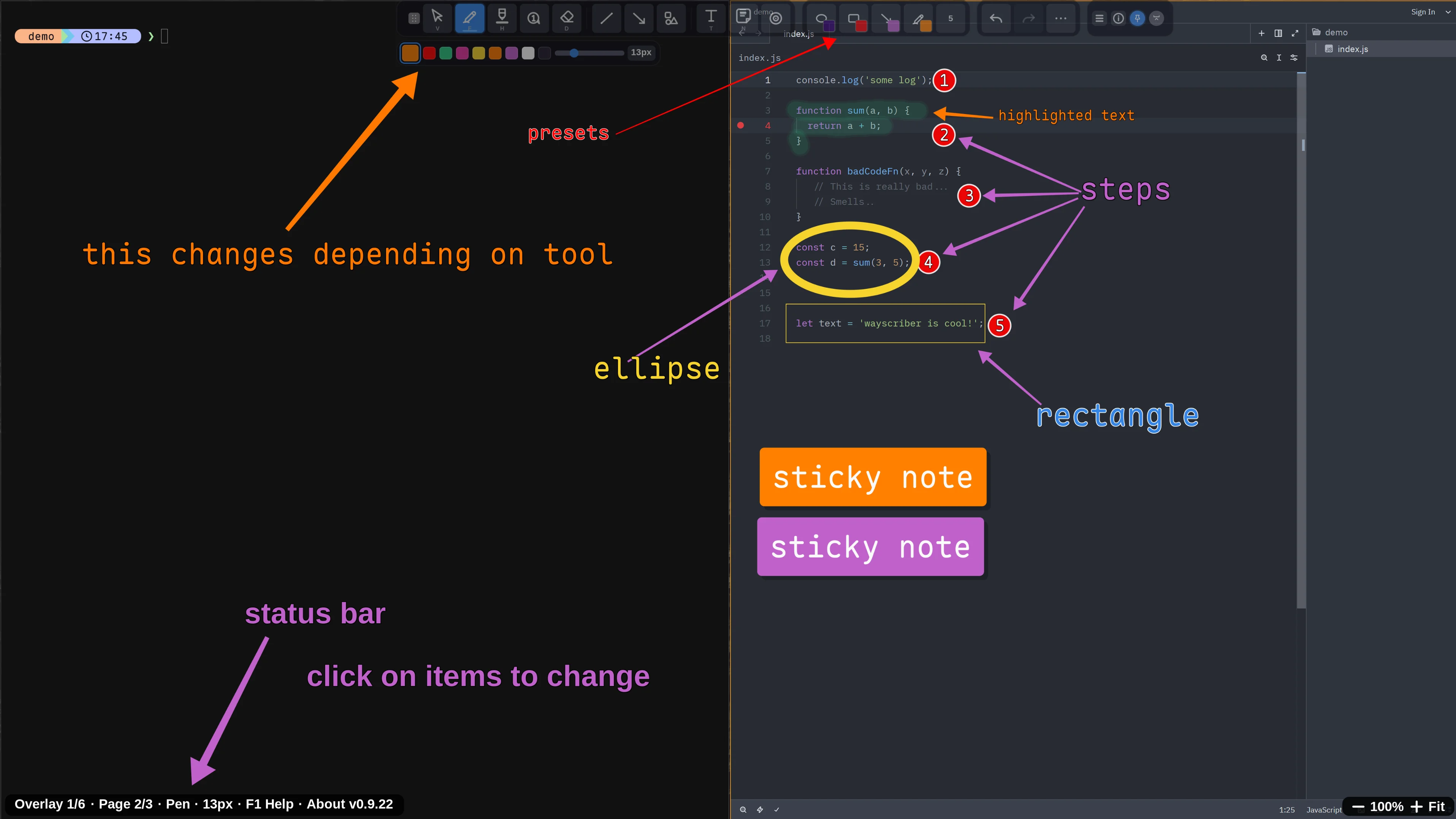 Wayscriber’s annotation overlay
active on a Wayland desktop — freehand drawings rendered over
application windows.
Wayscriber’s annotation overlay
active on a Wayland desktop — freehand drawings rendered over
application windows.