Ukraine’s
warehouse blitz reaches Yekaterinburg — $2.2B in damage, aimed at
Putin’s inner circle
Ukraine has struck at least 10 Wildberries e-commerce warehouses
across Russia in a single week — St. Petersburg, Tver, Moscow and Tambov
oblasts, Krasnodar, Stavropol, Voronezh, occupied Simferopol, and now
Yekaterinburg on July 25 — causing an estimated $2.2B in damage and
forcing the platform to suspend operations at major hubs. The campaign
deliberately targets civilian logistics to erode the normalcy shielding
urban Russians: Wildberries is reportedly co-owned by Kremlin Chief of
Staff Anton Vaino, tying the damage to Putin’s inner circle. Russia is
rushing additional Pantsir positions to Moscow. Overnight, a fire was
reported at the Engels-2 bomber base near Saratov, and drones struck
warehouses and energy sites across Belgorod — part of a sustained blitz
alongside strikes on Crimea’s power grid (17 substations hit July
23–24).
A
cyber-deception turns Russia’s air defence against its own Su-57
On July 23, a combined Ukrainian HUMINT and cyber operation
identified vulnerabilities in a Russian BARS-Moscow air-defence
formation and fed it falsified data, causing it to engage and destroy a
Russian Su-57 stealth fighter over Lutsino — roughly 30 km from the
Kremlin. The aircraft is valued at over $100M. Attributed to Ukraine’s
InformNapalm group, the operation demonstrates a qualitatively new
vector: manipulating Russian command-and-control to turn defensive
assets against Russian forces without firing a shot from Ukrainian
territory.
Russia’s
summer offensive stalls as Zelensky signals readiness for a peace
deal
Russia’s summer offensive has slowed to roughly 1 sq km per day — 16
times slower than last June — with no confirmed advances on July 23–24
despite 230 recorded attacks. Ukraine repelled a reinforced mechanised
assault in the Dobropillya direction, destroying nine tanks, two AFVs
and three Grad MLRS in a single engagement; Russian commanders
reportedly abandon contact with assault units once they come under drone
fire. Against this backdrop, Zelensky publicly offered to sign a peace
agreement at the White House or Mar-a-Lago. The Russian Central Bank cut
its key rate to 14% — its fifth cut this year — while slashing 2026 GDP
growth to near-zero, as ISW assessed the Kremlin is laying legal
groundwork for a new mass-mobilisation wave and bracing for the unrest
it expects to follow.
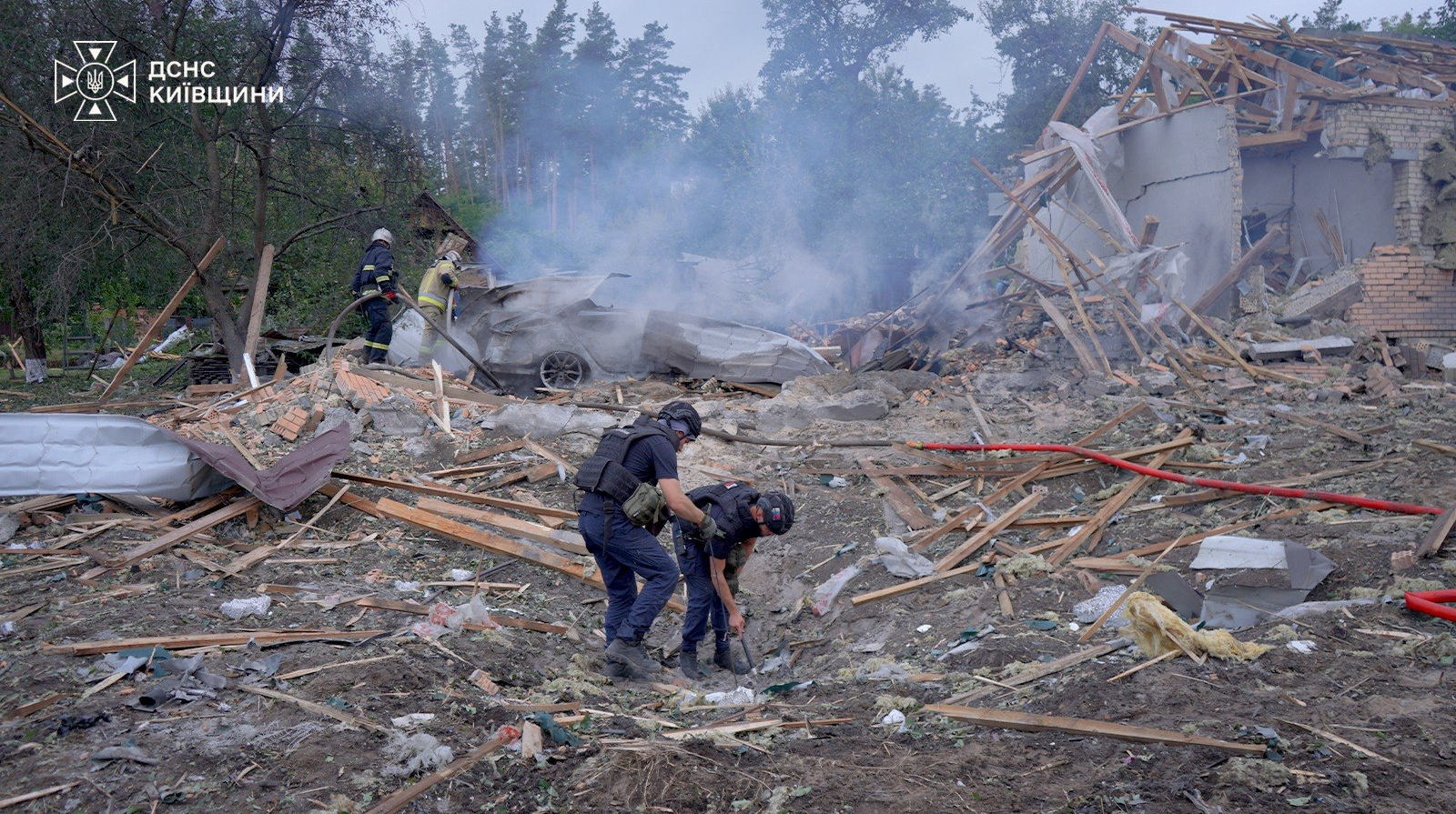 Emergency workers at the site of the
strike in Bucha district, Kyiv Oblast. Photo: Ukraine State Emergency
Service
Emergency workers at the site of the
strike in Bucha district, Kyiv Oblast. Photo: Ukraine State Emergency
Service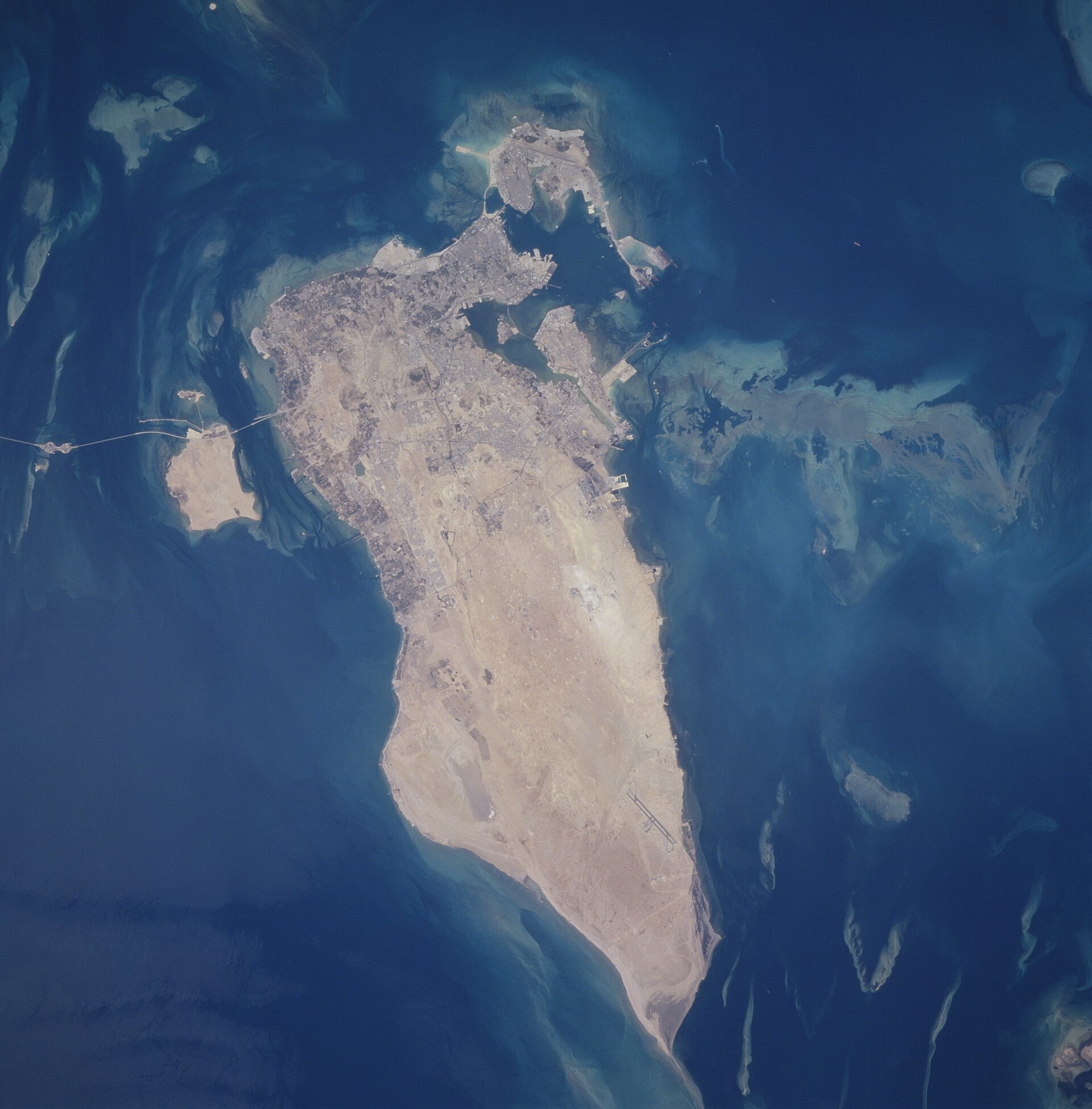 Bahrain in the Persian Gulf, with
Manama and the King Fahd Causeway. Photo: NASA
Bahrain in the Persian Gulf, with
Manama and the King Fahd Causeway. Photo: NASA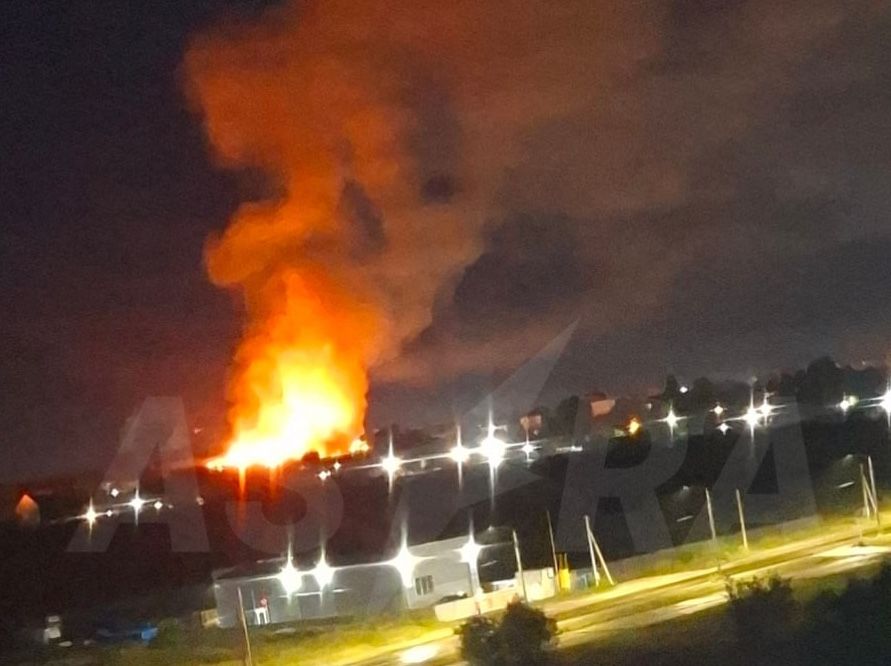 Fire at the Engels-2 airfield, home
of Russia’s strategic bombers, overnight July 25. Photo: Kyiv
Independent
Fire at the Engels-2 airfield, home
of Russia’s strategic bombers, overnight July 25. Photo: Kyiv
Independent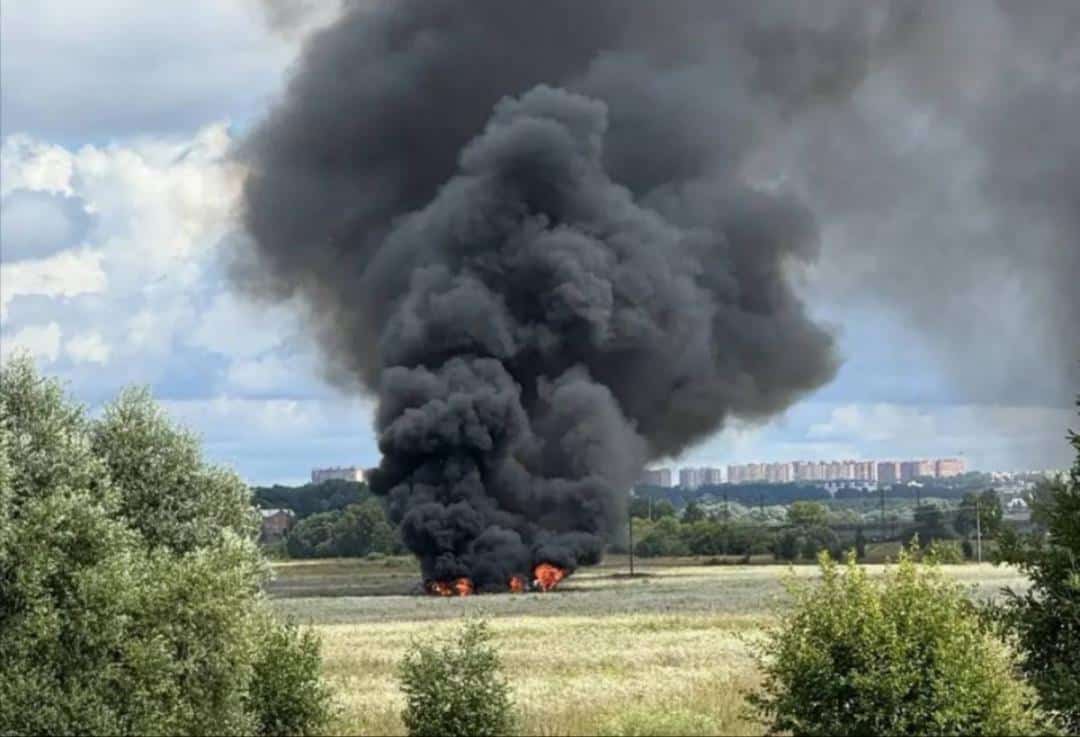 Crash site of the Su-57 downed by
its own air defence near Lutsino, Moscow Oblast, July 23. Photo:
Militarnyi
Crash site of the Su-57 downed by
its own air defence near Lutsino, Moscow Oblast, July 23. Photo:
Militarnyi Anthropic’s hero image for the
Claude Opus 5 announcement. Image: Anthropic
Anthropic’s hero image for the
Claude Opus 5 announcement. Image: Anthropic