Rivaroxaban
fails in a large LC fatigue trial; the anticoagulation hypothesis takes
a hit
The STIMULATE-ICP trial (Lancet Infectious Diseases, July 8)
enrolled 778 UK adults with Long COVID and tested rivaroxaban
(anticoagulant), colchicine (anti-inflammatory), and
famotidine–loratadine (antihistamine). Rivaroxaban showed no benefit at
any timepoint. Colchicine and the antihistamine combination produced
small fatigue reductions at 12 weeks, but these were gone by week 24 —
12 weeks after stopping the drugs. The open-label design limits
interpretation, but the rivaroxaban null result is clean: the largest
direct test of the microclot → fatigue axis to date, and it’s
negative.
Temelimab
(anti-HERV-W) completely negative in biomarker-selected patients
GeNeuro’s phase 2 RCT (Nehme et al., 2026) enrolled 203 post-COVID
patients who all tested positive for the HERV-W envelope protein — the
very protein temelimab is designed to block. Despite perfect biomarker
stratification, there was no improvement in fatigue or any secondary
outcome versus placebo at 24 weeks. The HERV-W hypothesis is now closed
out even in the population it was designed for; GeNeuro announced
layoffs following the result.
HHV-6B
reactivation as a treatable cholinergic mechanism in a PASC
subgroup
Oka et al. (Frontiers in Pharmacology, 2026) report that
71.7% of 73 PASC patients tested positive for anti-SITH-1 antibodies — a
marker of HHV-6B reactivation in olfactory-bulb astrocytes. In this
subgroup, donepezil (a cholinesterase inhibitor) improved fatigue
(Chalder, week 8) and depression (HADS, week 3) versus placebo. Proposed
chain: SARS-CoV-2 → HHV-6B reactivation → SITH-1 protein → reduced
acetylcholine → fatigue and depression. Caveats: a retrospective
subgroup analysis, not a prospectively-powered endpoint. The mechanism
is distinct from but parallel to the muscarinic M3/M4 autoantibody
picture — both impair cholinergic signalling, one upstream via viral
reactivation, the other downstream via receptor blockade.
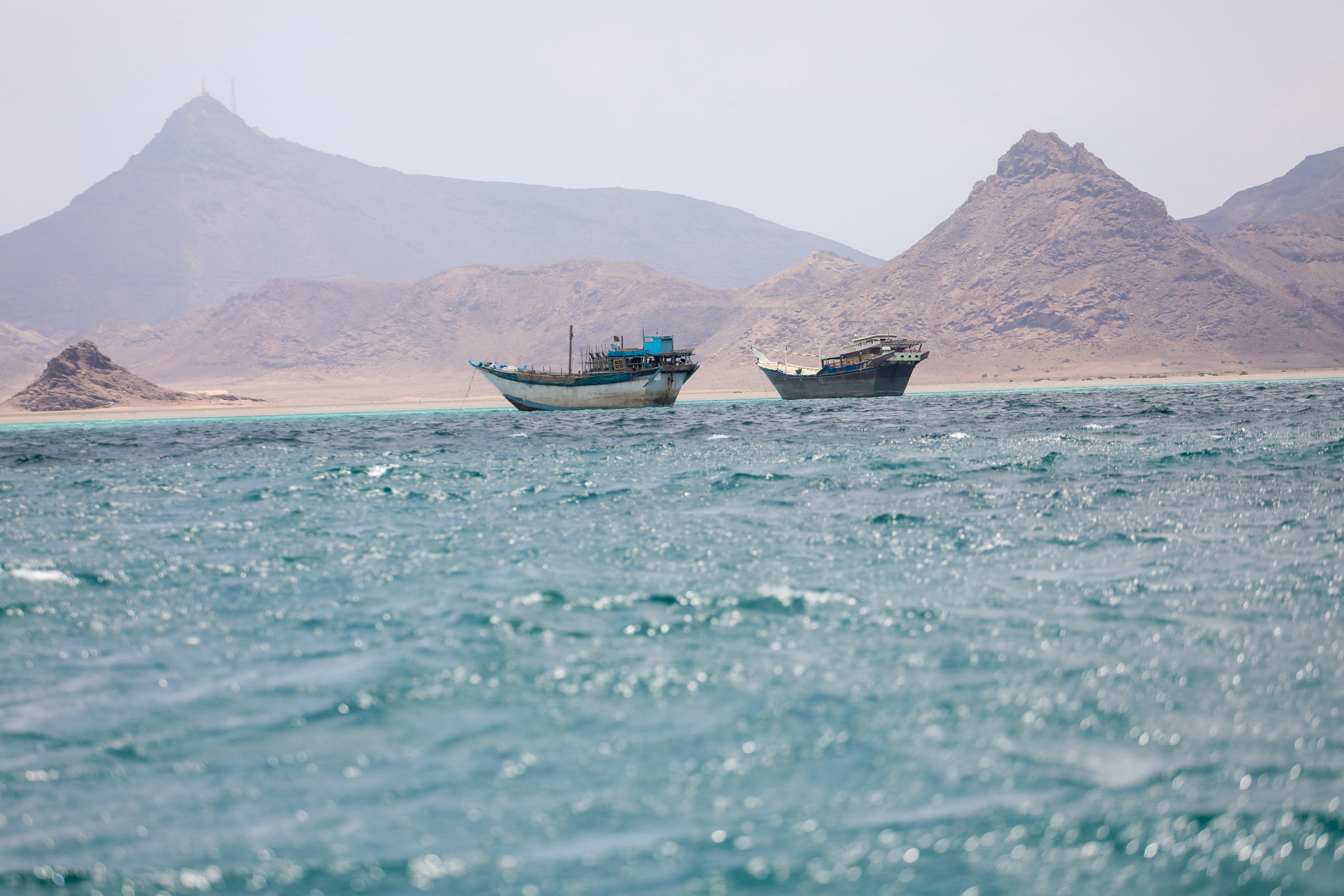 Boats near the Bab el-Mandeb strait,
Yemen — the chokepoint at the heart of the Houthi maritime blockade.
Photo: Reuters
Boats near the Bab el-Mandeb strait,
Yemen — the chokepoint at the heart of the Houthi maritime blockade.
Photo: Reuters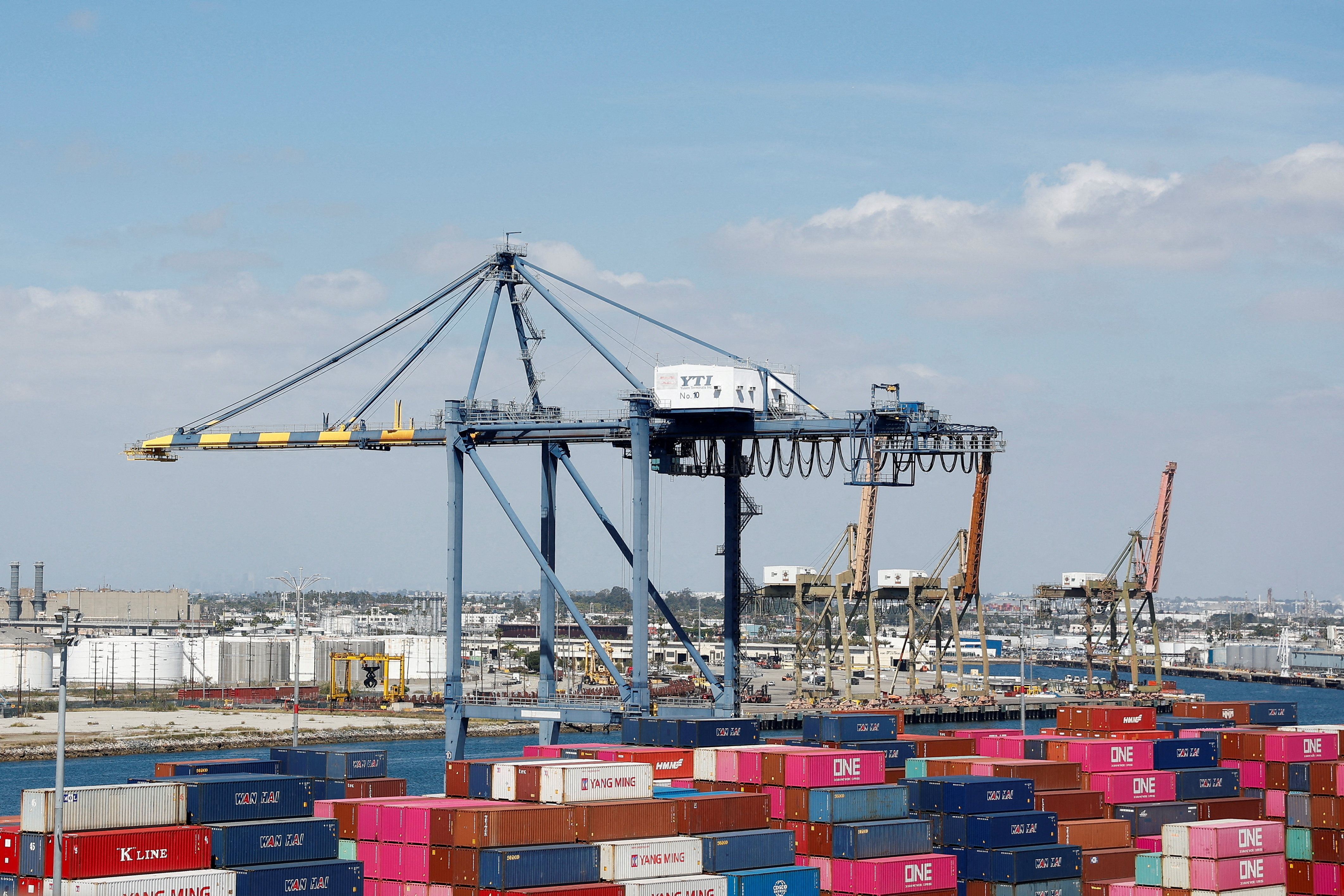 Shipping containers stacked at the
Port of Los Angeles, Long Beach, California. Photo: Reuters
Shipping containers stacked at the
Port of Los Angeles, Long Beach, California. Photo: Reuters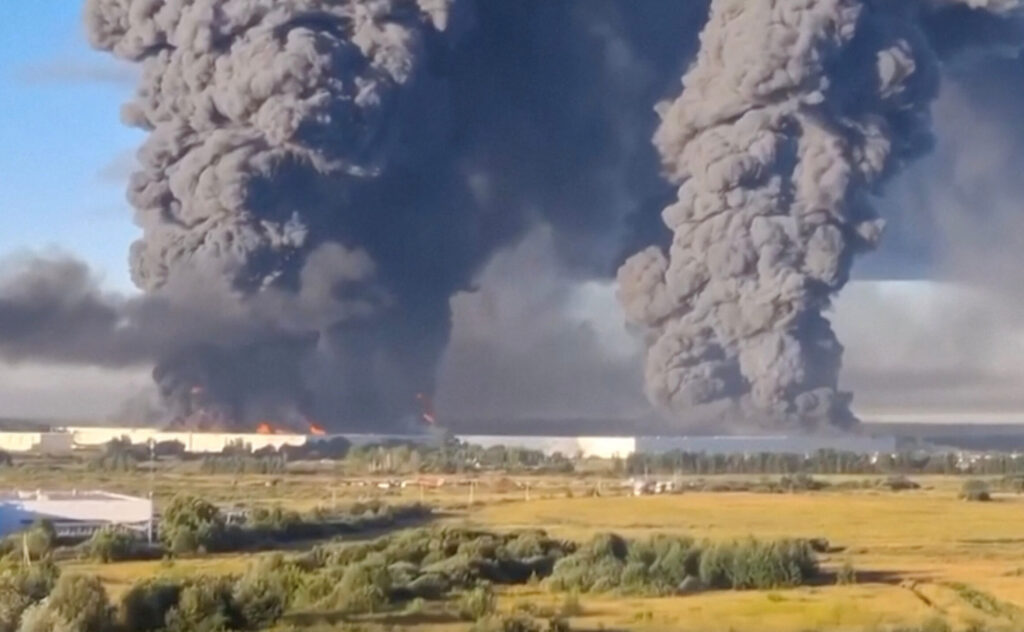 Smoke billows from a warehouse after
Ukrainian drone attacks in Elektrostal, Moscow Region, July 18. Photo:
Reuters/social media
Smoke billows from a warehouse after
Ukrainian drone attacks in Elektrostal, Moscow Region, July 18. Photo:
Reuters/social media Netanyahu, Trump and Saudi Crown
Prince MBS — leaders at the centre of the nuclear deal. Photos: Maayan
Toaf/GPO, Saul Loeb/AFP, Getty
Netanyahu, Trump and Saudi Crown
Prince MBS — leaders at the centre of the nuclear deal. Photos: Maayan
Toaf/GPO, Saul Loeb/AFP, Getty Israeli settlers at the Al-Aqsa
Mosque compound in occupied East Jerusalem, July 23. Photo: Ilia
Yefimovich/AFP
Israeli settlers at the Al-Aqsa
Mosque compound in occupied East Jerusalem, July 23. Photo: Ilia
Yefimovich/AFP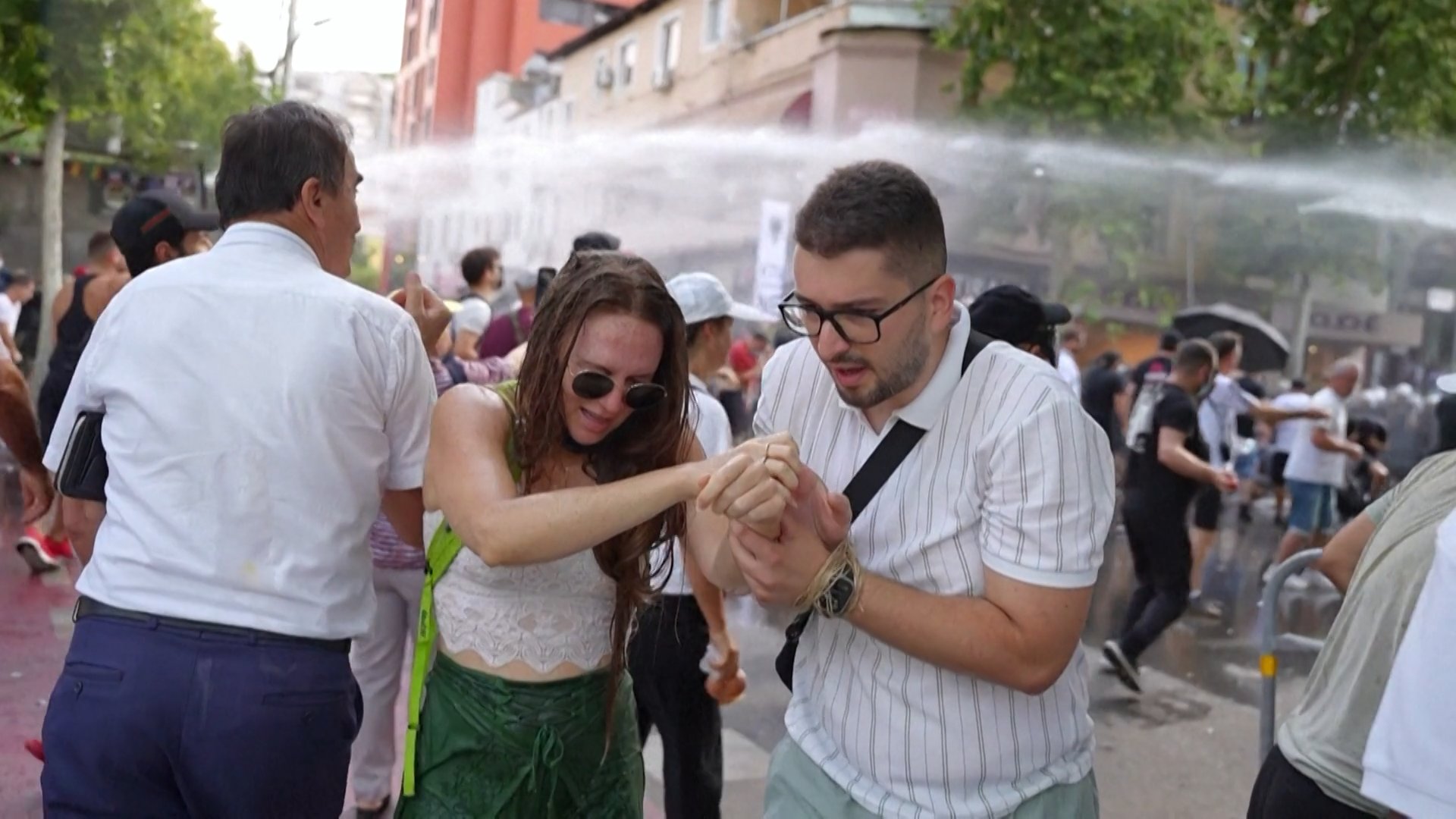 Albanian police deploy water cannon
against protesters outside parliament opposing the Kushner-linked
resort. Photo: Al Jazeera
Albanian police deploy water cannon
against protesters outside parliament opposing the Kushner-linked
resort. Photo: Al Jazeera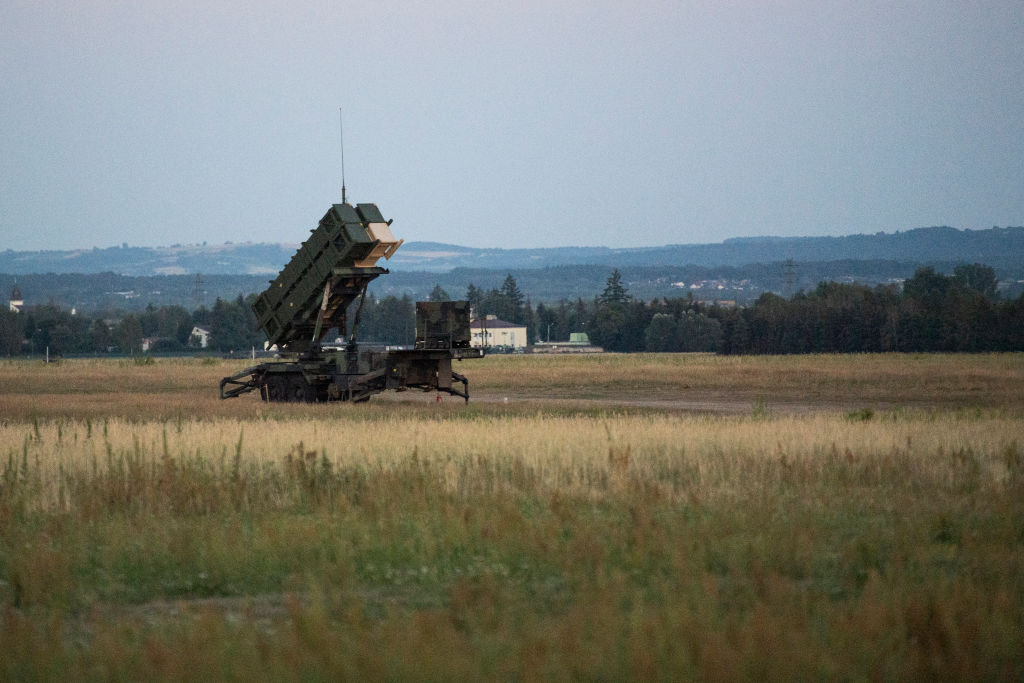 A Patriot air-defence system at
Rzeszów Airport, Poland, July 2022. Photo: Christophe Gateau/picture
alliance via Getty
A Patriot air-defence system at
Rzeszów Airport, Poland, July 2022. Photo: Christophe Gateau/picture
alliance via Getty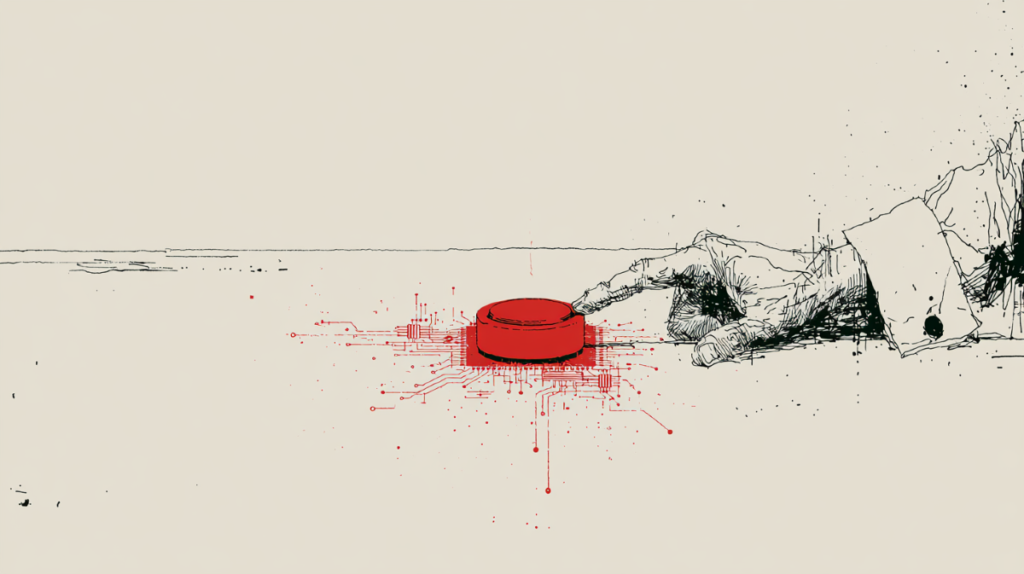 Illustration. Photo: Midjourney /
War on the Rocks
Illustration. Photo: Midjourney /
War on the Rocks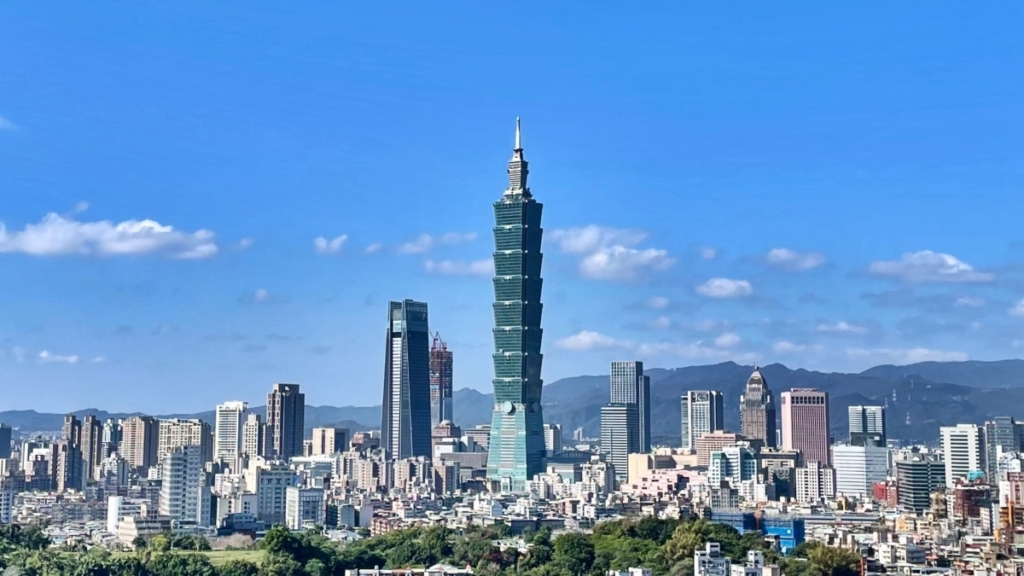 Taipei skyline. Photo: Wikimedia
Commons via War on the Rocks
Taipei skyline. Photo: Wikimedia
Commons via War on the Rocks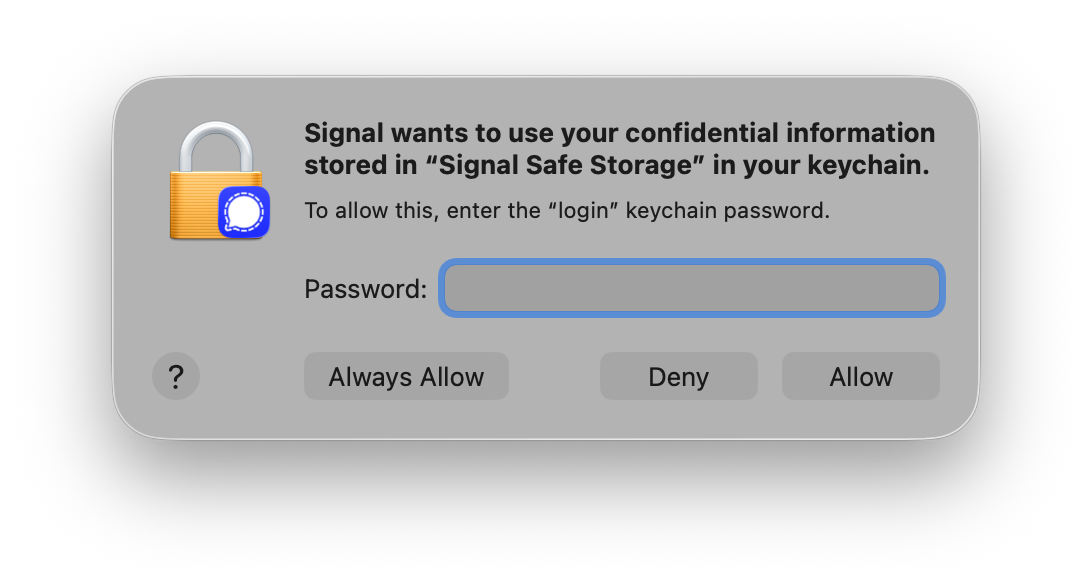 A Keychain prompt shown by a
modified Signal executable — displaying Signal’s legitimate name and
icon. Photo: Mysk
A Keychain prompt shown by a
modified Signal executable — displaying Signal’s legitimate name and
icon. Photo: Mysk burnline, an open-source Claude
Code statusline tracking 5-hour and weekly rate-limit burn (see Also
today). Photo: burnline
burnline, an open-source Claude
Code statusline tracking 5-hour and weekly rate-limit burn (see Also
today). Photo: burnline