US–Iran
War, Day 6: Bridges Bombed, Marines Board a Tanker, Both Oil Corridors
Threatened
US strikes entered a new phase on the sixth night, hitting five
bridges in southern Iran — including the Bandar Abbas–Shiraz route —
plus targets near Qeshm Island and, reportedly, a train station and
hospital. US Marines boarded the merchant tanker M/T Wen Yao in
the Gulf of Oman to enforce a blockade of Iran’s ports, and a separate
unladen tanker bound for the Kharg Island terminal was struck with
missiles. Iran retaliated on US bases in Jordan, Kuwait, and Bahrain;
debris from intercepted missiles sparked fires along Kuwait’s border
with Iraq.
Tehran’s negotiators framed the conflict in existential terms and
said they had “no reason” to abide by any deal that did not benefit
Iran, insisting “Iranian arrangements” in Hormuz were a
national-security matter. The IEA’s Fatih Birol warned the crisis
“threatens global energy security” — the strait carries roughly 20% of
seaborne oil — as US diesel topped $5/gallon. Reuters reports that Iran
has told Houthi leadership to stand ready to close the Bab el-Mandeb
strait if Washington strikes its power grid: with Hormuz already closed,
both of the Middle East’s main oil corridors would go dark at once.
Lebanon’s foreign minister, meanwhile, announced his country would “end
Hezbollah’s military presence,” and Qatar rejected Israeli reports that
it had agreed to join action against Iran.
(Analysis in Investigations: Esper
on the limits of air power, Iran’s fracturing establishment, and the Red
Sea escalation in full.)
Zelensky
Resets the Entire Government as Protests Spread
The Rada approved a sweeping cabinet overhaul on July 16, confirming
Naftogaz CEO Serhiy Koretsky as prime minister — though he already faces
a NABU corruption probe from his time at Ukrnafta. Former SBU acting
head Yevhen Khmara was named interim defence minister without Rada
confirmation. The trigger was Zelensky’s dismissal of the popular
Mykhailo Fedorov, who broke his silence to accuse Commander-in-Chief
Syrskyi of “focusing on splitting Ukraine instead of finding ways to
defeat Russia,” and of sabotaging the military’s new contract system.
The Air Force’s deputy commander and other senior officials resigned in
solidarity.
Zelensky defended the sacking, saying he had to choose “one side or
the other” after relations between the defence ministry and military
leadership broke down. His evening address ignored the protests now
spanning eighteen cities. Former aide Andriy Yermak visited Syrskyi’s
frontline command post hours after the reshuffle, fuelling speculation
about who drove the purge; the Kyiv Independent’s editorial
board warned the move “risks turning the tide of war back in Russia’s
favour.”
Trump
Primetime Speech Revives China Election-Meddling Claims Ahead of
Midterms
In a primetime address from the East Room, President Trump accused
China and “deep state” actors of interfering in the 2020 election,
contradicting prior US intelligence findings. He released heavily
redacted documents but offered no evidence of a single fraudulent vote.
NBC and CNN declined to broadcast the speech; Fox News and CBS aired it
live. The Guardian’s analysis called the address “bluntly aimed
at destabilizing the US electoral system” ahead of midterms that could
deliver heavy Republican losses.
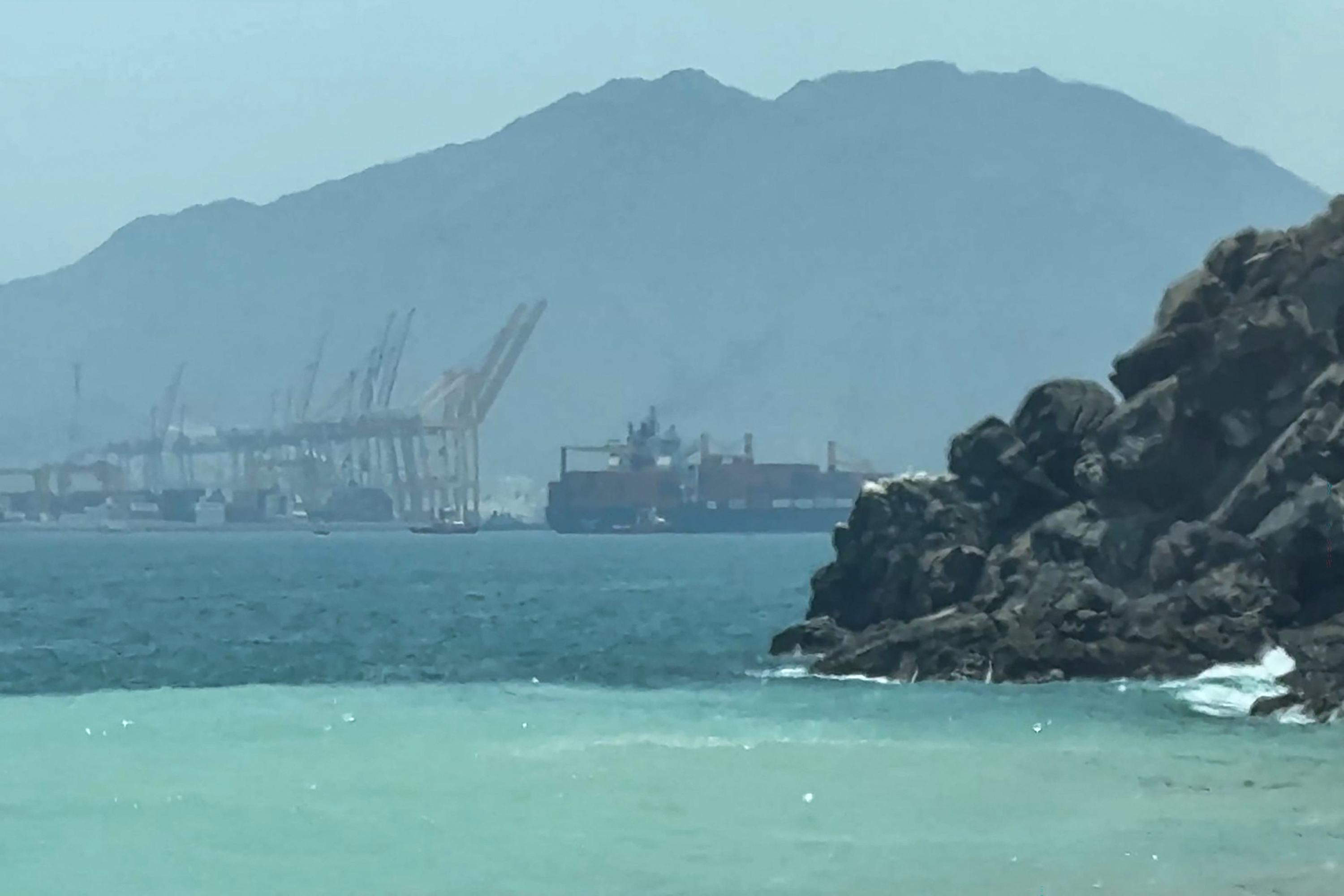 A ship sailing near the Strait of
Hormuz off Khor Fakkan, UAE, July 12. Photo: AFPTV
A ship sailing near the Strait of
Hormuz off Khor Fakkan, UAE, July 12. Photo: AFPTV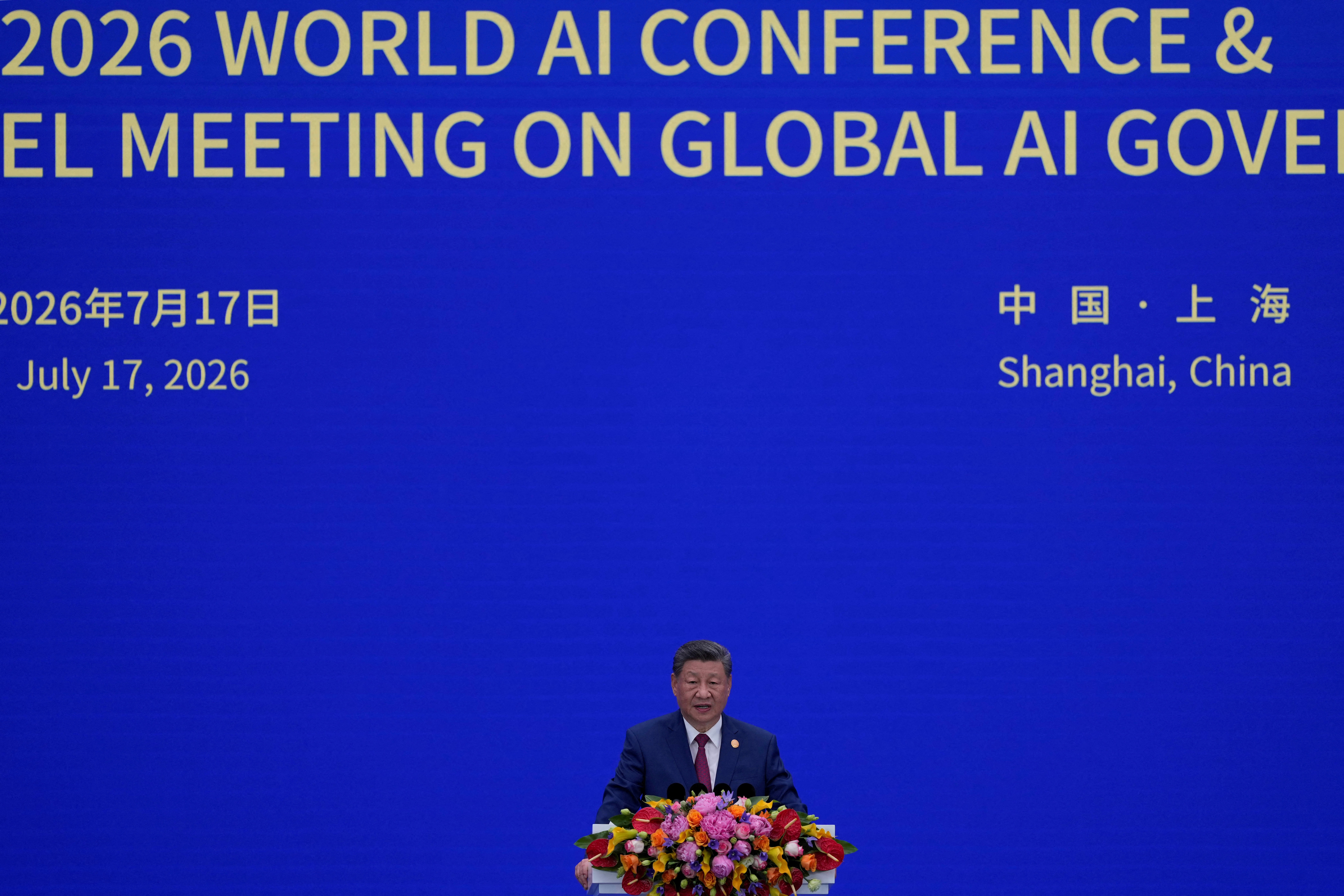 Xi Jinping at the opening of the
World AI Conference in Shanghai, July 17. Photo: Ng Han Guan/Reuters
Xi Jinping at the opening of the
World AI Conference in Shanghai, July 17. Photo: Ng Han Guan/Reuters Zuleiry Martinez kisses her sister’s
ashes before burial at Tarmas cemetery, La Guaira, July 15. Photo: Pablo
Sanhueza/Reuters
Zuleiry Martinez kisses her sister’s
ashes before burial at Tarmas cemetery, La Guaira, July 15. Photo: Pablo
Sanhueza/Reuters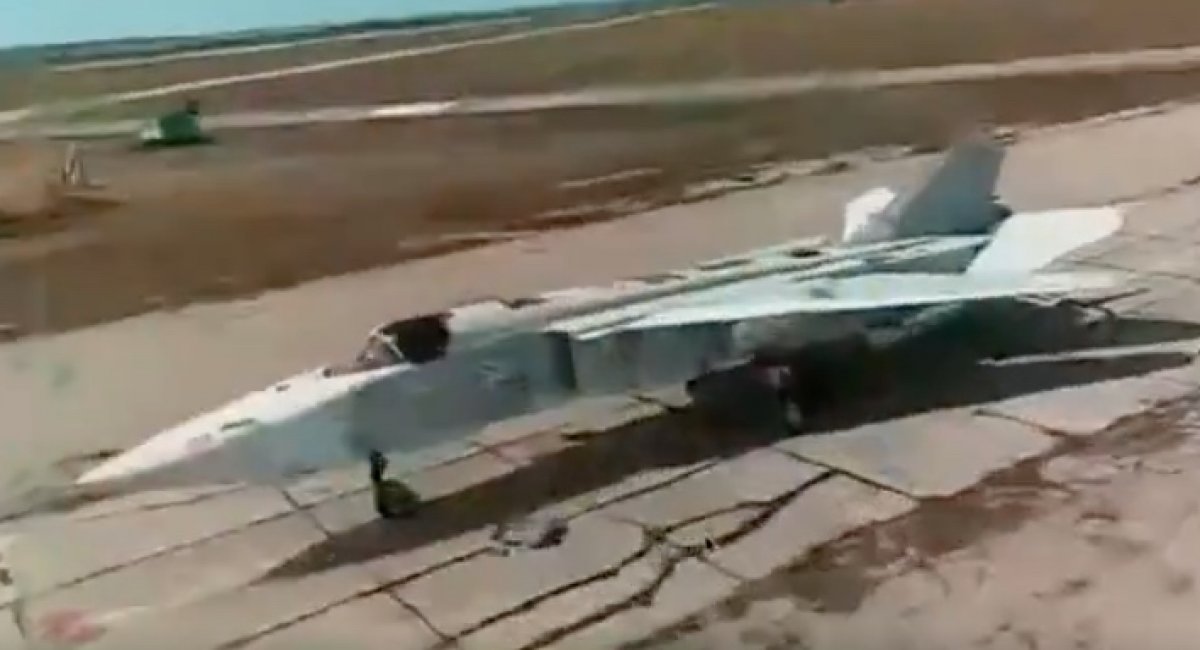 A Russian Su-24M bomber destroyed at
Saky airbase, Crimea, July 16. Photo: Ukrainian Special Forces strike
video
A Russian Su-24M bomber destroyed at
Saky airbase, Crimea, July 16. Photo: Ukrainian Special Forces strike
video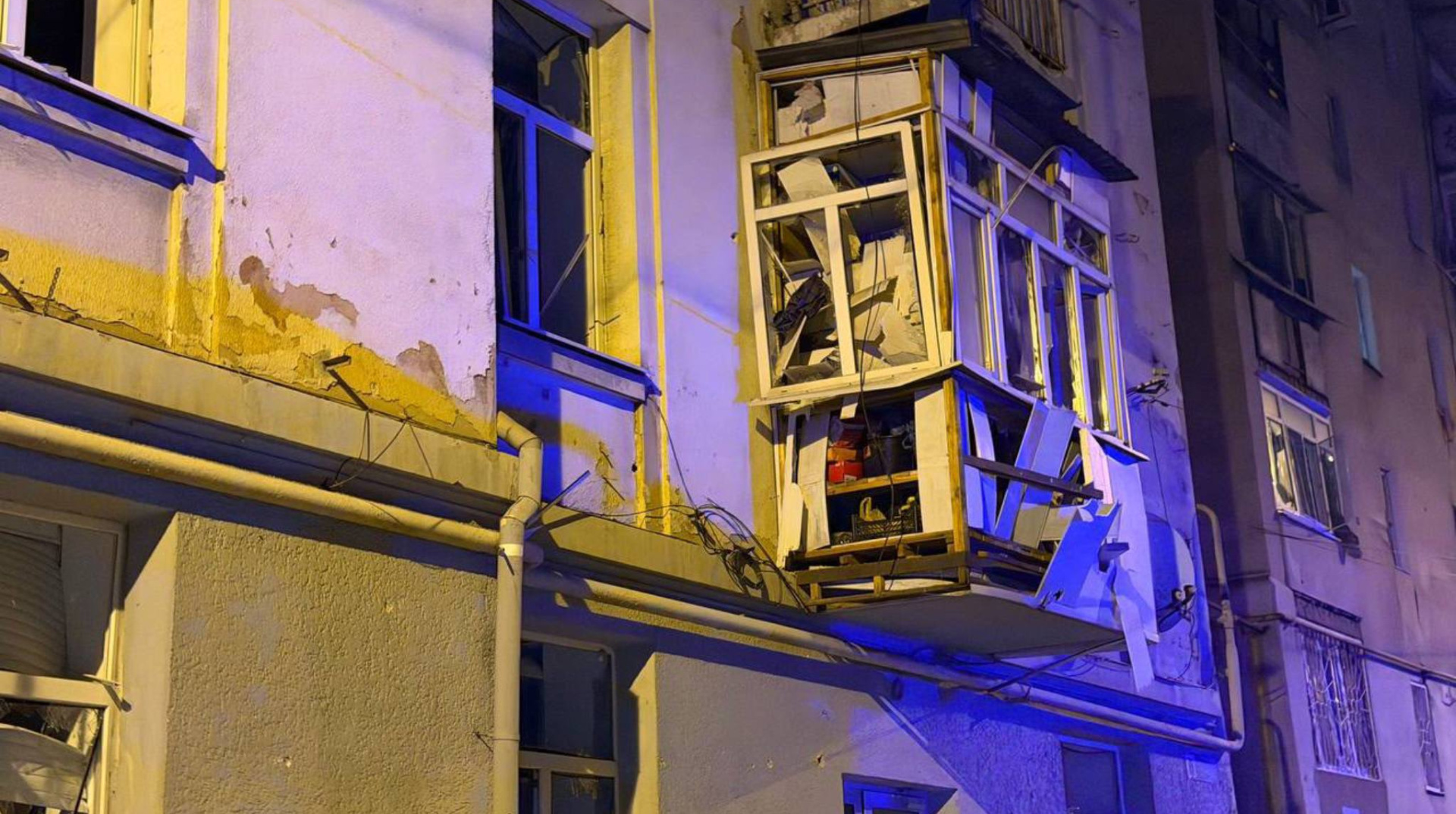 A damaged balcony after the Russian
missile strike on Odesa, July 17. Photo: Odesa Oblast Military
Administration
A damaged balcony after the Russian
missile strike on Odesa, July 17. Photo: Odesa Oblast Military
Administration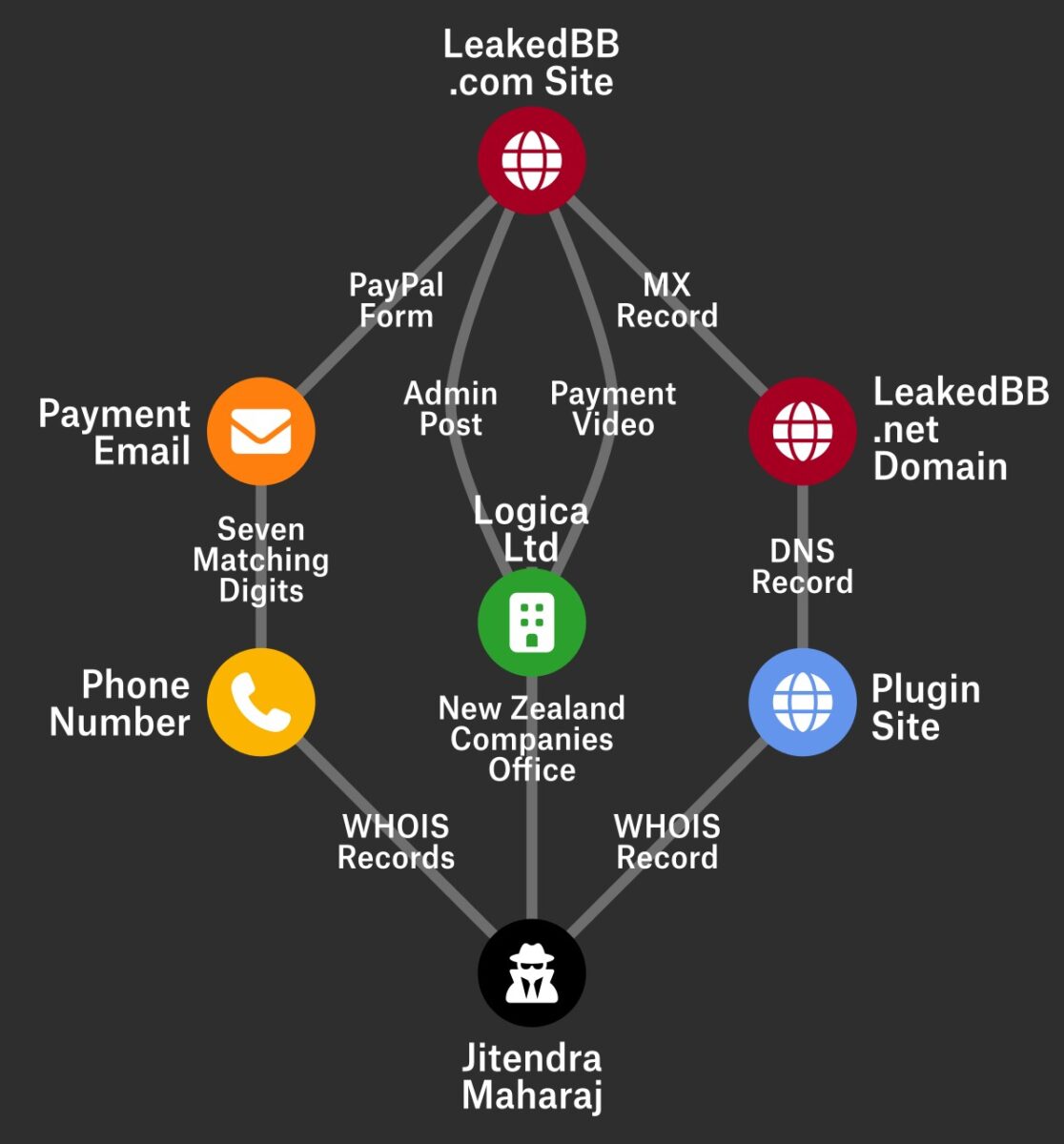 Bellingcat’s connection graphic
linking payment streams, company records, and domain registrations to
Jitendra Maharaj.
Bellingcat’s connection graphic
linking payment streams, company records, and domain registrations to
Jitendra Maharaj.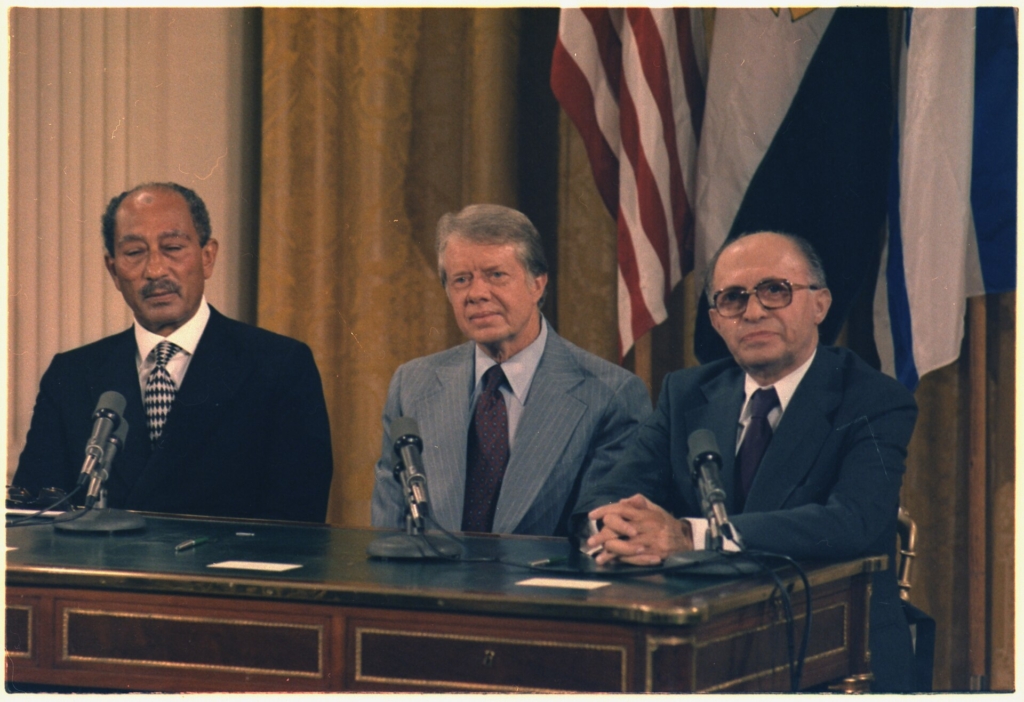 Sadat, Carter, and Begin at the Camp
David Accords signing. Photo: NARA
Sadat, Carter, and Begin at the Camp
David Accords signing. Photo: NARA Turso’s modern Postgres
implementation compiles SQL dialects to a universal bytecode layer.
Turso’s modern Postgres
implementation compiles SQL dialects to a universal bytecode layer. Comic Chat converting an IRC
conversation into an illustrated comic panel.
Comic Chat converting an IRC
conversation into an illustrated comic panel.