Deep-Strike
Campaign Reaches 800+ km; Germany Funds 50,000 Strike Drones
Ukraine struck the Syzran oil refinery in Samara Oblast — roughly 800
km from the front, capacity 8.5 million tons/year — overnight July
11–12, then set ablaze a LUKOIL depot in Stavropol Krai (~1,500 km away)
the following night, with drones also triggering air-defence responses
west of Moscow. Battle-damage assessments confirm the July 9 Tver depot
strike destroyed three tanks and the July 10 Novatek Ust-Luga strike
(1,100 km out) damaged its refining unit. Separately, Germany has
committed to funding 50,000 strike drones — a major expansion of
Ukraine’s long-range reach. Russian milbloggers warn the country relies
on a Soviet-era air-defence model unable to intercept low-altitude
drones, and that refinery and substation damage cannot be repaired
quickly.
Russia
Deepens Hold in Kostyantynivka as Azov’s ‘Operation Hell’ Dismantles a
Rear Hub
Russian forces have secured a foothold across eastern Kostyantynivka
(Teatralna to Bulgakov streets) and are now fighting near the central
Metalurh Stadium and City Hospital No. 1 in the west; foliage and rubble
are blunting Ukrainian drones while Russia’s glide-bomb campaign
intensifies. Fighting is assessed to run at least through August.
Meanwhile Ukraine’s 1st Azov Corps ran “Operation Hell” — a sequenced
strike on a fuel logistics hub near Novoamvrosiivske (~110 km back,
previously thought beyond reach): crews destroyed a railway crane,
blocked the line by hitting a locomotive, knocked out the electrical
substation, then struck the fuel tanks, forcing Russia to abandon the
node. Some 257 combat engagements were recorded across all fronts in a
day, heaviest on the Sloviansk, Pokrovsk and Kostyantynivka axes.
Zelensky
Reshuffles Cabinet; Trump Softens on Ukraine After Intelligence
Briefing
Zelensky announced that PM Denys Shmyhal will step down and that
Yulia Svyrydenko will be reassigned — reports point to her becoming
Ukraine’s new US ambassador — with the incoming cabinet explicitly
tasked with executing Patriot interceptor production under US licences
and building a European anti-ballistic shield. The reshuffle coincides
with a notable shift in Washington: the Wall Street Journal reports
Trump softened his Ukraine rhetoric after an intelligence briefing on
Kyiv’s rapidly expanding long-range strike capabilities. On air defence,
Poland transferred five Patriot interceptors, but Ukraine has not
intercepted a single Russian ballistic missile in nine consecutive days
amid critical shortages. On sanctions, EU ambassadors failed to agree
the 21st Russia package — with Patriarch Kirill and Lukoil founder
Alekperov reportedly dropped from the draft — pushing the decision to
foreign ministers on July 13.
Senator
Lindsey Graham Dies; Kremlin Propaganda Exploits an Ally’s Death
US Senator Lindsey Graham, 71 — one of the most vocal Republican
advocates for Ukraine — has died after a brief and sudden illness,
having visited Zelensky in Kyiv just days earlier. Russian state media
promptly taunted Trump over his death; a Russian opposition figure
alleged Kremlin involvement, though this is unverified and widely
treated as speculation. Graham’s death removes a key institutional voice
in the Senate for continued military support and for arming Ukraine with
more advanced weaponry.
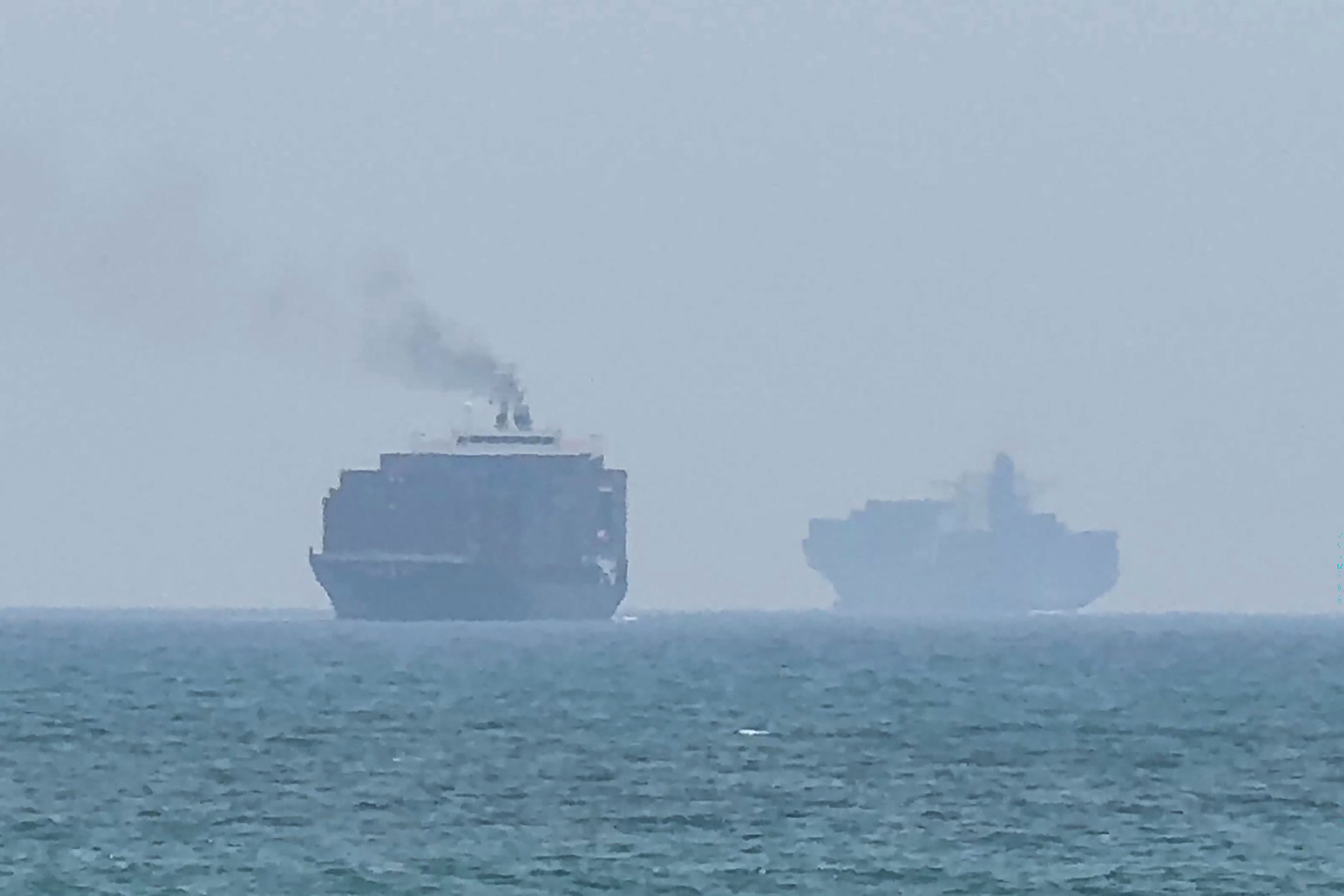 Cargo ships anchored near the Strait
of Hormuz off the eastern coast of the UAE, July 12. Photo: AFP
Cargo ships anchored near the Strait
of Hormuz off the eastern coast of the UAE, July 12. Photo: AFP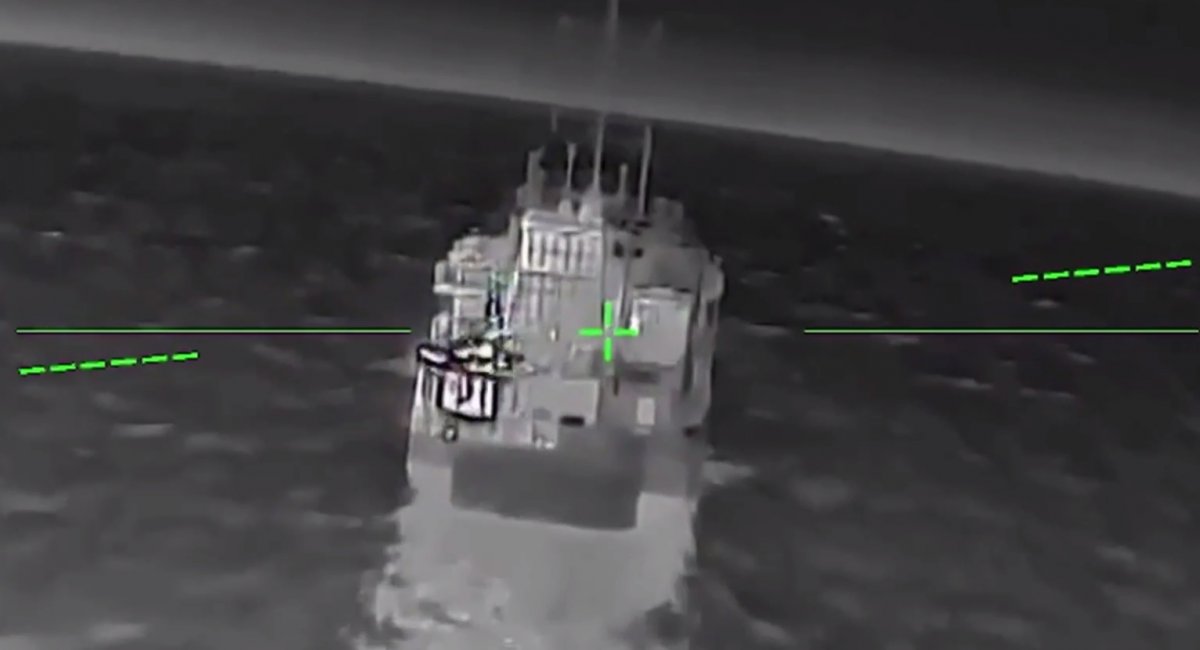 Video screenshot from a Ukrainian
drone strike on a Russian shadow-fleet tanker in the Sea of Azov, part
of the campaign that reached 90 vessels struck by July 12.
Video screenshot from a Ukrainian
drone strike on a Russian shadow-fleet tanker in the Sea of Azov, part
of the campaign that reached 90 vessels struck by July 12. Emergency personnel work next to
casualties at the site of the deadly pub fire in Bangkok’s Chatuchak
district. Photo: Reuters
Emergency personnel work next to
casualties at the site of the deadly pub fire in Bangkok’s Chatuchak
district. Photo: Reuters Israeli PM Benjamin Netanyahu speaks
at a ceremony in occupied East Jerusalem. Photo: AFP
Israeli PM Benjamin Netanyahu speaks
at a ceremony in occupied East Jerusalem. Photo: AFP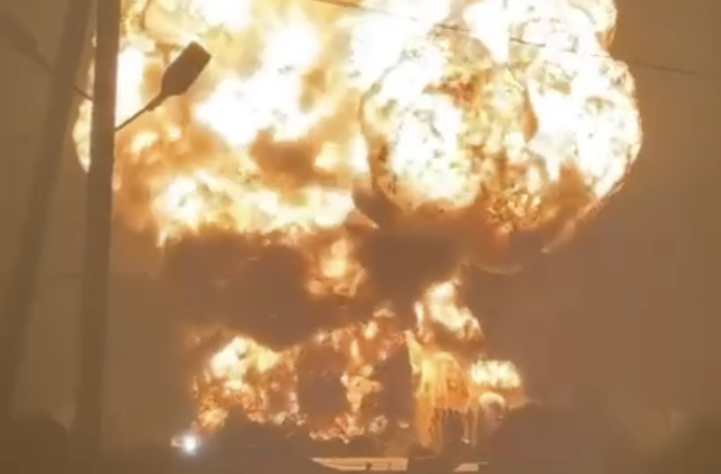 A bright explosion lights up the
night sky at the Mikhailovskaya oil depot in Stavropol Krai following a
Ukrainian strike, July 12–13. Photo: Kyiv Independent
A bright explosion lights up the
night sky at the Mikhailovskaya oil depot in Stavropol Krai following a
Ukrainian strike, July 12–13. Photo: Kyiv Independent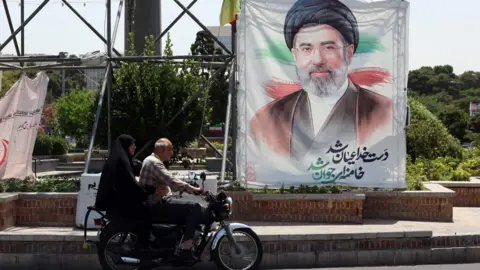 A couple pass a large portrait of
Supreme Leader Ayatollah Mojtaba Khamenei on a street in Tehran. Photo:
BBC
A couple pass a large portrait of
Supreme Leader Ayatollah Mojtaba Khamenei on a street in Tehran. Photo:
BBC Header graphic for the Apple
SQL-injection-to-RCE research writeup. Image: ProjectDiscovery
Header graphic for the Apple
SQL-injection-to-RCE research writeup. Image: ProjectDiscovery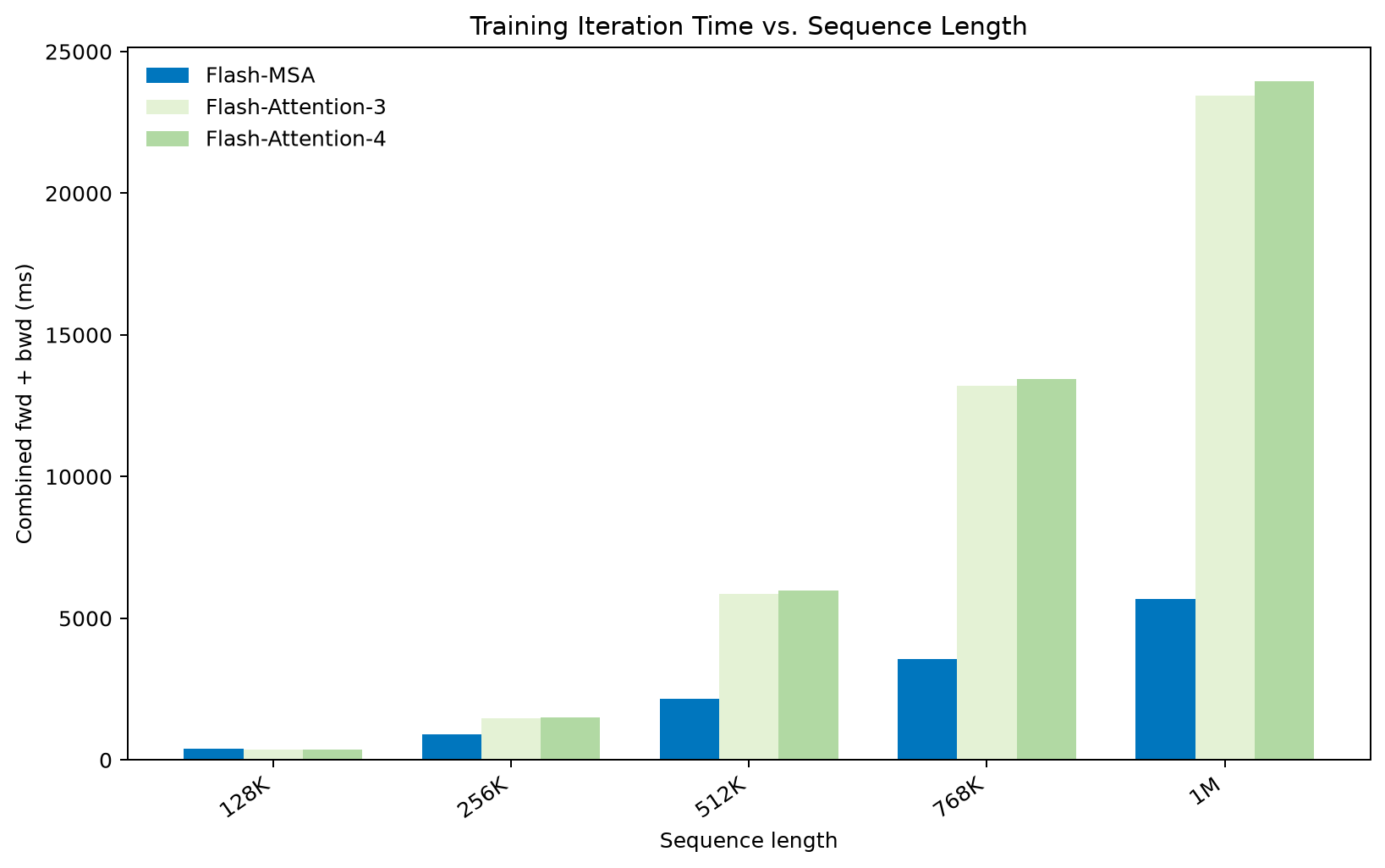 Benchmark chart comparing Flash-MSA
vs Flash-Attention training-step performance across sequence length.
Image: Flash-MSA
Benchmark chart comparing Flash-MSA
vs Flash-Attention training-step performance across sequence length.
Image: Flash-MSA The Claude Reflect dashboard — topic
breakdowns, task-type distributions and temporal patterns. Image:
Anthropic
The Claude Reflect dashboard — topic
breakdowns, task-type distributions and temporal patterns. Image:
Anthropic Hero image for Claude Tag —
Anthropic’s multiplayer Slack agent integration. Image: Anthropic
Hero image for Claude Tag —
Anthropic’s multiplayer Slack agent integration. Image: Anthropic