US–Iran
ceasefire collapses in the largest exchange of strikes yet — Hormuz
shipping grinds to a halt
The three-week-old memorandum of understanding broke down
spectacularly this week. Trump declared the truce “over” at the NATO
summit in Ankara — calling Iranians “scum” and “very dishonourable
people” — after Iran refused to stop attacking Gulf shipping. Iran
struck three tankers in the Strait of Hormuz, fired ten ballistic
missiles at Jordan’s Azraq air base, and hit US infrastructure in
Bahrain, Kuwait and Qatar; US CENTCOM answered with roughly 90 strikes
on Iranian air defences, coastal surveillance and missile-storage sites,
including the port of Bandar Abbas, where residents described two nights
of explosions.
The exchange unfolded on the day Iran buried the late Supreme Leader
Ali Khamenei in Mashhad (see World).
Hormuz traffic has plunged sharply — data shows a steep fall in oil, gas
and cargo ships using the corridor — though Brent has held near $78.80,
markets reading the flare-up as tactical rather than terminal. The White
House is reportedly bracing for a prolonged conflict even as a US
official confirms technical diplomatic talks remain open. Trump’s exits
are all bad: full escalation risks severe retaliation and huge cost;
walking away leaves a contested strait and expensive energy; and
re-negotiating with people he has just called “scum” is toxic at home.
Retired Admiral Stavridis floated a Kharg Island blockade as the
least-bad option — “We’re bringing a knife to a knife fight, but we’ve
got a gun” — with heavy caveats.
Ukraine’s
strike campaign hits new scale: 35 Azov tankers in 96 hours, six Russian
regions without fuel
Ukraine’s Unmanned Systems Forces struck 35 Russian vessels in the
Sea of Azov in 96 hours — 14 in a single night on 8–9 July, including 12
gasoline tankers — alongside 45 military targets in occupied Crimea (the
Saky thermal plant and three oil depots), depots in Stavropol, Tver and
Rostov, and drones over Moscow that briefly suspended Domodedovo
airport. The Ilsky refinery in Krasnodar Krai was hit again on 10 July.
Up to 40% of Russia’s refining capacity is now disrupted, and six
regions — Kabardino-Balkaria, Ingushetia, Chechnya, Dagestan, Magadan
and Chukotka — have no functioning public filling stations.
Zelenskyy is pressing allies to say when promised Patriots arrive
amid an air-defence shortage, and wants domestic Patriot production
started after Trump’s blessing. But three sources close to the Kremlin
told Reuters that Putin is more likely to escalate than negotiate — a
direct rejection of the US peace push (more in Ukraine).
OpenAI
releases the GPT-5.6 family — Sol leads on agents, Fable holds
SWE-Bench
OpenAI shipped GPT-5.6 yesterday as a three-tier family — Luna,
Terra, Sol — all live via API and Codex. Sol sets a new Terminal-Bench
2.1 SOTA (88.8%, 91.9% in ultra mode), leads DeepSWE v1.1 at 72.7%, and
beats Claude Fable 5 on Agents’ Last Exam by 13.1 points. Fable 5 still
leads SWE-Bench Pro (~80% vs Sol’s 64.6%), though OpenAI flagged
methodology concerns with that benchmark. The headline new capability is
programmatic tool calling — model-written JavaScript in
an isolated, network-free V8 runtime — with an “ultra” mode coordinating
four parallel agents. Cache writes now cost 1.25× the uncached rate,
echoing Claude’s pattern. For agentic coding, Sol is competitive but
doesn’t decisively surpass Fable on complex repository work (more in
AI & Automation).
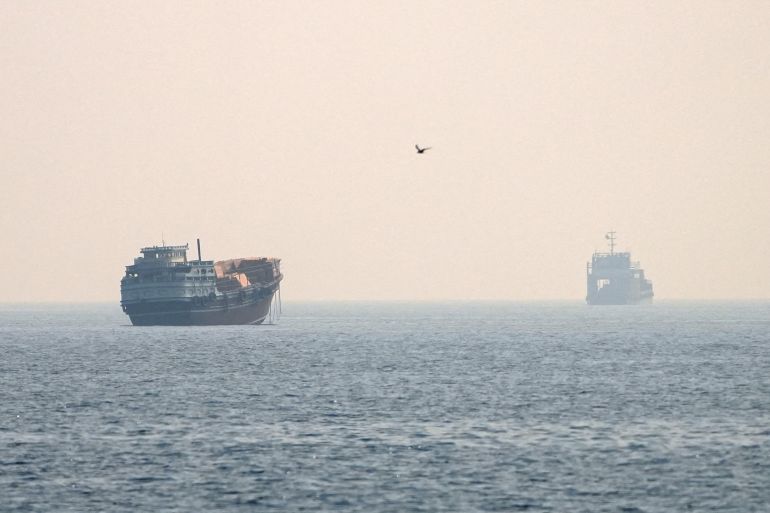 Vessels in the Strait of Hormuz,
seen from Musandam, Oman, on 8 July 2026. Photo: Reuters
Vessels in the Strait of Hormuz,
seen from Musandam, Oman, on 8 July 2026. Photo: Reuters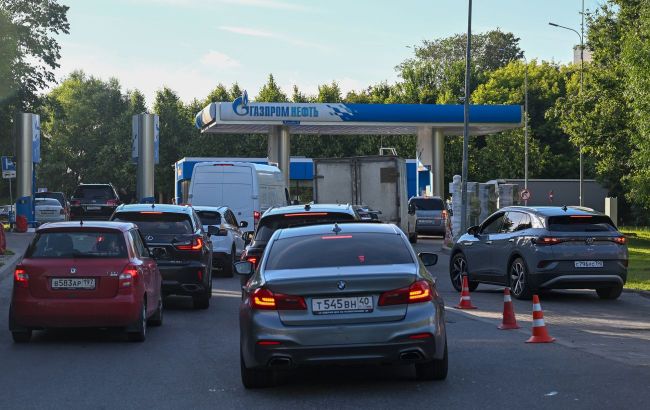 A shuttered filling station in
Russia; six regions now have no public fuel supply after strikes on oil
infrastructure.
A shuttered filling station in
Russia; six regions now have no public fuel supply after strikes on oil
infrastructure.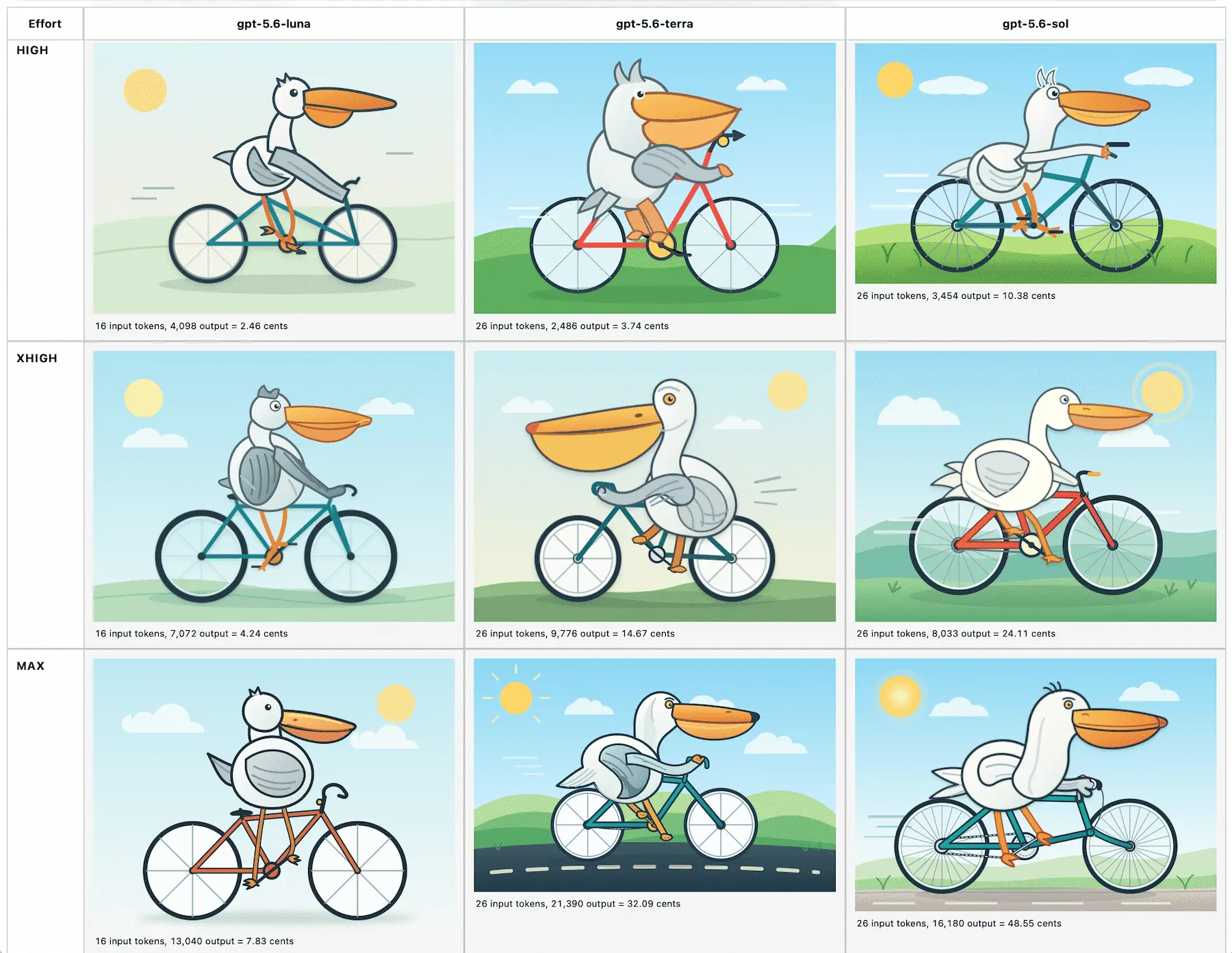 A grid of nine pelicans riding
bicycles generated by GPT-5.6 across reasoning-effort levels. Image:
Simon Willison
A grid of nine pelicans riding
bicycles generated by GPT-5.6 across reasoning-effort levels. Image:
Simon Willison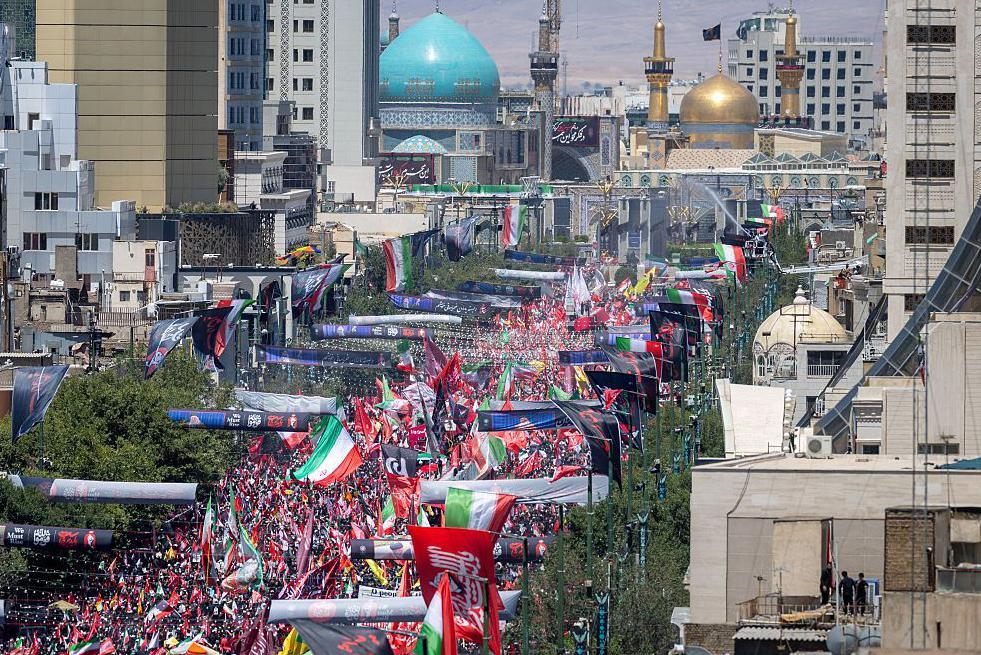 Mourners on a boulevard in Mashhad
ahead of the burial of Ayatollah Ali Khamenei, 9 July 2026.
Mourners on a boulevard in Mashhad
ahead of the burial of Ayatollah Ali Khamenei, 9 July 2026.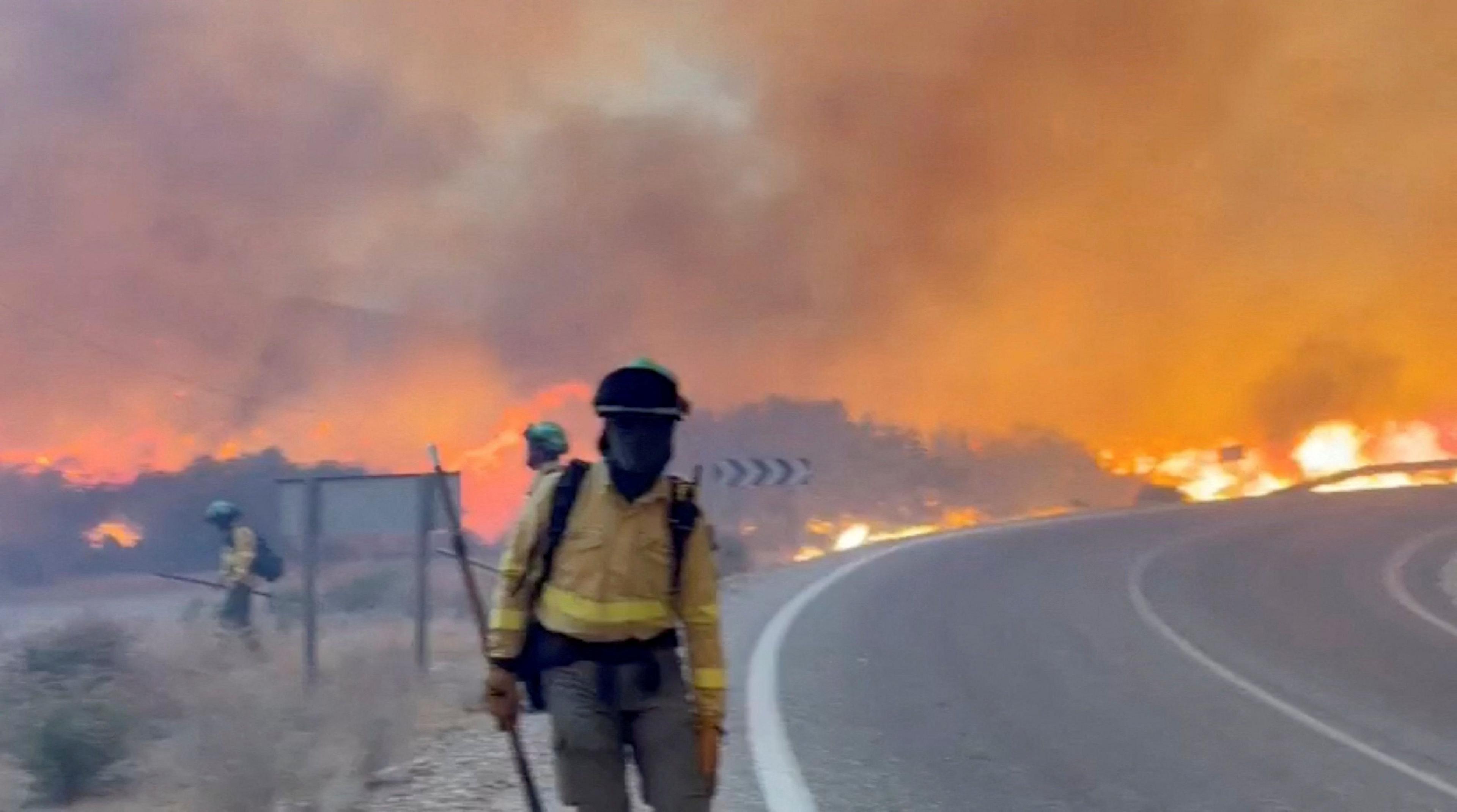 An emergency worker beside a road in
Almería as a wildfire rages behind. Photo: BBC
An emergency worker beside a road in
Almería as a wildfire rages behind. Photo: BBC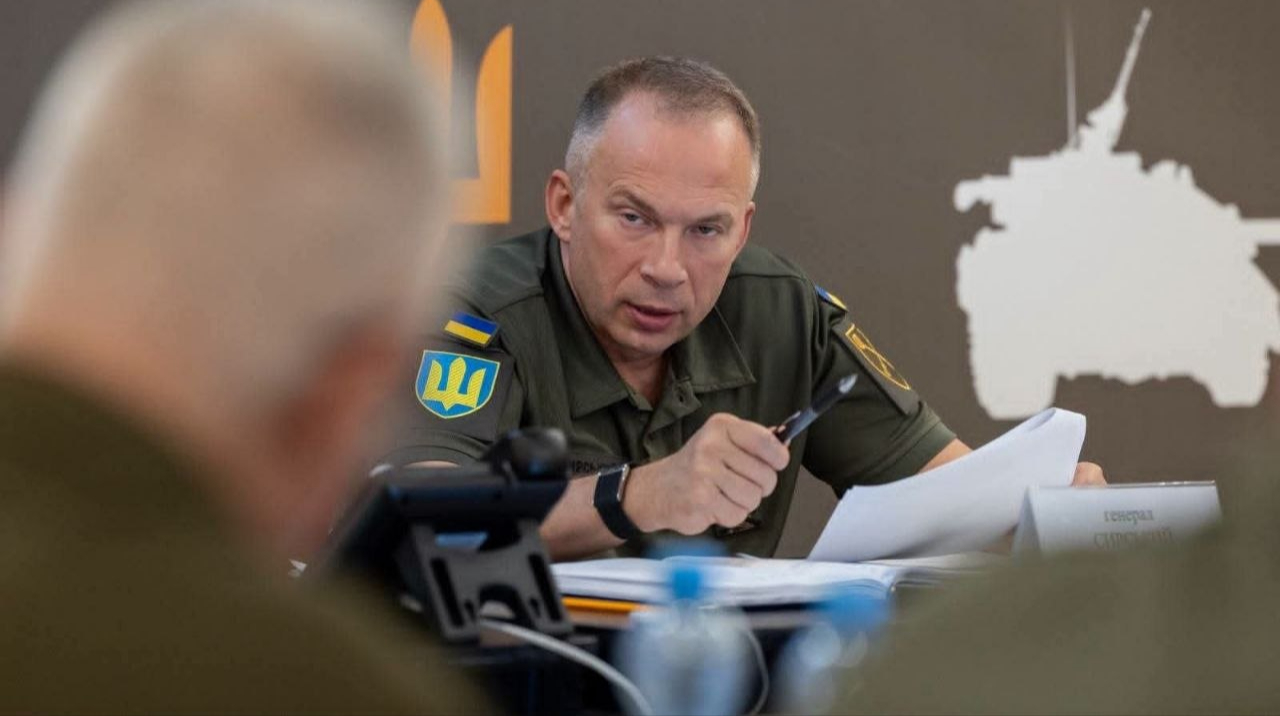 General Oleksandr Syrskyi,
Commander-in-Chief of the Armed Forces of Ukraine.
General Oleksandr Syrskyi,
Commander-in-Chief of the Armed Forces of Ukraine.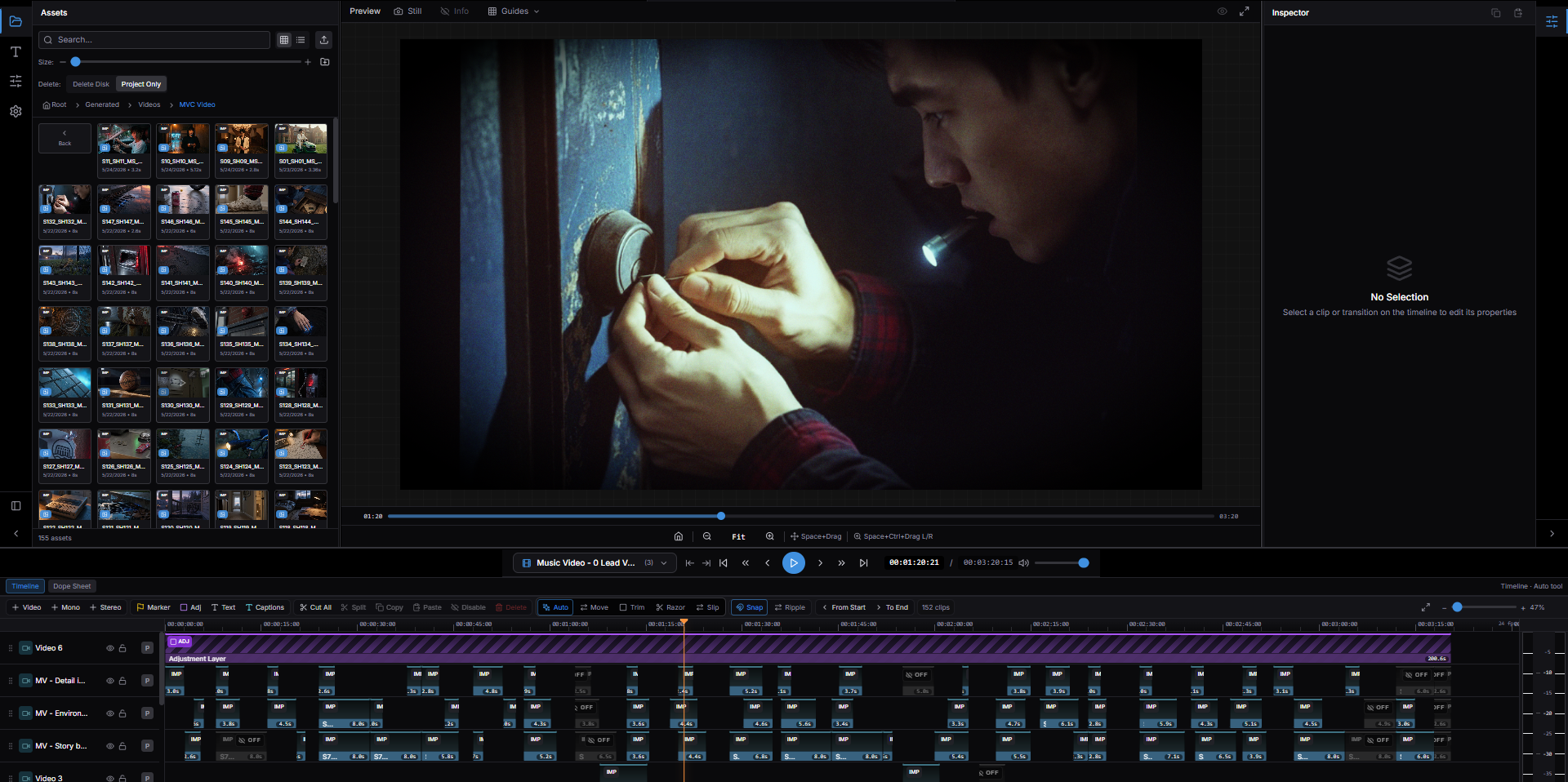 Velorn’s editor — multi-track
timeline, AI-generated asset browser, and preview inspector.
Velorn’s editor — multi-track
timeline, AI-generated asset browser, and preview inspector.