Russia
strikes Kyiv with 419 aerial assets on eve of NATO summit; not one
ballistic missile intercepted
Russia launched a massive overnight assault on July 5–6, firing 419
aerial assets — including 29 ballistic missiles — at Kyiv and
surrounding oblasts. Ukraine’s air defences downed 363, but failed to
intercept a single ballistic missile, confirming an acute shortage of
Patriot interceptors capable of engaging ballistic targets. At least 21
were killed and 46 injured in the capital; a nine-storey residential
block in Podilskyi district partially collapsed with people trapped, and
six oblasts lost power. Russia also hit the Vizar plant, a Neptune
anti-ship missile producer.
It was the second mass strike on Kyiv in under a week. Zelensky had
forecast it — “This is typical of Putin: right after America’s
Independence Day and before the NATO summit in Ankara” — and
reported Russia had fired roughly 2,200 strike drones, 1,730+ glide
bombs and 106 missiles in the past week alone. Kyiv has declared July 7
a Day of Mourning; intelligence warns another mass strike is already
being prepared.
NATO opens in Ankara —
as a cash machine
The first NATO summit hosted by Turkey in 22 years opens in Ankara,
with Trump arriving to enforce the spending pledges he extracted last
year and to meet Zelensky on the sidelines on July 8. His strategy has
crystallised into a transactional two-track: demand allies hit 5% of GDP
or lose US backing, while reorganising the Pentagon to prioritise
foreign military sales — Hegseth has explicitly tied higher spending to
faster US arms deliveries. Politico calls it turning the alliance into a
cash machine; a planned Tomahawk transfer to Germany was cancelled over
escalation fears, leaving allies pushed to buy American without the
long-range capability they want.
Two counterweights to the transactional frame: the FT reports Russia
refuses substantive talks before February 2027, banking on US pressure
to squeeze Kyiv — even as VP Vance judged Russia’s offensive capability
“approaching zero.” And Ukraine is arriving not just as a buyer but a
seller, hoping to sign defence deals with at least seven NATO states,
offering hard-won expertise in drones, radar and battlefield AI.
Sharpening it all, The Telegraph reports a US warning that Russia is
planning an attack on Poland to test the alliance’s resolve.
Iran
buries Khamenei as the IRGC seizes Hormuz — and the heir stays
hidden
Millions filled Tehran for the funeral procession of assassinated
Supreme Leader Ali Khamenei, chanting calls for Trump’s death in what
The Guardian called “an extraordinary exercise in mass grief and
political theatre.” Iran is using the six-day mourning period to assert
control over the Strait of Hormuz — moving from warnings to action,
forcing at least eight ships to turn back Saturday with more on Sunday,
and competing with Oman for authority over the world’s most critical oil
chokepoint. Quranic recitations doubled as coded diplomacy: Hezbollah’s
name-verse pointedly recited for Lebanese delegates; the UAE boycotting
entirely.
The succession, though, is not going to script. Designated heir
Mojtaba Khamenei was absent from all six days — reportedly because he
sustained severe injuries, including facial disfigurement, in the
February strike that killed his father. Three brothers attended; Mojtaba
did not, and no official medical statement has been issued, undermining
the regime’s choreographed continuity narrative at the most fragile
transition Iran has faced in decades.
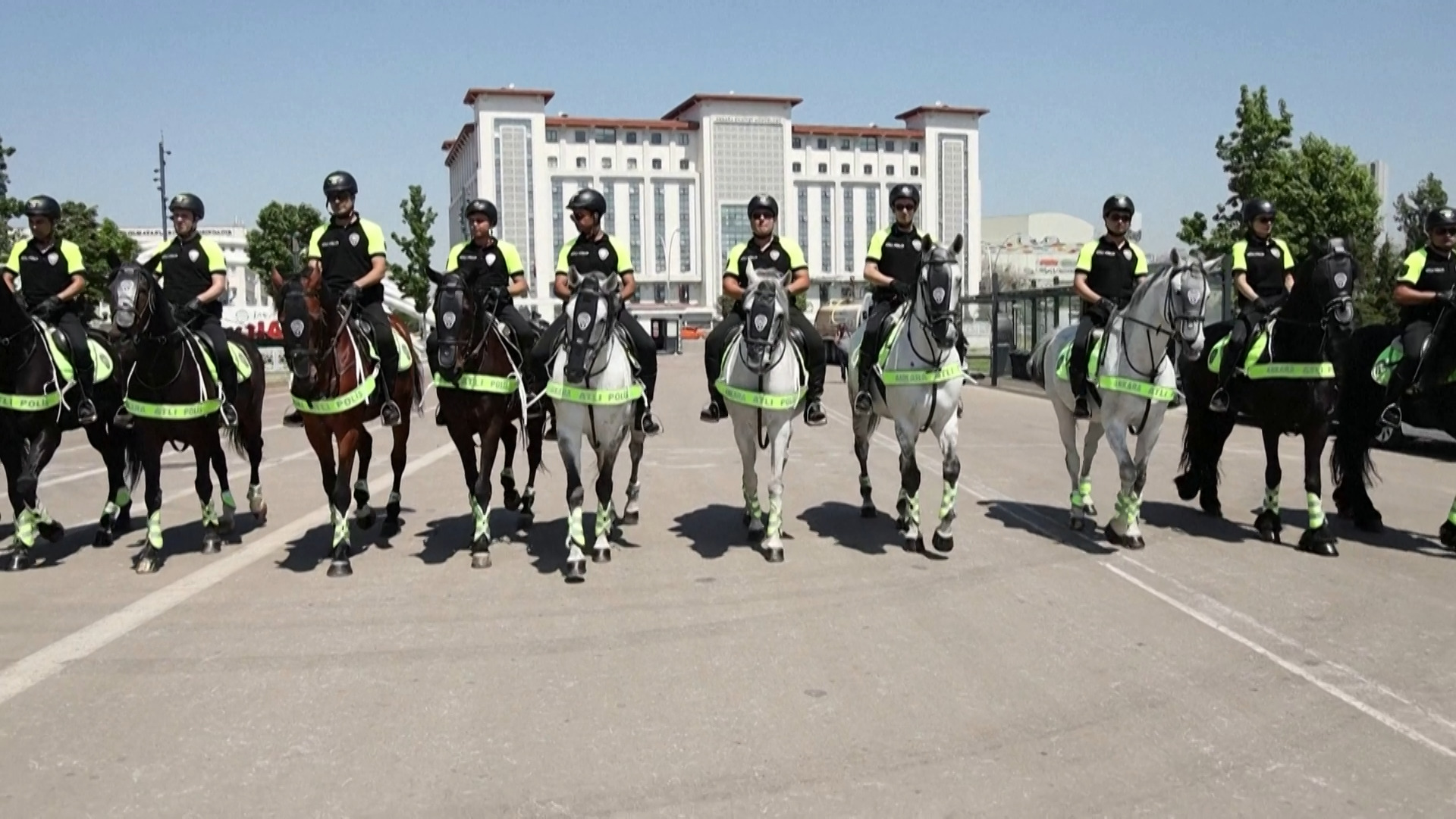 Ankara prepares to host NATO for the
first time in 22 years. Photo: Al Jazeera
Ankara prepares to host NATO for the
first time in 22 years. Photo: Al Jazeera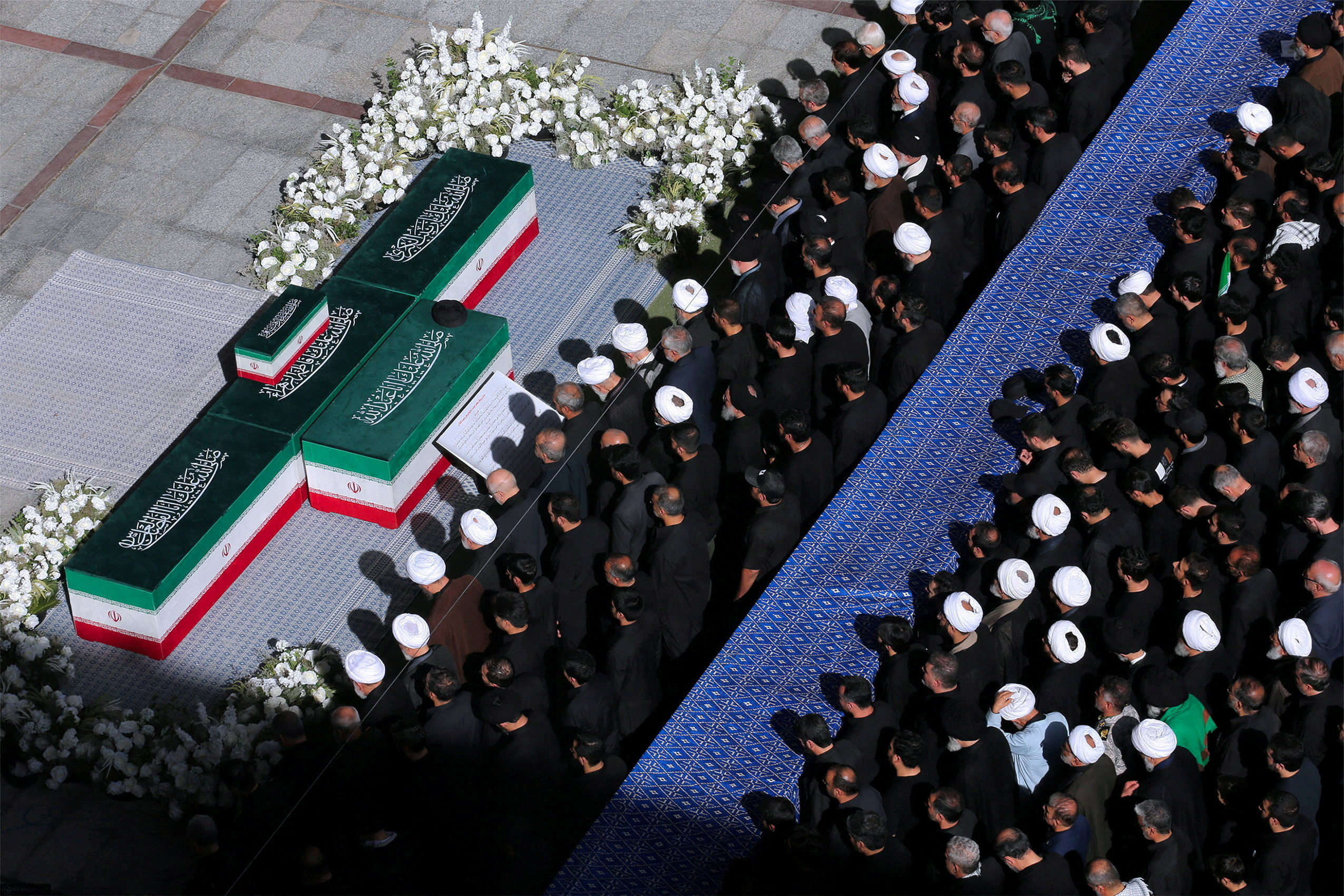 President Pezeshkian and officials
at the farewell ceremony for Ayatollah Khamenei, Tehran, July 5, 2026.
Photo: Reuters
President Pezeshkian and officials
at the farewell ceremony for Ayatollah Khamenei, Tehran, July 5, 2026.
Photo: Reuters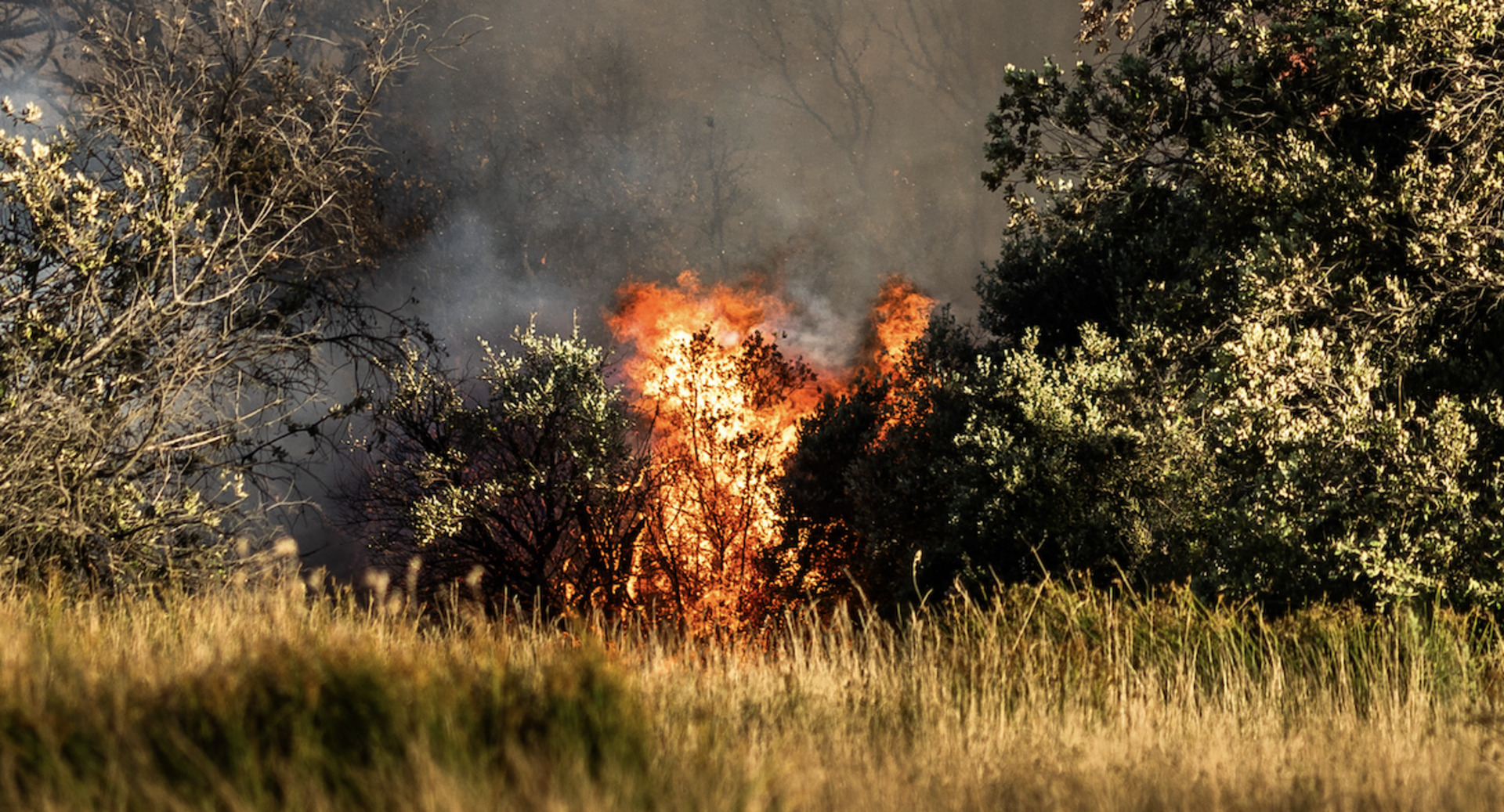 A fast-moving wildfire tears through
southern France near the Spanish border. Photo: Al Jazeera
A fast-moving wildfire tears through
southern France near the Spanish border. Photo: Al Jazeera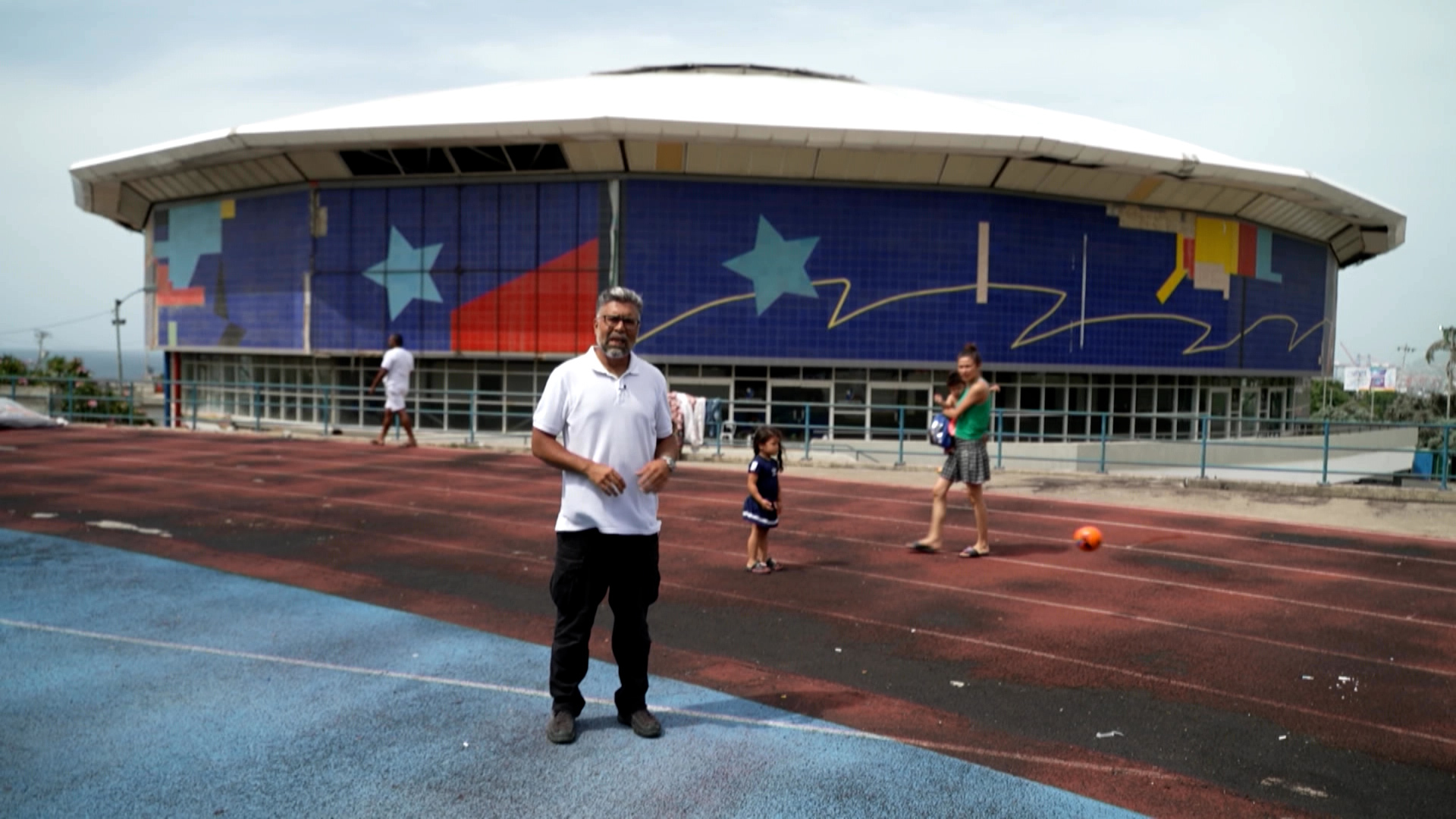 A sports stadium in La Guaira
converted to a shelter for thousands displaced by the June 24
earthquakes. Photo: Al Jazeera
A sports stadium in La Guaira
converted to a shelter for thousands displaced by the June 24
earthquakes. Photo: Al Jazeera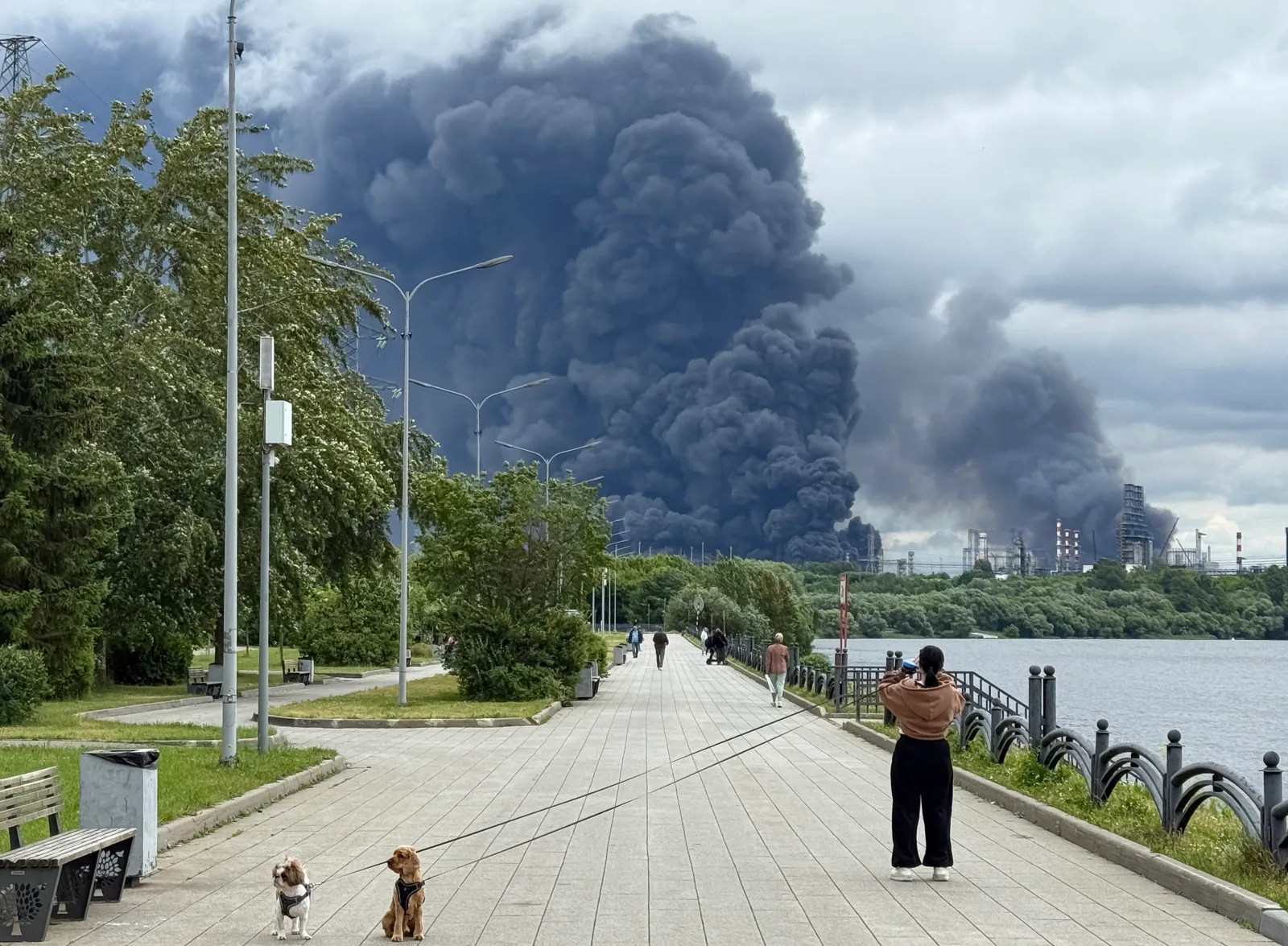 Black smoke rising from Gazprom
Neft’s Moscow refinery after an earlier strike. Photo: Getty Images
Black smoke rising from Gazprom
Neft’s Moscow refinery after an earlier strike. Photo: Getty Images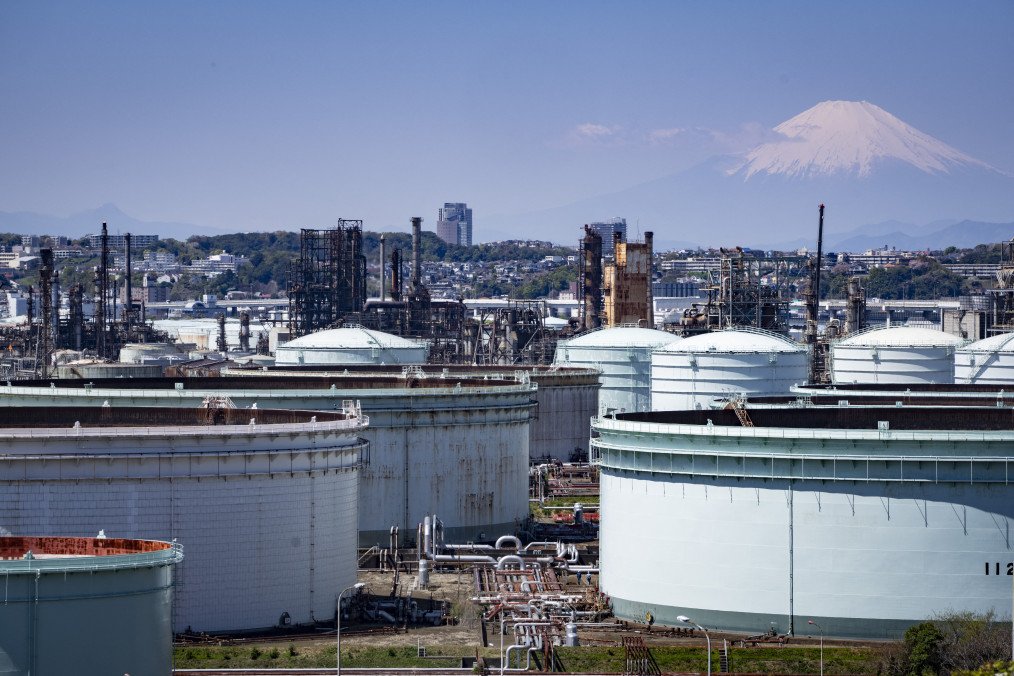 Refinery storage tanks in Japan,
with Mount Fuji beyond — the origin of aviation fuel now being routed
covertly to Russia. Photo: United24
Refinery storage tanks in Japan,
with Mount Fuji beyond — the origin of aviation fuel now being routed
covertly to Russia. Photo: United24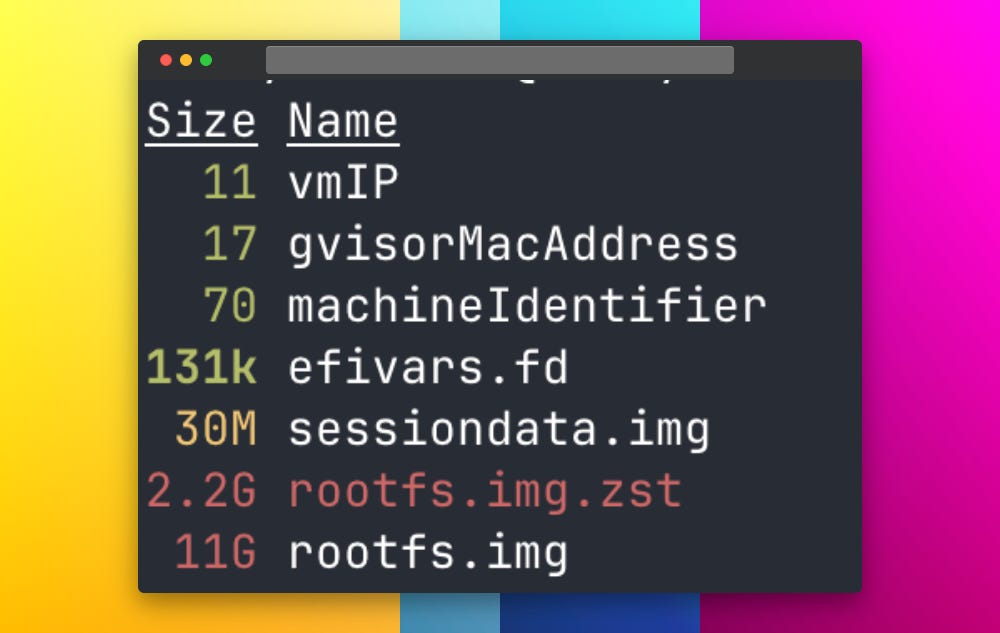 Inside the VM bundle: Ubuntu root
filesystem, EFI firmware, a scratch disk, and virtual networking.
Diagram: The First Derivative
Inside the VM bundle: Ubuntu root
filesystem, EFI firmware, a scratch disk, and virtual networking.
Diagram: The First Derivative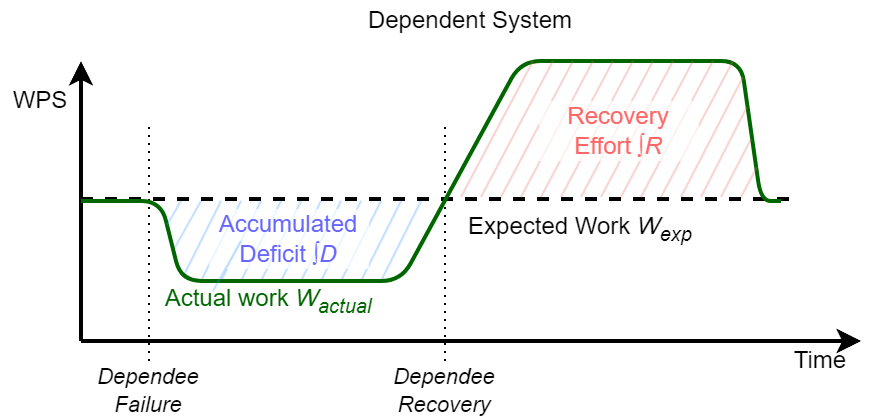 Amplified recovery — the feedback
loop where recovery work exceeds capacity and causes perpetual
instability. Chart: charap.co
Amplified recovery — the feedback
loop where recovery work exceeds capacity and causes perpetual
instability. Chart: charap.co Bench Press: leaking text nodes with
CSS alone. Image: pspaul.de
Bench Press: leaking text nodes with
CSS alone. Image: pspaul.de