Russia’s deadliest-ever Kyiv attack kills 30 — and Ukraine burns the fuel back
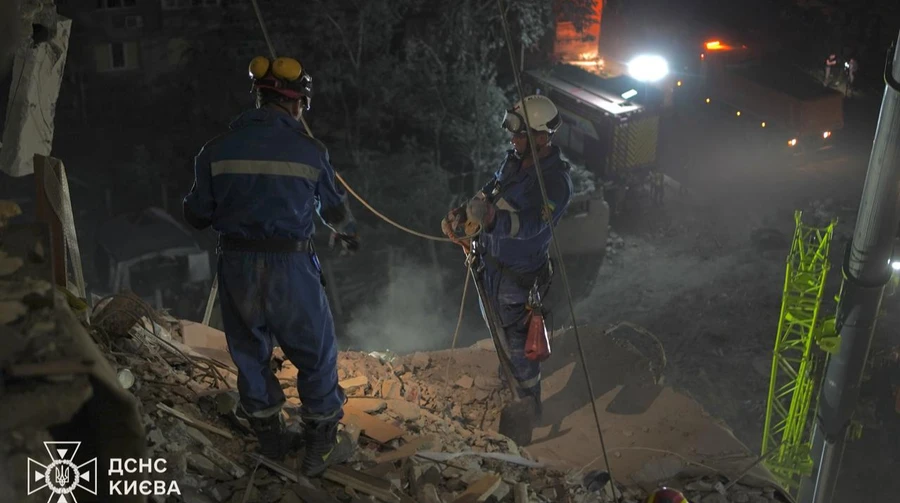 Rescue workers search the rubble of
a destroyed Kyiv residential building. Photo: State Emergency Service of
Ukraine
Rescue workers search the rubble of
a destroyed Kyiv residential building. Photo: State Emergency Service of
Ukraine
Russia launched what Ukrainian officials called the largest missile-and-drone barrage of the war on Kyiv, deploying a record number of Iskander ballistic and Zircon hypersonic missiles — nearly all of which reached their targets, overwhelming air defenses. At least 30 civilians were killed and 90+ wounded; a nine-storey apartment block was destroyed and a Red Cross warehouse holding over 320,000 relief items wiped out. ISW flags a qualitative shift: Russia is now fielding jet-engine drones flying up to 500 km/h — too fast for mobile fire groups — and Shaheds tuned to a new 3,900–4,100 MHz band to defeat Ukrainian EW.
Ukraine is answering in kind, deeper. Its Unmanned Systems Forces blacked out 12 Crimean substations in 48 hours, drones set the Kstovo Lukoil refinery ablaze 780 km inside Russia, and Kyiv is now reportedly targeting the last two refineries still supplying Moscow. The cumulative toll is impossible to deny inside Russia: a 35 km fuel queue in Zabaykalsky krai, pump prices now above US levels, seaborne gasoline imports from India, and — a genuine first — top Russian bankers publicly admitting the war is hurting the economy.
BBC · Kyiv Post: Kyiv strike · Ukrainska Pravda: toll rises to 30 · ISW, July 2 · NewsUkraine: last two refineries · Politico EU: running on fumes · Reuters: Indian gasoline
(Full coverage in Ukraine)
 People sit at the Dortmund-Ems Canal in Dortmund, Germany during the
heatwave, June 26, 2026. Photo: AFP
People sit at the Dortmund-Ems Canal in Dortmund, Germany during the
heatwave, June 26, 2026. Photo: AFP Mark Carney in Calgary announcing
Alberta’s proposed west-coast oil pipeline, July 2, 2026. Photo:
Reuters
Mark Carney in Calgary announcing
Alberta’s proposed west-coast oil pipeline, July 2, 2026. Photo:
Reuters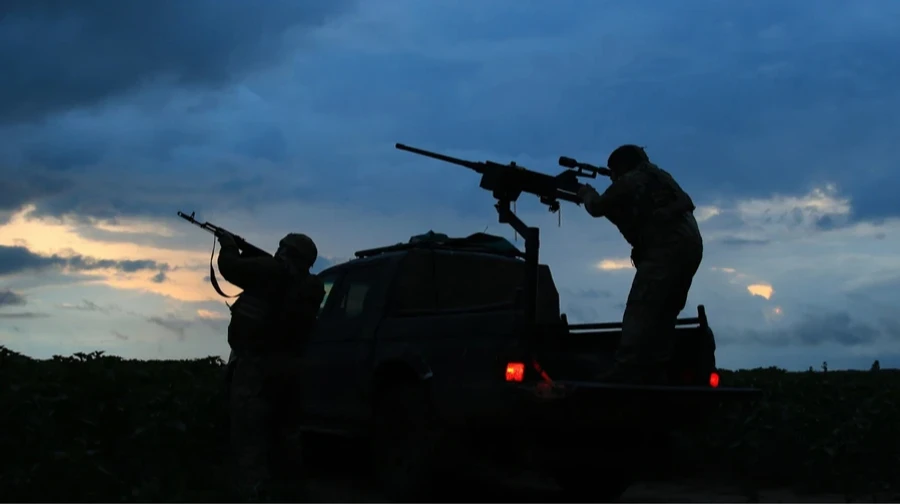 A Ukrainian mobile fire group on
air-defense duty. Photo: General Staff of the Armed Forces of
Ukraine
A Ukrainian mobile fire group on
air-defense duty. Photo: General Staff of the Armed Forces of
Ukraine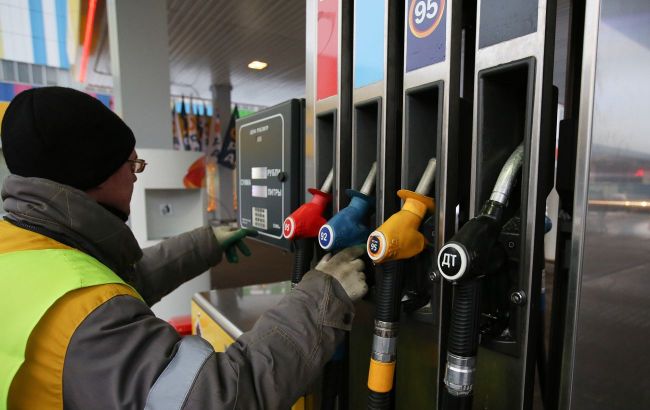 Gasoline shortages in Moscow worsen
amid new strikes on oil refineries. Photo: Getty Images
Gasoline shortages in Moscow worsen
amid new strikes on oil refineries. Photo: Getty Images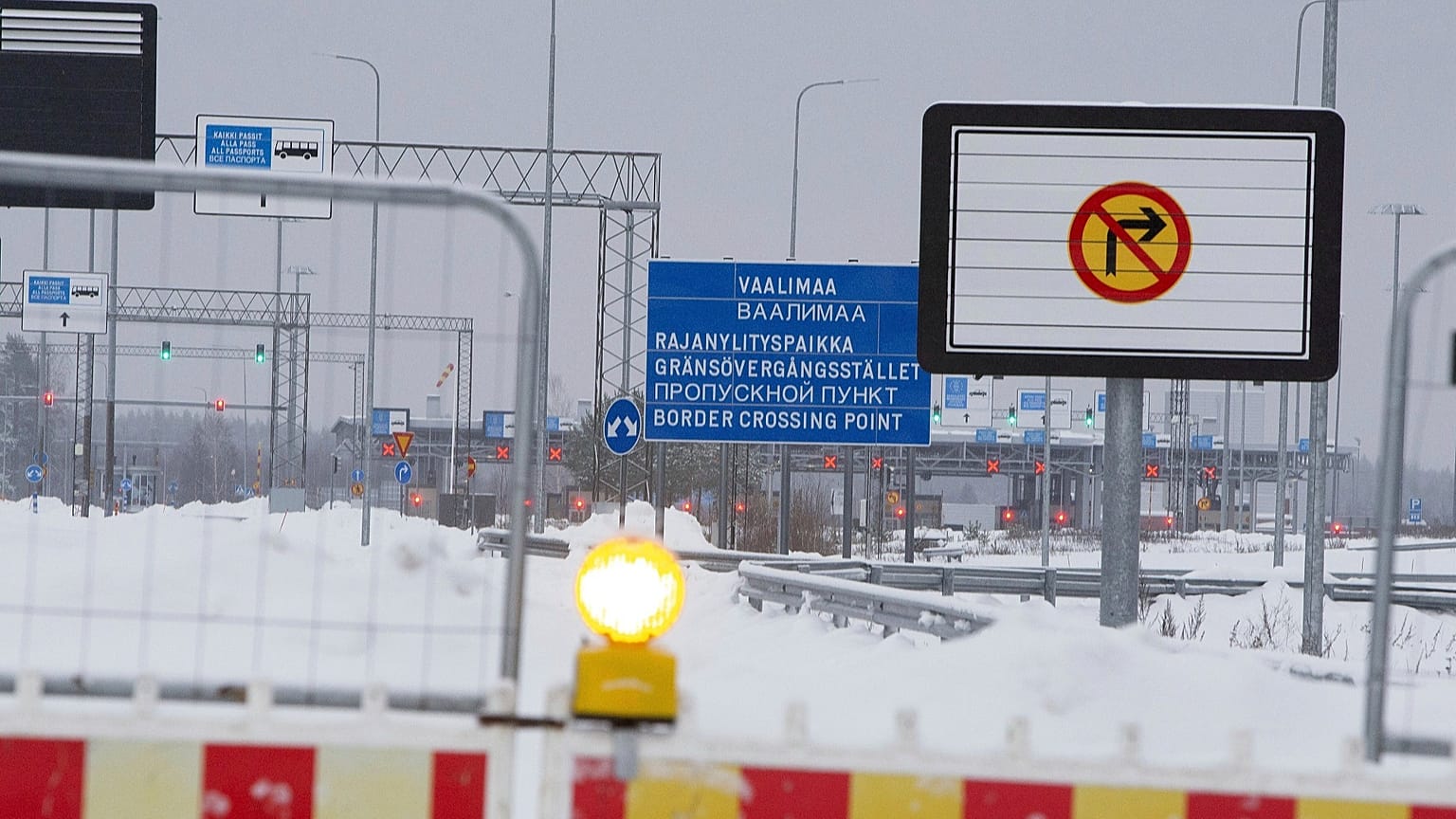 The closed Vaalimaa crossing between
Finland and Russia — now relevant again as Russia shuts its remaining
rail crossings with the Baltic-adjacent NATO states.
The closed Vaalimaa crossing between
Finland and Russia — now relevant again as Russia shuts its remaining
rail crossings with the Baltic-adjacent NATO states.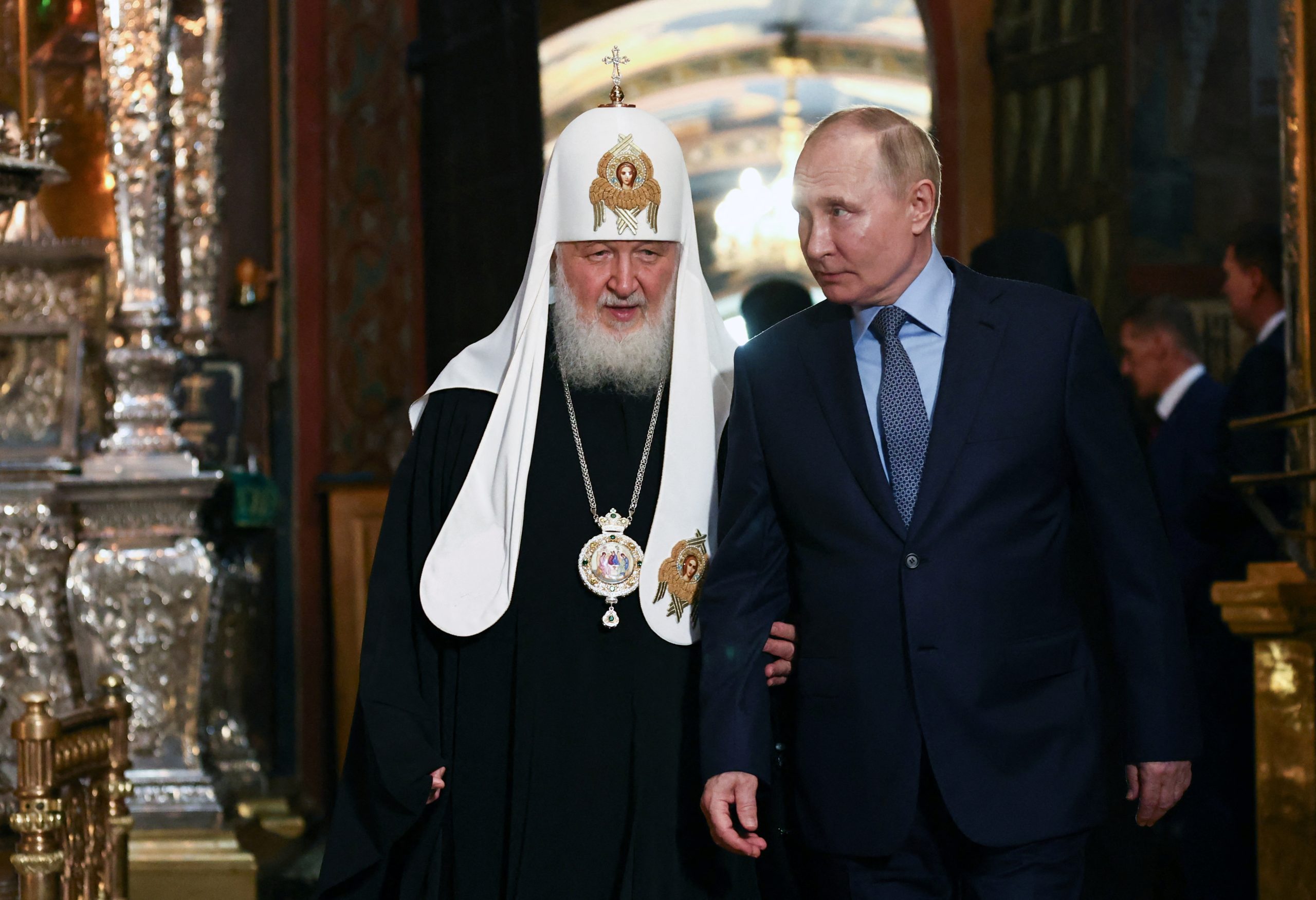 Putin and Patriarch Kirill at
Trinity Lavra monastery, June 2024 — the church-state nexus at the
center of Russia’s influence operations.
Putin and Patriarch Kirill at
Trinity Lavra monastery, June 2024 — the church-state nexus at the
center of Russia’s influence operations. A structured AI-generated
code-explainer document — the /explain-diff skill output, with context,
plain-language explanation, and highlighted changes. From Geoffrey
Litt’s talk.
A structured AI-generated
code-explainer document — the /explain-diff skill output, with context,
plain-language explanation, and highlighted changes. From Geoffrey
Litt’s talk.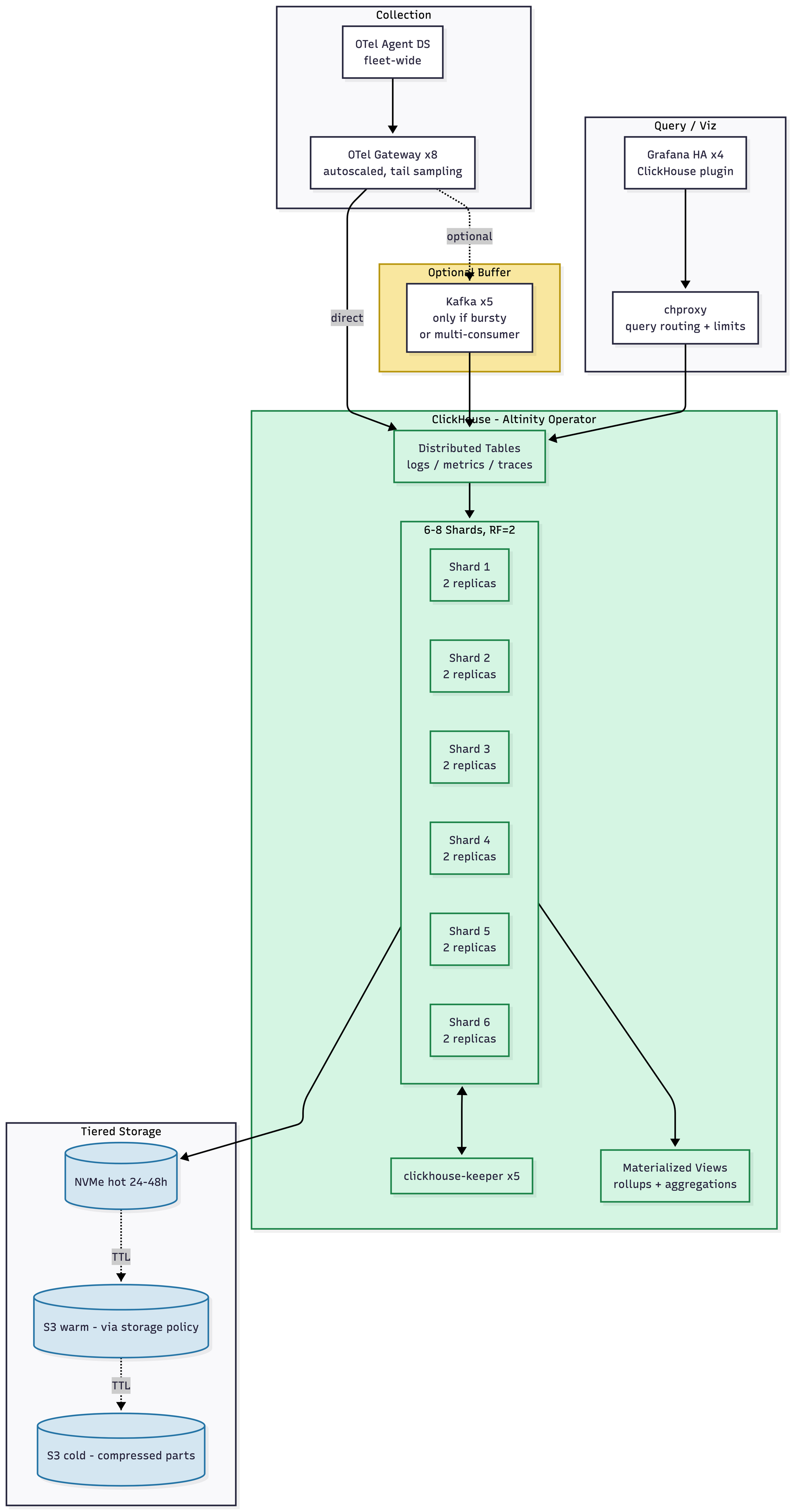 ClickHouse at 10 TB/day — the
minimal stack that stays consistent as data volume grows. Diagram: Mat
Duggan
ClickHouse at 10 TB/day — the
minimal stack that stays consistent as data volume grows. Diagram: Mat
Duggan