TacoSprint
2026: first North American Nix sprint advances package
relocatability
About 10 Nix developers gathered in La Saladita, Mexico for a
week-long sprint on making Nix packages relocatable — a long-standing
pain point since packages hardcode /nix/store/… paths.
Outputs: a kernel modification enabling ${ORIGIN}-style
shebangs (analogous to RPATH); a custom loader alternative; GuixPkgs for
cross-distro packaging; peer-to-peer remote builds; and faster module
systems. One participant also landed a kernel patch fixing a docs bug
(the shebang recursion limit was documented as 4 when the code allows
5). It closed with a parody paper, “Attention, Nix and Tacos Is All You
Need.”
Migrating
a 100 TiB TrueNAS NAS to NixOS in under 20 minutes of downtime
Bas Nijholt migrated his last non-NixOS machine — a TrueNAS box with
~100 TiB of ZFS data — to NixOS without touching the data pools. The key
safety pattern: disko was scoped exclusively to the boot disk, while
existing tank and ssd pools were imported by
name post-install with force-import disabled. He validated the approach
in a VM with fake pools first, then replaced TrueNAS replication with
Sanoid/Syncoid, handled encrypted datasets via a new
zfs-unlock tool, and recovered Incus containers with
incus admin recover. Total downtime: under 20 minutes.
The
Nix store on ZFS: a SQLite conflict, and a 136× dedup ratio
Two threads worth reading together. A Discourse PSA warns that
running the Nix store directly on ZFS pits SQLite’s write-ahead log
against ZFS’s own — a “database on database” inefficiency; the
workaround is XFS-on-ZFS, though a commenter notes ZFS 2.4.0+ already
fixed the underlying issue by completing async page writeback
immediately. Counterpoint from Reddit: an AI coding box with the Nix
store on a ZFS dataset reported 18.1 TB of logical data in ~136 GB
actual — a 136× dedup ratio, since Nix’s content-addressed store shares
enormous amounts of content across derivations. Dedup works best when
ZFS handles the store directly, enabled from the start.
kew
terminal music player 4.1: UI rewrite with custom layouts and
crossfade
kew 4.1 lands with a
full UI rewrite using the MVU (Model-View-Update) pattern, following
4.0’s sound-system rewrite. New: custom layouts, auto-resume on startup,
crossfade between tracks, and an improved spectrum visualizer. It
supports sixel album art, gapless playback, replay gain, lyrics and
Discord status, and now runs on Windows in addition to
Linux/macOS/FreeBSD.
 A rescue worker carries a young girl
pulled from the rubble in La Guaira state. Photo: AP / Al Jazeera
A rescue worker carries a young girl
pulled from the rubble in La Guaira state. Photo: AP / Al Jazeera Smoke over Moscow after the
overnight drone attack, 30 June 2026. Photo: Ukrainska Pravda
Smoke over Moscow after the
overnight drone attack, 30 June 2026. Photo: Ukrainska Pravda Police and ambulances at the scene
in Stade, north of Hamburg. Photo: NRK
Police and ambulances at the scene
in Stade, north of Hamburg. Photo: NRK A downed Shahed drone. Photo: State
Border Guard Service of Ukraine
A downed Shahed drone. Photo: State
Border Guard Service of Ukraine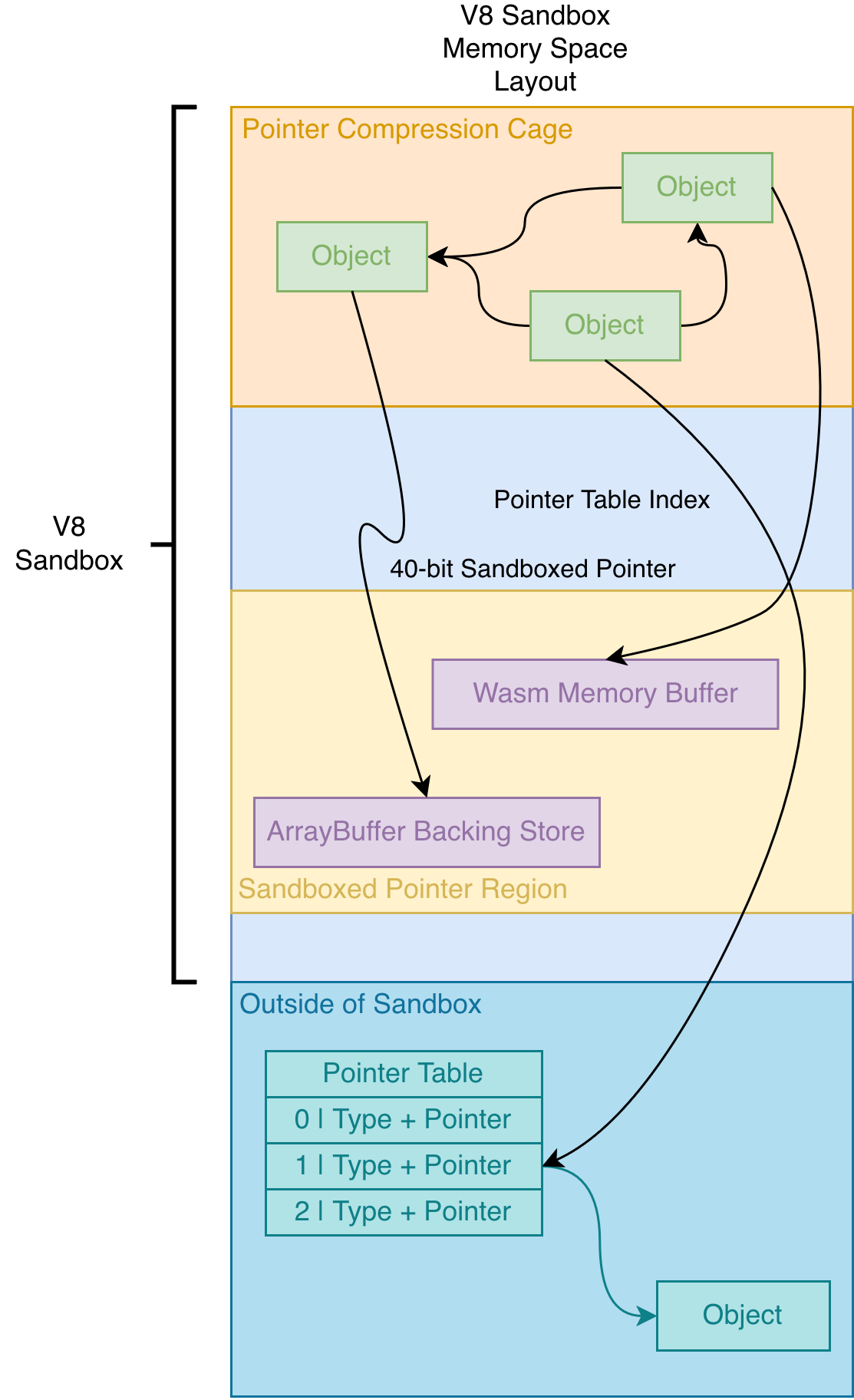 The 1 TB V8 sandbox region that the
exploit escapes from. Diagram: Nebusec
The 1 TB V8 sandbox region that the
exploit escapes from. Diagram: Nebusec The first North American Nix
developer sprint, on the Pacific coast of Mexico. Photo: jrdsgl.com
The first North American Nix
developer sprint, on the Pacific coast of Mexico. Photo: jrdsgl.com kew showing album art, spectrum
visualizer and playlist UI.
kew showing album art, spectrum
visualizer and playlist UI.