A ceasefire holds on paper while the war it ended already strains
at the seams — and the largest drone swarm of the war turns Moscow’s sky
black.
US–Iran
ceasefire takes hold: naval blockade lifted, 60-day clock starts
The US has lifted its naval blockade of Iranian ports, opening a
60-day window toward a formal peace agreement. Iran’s Supreme Leader
Khamenei approved the deal but said Trump signed it “out of
desperation.” The full Memorandum of Understanding between Trump and
President Pezeshkian is now public; both sides claim victory. BBC
analysts note the troubling irony at the centre of it all: the Iranian
regime has not just survived the war — it may have been empowered by it.
(Fallout, terms, and the unravelling implementation — see World.)
Moscow
burns again: record drone swarm, ‘oil rain’ over the capital
Ukraine launched its largest drone offensive of the war on June 18 —
Russia’s MoD reported roughly 555 drones downed nationwide, around 194
over Moscow itself, nearly triple the previous capital record. The
target was the Gazprom Neft refinery in Kapotnya, struck for the second
time in three days; all four Moscow airports grounded flights and
residents reported an “oil rain” of droplets from the burning site. For
the first time, Ukraine surpassed Russia in daily drone volume. Russian
state TV went largely silent while milbloggers openly attacked the
censorship. Zelenskyy called it “a fully justified response” and warned
the Kremlin: “If Ukraine burns, your Moscow will burn.” (Fuel-crisis
fallout — see Ukraine.)
Macron’s
unexpected G7 coup: Trump recommits to Ukraine
French President Emmanuel Macron pulled off a diplomatic surprise at
the G7, persuading Donald Trump to maintain US support for Ukraine as
the war nears its fifth year — and signalling that Trump’s attention is
swinging back to Ukraine now that the Iran deal is done. That prospect
of a US-brokered settlement is already unsettling Europe over who should
talk to Putin, and when. (See World.)
| Indicator |
Value |
Change |
| S&P 500 |
7,500.58 |
+1.08% |
| Dow 30 |
51,564.70 |
+0.14% |
| Nasdaq |
26,517.93 |
+1.91% |
| Russell 2000 |
2,979.77 |
+2.12% |
| VIX |
16.93 |
+3.23% |
| Gold |
4,173.70 |
−1.70% |
| BTC |
$62,539 |
−2.95% |
| EUR/USD |
1.1450 |
−0.07% |
| USD/NOK |
9.7339 |
−0.11% |
- Gold −1.7%, BTC −2.95% — safe-haven unwind as the ceasefire
takes hold and the blockade lifts.
- Broad equity rally (Nasdaq +1.91%, Russell +2.12%) despite VIX
ticking up — risk-on, but Hormuz mines and the Lebanon flare-up keep
tail risk elevated.
World
Israel,
stunned, calls the deal a ‘catastrophic capitulation’ — and Vance hits
back
Israel was caught off-guard by the agreement, with officials
describing it as a “catastrophic capitulation” that leaves the Iranian
regime intact and potentially strengthened. JD Vance, visiting Israel,
delivered a blunt rebuke to its critics — “Trump is your only ally left
in the world” — explicitly invoking the roughly $4bn in annual US
military aid: “Two-thirds of the defensive weapons that have protected
Israel have been built by American hands and paid for by American tax
dollars.” Netanyahu’s public response was muted, reaffirming only that
Israeli troops would remain in southern Lebanon. Thousands were killed
in the war; the true toll may never be known amid media restrictions and
regional internet blackouts.
The
deal already cracking: Switzerland signing collapses, Hormuz talks
frozen
Within days of the announcement, the architecture is straining. The
Bürgenstock talks between JD Vance and Iran were cancelled after Israel
struck southern Lebanon and Hezbollah retaliated; Iran suspended its
delegation and froze the freshly-signed Hormuz negotiations, with lead
negotiator Ghalibaf demanding all hostilities stop first. Israel, not
party to the MoU, refuses to be bound by it. The White House postponed
the formal signing ceremony after Iran pulled back, and Iran’s own
parliament speaker warned “the state of affairs will not return to
pre-war conditions.” A symbolic first transit did happen — the Qatari
LNG tanker Mraikh crossed Hormuz on Thursday — but insurance
costs remain high.
Missiles
kept, sanctions lifted, nuclear question deferred
The MoU leaves Iran’s ballistic missile program intact, offers
sanctions relief on oil exports, and defers the hardest nuclear
questions to 60 days of further talks. The Atlantic is blunt — “Iran has
never before won a war” — yet argues the MoU’s mere existence hands
Tehran enormous symbolic capital. iNews lands harder: the deal
“validates the argument that Iran remained some distance from acquiring
a bomb,” making the original casus belli look hollow. Trump conceded the
economic logic — “I didn’t want to see economic catastrophe” — in effect
admitting that escalation, not strategic gain, drove the off-ramp.
Strait of
Hormuz: ~80 mines to clear, fees to come
The tanker-owner trade body says roughly 80 mines in the centre of
the strait must be cleared before normal shipping resumes — “some time”
away — forcing vessels onto riskier shallow Omani coastal routes. Iran
has announced plans to impose maritime fees once the 60-day free-passage
window ends, after which it gains regulatory control of the strait; the
UAE is separately planning to cut its Hormuz dependency to zero. The EU
says it will not lift its key Iran sanctions until a formal nuclear deal
is concluded.
EU
leaders split over who should talk to Putin — and when
A heated two-hour EU summit dinner, held without aides or phones,
exposed a deep divide over Russia diplomacy. Macron and Merz argue the
time is not right to talk to Putin — and that when it is, the “E3”
(France, Germany, UK) should lead, not EU institutions. A large camp of
member states backed European Council president Costa’s emerging
back-channel, whose chief of staff had already contacted Moscow twice.
The urgency: Trump’s G7 signal that his attention is returning to
Ukraine, raising the prospect of a US-brokered settlement that sidelines
Europe entirely.
Hegseth
orders review of US forces in Europe, accuses NATO of ‘free riding’
US Defense Secretary Pete Hegseth delivered a combative address to
NATO allies, announcing a review of the US military presence in Europe
and warning that countries spending least on defence risk having US
force numbers cut. He accused the alliance of “free riding” on American
security guarantees — a signal the administration is actively examining
drawdown options, just as Trump’s attention swings back toward a Ukraine
settlement.
Russian
satirist assassinated in Poland; Putin’s ‘adoring crowd’ outed as paid
extras
Semyon Skrepetsky, a Russian artist and satirist known for his
caricatures of Putin, was shot dead in Poland on June 16 — three days
after protesting outside the Russian embassy in Berlin with an icon-like
caricature of Putin alongside Stalin. PM Tusk announced an arrest; two
Belarusian nationals have been detained. The killing fits the
established pattern of Kremlin-linked transnational repression on
European soil. In a separate embarrassment, a bodyguard’s slip revealed
that a crowd presented as spontaneous support for Putin was in fact paid
extras.
China
watch: farm drones, Taiwan’s arsenal, India’s bet, and a Treasury
exit
A cluster of strategic-competition threads converged. War on the
Rocks argues Chinese-made agricultural drones across US farmland
quietly harvest a granular intelligence map — land use, yields,
production vulnerabilities — while Washington lacks any framework to
assess foreign tech embedded in critical systems. Taiwan, meanwhile, is
ramping drone production for both its own defence and the US military. A
second WotR piece explains why India won’t break with the US despite
Trump: China’s regional pressure makes every alternative unworkable, so
the partnership is “structurally load-bearing.” And China trimmed its US
Treasury holdings to an 18-year low, accelerating its diversification
away from the dollar.
Ebola
in DRC tops 1,000 — and a US–Kenya facility draws ‘medical colonialism’
charge
The Ebola outbreak in DR Congo and Uganda has surpassed 1,000
infections, with the CDC drawing on $107m in emergency funding.
Containment is being undermined by a worsening hunger crisis: patients
are fleeing treatment centres in search of food, opening gaps in the
perimeter. Separately, a Carnegie analysis argues the US–Kenya deal to
host an Ebola research facility ($13.5m) structurally mirrors the
Chinese economic coercion it claims to counter — critics call it
“medical colonialism,” transferring biological risk to a lower-income
partner under economic pressure.
FDA panel
unanimously backs Moderna’s mRNA flu vaccine
All nine members of an FDA advisory committee voted to recommend
Moderna’s new mRNA influenza vaccine for adults 50 and older — the first
new flu vaccine recommended since 2023, and a significant expansion of
mRNA technology into seasonal influenza. Meanwhile, Australia is
investigating a suspected H5N1 case in a migratory wild bird in Western
Australia, potentially the first detected on the mainland.
Burnham’s
landslide intensifies pressure on Starmer
Andy Burnham won a sweeping Makerfield by-election he called a
“turning point,” with allies openly discussing installing him in No. 10
within days. The fiscal backdrop is grim: the UK borrowed an
unexpectedly high £23.3bn in May, partly from the Iran war’s fallout.
Separately, former Brexit negotiator Michel Barnier said it would be
“perfectly possible” for the UK to rejoin the EU while keeping its euro
and Schengen opt-outs — though the Economist argues Britain is not yet
ready and should first rebuild after a “lost decade.”
Cuba’s
Communist Party approves a sweeping economic opening
Cuba’s ruling party approved a package of free-market reforms in an
emergency response to the island’s severe crisis — described as
unprecedented for a party that has governed under socialist orthodoxy
for over six decades. President Díaz-Canel made a rare admission that
some of Cuba’s problems “don’t come from outside.” Elsewhere in the
region, Barbados PM Mia Mottley launched an updated Caribbean
reparations manifesto, with new emphasis on the harms done to African
women.
Autocracies
are displacing the West as the world’s peacemakers
The Economist reports a significant shift: authoritarian states are
increasingly taking over conflict-mediation roles once dominated by
Western democracies. The deals they broker look fundamentally different
— less focused on human rights and accountability, more on geopolitical
consolidation and elite agreements that preserve existing power
structures.
Also today
- Americas
-
US military’s Pacific boat strikes killed three more — the total since
September now stands at at least 211 — Guardian
· NPR
-
Luigi Mangione’s lawyers dropped the psychiatric “extreme emotional
disturbance” defence one day after announcing it — Guardian
· NPR
-
California’s one-time 5% billionaire wealth tax cleared the signature
threshold for the November ballot, over Newsom’s opposition — Guardian
- Europe
-
The European Parliament passed a deportation law amid “send them back”
chants from right-wing MEPs and furious “shame on you” replies — Guardian
-
The first Russian shadow-fleet tanker since the Smyrtos
boarding controversy, the Forwarder, transited the English
Channel — BBC
- Africa
-
Gunmen attacked Niger’s main international airport, killing at least 35
— BBC
-
A Zimbabwe bill to scrap direct presidential elections sparked a
political crisis — Al
Jazeera
Ukraine
Russia’s
fuel crisis enters new territory: gasoline now imported by sea
The back-to-back Kapotnya strikes land at the start of peak summer
demand, making the 2026 shortage materially worse than 2025’s. For the
first time, Russia is importing gasoline by sea from unspecified Asian
countries — a step it considered but didn’t take during last year’s
shortage. Belarus and Kazakhstan lack the reserve capacity to cover
Russia’s needs, and Ukraine has previously struck Russia’s western
import ports near St. Petersburg, potentially threatening the sea route
too. ISW assesses both plausible scenarios from here lead to crisis.
(The strikes themselves — see the
leader.)
Ramstein
delivers $4bn+ in allied aid; EU extends sanctions to a full year
A single day of coordination produced over $4bn in new commitments.
The UK announced a £750m package — 150,000 drones plus 350 air-defence
missiles and radars, funded by proceeds from frozen Russian assets, a
significant precedent. Germany pledged $400m (US weapons via PURL and
Patriot PAC-3s via JUMPSTART); the Netherlands €500m; Belgium will hand
over seven F-16s; Norway funds long-range munitions and F-16
maintenance; Sweden added $108m. Separately, EU leaders agreed for the
first time to extend Russia sanctions for a full year rather than six
months.
Bryansk
bus ‘strike’: SBU intercepts confirm Ukraine wasn’t responsible
Ukraine’s SBU obtained internal Russian reports from Bryansk Oblast’s
“Safe Region” body concluding that no Ukrainian drones or objects were
detected near the bus Russia and Belarus accused Ukraine of striking on
June 17. Lukashenko nonetheless used the incident to accuse Ukraine of
trying to drag Belarus into the war. ISW assesses this follows a
systematic Kremlin pattern of fabricating Ukrainian strikes on civilians
to pre-justify mass strike packages.
Kostyantynivka:
11,000 troops massed, AI-generated ‘advances’ on state TV
Russian forces have massed around 11,000 personnel in the
Kostyantynivka–Druzhkivka area and are pushing small infiltration groups
through the city — roughly 123–125 Russian personnel now inside — but
Ukrainian forces retain control of specific areas and are inflicting
casualties. The Russian MoD simultaneously published what ISW assesses
is likely AI-generated battlefield footage to claim it had seized the
city: part of a systematic cognitive-warfare effort to portray a
collapsing front that the evidence doesn’t support.
Also today
- War on the Rocks: clinical innovation in Ukraine is genuine
combat power — whole blood pushed forward, dispersed semi-hardened
stabilization sites, medical-evacuation trains across Europe — but
empirical broad-spectrum antibiotic use is breeding drug-resistant
bacteria that will travel beyond the front — War
on the Rocks
Tech & AI
US
orders Anthropic to suspend Fable 5 and Mythos 5 globally
Three days after launching Fable 5 and Mythos 5 (June 9), Anthropic
received a US export-control directive on June 12 ordering immediate
worldwide suspension, citing a jailbreak that lets the model analyse
code and identify software flaws. Anthropic reviewed it, judged it
“narrow and non-universal” and available elsewhere, but complied. The
reported trigger: a Korean telecoms firm with suspected China links had
access to Mythos. Around 200 companies in Project
Glasswing retain access. Anthropic has floated a deal to
Commerce Secretary Lutnick — enhanced White House cooperation plus
rapid-remediation commitments — and its international MD said in Seoul
he is “very confident” models will return “in coming days.”
Claude
Code Artifacts: live, shareable pages from your session
Anthropic launched Artifacts in Claude Code (beta, June 18) for Team
and Enterprise plans. An artifact is an interactive web page built from
your active session — full codebase context, tool outputs, conversation
history — shared at a private link that auto-refreshes for viewers as
the session progresses. Target uses: PR walkthroughs, incident
dashboards, compliance audits, with no manual data wiring and
admin-controlled access and retention.
Google Cloud published Open Knowledge Format (OKF) v0.1 on June 12,
explicitly naming the AGENTS.md/CLAUDE.md family as its predecessor. OKF
is a directory of markdown files with YAML frontmatter (type, title,
description, resource, tags, timestamp), cross-linked in plain markdown.
The goal is producer/consumer independence — a wiki written by one team
consumable by any agent without translation. Deliberately minimal: only
type is required. It positions an ad-hoc pattern as a
cross-organizational interoperability standard for agentic systems.
Datasette
Apps: sandboxed SQL-backed web apps inside Datasette
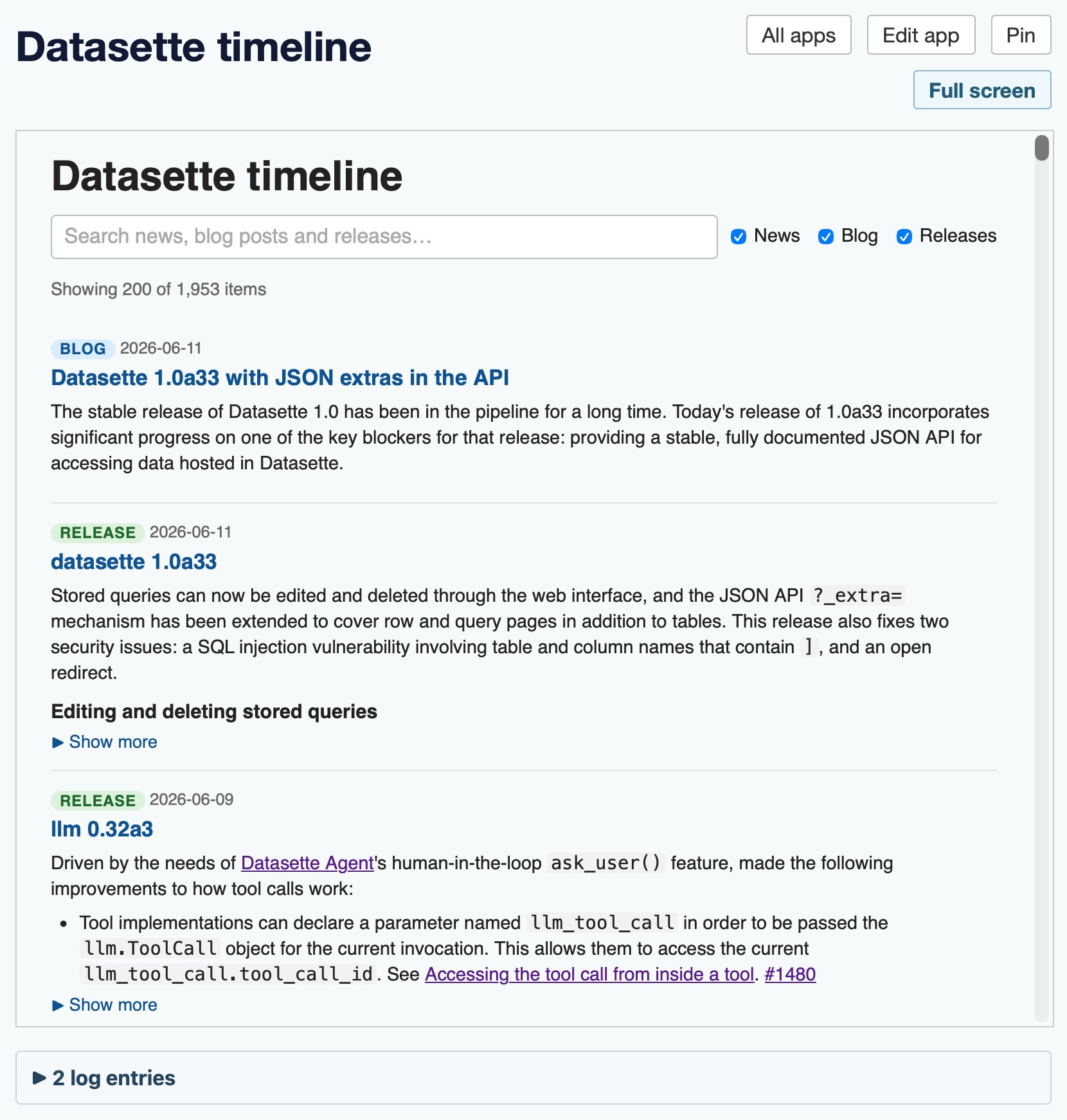
Simon Willison released a Datasette plugin for hosting custom
HTML+JavaScript apps directly inside an instance. Apps run in a
sandboxed iframe — no cookies, no localStorage, no external host access
— but can query the underlying SQLite via stored queries, with opt-in,
constrained write access. LLMs can generate apps from natural-language
prompts, making it practical for non-experts to build dashboards, search
tools, and timeline viewers on existing data.
unslop-ui:
a Claude skill to detect and remove AI design clichés
Built from analysis of 3.2 million Reddit posts across 47 AI/SaaS
subreddits (2020–2026), plus 3,033 comments from threads about AI-built
sites looking identical, this skill flags patterns weighted by actual
complaint frequency: purple-cyan mesh gradients, Inter as default body
text, geometric sans headings (Space Grotesk, Manrope), floating 3D
shapes. Each pattern gets an evidence-based weight rather than an
arbitrary heuristic. Related discussion pins fonts as Claude’s single
most identifiable tell.
Giving
an AI agent direct DB access: what breaks, what works
A team building an AI support bot documented a week of pain with live
database access: hallucinated column names, dangerous queries,
unpredictable load. The fixes that emerged — read-only views with
minimal exposed schema, schema-only access rather than table contents,
and query whitelisting — all flow from one lesson: “the agent needs live
data” and “the agent can write arbitrary SQL” are two very different
threat models that should be separated from the start.
cuTile
Rust: safe GPU kernels with Rust ownership, competitive with vLLM
“Fearless Concurrency on the GPU” (arXiv 2606.15991) extends Rust’s
ownership and borrow-checker discipline to tile-based GPU kernels,
verifying memory safety and data-race freedom at compile time —
increasingly valuable as more GPU code is AI-generated and hard to audit
by eye. Performance is near-native: 2 PFlop/s on GEMM (96% of cuBLAS), 7
TB/s on element-wise ops. The Grout inference engine on top reaches 171
tok/s for Qwen3-4B on an RTX 5090 — competitive with vLLM and SGLang —
with a local opt-out to unsafe for hot paths.
Cajal Technologies (YC W26) released Talos, an open-source framework
for formally verifying WebAssembly modules using the Lean 4 proof
assistant, targeting the WASM binary layer directly for machine-checked
proofs about module behaviour. The pitch: as AI generates more
production code, formal verification becomes a meaningful correctness
backstop — a notable intersection of theorem proving and the
AI-generated-code problem.
LLMs
close the gap between cheap spam and expensive targeted fraud
Manish Goregaokar argues that LLMs have dissolved the cost barrier
separating spray-and-pray scams from expensive targeted attacks —
personalized fraud at roughly $0.04 per email, run against thousands of
targets in parallel. The shift invalidates security heuristics that
relied on attacker economics. What still holds: hardware 2FA, spoken
family code words, and recognizing scam patterns even as the craft
improves. A sharp read on the changing attacker–defender asymmetry.
10,000
GitHub repos silently distributing trojans for over a year
A researcher identified roughly 10,000 GitHub repositories
distributing trojan malware disguised as legitimate projects — cloning
real repos with full commit history, then inserting malicious ZIP links
into READMEs and refreshing with identical “Update README.md” commits
every few hours to stay current. The campaign ran undetected for over a
year (VirusTotal showed 0 detections for the archive). GitHub’s response
was purely reactive: repos are removed only when specifically reported,
with no automated detection.
Desktop
robotics research drops from $100k teams to €4.5k solo rigs
Former OpenAI robotics researcher Matthias Plappert documents
building a functional manipulation setup for €4,569 — xArm Lite 6, dual
cameras (wrist + static), SpaceMouse teleoperation, and a ~3,000-line
Python control stack with pub/sub architecture and Rerun for data
recording. He reports achieving in weeks what previously took a full
team months: a concrete data point that serious robotics research is
moving from institutional to individual scale.
Privacy
blogger’s 2020 Elkjøp warning finally yields €1.8M GDPR fine
A privacy advocate documented in 2020 that Elkjøp was running
unlawful forced cookie-consent flows, filed a complaint, and waited five
years. The Norwegian DPA has now fined the company €1.8M — both a proof
of concept for patient, documented advocacy and a reminder that GDPR
enforcement remains painfully slow even against clear violations.
Separately, Business Plus users hitting Google Workspace on Firefox now
see warnings that their device “doesn’t meet security requirements,”
nudging them to Chrome with no technical basis given — a lock-in
push.
Also today
- Standards & protocols
-
HTTP QUERY standardized as RFC 10008 — a safe, cacheable method that
permits a request body, filling the gap GET and POST left open for
complex search — blainsmith.com
· Lobsters
-
MCP gains Enterprise Managed Authorization — zero-touch OAuth via your
IdP, with MCP servers activating on first SSO login and centralized
policy/audit — MCP
Blog · HN
- Infrastructure & homelab
-
Ubiquiti launched an Enterprise NAS built on ZFS, integrated into the
UniFi stack — Ubiquiti
· HN
-
Let’s Encrypt hit widespread certificate renewal failures today — worth
checking anything on auto-renew without alerting — status · HN
- Systems & languages
-
Rust’s
offset_of! macro extended to dynamically-sized slice
fields, navigating DST layout rules — bal-e.org · Lobsters
-
Nix for Haskell — building fully static, musl-based binaries with all
dependencies linked in — Abhinav
Sarkar · Lobsters
-
The ISA doesn’t matter much anymore — microarchitecture, process node,
and ecosystem lock-in are the decisive levers now — ChipStrat
· HN
-
Apple’s outgoing CEO Tim Cook says some product prices will rise as the
AI boom drives up chip costs — BBC
- Automation
-
A builder deployed a voice AI agent that calls people who started but
never finished signup, walking them through onboarding in their native
language — transferable to any language-diverse KYC flow — r/automation
Health
IAMPOCO
immunoadsorption trial published — second sham-controlled RCT
negative
The Mainz sham-controlled crossover RCT (n=40, Stortz et al.) is now
peer-reviewed in Lancet Regional Health – Europe.
Immunoadsorption successfully removed GPCR autoantibodies (39/40
patients depleted by IA, not sham) — but produced zero benefit across
every endpoint: fatigue (MFI-20 p=0.437, Chalder p=0.970), function
(PCFS p=0.771, Bell p=0.246, handgrip p=0.234), cognition (MoCA
p=0.993). The authors state the GPCR-AAb “pathogenetic significance or
at least the clinical relevance seems questionable.” A safety note:
jugular-vein thromboses occurred in the IA arm from central venous
catheters (34 AEs total, 24 IA vs. 10 sham).
This is now two sham-controlled RCTs (IAMPOCO + Charité’s
IA-PACS-CFS) both fully negative. For a patient with maxed GPCR-AAb on
6/8 parameters, it directly challenges acute antibody depletion as a
strategy — the antibodies may be markers of an upstream dysregulation
rather than direct effectors. The pending AAb-stratified trials
(TURN-Long COVID, Amsterdam UMC; EXTINCT, MHH Hannover) remain the next
test: both specifically enroll AAb-positive patients, which could reveal
whether high levels like this patient’s matter more than the mixed
populations studied so far.
Tracking
- ANKTIVA INTERRUPT_LC (UCSF, NCT07108036) — no
results; est. Oct 2026
- ANKTIVA COVID-4.019-Long (Chan Soon-Shiong,
NCT07123727) — no results; est. Jul 2026; expected imminently
- TURN-Long COVID (Amsterdam UMC, AAb-stratified IA)
— recruiting; no results
- EXTINCT post COVID (MHH Hannover, IA, n=60) — no
results
- REVERSE-LC (baricitinib, Phase 3, 550 adults) —
recruiting; cognition data Nov 2026, all data Jul 2027
- ADDRESS-LC (bezisterim, BioVie) — fully enrolled;
topline expected late summer 2026
- ResetME (daratumumab RCT, Haukeland, n=66) —
treatment ongoing; results ~2027
- Rapamycin Phase 2 (Mount Sinai/Simmaron) — running;
expected Nov 2026
- Sonlicromanol (NCT07298005, PEM-targeted) —
running; no results
- Efgartigimod (Cohen Center, FcRn antagonist) —
ongoing; no results published
- Brodin WGS preprint (Karolinska, severe LC genetic
variants) — symposium presentation only; no preprint yet
- Locci GC B cell preprint (Penn, EBV/autoantibody
mechanism) — symposium presentation only; no preprint yet
- Rovunaptabin BLOC IIb — failed; peer-reviewed
publication still pending
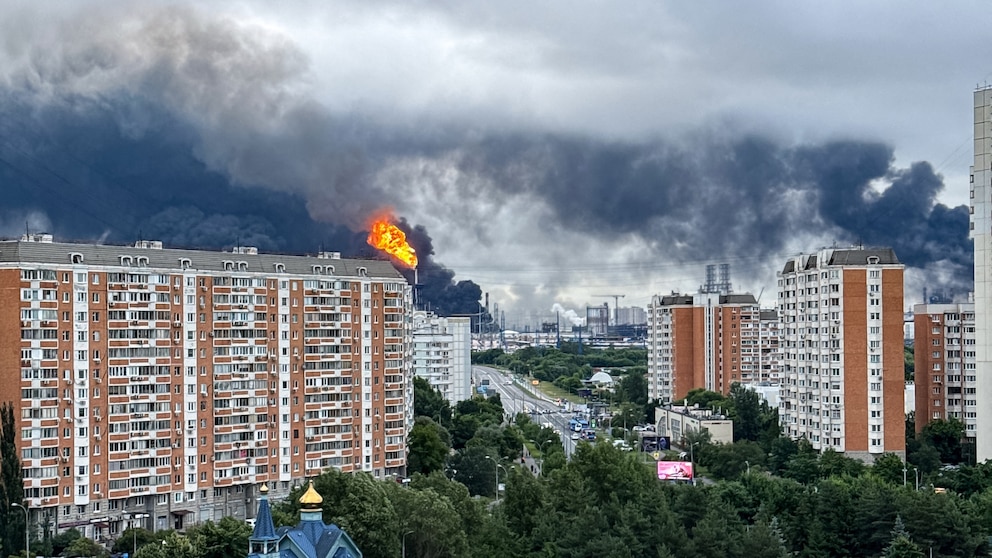 Gazprom Neft’s Moscow oil refinery
on the city’s south-eastern outskirts, June 18 2026.
Gazprom Neft’s Moscow oil refinery
on the city’s south-eastern outskirts, June 18 2026. The Bürgenstock Resort above Lake Lucerne — the venue for the abruptly
cancelled implementation talks. Photo: Shutterstock.
The Bürgenstock Resort above Lake Lucerne — the venue for the abruptly
cancelled implementation talks. Photo: Shutterstock.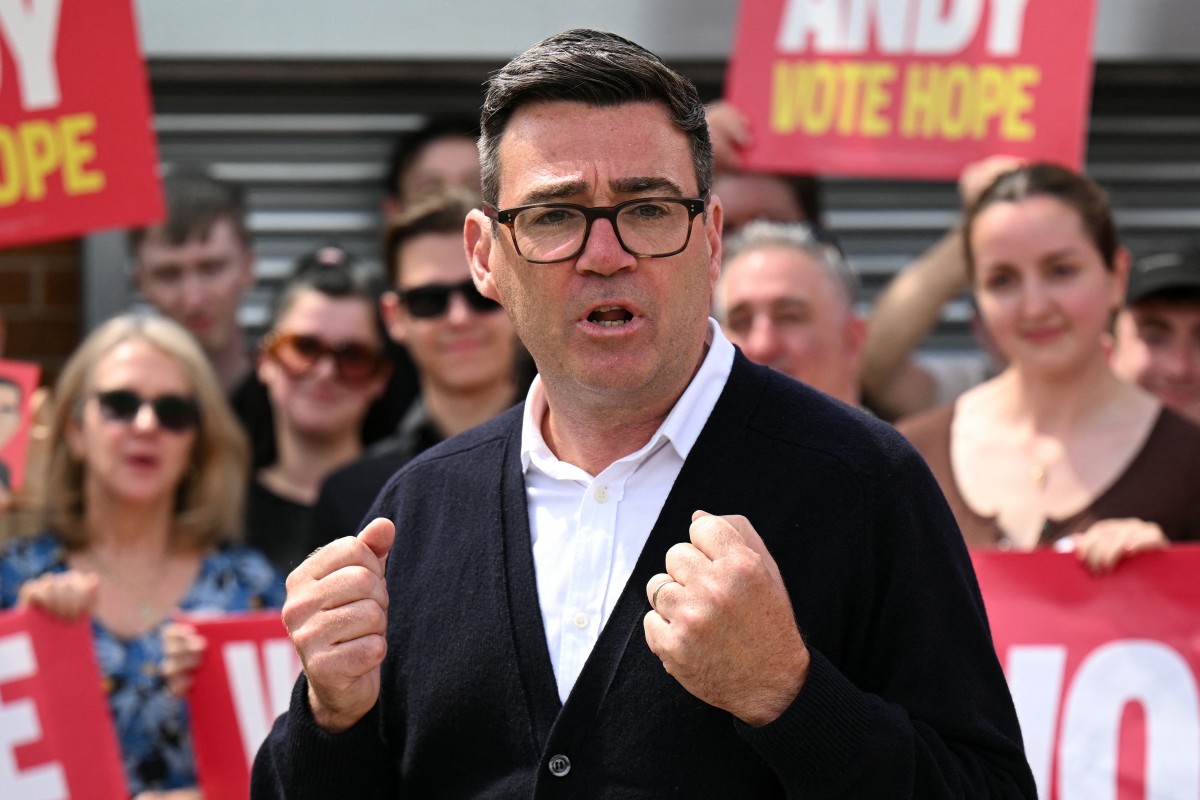 Andy Burnham addresses supporters in
Ashton in Makerfield, June 18 2026. Photo: Oli Scarff/AFP.
Andy Burnham addresses supporters in
Ashton in Makerfield, June 18 2026. Photo: Oli Scarff/AFP.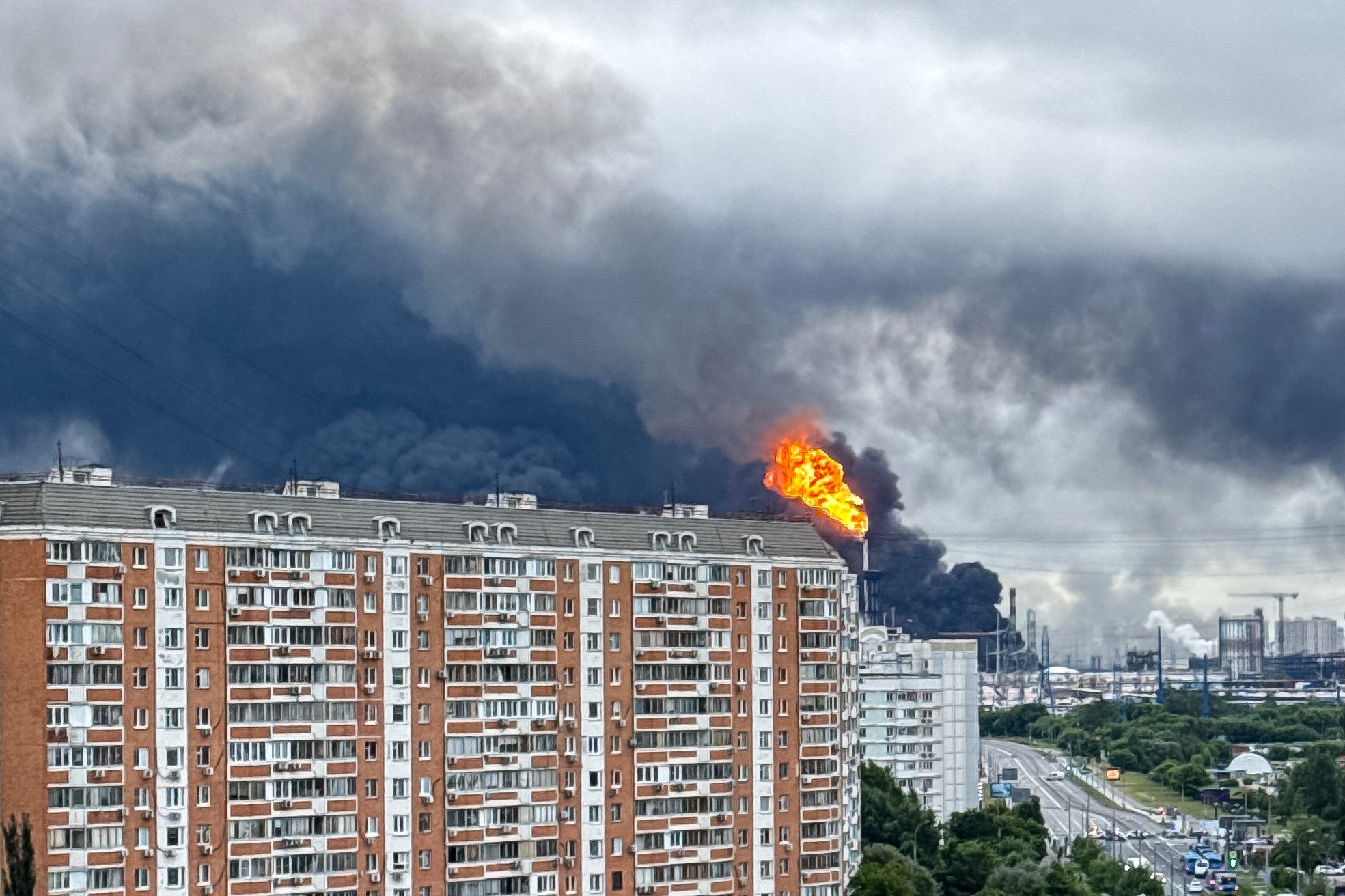 Black smoke over Gazprom Neft’s
Moscow refinery. Photo: Getty Images.
Black smoke over Gazprom Neft’s
Moscow refinery. Photo: Getty Images.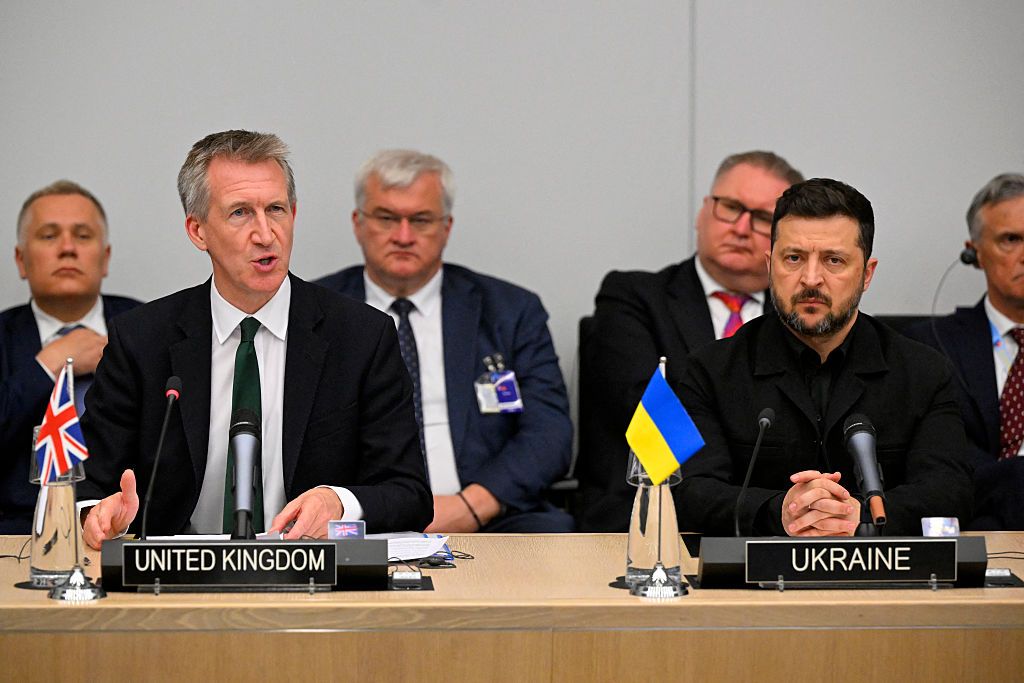 UK Defence Secretary Dan Jarvis and
President Zelensky at the Ukraine Defence Contact Group, Brussels, June
18 2026. Photo: Getty Images.
UK Defence Secretary Dan Jarvis and
President Zelensky at the Ukraine Defence Contact Group, Brussels, June
18 2026. Photo: Getty Images. Anthropic executives at a Seoul conference, expressing confidence about
restoring access. Photo: Korea JoongAng Daily.
Anthropic executives at a Seoul conference, expressing confidence about
restoring access. Photo: Korea JoongAng Daily. Hero illustration from the Claude Code Artifacts announcement.
 A timeline demo app built with
Datasette Apps. Source: Simon Willison.
A timeline demo app built with
Datasette Apps. Source: Simon Willison.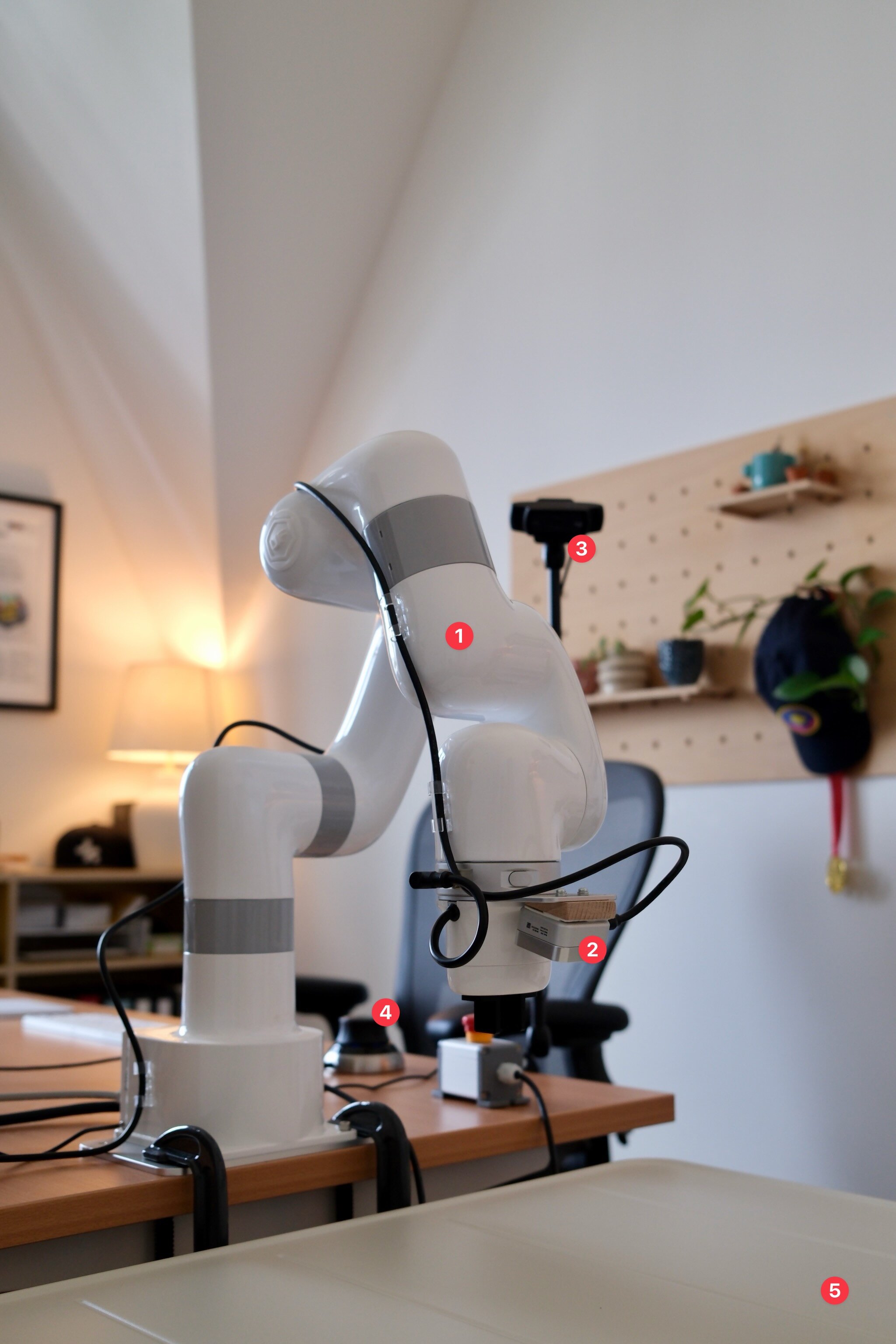 The desk-based rig built around an
xArm Lite 6. Source: dfdx labs.
The desk-based rig built around an
xArm Lite 6. Source: dfdx labs.