Iran
Seizes the Strait of Hormuz; IEA Warns Oil Markets Near ‘Red Zone’
Iran has created a “Persian Gulf Strait Authority” requiring all
vessels to pre-register with the IRGC before transiting Hormuz. Armed
checkpoints at Abu Musa, Greater Tunb, Larak, and Hormuz Islands enforce
the rules — non-compliant vessels face fees of $150,000–$2M per transit.
Daily traffic has collapsed from 120–140 ships to fewer than 60,
trapping an estimated 1,500 vessels with 22,500 sailors. China, Russia,
and India receive preferential treatment; US- and Israel-linked ships
are prohibited. Iran is simultaneously pursuing a formal toll agreement
with Oman to institutionalize the system as permanent — not a bargaining
chip.
Oil prices jumped over 3% after Iran’s supreme leader declared
uranium must remain in the country. The IEA warned global oil markets
will enter the “red zone” by July–August as reserves dwindle and Middle
East exports fall short of summer demand. The UAE formally rejected the
framework, calling Iran’s claims “nothing but pipe dreams” — but Iraq
and India have quietly accommodated the toll regime. (Full Hormuz
analysis in Investigations.)
US-Iran
Talks in ‘Final Stretch’ as Congress Retreats on War Powers
On day 84 of the war, the US and Iran are exchanging draft texts
through Pakistan’s mediator Mohsin Naqvi, with negotiators describing
themselves as “very close” to a deal. The Atlantic argues Trump’s
emerging position — accepting Iranian uranium enrichment on Iranian soil
— amounts to strategic capitulation, a major retreat from pre-war red
lines.
Domestic opposition is hardening: 60% of Americans now oppose the
war. House Republicans called off a Thursday vote on a war powers
resolution that would have compelled Trump to end the conflict — after
it became clear the resolution would likely pass. The vote is delayed
until June. Senate Republicans separately postponed Trump’s $1.8B
immigration enforcement proposal, adding to signs of intraparty
fracture.
Half
of America’s THAAD Arsenal Spent Defending Israel; Taiwan Arms Sale
Paused
The US expended more than 200 THAAD interceptors — over half its
total inventory — defending Israel against roughly 650 Iranian ballistic
missiles. An additional 100+ SM-3 and SM-6 interceptors were also
consumed. The drawdown has a direct cascading consequence: Acting Navy
Secretary Hung Cao confirmed a $14 billion arms sale to Taiwan has been
formally paused while the US replenishes stocks. Middle East commitments
are temporarily degrading Indo-Pacific deterrence — a strategic
trade-off now made explicit and almost certainly registered in
Beijing.
Turkish
Court Ousts Opposition Leader Özel; Istanbul Bourse Crashes 6%
An Ankara court invalidated the 2023 CHP leadership election and
ousted Özgür Özel as head of Turkey’s main opposition party, reinstating
former leader Kemal Kılıçdaroğlu as interim chair. The CHP called the
ruling “an attempted coup carried out through the judiciary.” Turkey’s
BIST 100 dropped 6% and triggered automatic trading halts. Özel vowed to
stay and not vacate party headquarters, setting up a direct
standoff.
 An Iranian woman mourns two children killed in a school strike in Minab.
Photo: Reuters / Al Jazeera
An Iranian woman mourns two children killed in a school strike in Minab.
Photo: Reuters / Al Jazeera Özgür Özel addresses a news conference at CHP headquarters in Ankara.
Photo: AFP / Al Jazeera
Özgür Özel addresses a news conference at CHP headquarters in Ankara.
Photo: AFP / Al Jazeera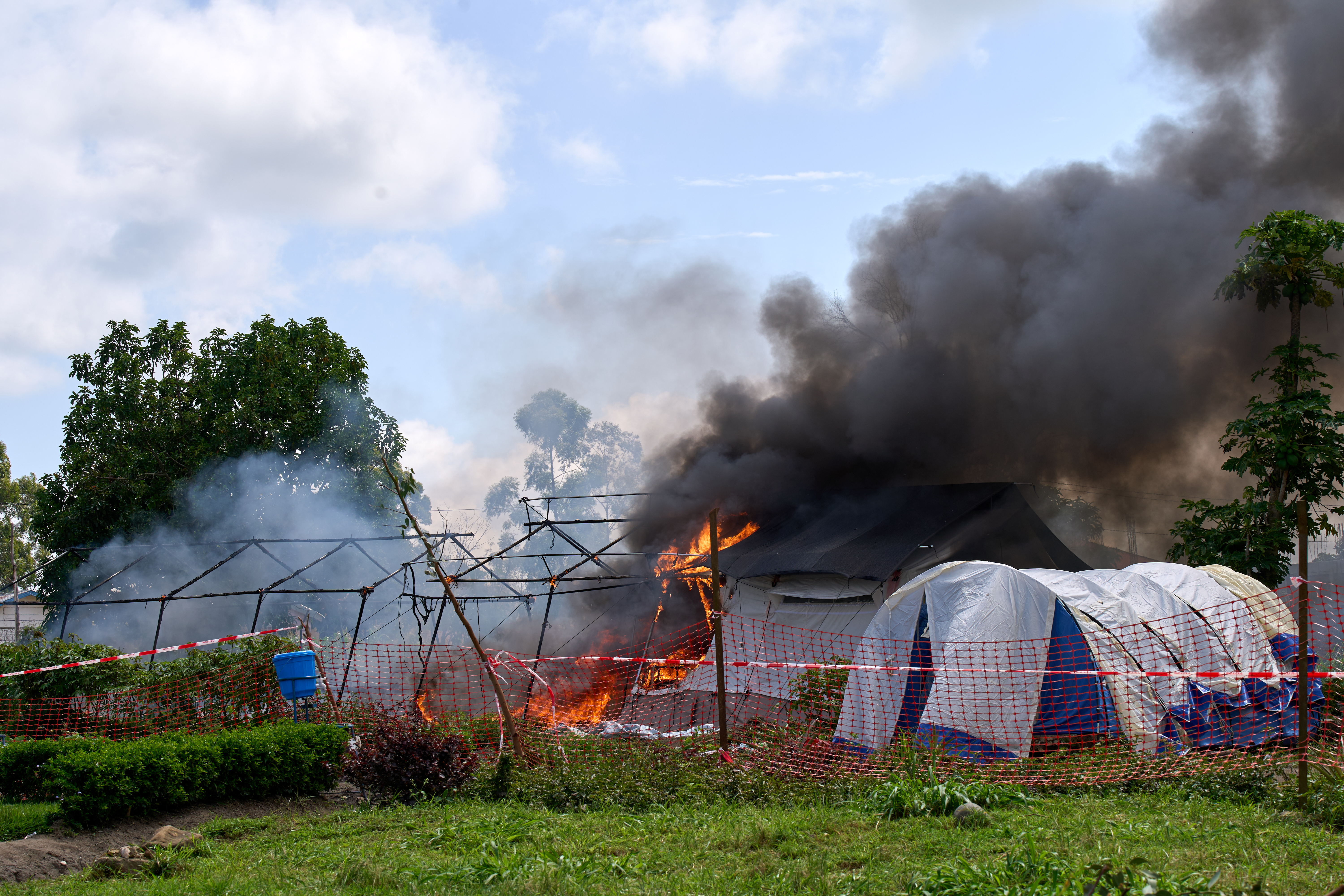 Flames and smoke rise from an Ebola
treatment centre in Rwampara, eastern DRC. Photo: AP / Al Jazeera
Flames and smoke rise from an Ebola
treatment centre in Rwampara, eastern DRC. Photo: AP / Al Jazeera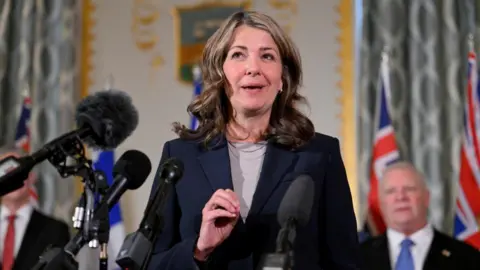 Alberta Premier Danielle Smith —
the politician behind the independence referendum push. Photo: BBC
Alberta Premier Danielle Smith —
the politician behind the independence referendum push. Photo: BBC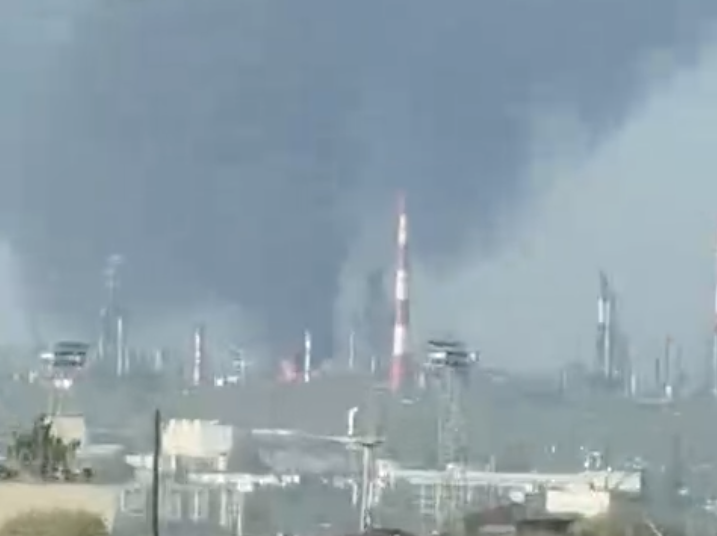 Smoke rising over the Syzran oil
refinery in Samara Oblast after a Ukrainian drone strike. Photo: Kyiv
Independent
Smoke rising over the Syzran oil
refinery in Samara Oblast after a Ukrainian drone strike. Photo: Kyiv
Independent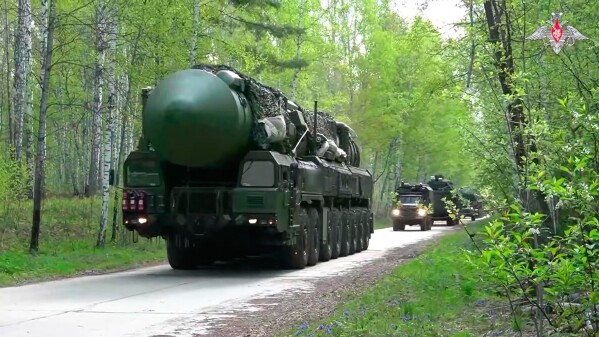 A Yars ICBM during Russia-Belarus
joint nuclear force drills, May 21, 2026. Photo: AP
A Yars ICBM during Russia-Belarus
joint nuclear force drills, May 21, 2026. Photo: AP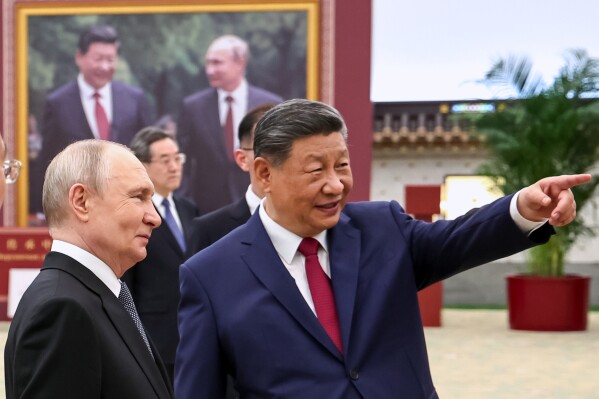 Putin and Xi at the Great Hall of
the People in Beijing, May 20, 2026. Photo: AP
Putin and Xi at the Great Hall of
the People in Beijing, May 20, 2026. Photo: AP The Flipper One — a full Linux-based
cyberdeck for network analysis. Photo: Flipper Devices
The Flipper One — a full Linux-based
cyberdeck for network analysis. Photo: Flipper Devices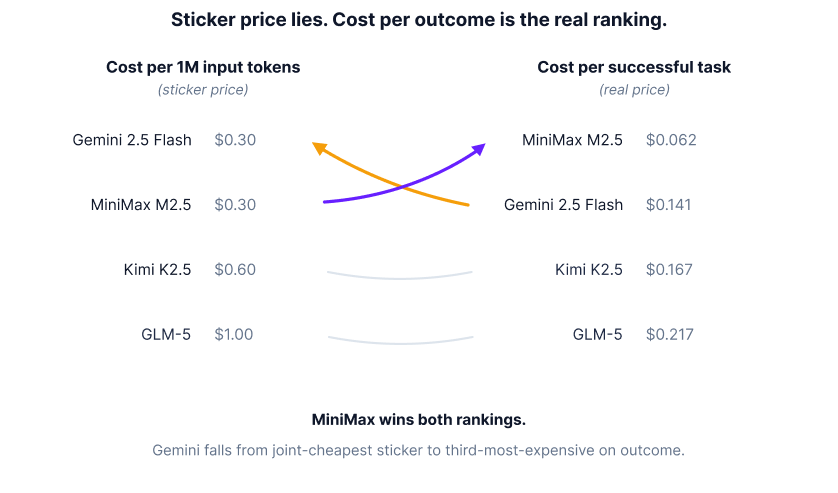 Sticker price vs. real cost per
successful outcome — Gemini 2.5 Flash costs 2.3x more than per-token
pricing implies. Source: Fireworks AI
Sticker price vs. real cost per
successful outcome — Gemini 2.5 Flash costs 2.3x more than per-token
pricing implies. Source: Fireworks AI