Iran
Drone Strikes Barakah Nuclear Plant as Ceasefire Unravels
An Iranian drone penetrated UAE air defenses and struck an electrical
generator at the perimeter of the Barakah nuclear energy plant in Abu
Dhabi — the first confirmed attack on a nuclear facility in the US-Iran
war. Two of three drones were intercepted; one hit its target.
Authorities confirmed no radiological release and all reactors continued
operating, but the IAEA called military activity threatening nuclear
sites “unacceptable.” Abu Dhabi condemned the strike as a “dangerous
escalation.” Drones also struck sites in Saudi Arabia in the same
wave.
Brent crude surged past $111 on the news. Trump warned Tehran the
“clock is ticking” and convened a Situation Room meeting to review
military options. The fragile ceasefire, in place since early April,
appears to be collapsing — Iranian media reports the US has made no
concrete concessions in response to Tehran’s latest proposals. (Also
covered in World)
Ukraine
Swarms Moscow With 600 Drones in Largest-Ever Capital Strike
Ukraine launched nearly 600 drones at Moscow Oblast overnight — its
largest strike on the Russian capital — using newly developed RS-1,
FP-1, and BARS-SM systems. The operation hit the Angstrem Semiconductor
Plant at Zelenograd (which produces microelectronics for precision
weapons), the Moscow Oil Refinery at Kapotnya, two major oil pumping
stations, and caused a fire at Sheremetyevo Airport’s runway, forcing 51
flight diversions. In parallel, Ukraine struck Belbek military airfield
in Crimea, destroying a Pantsir-S2, an S-400 radar hangar, and drone
control systems.
Zelensky called the strikes a “justified” response to Russia’s
three-day attack that killed 52 Ukrainian civilians including 22
children. He claimed May 17 saw Ukraine’s active combat operations
outnumber Russia’s for the first time — what he called a “shift in the
balance.” Russia retaliated overnight with a combined 507-drone attack,
its largest interception event. (Also covered in Ukraine)
Taiwan
Will Not Be Sacrificed — and China Plays the Long Game
Taiwan’s President Lai Ching-te gave his first direct response to the
Trump-Xi summit, reiterating that Taiwan “is not part of China,” will
not provoke conflict, and will not surrender sovereignty. Trump advisers
reportedly fear China may target Taiwan within five years — a concern
that shaped the summit dynamics. China committed to $17 billion in
annual US agricultural purchases, a concrete but narrow trade concession
that leaves structural disputes unresolved.
The Atlantic argues Xi’s elaborate reception of Trump — pageantry,
flattery, reciprocal gestures — was strategic performance, not
substantive alignment. China made no meaningful concessions on Taiwan,
technology, or military posture; it bought time and goodwill. Meanwhile,
a significant NYT report describes Chinese strategists closely tracking
US missile depletion from the Iran campaign, drawing conclusions about
American capacity for a simultaneous Pacific contingency. The framing: a
superpower visibly weakened by an asymmetric war. In Beijing’s view, a
giant with a limp.
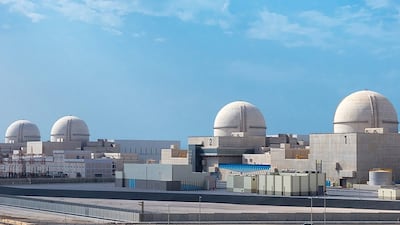 Fire at the Barakah plant perimeter,
May 17. Photo: Emirates Nuclear Energy Corporation
Fire at the Barakah plant perimeter,
May 17. Photo: Emirates Nuclear Energy Corporation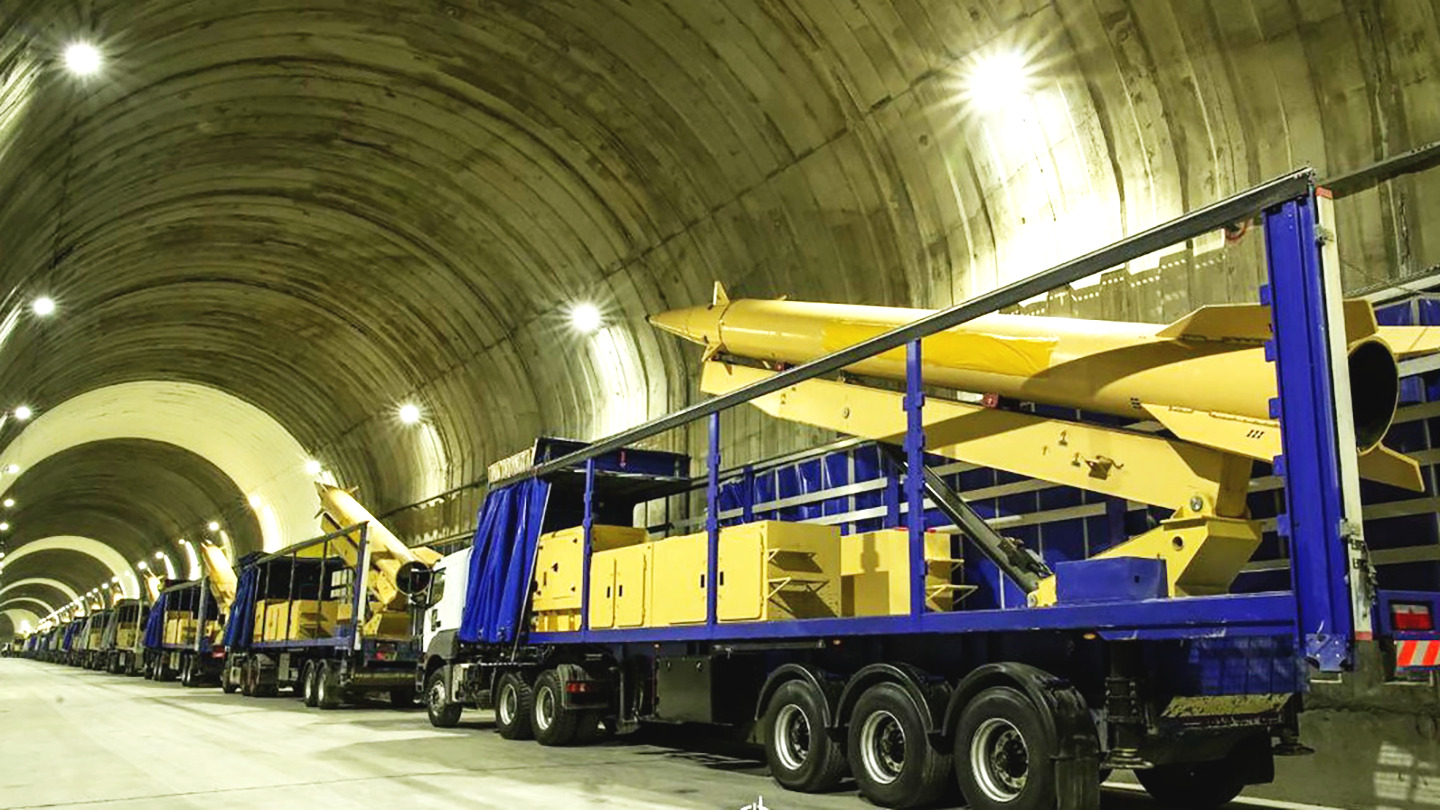 Iranian missile production
facilities. Photo: The War Zone
Iranian missile production
facilities. Photo: The War Zone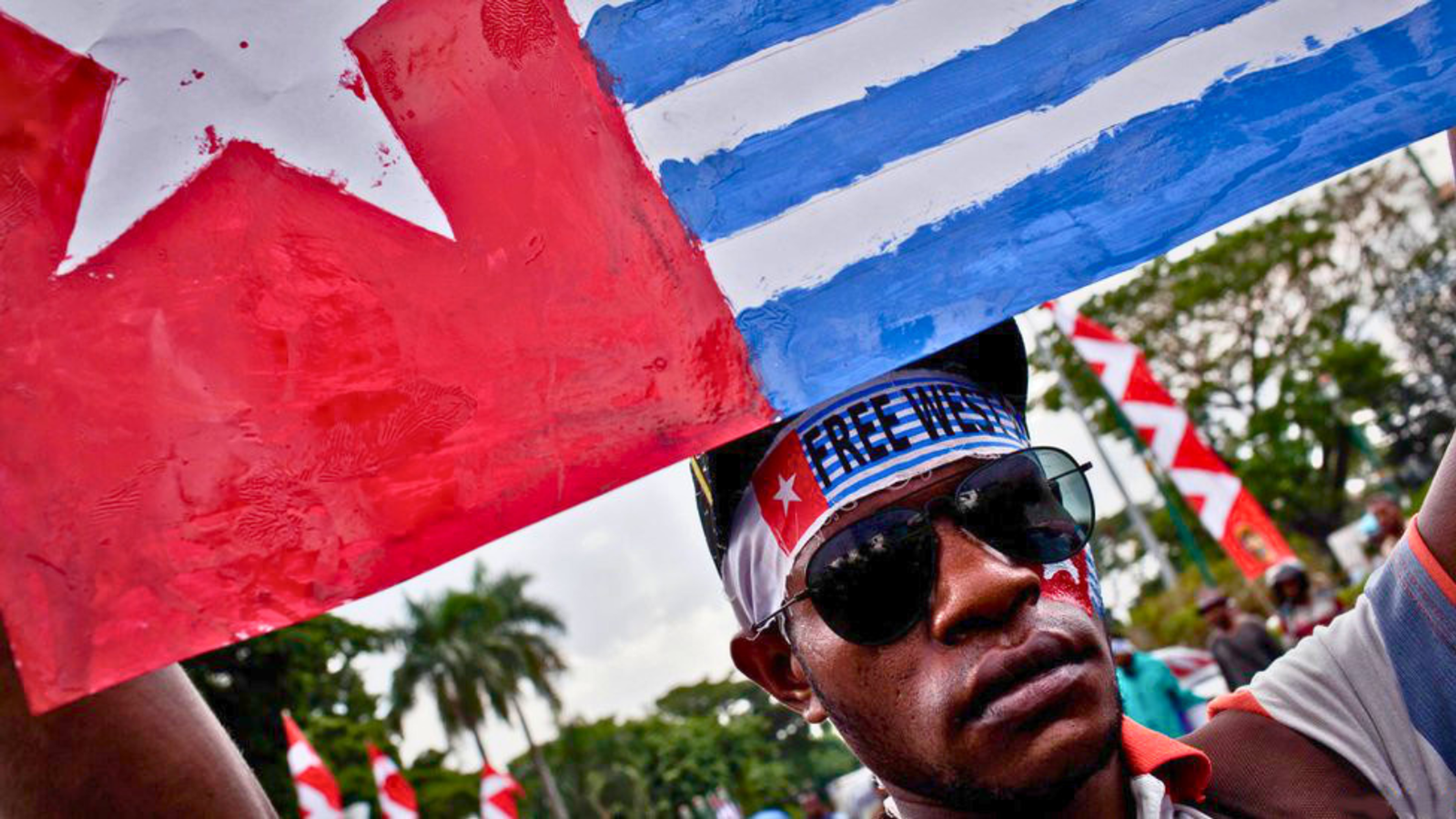 The Morning Star flag displayed at the graduation parade that triggered
the shooting. Photo: Pacific Media Network
The Morning Star flag displayed at the graduation parade that triggered
the shooting. Photo: Pacific Media Network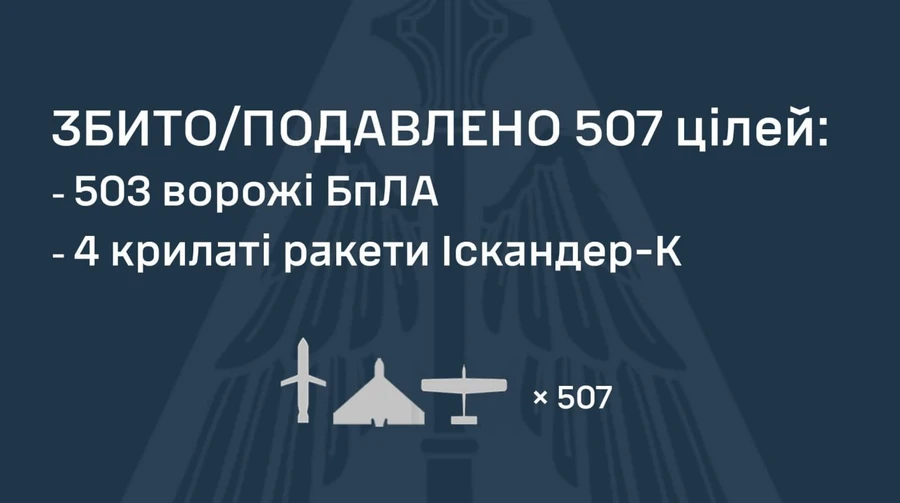 Targets intercepted overnight May
17–18. Graphic: Ukrainian Air Force
Targets intercepted overnight May
17–18. Graphic: Ukrainian Air Force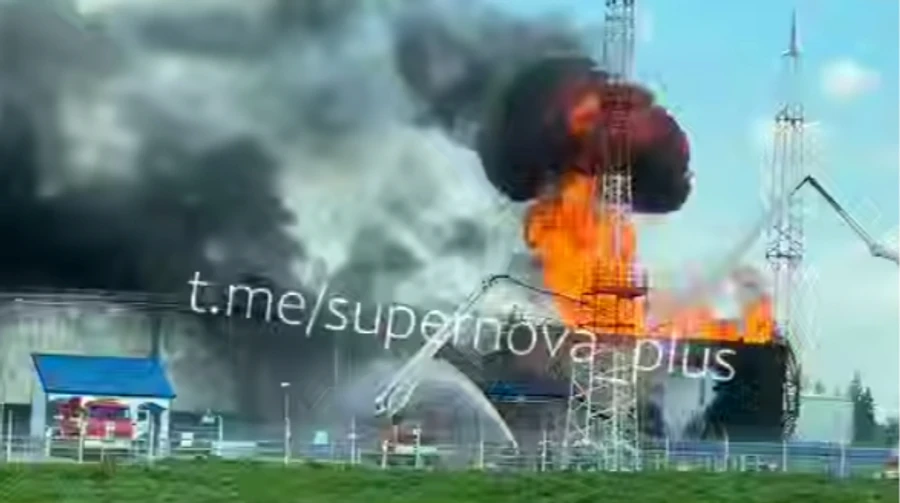 Fire at a struck target in Moscow
Oblast.
Fire at a struck target in Moscow
Oblast. Monocrystal facility — a leading
global producer of synthetic sapphires for missile and drone optics.
Monocrystal facility — a leading
global producer of synthetic sapphires for missile and drone optics. macOS Tahoe. Photo: MacRumors
 Sierpinski triangle in VGA text mode
— the output of 16 bytes of x86.
Sierpinski triangle in VGA text mode
— the output of 16 bytes of x86.