Ukraine
Puts 100+ Drones Over Moscow; Russia Counters With 300-Drone Wave
Ukraine launched over 100 drones at Moscow and surrounding oblasts
overnight May 16–17, sparking fires at a technology park, forcing flight
restrictions at multiple airports, and killing at least 3 in the Moscow
region. The Ryazan oil refinery was also struck the same night. The
night prior, Ukraine hit the Nevinnomyssk Azot chemical plant in
Stavropol Krai — Russia’s largest nitrogen fertilizer and ammonia
producer, ~540 km from the front — a facility producing the ammonium
nitrate used in explosives.
Russia countered with approximately 300 drones against Ukraine,
striking Kherson, Zaporizhzhia, Poltava, Dnipro, and Odesa — cutting
power to 22,000 subscribers. Clearly-marked UN vehicles were struck by
drones in Ukrainian territory. A new poll shows that for the first time
since 2022, Russians worry more about strikes at home than events at the
front.
France announced readiness to co-develop a ballistic missile defense
system with Ukraine — Zelensky called it ‘an important step’ distinct
from existing air defense cooperation. The US separately allowed its
sanctions exemption for purchases of Russian oil to expire without
renewal.
The State Duma passed legislation granting Putin explicit authority
for military operations outside Russia to protect Russian citizens
abroad — the same pretext used to justify the 2022 invasion.
Simultaneously, Putin signed a decree fast-tracking Russian citizenship
for Transnistrian residents in Moldova, where 59% already hold Russian
passports. Zelensky called it a territorial claim and instructed
officials to coordinate with Chisinau; Moldova’s president rejected
Moscow’s framing. ISW frames the moves as replicating the
passportization-then-intervention playbook used in Ukraine, Abkhazia,
and South Ossetia.
Gerasimov’s
Fabricated Battlefield Reports Are Now Shaping Russian Operational
Planning
Russian Chief of the General Staff Gerasimov briefed the Western
Grouping command with wildly inaccurate claims — asserting Russian
forces are advancing west of Kupyansk (a city they haven’t taken), have
seized all of Borova and Kutkivka, and hold 85% of Lyman. ISW assesses
the actual figure at 0.06%.
Even pro-Russian milbloggers are publicly contradicting him, with one
noting no mapper claims Russian forces have even entered Borova. ISW
warns this ‘beautiful reports’ dynamic has escalated beyond morale
management into genuine planning failure: Gerasimov named Shevchenkove —
28 km west of Kupyansk — as Russia’s next operational objective, a goal
unreachable until they first seize Kupyansk, which Ukrainian forces
continue to contest. The highest echelon of Russian military command
appears either unaware of or unwilling to admit battlefield realities
even to itself.
 Health official conducting temperature screening at Kibuli Muslim
Hospital, Kampala, May 16. Photo: AP
Health official conducting temperature screening at Kibuli Muslim
Hospital, Kampala, May 16. Photo: AP Trump and Xi on a Taipei restaurant screen as Taiwan digests the
‘negotiating chip’ remarks. Photo: AFP
Trump and Xi on a Taipei restaurant screen as Taiwan digests the
‘negotiating chip’ remarks. Photo: AFP Israeli airstrike on Al Qlailah, southern Lebanon, May 16. Photo:
AFP
Israeli airstrike on Al Qlailah, southern Lebanon, May 16. Photo:
AFP Women during a protest against the government in El Alto, Bolivia, May
16. Photo: Reuters
Women during a protest against the government in El Alto, Bolivia, May
16. Photo: Reuters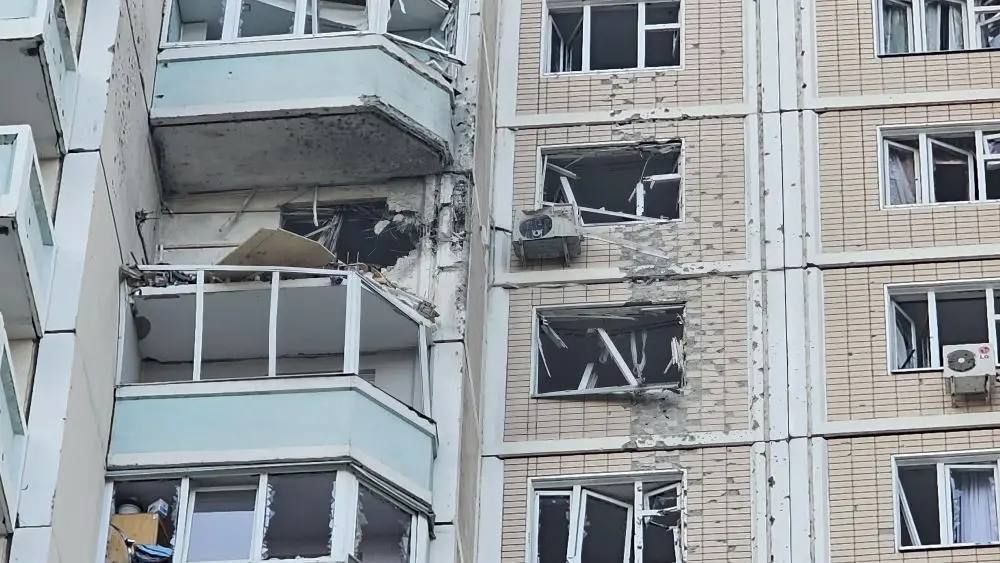 Damage in the Moscow region after
overnight drone attack, May 17. Photo: Russian authorities
Damage in the Moscow region after
overnight drone attack, May 17. Photo: Russian authorities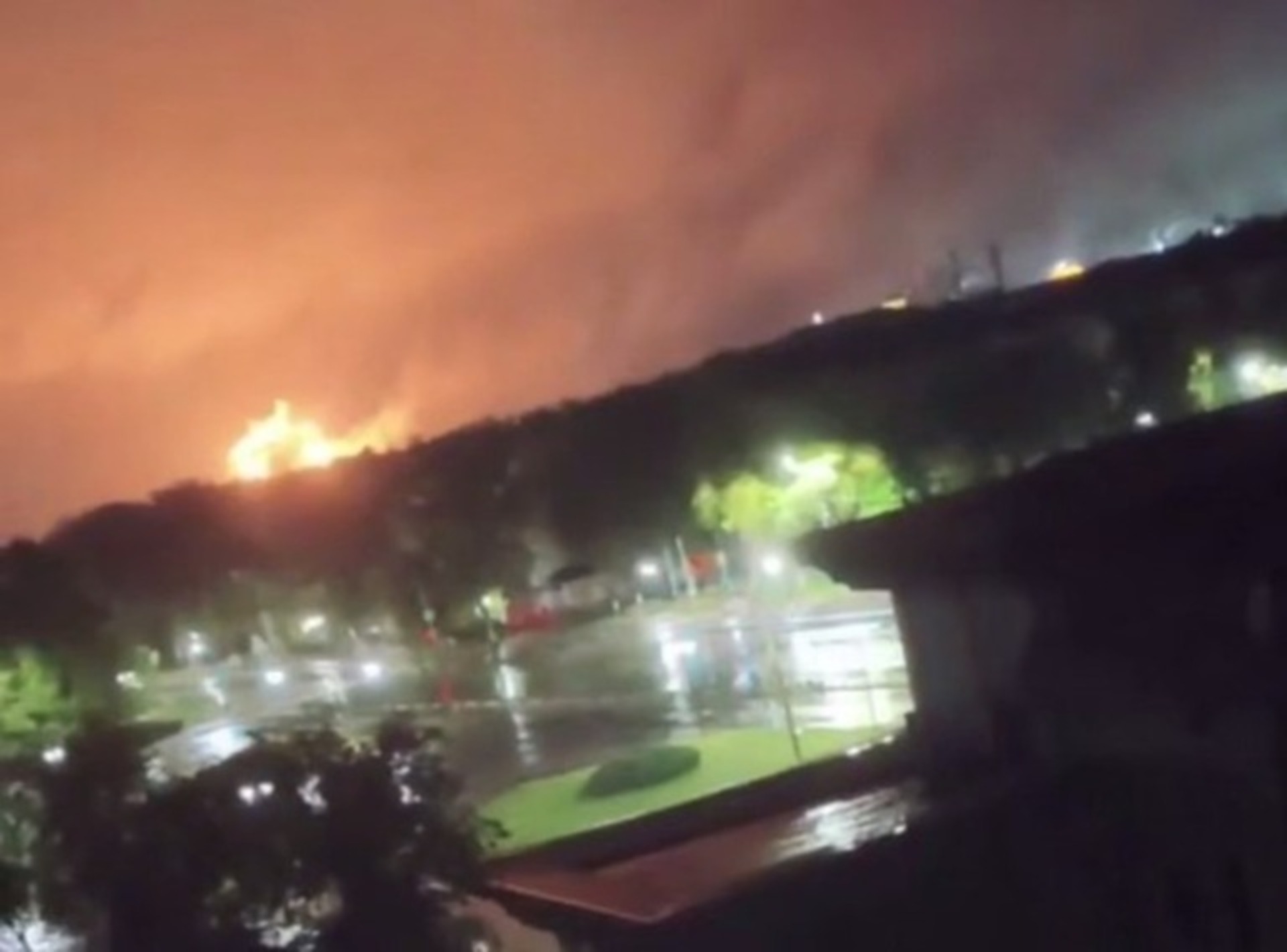 Fire at the Nevinnomyssk Azot
chemical plant, Stavropol Krai, May 16. Photo: Militarnyi
Fire at the Nevinnomyssk Azot
chemical plant, Stavropol Krai, May 16. Photo: Militarnyi The community that kept the Fisker
Ocean alive. Photo: Fisker Owners Association
The community that kept the Fisker
Ocean alive. Photo: Fisker Owners Association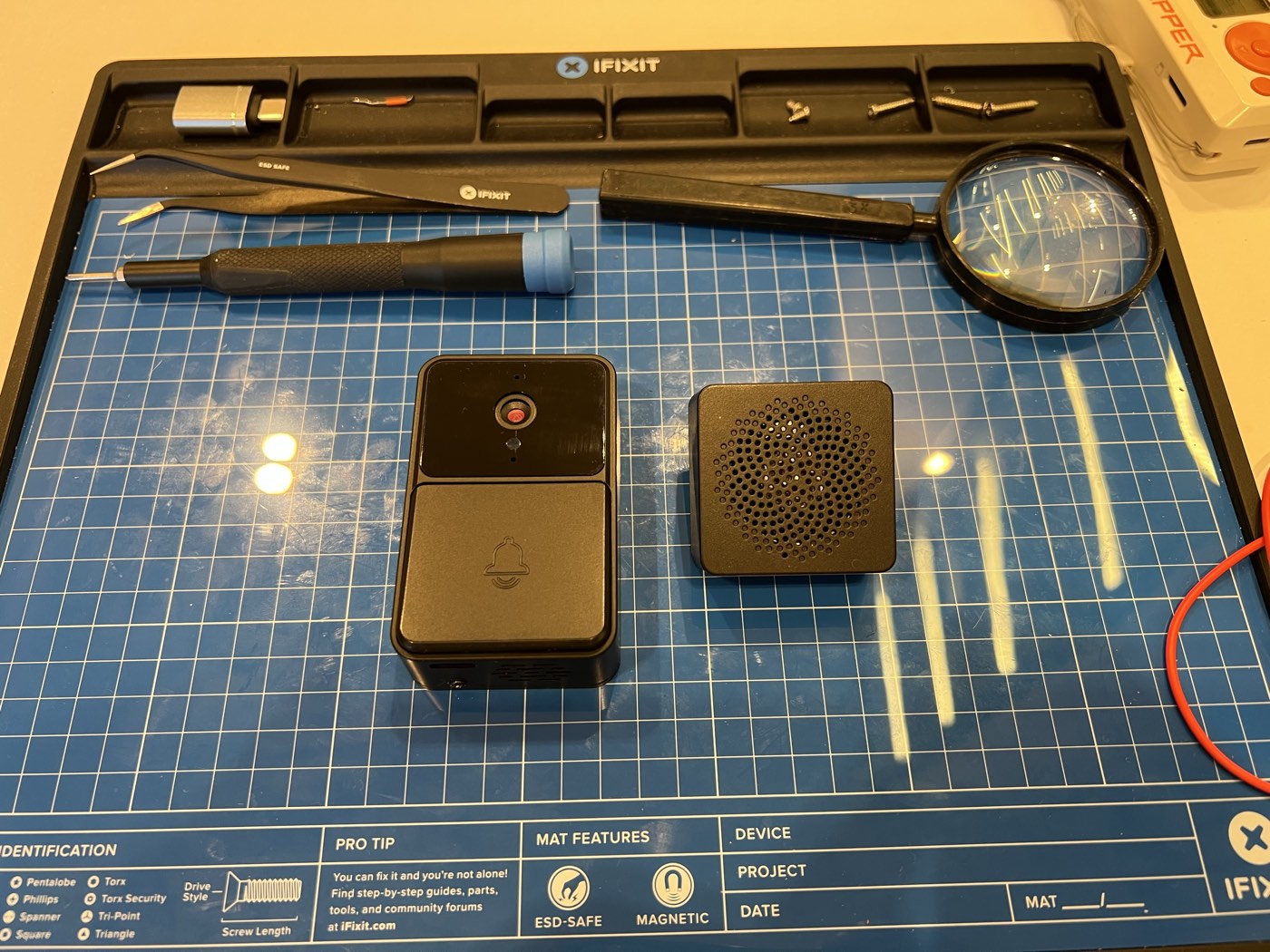 The Smart Doorbell X3. Photo:
abgeo.dev
The Smart Doorbell X3. Photo:
abgeo.dev