Kyiv: Twenty-Four Dead,
Three Children
Search and rescue operations in Kyiv’s Darnytskyi district concluded
with 24 confirmed dead — including three children — and 57 injured.
Zelenskyy confirmed the strike used a Kh-101 cruise missile manufactured
in Q2 2026, illustrating continued Russian production despite deep
strikes on the defence industrial base. Ukraine convened an emergency UN
Security Council session in response.
Ryazan and Astrakhan
Overnight drone strikes set fire to the Ryazan oil refinery (480 km
inside Russia), causing explosions and disrupting airports across
several cities. Separately, Gazprom’s Astrakhan gas processing plant
halted fuel production after a drone attack — a new and more distant
target type in Ukraine’s deep-strike campaign. Both extend a pattern
that already includes the confirmed halt of the Perm refinery from
yesterday.
257 Clashes, No Confirmed Gains
257 combat clashes were recorded on May 14–15. Pokrovsk saw the most
Russian attacks (39), Kostyantynivka second (28), but no confirmed gains
on either axis. Russian advances in Kostyantynivka have stalled at under
1 km per week for over a month, with Ukrainian counterattacks holding
infiltration to less than 10% of the city. Ukrainian forces advanced
near Zakitne in the Slovyansk direction. Drone operators are
increasingly targeting Russian rear logistics; battlefield momentum is
broadly assessed as slowing.
West
Surges Air Defense and Launches Aggression Tribunal
The UK ordered an immediate air defense boost for Ukraine; Germany
agreed to accelerate deployments; and the EU finalized a €6 billion
drone procurement package — all in direct response to the mass strikes.
The Special Tribunal for Russia’s crime of aggression was launched at
the Council of Europe session in Chișinău, with Switzerland joining.
Zelenskyy announced Europe is forming an anti-ballistic coalition. In
Washington, GOP centrists forced a House floor vote on a major Russian
sanctions bill, expected in early June.
Pentagon Cancels Poland
Deployment
The US Army abruptly cancelled the deployment of 4,000 soldiers to
Poland with no public explanation, raising alarm about American
commitment to NATO’s eastern flank. NATO’s secretary general urged all
allies to spend 0.25% of GDP annually on military aid to Ukraine.
Secretary Rubio called Ukraine the “strongest, most powerful” military
in Europe — suggesting Washington views Kyiv as capable of holding its
own, potentially rationalizing reduced direct engagement.
Growing Cracks in Putin’s
Dictatorship
Michael McFaul argues Russia’s current combination of failures is
unprecedented. Confirmed combat deaths range from 216,000 to 325,000
(CSIS), with Ukraine inflicting an estimated 35,000 casualties per month
using drones alone. Putin’s approval has dropped to 65–73% — the lowest
since 2022 — while only 16% support his party. Russian economists openly
discuss an “unholy trinity” of recession, inflation, and budgetary
crisis; even Communist leaders warn of a potential 1917-style
revolution. Russia’s prison population has fallen by 180,000 since the
invasion, reflecting mass mobilization of convicts into military
service.
Domestically, the FSB has acquired new powers including authority to
shut down internet and mobile networks, and a 4,000-bed detention
facility is under construction despite prisons operating below capacity
— suggesting preparation for political prisoners. Putin dismissed border
governors in Belgorod and Bryansk, replacing them with war veterans
through the “Time of Heroes” program; the new Belgorod governor, Major
General Shuvayev, commanded units documented executing Ukrainian POWs
near Avdiivka. The May 9 Victory Day parade was scaled back
dramatically.
Latvia’s PM Resigns Over
Stray Drones
Latvia’s prime minister resigned following political fallout from an
incident in which Ukrainian drones bound for Russia crashed on Latvian
soil — NATO territory. The accident reignited concerns about errant
munitions spilling into allied states and triggered a political crisis
in Riga.
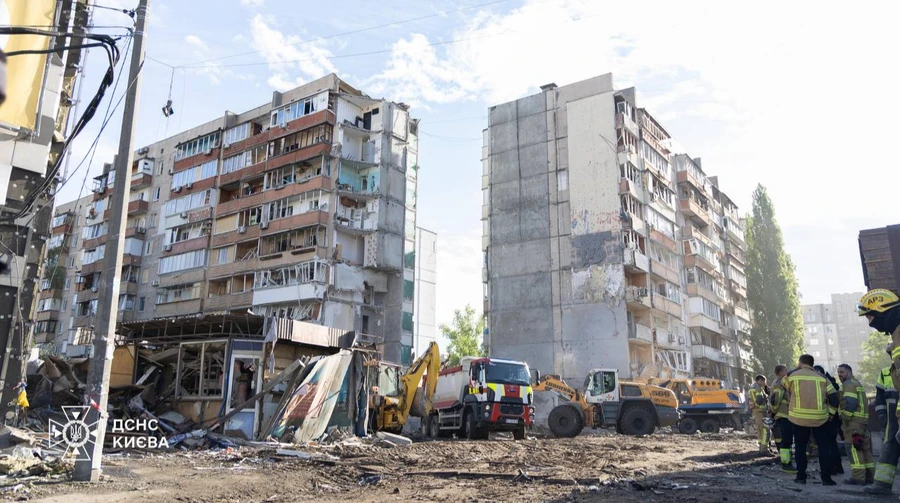 Rescue workers at the collapsed
residential building in Kyiv’s Darnytskyi district. Photo: Ukrainska
Pravda
Rescue workers at the collapsed
residential building in Kyiv’s Darnytskyi district. Photo: Ukrainska
Pravda Trump and Xi at the Zhongnanhai
compound in Beijing. Photo: Reuters / Al Jazeera
Trump and Xi at the Zhongnanhai
compound in Beijing. Photo: Reuters / Al Jazeera Cuban President Miguel Díaz-Canel.
Photo: Reuters / Al Jazeera
Cuban President Miguel Díaz-Canel.
Photo: Reuters / Al Jazeera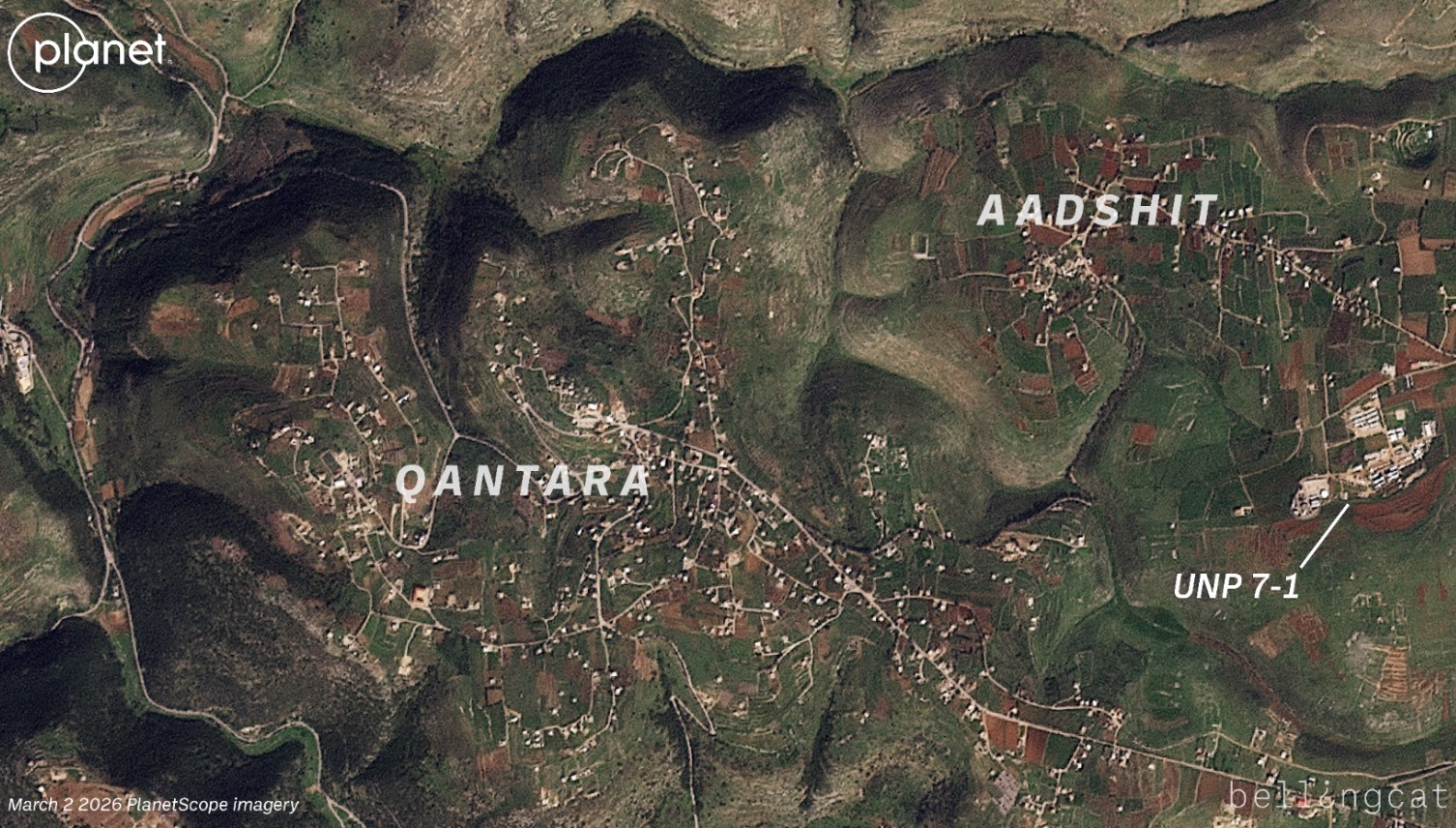 Before/after satellite imagery
(March 2 vs. April 30) showing Qantara and Aadshit in southern Lebanon.
Photo: PlanetScope / Bellingcat
Before/after satellite imagery
(March 2 vs. April 30) showing Qantara and Aadshit in southern Lebanon.
Photo: PlanetScope / Bellingcat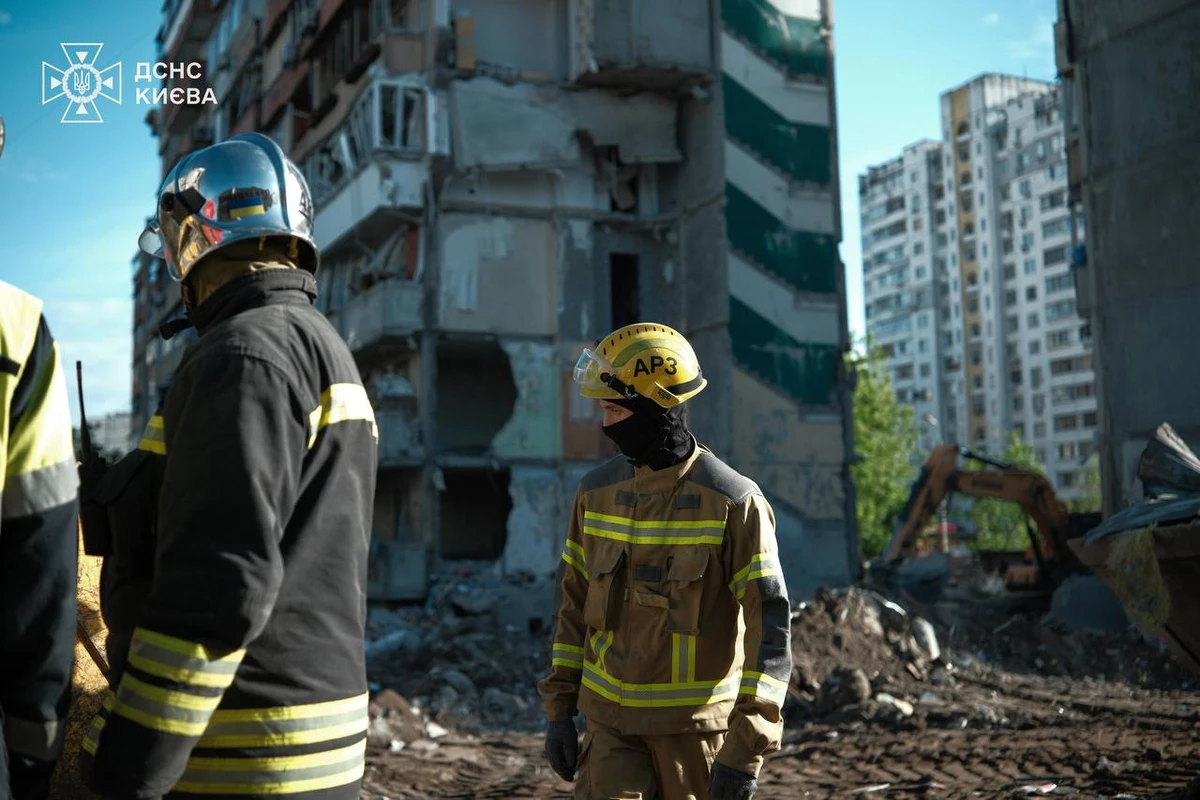 Emergency crews working through
rubble at the Darnytskyi apartment building. Photo: Ukrainska Pravda
Emergency crews working through
rubble at the Darnytskyi apartment building. Photo: Ukrainska Pravda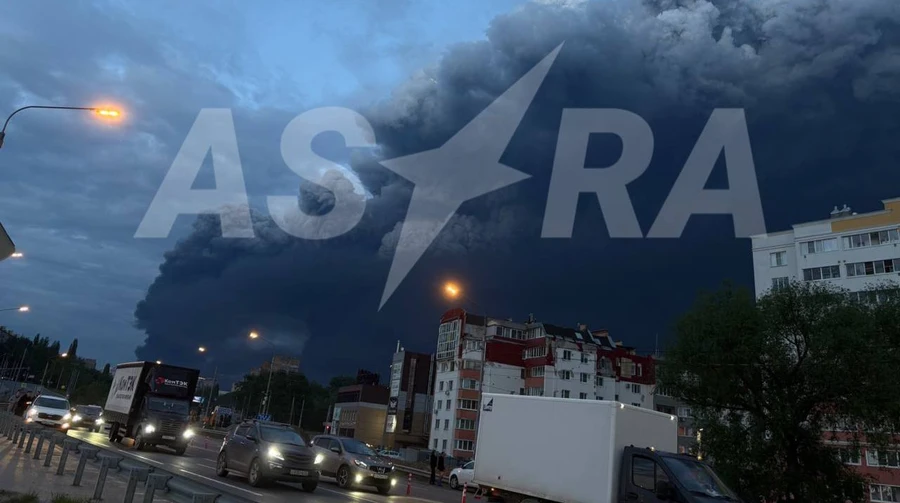 Black smoke over Ryazan after drone
strikes on the oil refinery. Photo: Ukrainska Pravda
Black smoke over Ryazan after drone
strikes on the oil refinery. Photo: Ukrainska Pravda The Mullvad seed estimator tool
showing IP float value ranges.
The Mullvad seed estimator tool
showing IP float value ranges.