Iran’s counter-proposal lands dead on arrival; the Hormuz blockade grinds into a second month; and a War on the Rocks essay declares the battlefield golden hour extinct.
Tehran Broadcasts Its Terms, Washington Says No
Iran delivered its formal counter-proposal to the US peace framework on Saturday — and made sure the world saw it before Washington could respond. The 14-point package demands full sovereignty over the Strait of Hormuz, war reparations, and a permanent end to hostilities. Trump called it “totally unacceptable.” Netanyahu declared the war “not over” until enriched uranium leaves Iran. France pre-positioned its carrier for a Hormuz mission.
The terms were never designed for negotiation. House of Saud’s sharp analysis argues Tehran deliberately broadcast its maximalist demands through IRNA, Tasnim, and Al Jazeera before any back-channel could soften them — locking Iranian negotiators out of future compromise. Supporting moves preceded the broadcast: a Persian Gulf Strait Authority established May 5, and supreme leader advisers publicly equating Hormuz control with nuclear capability. The strategy is to anchor public expectations so that any Saudi-brokered framework at Trump’s coming Riyadh visit reads as documented Iranian refusal, not failed diplomacy.
Meanwhile, Iran’s civilian population absorbs the cost: soaring food inflation, a collapsed currency, and a nationwide internet blackout limiting outside communication. BBC correspondents reaching dissidents via intermediaries heard accounts of people feeling “helpless” under the dual burden of war and government repression.
Axios · Reuters · BBC · NPR · Al Jazeera (food inflation) · House of Saud (analysis) · France 24 (carrier)
The Golden Hour Is Dead
War on the Rocks publishes a sobering essay arguing that Western casualty evacuation doctrine — built on the “golden hour” from Afghanistan and Iraq — is obsolete. Persistent drone surveillance means evacuation itself now generates lethal risk exceeding the original injury: any movement creates observable signatures that drone operators exploit through integrated fire systems. Mine contamination forces casualties onto pre-registered kill corridors. The authors document soldiers refusing assaults and taking their own lives after injury due to fear of abandonment. The conclusion: wounded may remain forward for extended periods, requiring all troops — not just medics — to sustain casualties in place. Western militaries must shift from rapid extraction toward survivability under exposure.
A Divided Kingdom
Keir Starmer is fighting for survival as around 40 Labour MPs call for his resignation after historic local election losses. Health Secretary Wes Streeting and Deputy PM Angela Rayner are positioning for leadership bids. But the deeper story is structural: Reuters reports that pro-independence parties are simultaneously surging across Scotland, Wales, and Northern Ireland — all three on course to be led by separatist parties. Northern Ireland’s leader called it “seismic.” The three parties could coordinate pressure on Westminster. Meanwhile in Australia, One Nation won its first-ever lower house seat, tracking the same global populist current.
The Guardian (Starmer) · Reuters (independence) · NPR · NYT (One Nation)
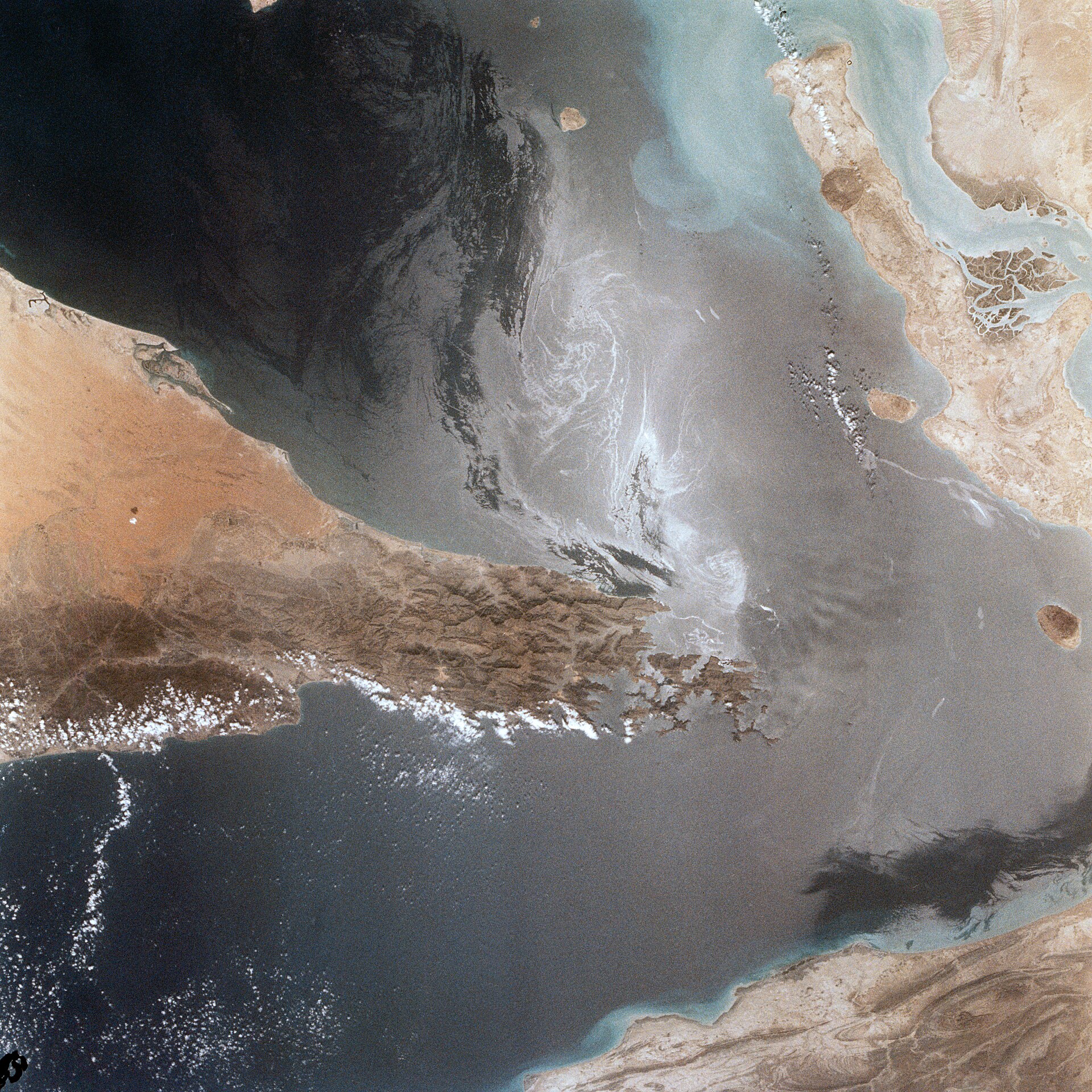 NASA Space Shuttle view of the
Strait of Hormuz — the 21-nautical-mile narrows at the center of Iran’s
sovereignty claim.
NASA Space Shuttle view of the
Strait of Hormuz — the 21-nautical-mile narrows at the center of Iran’s
sovereignty claim.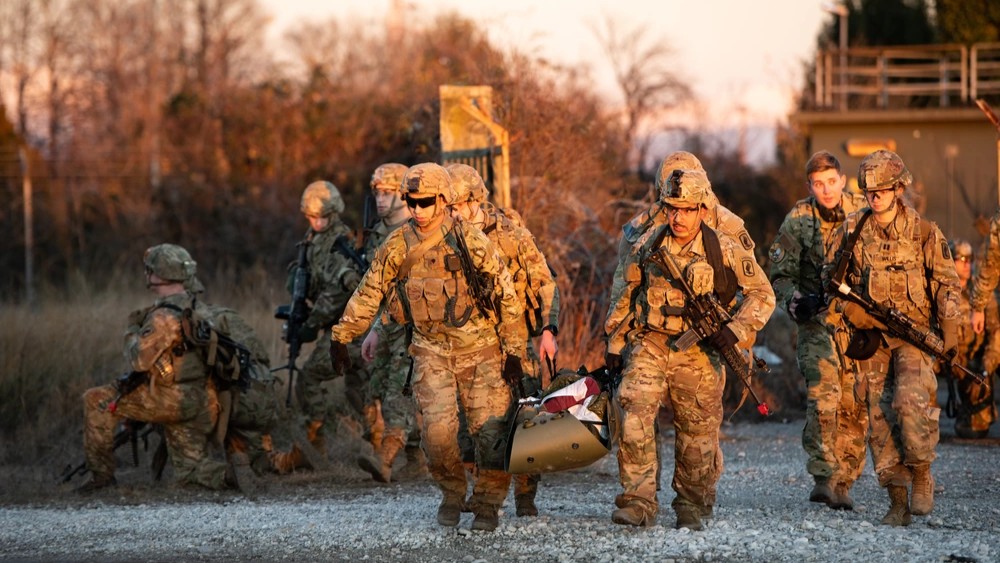 War on the Rocks: the golden hour is
dead in the age of persistent drone surveillance.
War on the Rocks: the golden hour is
dead in the age of persistent drone surveillance. Fresh produce market in Tehran as
food prices soar under the US naval blockade.
Fresh produce market in Tehran as
food prices soar under the US naval blockade.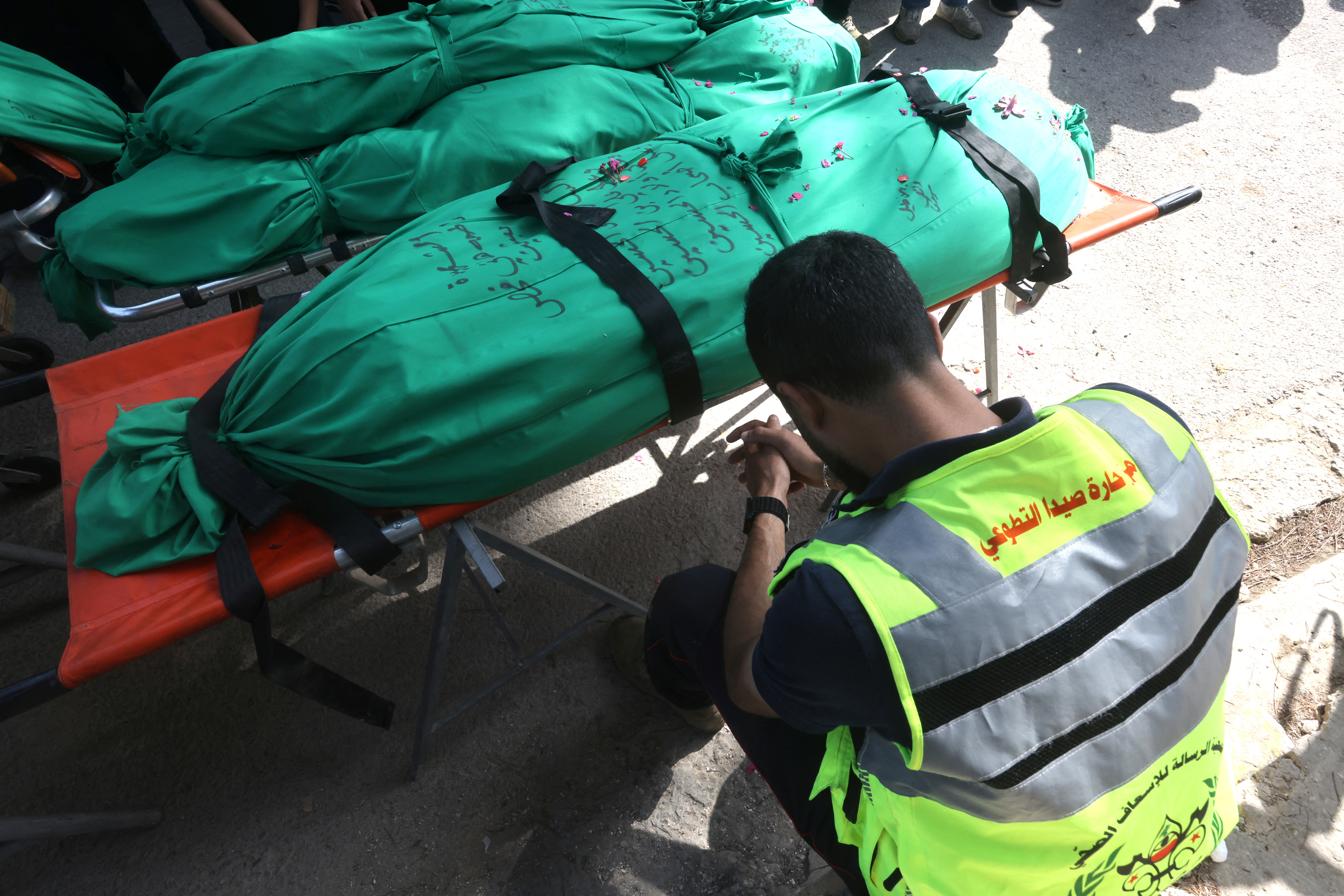 Civil defence volunteer beside the
bodies of nine killed in an Israeli airstrike on Jibshit, southern
Lebanon, May 10.
Civil defence volunteer beside the
bodies of nine killed in an Israeli airstrike on Jibshit, southern
Lebanon, May 10.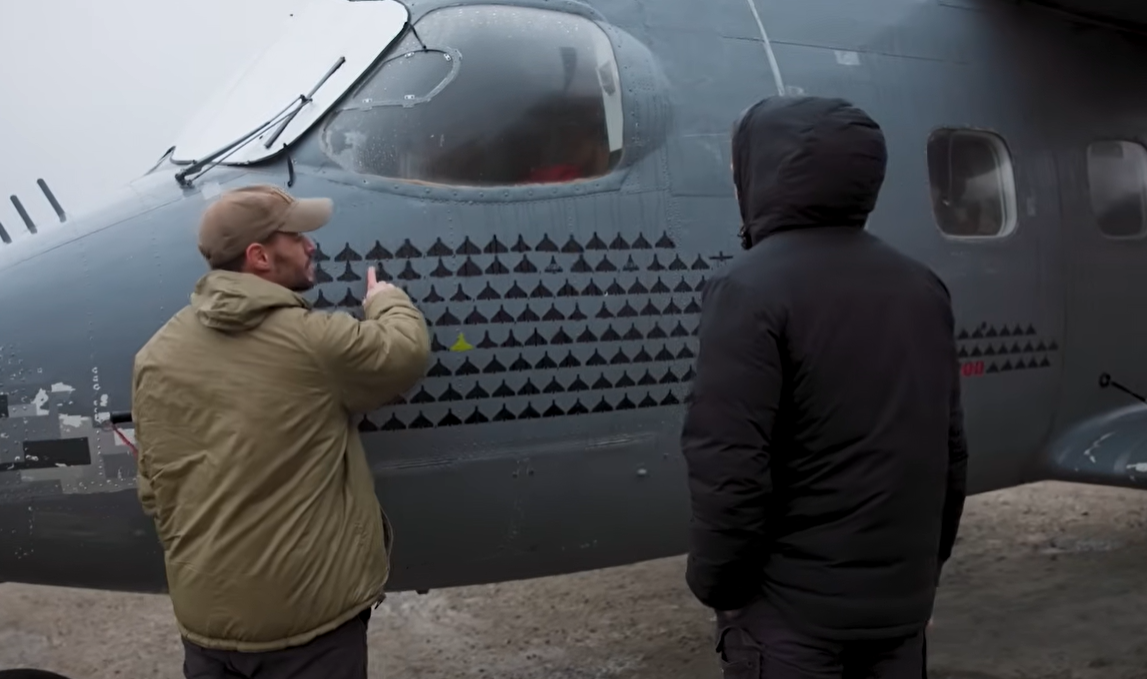 Kill markings on a Ukrainian An-28
modified for drone hunting — 213 Russian UAVs downed.
Kill markings on a Ukrainian An-28
modified for drone hunting — 213 Russian UAVs downed. German Defence Minister Boris
Pistorius arrives at Kyiv’s central station, May 11.
German Defence Minister Boris
Pistorius arrives at Kyiv’s central station, May 11. Revaulter: approve a ZFS decrypt
request via passkey on your phone.
Revaulter: approve a ZFS decrypt
request via passkey on your phone. Adam Dunkels’ experiment: Claude
operating as a user-space IP stack, responding to ICMP pings in ~10
seconds.
Adam Dunkels’ experiment: Claude
operating as a user-space IP stack, responding to ICMP pings in ~10
seconds.