Yesterday’s pauses lasted hours; today Hormuz erupts again, Russia’s ceasefire was fiction before dawn, and Britain’s political map cracks open.
Hormuz: direct fire, and both sides say the ceasefire holds
The US and Iran exchanged fire in the Strait of Hormuz late Thursday — the most serious test of their month-old ceasefire. Iran says the US hit Qeshm port, Bandar Abbas, and civilian ships. CENTCOM says it intercepted “unprovoked” Iranian attacks on three Navy destroyers, then struck the facilities responsible. Trump called it a “love tap.” Iranian state media said things were “back to normal.” Both claim the ceasefire holds while trading blows. Oil jumped on the exchange; 20,000 seafarers remain stranded in the Gulf; CIA assessments say Iran can outlast the blockade for months.
Saudi Arabia’s refusal to provide bases and airspace for Project Freedom — killing Trump’s escort plan within 24 hours — looks like the structural fact of this crisis: American power projection in the Gulf depends on partners who won’t participate. A Washington Post satellite investigation found Iran struck far more US military assets than the Pentagon has disclosed. And Tehran created a permanent new agency to control Hormuz shipping — converting a wartime tactic into standing infrastructure, regardless of how diplomacy plays out.
(Full coverage in World)
Victory Day 2026: no tanks, no ceasefire, twin refinery fires
Russia’s unilateral May 8–10 ceasefire produced 67 drones hitting eight Ukrainian locations overnight. Zelensky: “not even a token attempt.” The Moscow Victory Day parade will field soldiers only — no hardware for the first time in nearly two decades. Ukraine chose the eve of the parade to hit the Yaroslavl refinery (~700 km), the Perm Lukoil refinery (1,485 km — Perm cancelled its parade), a Caspian Sea corvette (~1,000 km), and a Rostov air navigation facility that shut down 13 Russian airports. Seven Russian naval vessels hit or sunk in a single week.
A leaked Kremlin document describes Russia’s “most plausible” endgame: retain Donetsk and Luhansk, withdraw from Sumy and Kharkiv, freeze Kherson and Zaporizhia, neutral buffer Ukraine with Zelensky as president. ISW assesses the leak may be deliberate — framing inevitable military failures as generous concessions.
(Full coverage in Ukraine)
Reform UK sweeps; Labour loses its heartlands
Reform UK won the north-east, took Hartlepool — the symbolic seat that nearly ended Starmer’s career once before — and pushed Labour into opposition across swathes of England. Councils in Chorley, Wigan, Redditch, and Tamworth all fell. Less than two years after a general election landslide, Keir Starmer faces a leadership crisis as the hard-right insurgency hollows out the party’s traditional working-class base.
Sources: The Guardian (Starmer) · The Guardian (results)
 Vessels in the Strait of Hormuz — 1,600 ships remain stranded or
diverted as the US and Iran exchange fire while both claiming the
ceasefire holds.
Vessels in the Strait of Hormuz — 1,600 ships remain stranded or
diverted as the US and Iran exchange fire while both claiming the
ceasefire holds. Labourers transport aluminium pipes by cart on a hot summer day in New
Delhi as a record heatwave sweeps South Asia.
Labourers transport aluminium pipes by cart on a hot summer day in New
Delhi as a record heatwave sweeps South Asia.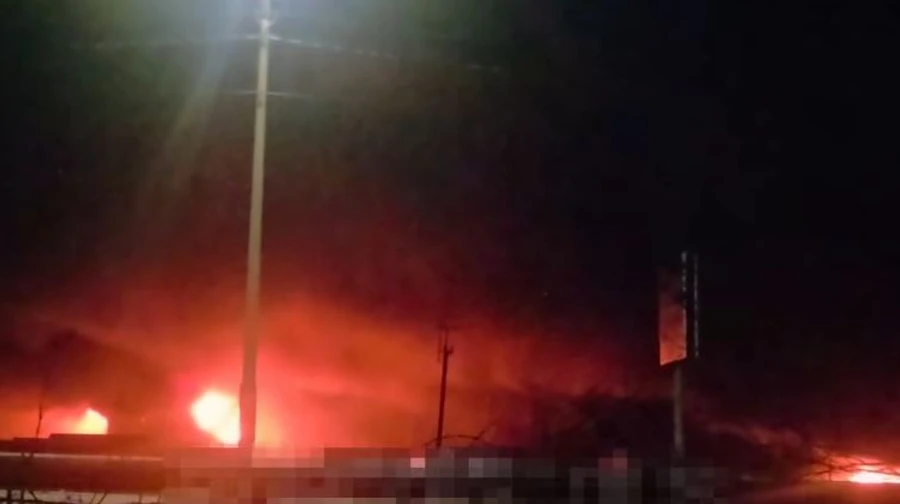 Fire at the Yaroslavl oil refinery
following Ukrainian drone strike on the eve of Victory Day.
Fire at the Yaroslavl oil refinery
following Ukrainian drone strike on the eve of Victory Day.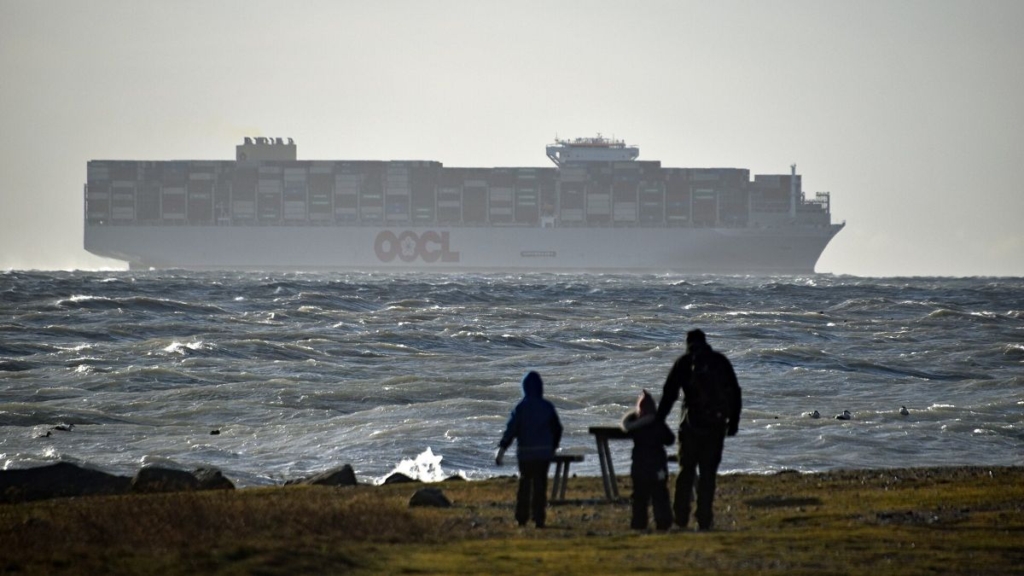 Container ship under the Great Belt
Bridge — the chokepoint a War on the Rocks analysis warns Russia could
close using the Hormuz insurance-withdrawal playbook.
Container ship under the Great Belt
Bridge — the chokepoint a War on the Rocks analysis warns Russia could
close using the Hormuz insurance-withdrawal playbook.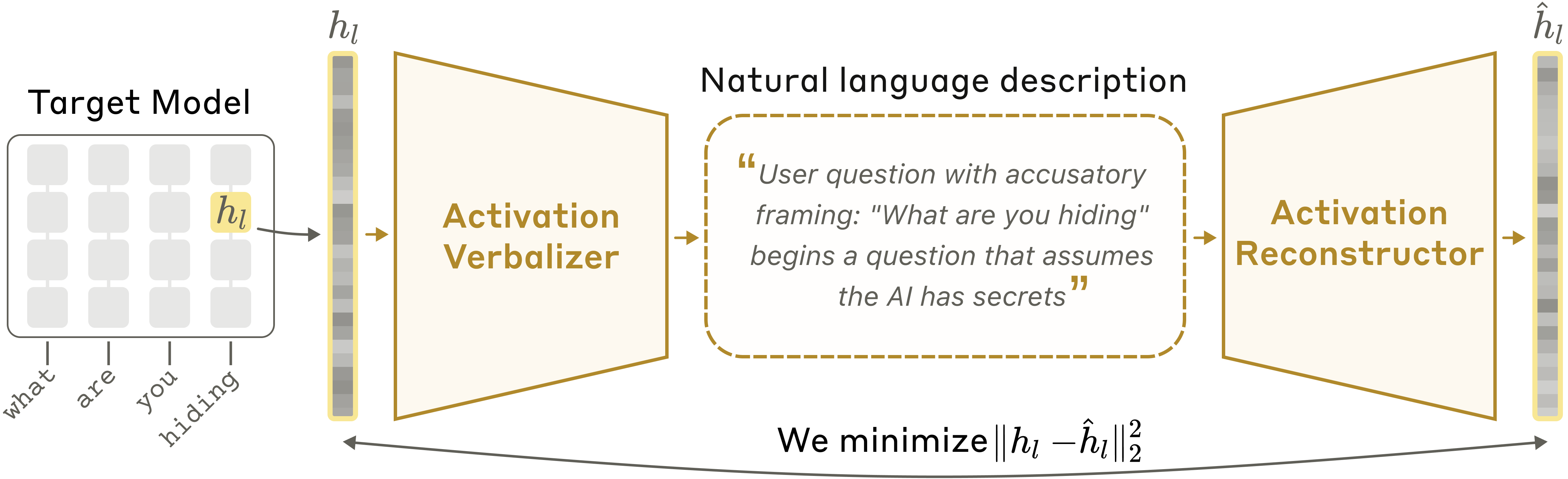 Architecture of Anthropic’s Natural
Language Autoencoder: the verbalizer translates Claude’s internal state
into text; the reconstructor maps it back for fidelity scoring.
Architecture of Anthropic’s Natural
Language Autoencoder: the verbalizer translates Claude’s internal state
into text; the reconstructor maps it back for fidelity scoring.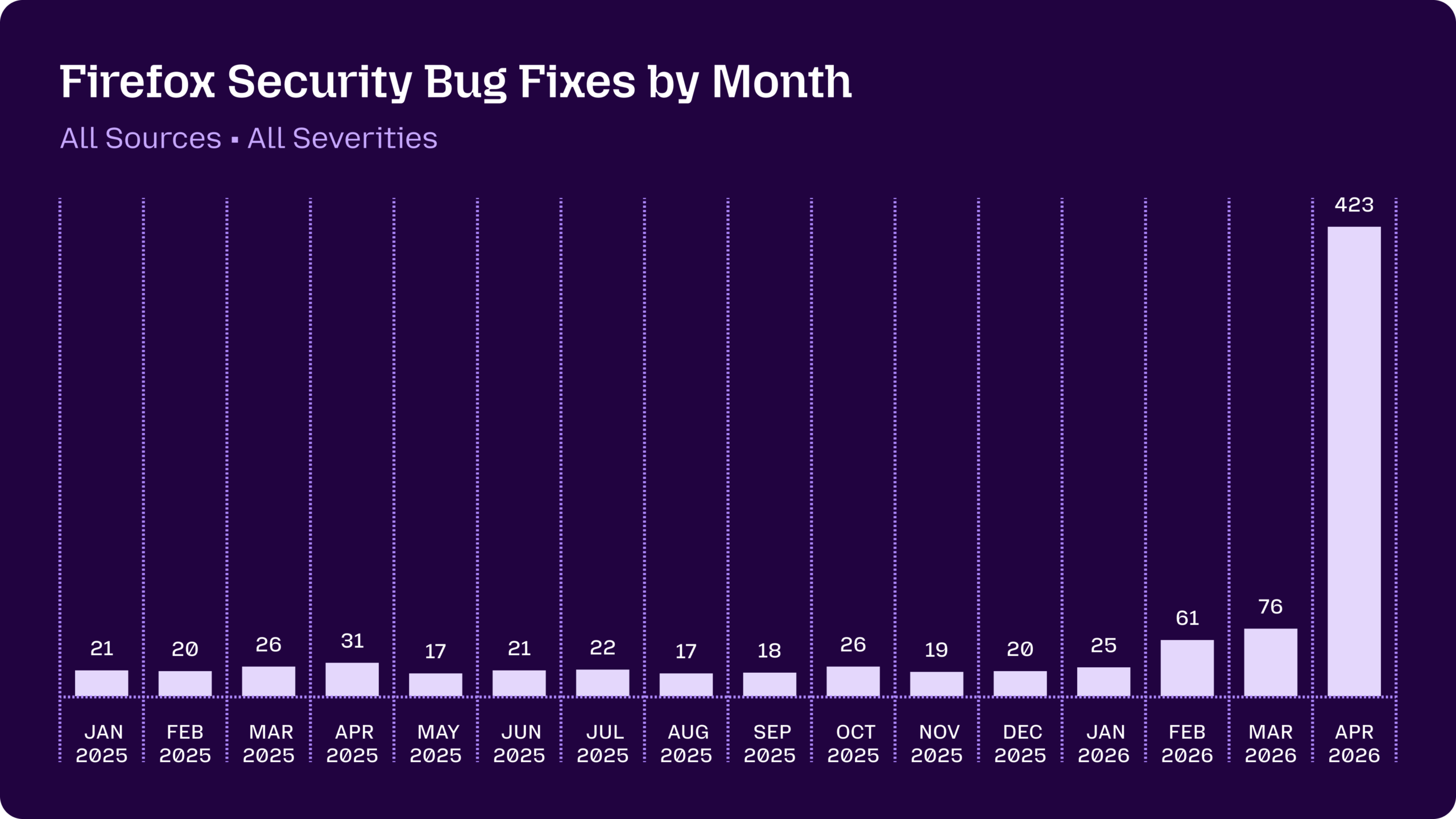 Firefox security bug fixes per month
— April 2026 spiked to 423 (from a 20–30 baseline) partly attributed to
Claude Mythos agentic fuzzing.
Firefox security bug fixes per month
— April 2026 spiked to 423 (from a 20–30 baseline) partly attributed to
Claude Mythos agentic fuzzing.