Day 43 of the US-Iran war opens with the first direct talks in Islamabad, fuel protests spread across Europe, and Artemis II brings four astronauts home from the Moon.
Islamabad: The First Real Talks
US Vice President JD Vance arrived in Islamabad to lead the American delegation in ceasefire talks with Iran — the first high-level US-Iran engagement since the conflict began six weeks ago. Pakistan’s Prime Minister Shehbaz Sharif, who brokered the talks after weeks of intense diplomacy, called them “make or break.” Iran had reportedly pushed specifically for Vance as interlocutor — a complicated ask given his own reservations about the war. Over 10,000 security personnel were deployed across the Pakistani capital.
Trump, meanwhile, said the US military is “loading up the ships” if talks fail, insisting Iran has “no cards” beyond Hormuz. Former diplomats warn he is repeating the Venezuela mistake — assuming the Maduro capture offers a replicable blueprint — and “reaping the bitter fruit” of underestimating Iran’s leverage. US intelligence also indicates China is preparing a weapons shipment to Iran, which would significantly complicate the negotiations.
NPR · Al Jazeera · The Guardian · BBC · Reuters · The Hill · Reuters — China
Fuel Protests Spread From Dublin to Oslo
Farmers and hauliers blocked motorways across Ireland for a fourth consecutive day over fuel prices spiking from the Hormuz crisis, leaving up to 500 petrol stations potentially dry. The protests have now spread to Norway. The EU’s airline trade body warned that if the strait remains closed for another three weeks, fuel shortages will hit European airports. Spain declared Hormuz falls outside NATO’s remit after Trump’s ultimatum, signaling cracks in alliance unity. US inflation hit 3.3% — a near two-year high — driven largely by Iran-war energy costs.
The Guardian · BBC · BBC — EU fuel · Euronews — NATO · NPR — inflation
Artemis II Comes Home
All four Artemis II astronauts splashed down safely in the Pacific Ocean off San Diego, concluding a 10-day mission that sent humans around the Moon for the first time since Apollo 17 in 1972. NASA described the mission as “almost flawless.” Significant obstacles remain before an actual lunar landing — but for now, humans have circled the Moon again.
The Guardian · Al Jazeera · NPR · BBC
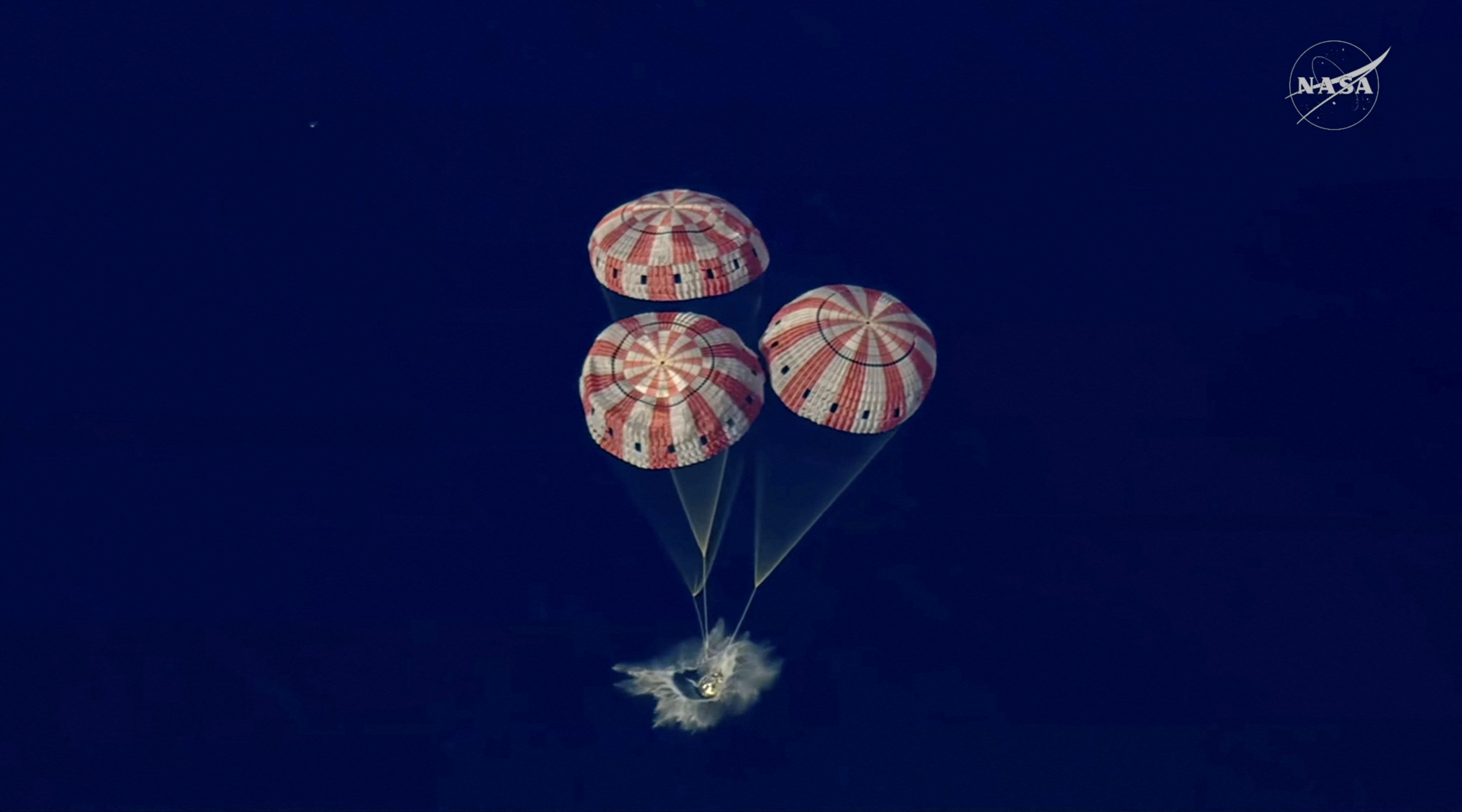 Artemis II Orion capsule splashdown
in the Pacific, April 11, 2026. Reuters via Al Jazeera.
Artemis II Orion capsule splashdown
in the Pacific, April 11, 2026. Reuters via Al Jazeera.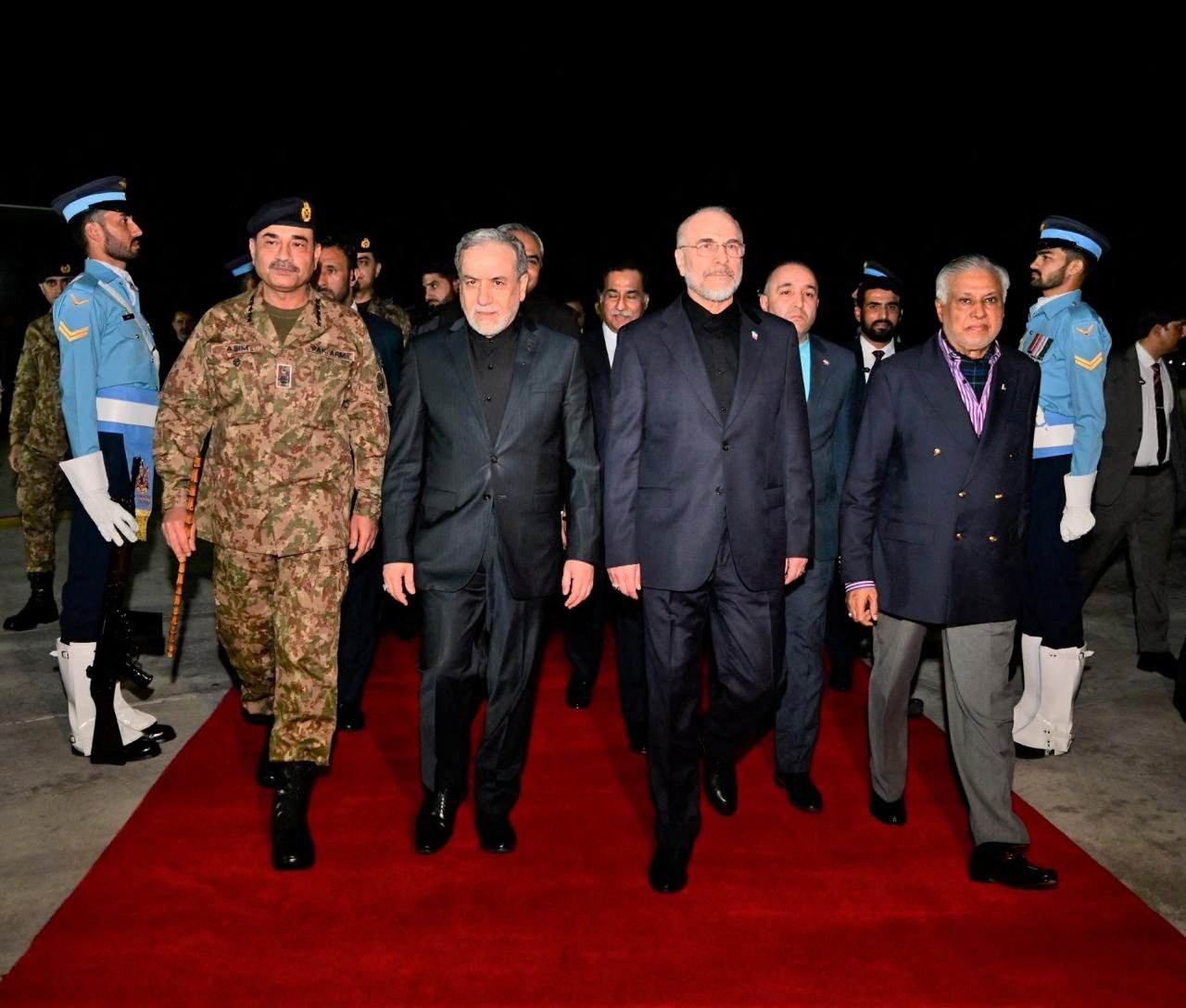 Islamabad on the eve of peace talks.
Reuters via Al Jazeera.
Islamabad on the eve of peace talks.
Reuters via Al Jazeera. Aftermath of the Israeli airstrike
on a government building in Nabatieh, southern Lebanon. Al Jazeera.
Aftermath of the Israeli airstrike
on a government building in Nabatieh, southern Lebanon. Al Jazeera.