The ceasefire era arrives — on paper. Hormuz stays closed, Beirut burns, Hungary’s strongman wobbles, and AI learns when to ask for help.
The Ceasefire That Changes Nothing
Forty-two days after the first US-Israeli strikes on Iran, a ceasefire nominally holds — but the Strait of Hormuz remains effectively closed, Brent crude pushes toward $100, and Washington and Tehran can’t agree on what they actually agreed to. Iran says the deal covers Lebanon; hours after the announcement, Israel struck over 100 Beirut targets, killing 203 in the deadliest single day since the war began. Iran responded by shutting Hormuz. VP Vance heads to Islamabad this weekend to negotiate what is, functionally, an entirely unresolved agreement.
Meanwhile, Iran has begun collecting passage tolls in the strait — at least two vessels have reportedly paid ~$2 million each in Chinese yuan. Maritime law experts warn this directly violates UNCLOS’s guarantee of innocent passage, and that the precedent points straight at the Taiwan Strait. “An Iranian tollbooth could lead China to conclude that it could restrict movement in the Taiwan Strait,” warns legal scholar Julien Raynaut.
The strategic reckoning is brutal. A Globe and Mail analysis argues Iran won the first Iran war: it demonstrated that geography and asymmetric weapons can force superpowers toward capitulation. A War on the Rocks study documents how Iran has executed the first sustained asymmetric counterair campaign ever conducted against US forces — methodically degrading the enabling layer of American airpower across Gulf bases, destroying an E-3 Sentry with only 16 in the fleet and no replacement until 2028. China is the clearest secondary winner, gaining from American strategic failure and expanded influence. The Economist warns the war has heightened the risk of NATO breaking up.
BBC · Fortune — Hormuz toll · WotR — counterair · Globe and Mail · The Economist — NATO
(Full coverage in Investigations)
Orbán’s Sixteen-Year Grip Loosens
For the first time in 16 years, a Hungarian opposition party leads Fidesz in the polls. Péter Magyar’s Tisza party — projected for a two-thirds majority — has turned Sunday’s election into the first genuinely competitive race of the Orbán era. The backdrop: a Bellingcat investigation found 795 Hungarian government credentials in breach databases (including a NATO delegate whose password meant “cute”), nearly half of Russian embassy staff in Budapest are linked to intelligence services, and reporting reveals Hungary offered covert assistance to Iran after the Hezbollah pager attack.
Kyiv Independent · Bellingcat · The Guardian
(Also covered in Ukraine)
Artemis II Comes Home
NASA’s four-person Artemis II crew splashed down in the Pacific after a 10-day mission including a lunar flyby, bringing the total number of humans to have traveled to the moon and back safely to 28. CACM published a deep dive into the Orion spacecraft’s fault-tolerant computer architecture — covering the redundancy strategies and design decisions that kept the crew safe.
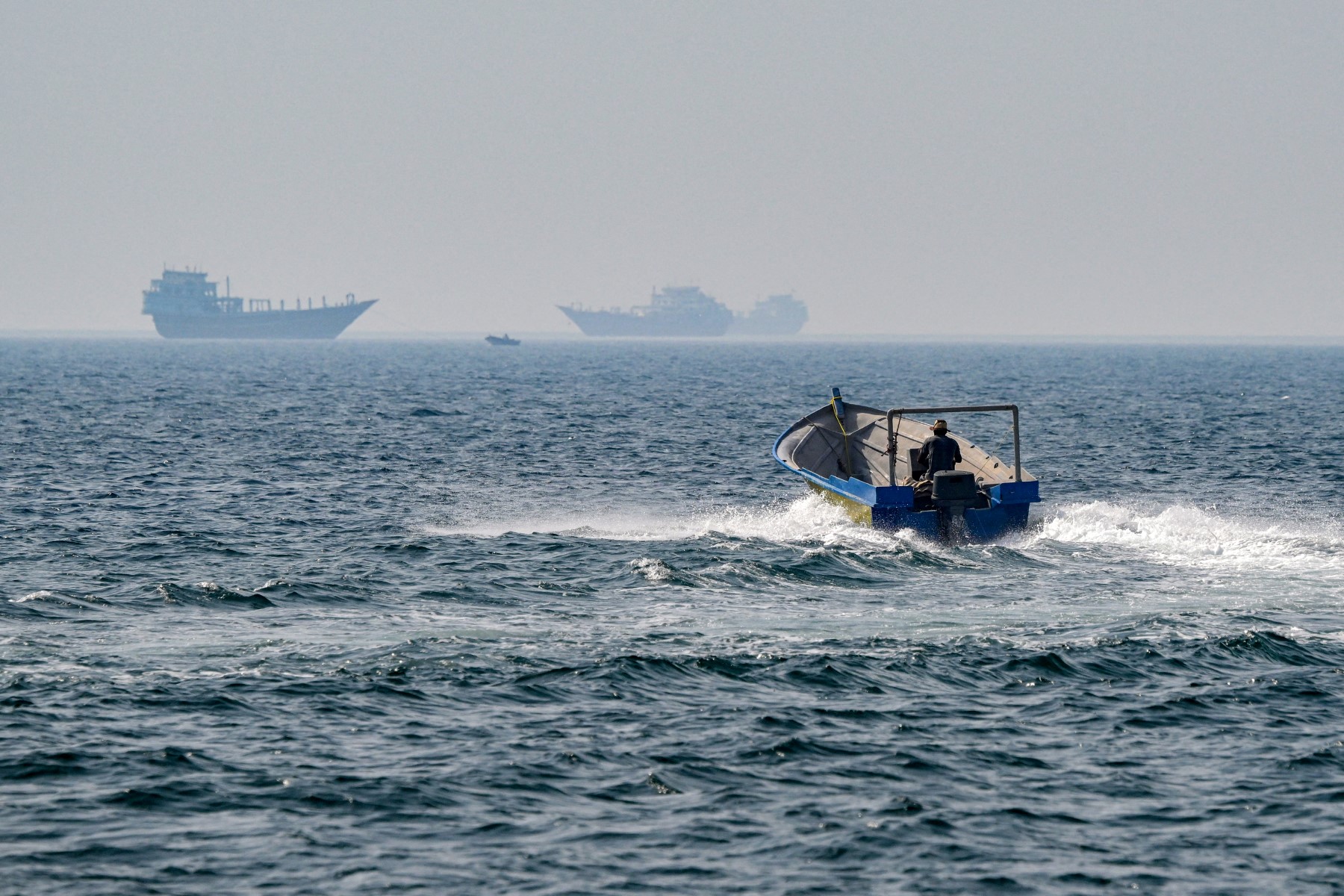 The Strait of Hormuz off Oman’s
Musandam peninsula — the strategic chokepoint that remains effectively
closed despite the ceasefire.
The Strait of Hormuz off Oman’s
Musandam peninsula — the strategic chokepoint that remains effectively
closed despite the ceasefire.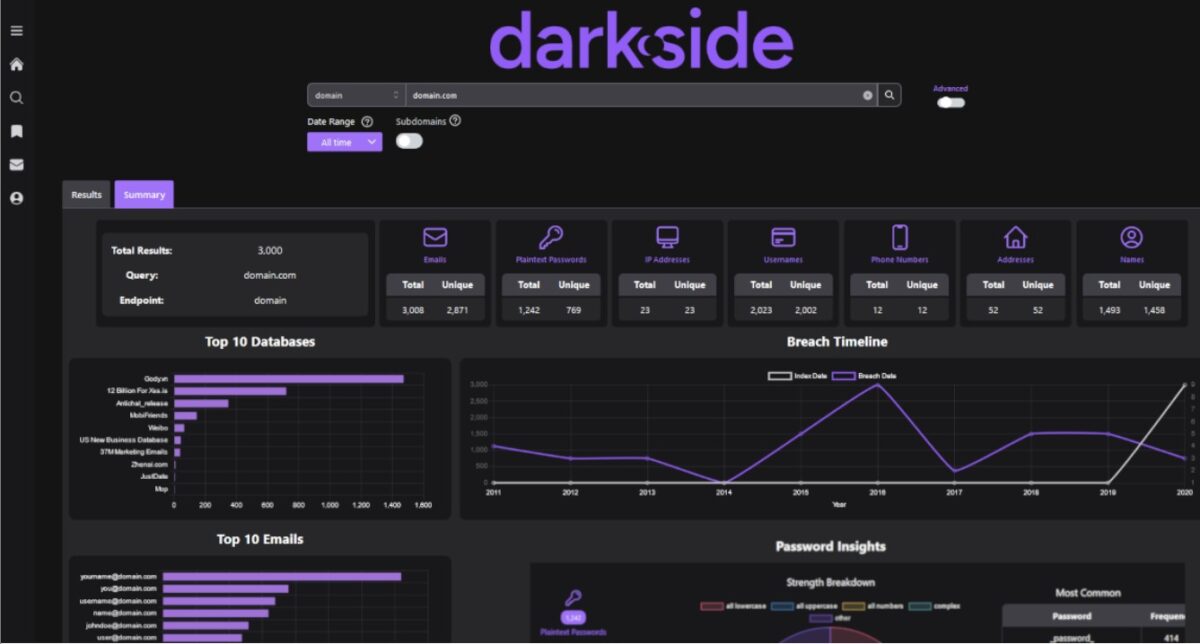 Breach database search showing
Hungarian government credentials — from Bellingcat’s investigation ahead
of Sunday’s election.
Breach database search showing
Hungarian government credentials — from Bellingcat’s investigation ahead
of Sunday’s election.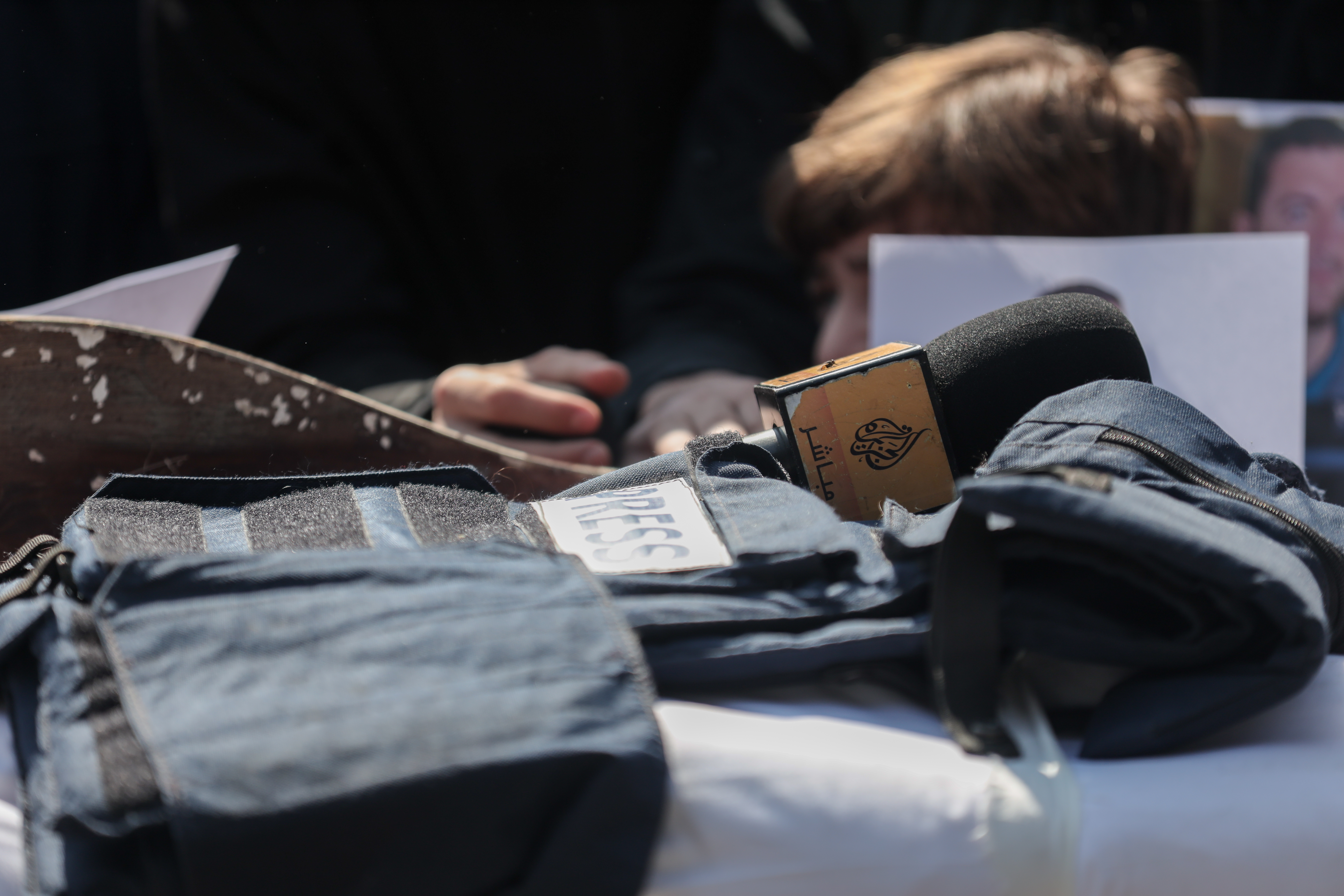 An Al Jazeera microphone and press
vest on the body of correspondent Mohammed Wishah, killed in an Israeli
strike in Gaza.
An Al Jazeera microphone and press
vest on the body of correspondent Mohammed Wishah, killed in an Israeli
strike in Gaza. A protester confronts riot police during wage demonstrations in
Caracas.
A protester confronts riot police during wage demonstrations in
Caracas.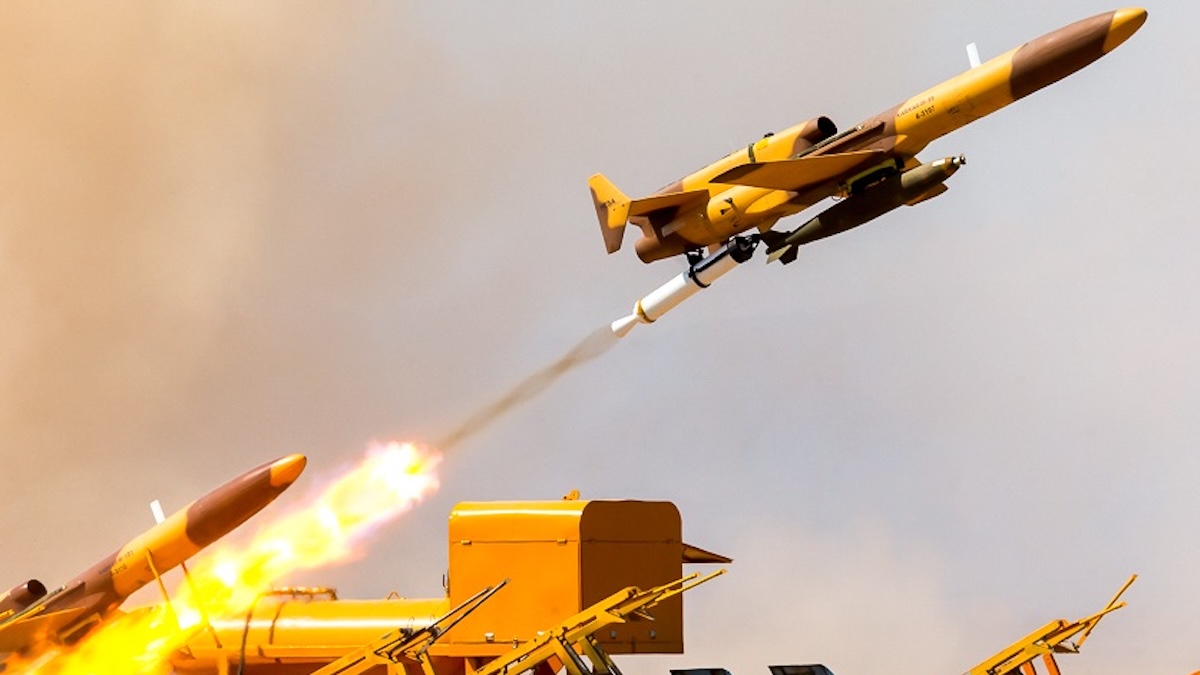 Iranian drone exercise, 2022 — from
War on the Rocks’ analysis of the asymmetric counterair campaign against
US forces.
Iranian drone exercise, 2022 — from
War on the Rocks’ analysis of the asymmetric counterair campaign against
US forces.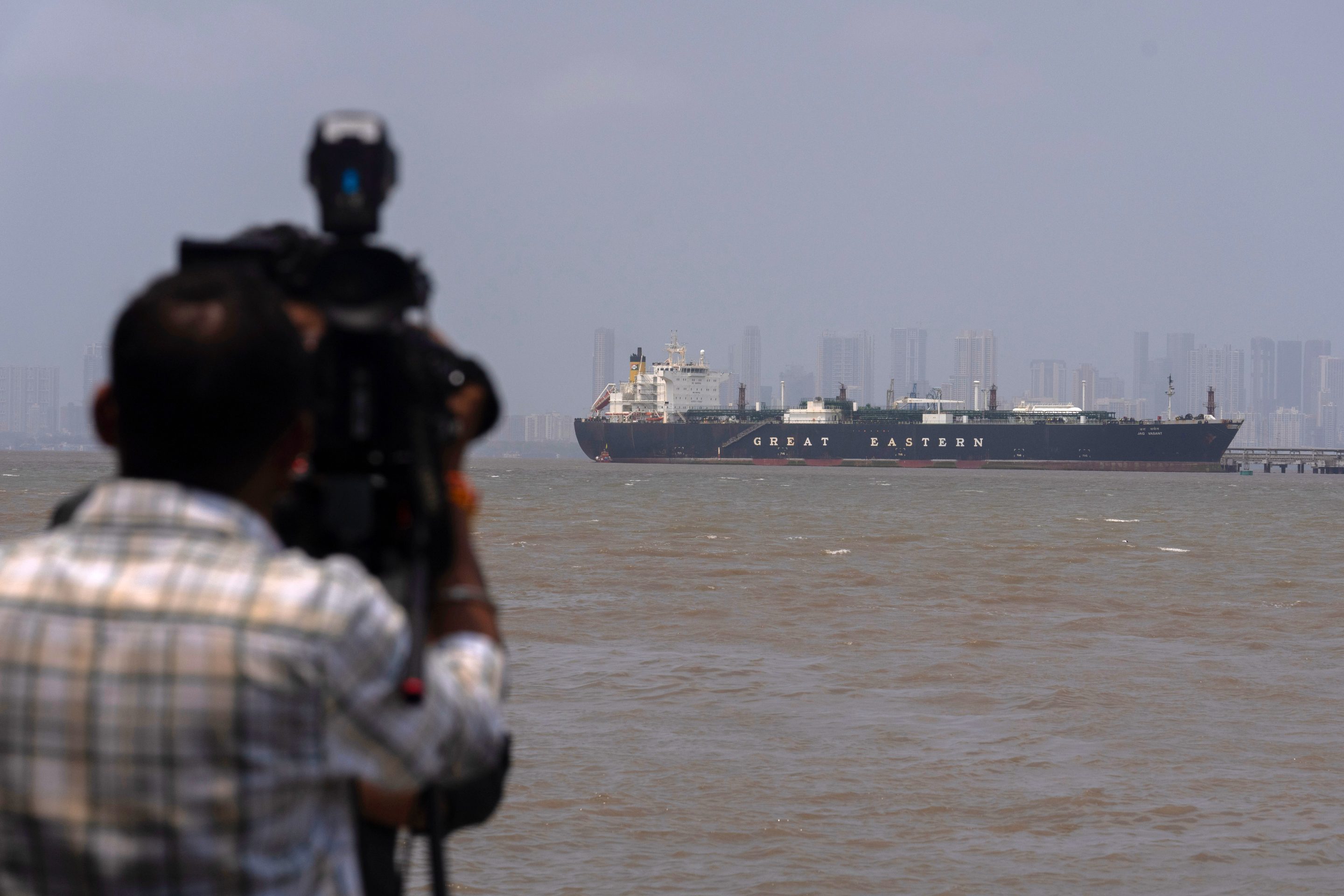 Indian LPG carrier Jag Vasant at
Mumbai Port after transiting the Strait of Hormuz, April 1.
Indian LPG carrier Jag Vasant at
Mumbai Port after transiting the Strait of Hormuz, April 1.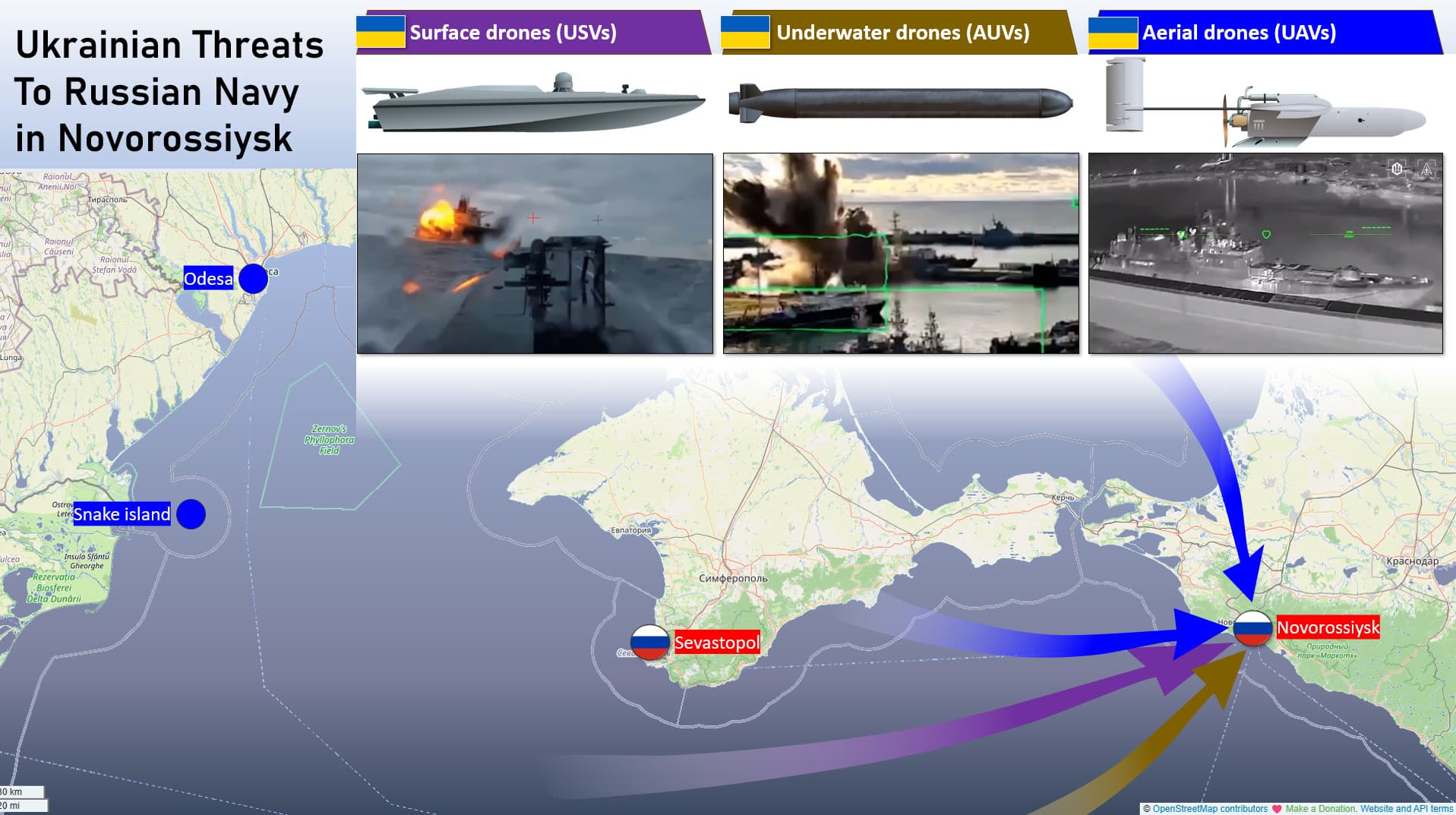 Ukrainian drone threat vectors
against the Russian naval base at Novorossiysk.
Ukrainian drone threat vectors
against the Russian naval base at Novorossiysk.