The war widens into infrastructure, intelligence, and desalination plants — while C++ gets its biggest upgrade in fifteen years and Ukraine quietly strangles Russia’s oil exports.
“Take the Oil”
Trump told the Financial Times his “preference would be to take the oil” — that seizing Kharg Island would be easy. Oil topped $116 as Iranian strikes hit a Kuwait desalination plant (killing an Indian worker), aluminium facilities in the UAE and Bahrain, and the Pentagon prepared weeks of ground operations. Iran issued formal directives to counter a ground incursion. The air campaign’s month-old logic is giving way to something heavier.
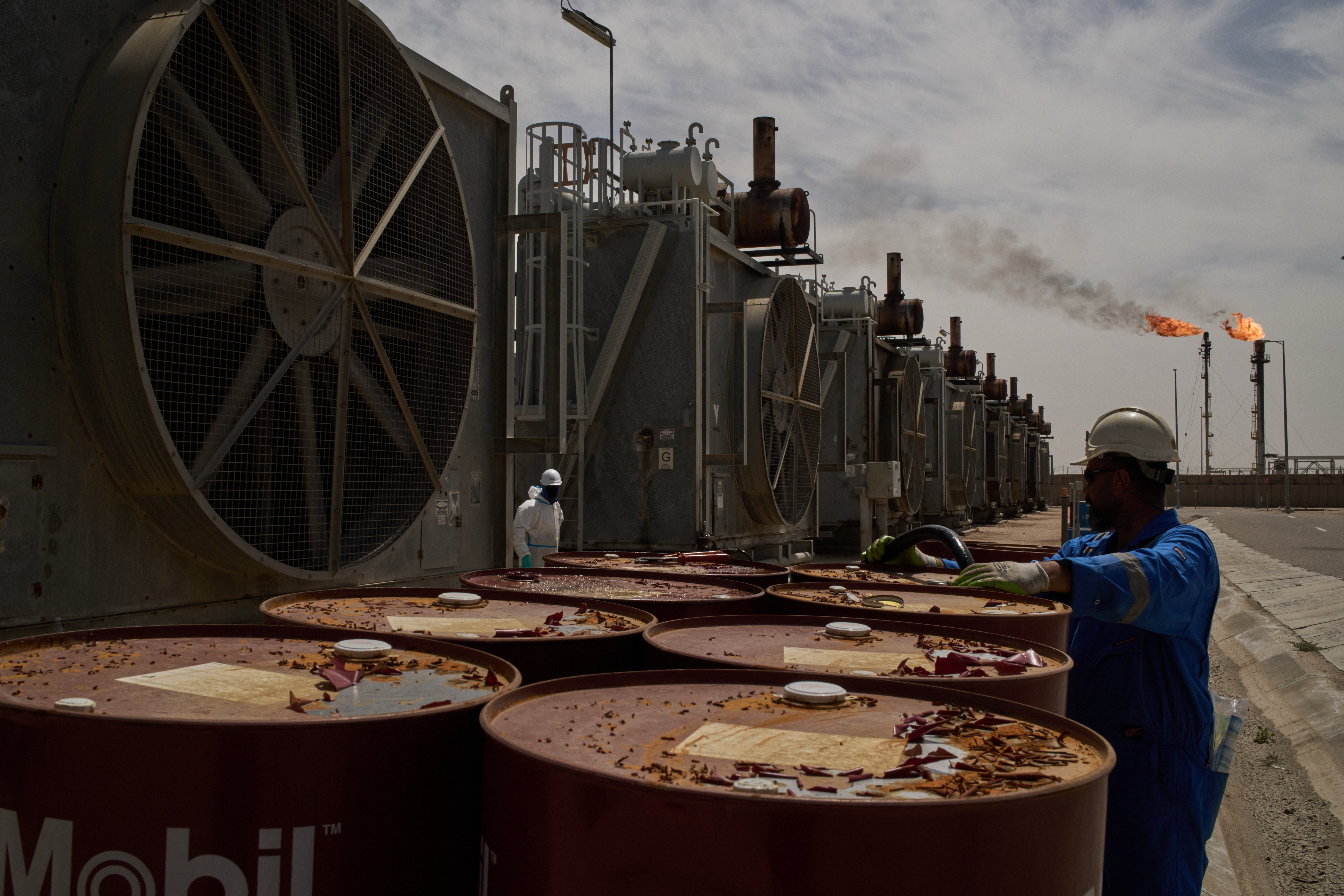 A worker at the Zubair oilfield
near Basra. Crude prices have climbed past $116/barrel.
A worker at the Zubair oilfield
near Basra. Crude prices have climbed past $116/barrel.
Russia’s Double Game
The week’s most consequential intelligence story: Russia provided real-time targeting data that enabled Iran to destroy a US E-3 AWACS aircraft at a Saudi base — one of the most valuable surveillance platforms in the American fleet. Zelenskyy says Russia satellite-imaged the base three times before the strike. European allies say Russian support for Iran runs deeper than Washington has acknowledged. War on the Rocks argues this directly links the Ukraine and Middle East theaters, and that the US should respond by lifting restrictions on Ukrainian use of ATACMS against Russian territory.
Ukraine Cuts the Pipeline
While the world watches the Gulf, Ukraine’s deep-strike campaign is quietly achieving what sanctions could not. Ust-Luga port — Russia’s key Baltic oil terminal — has been hit five times in a week. Oil loadings are halted, producers are declaring force majeure, and Russia’s total export capacity has reportedly dropped 40%. Novatek suspended gas condensate exports from the same complex. The Baltic is closing for Russian energy, and this time it’s drones, not diplomats, doing the work.
C++26 Ships
Herb Sutter calls it “the most compelling release since C++11.”
Compile-time reflection, memory safety improvements, language contracts,
std::execution for concurrency. Stroustrup himself called
contracts “bloated committee design,” and Walter Bright notes they were
available as extensions decades ago. Modules remain broken six years
after standardization. The language’s pattern holds: ambitious
standards, uneven adoption.
Also today — Bellingcat documents two separate waves of Tomahawk strikes on an Iranian school. Pope Leo rebukes leaders waging war. Three journalists killed in Israeli strike on Lebanon. A Renoir, a Cezanne, and a Matisse stolen in a three-minute Italian heist. LiteLLM compromised on PyPI — malicious code scrapes SSH keys on every Python process start. Neovim 0.12.0 ships with LSP overhaul and 10x register paste speedup. Japan sends combat troops to Philippines drills for the first time.
Markets | Oil $116 (+5.9%) | Gold +3.5% | S&P 500 -1.7% | EUR/USD 1.0843 | USD/NOK 10.8172 | BTC $67,363
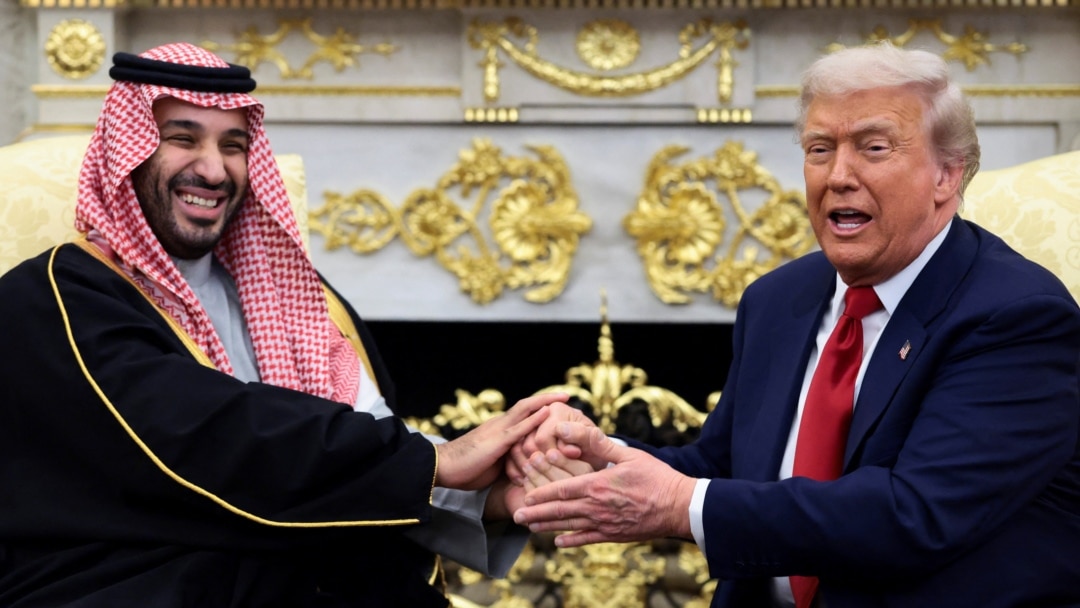 Trump meets Saudi Crown
Prince Mohammed bin Salman at the White House. Gulf states face
impossible choices as the war widens.
Trump meets Saudi Crown
Prince Mohammed bin Salman at the White House. Gulf states face
impossible choices as the war widens. People spend the night on the
Malecon during a blackout in Havana.
People spend the night on the
Malecon during a blackout in Havana.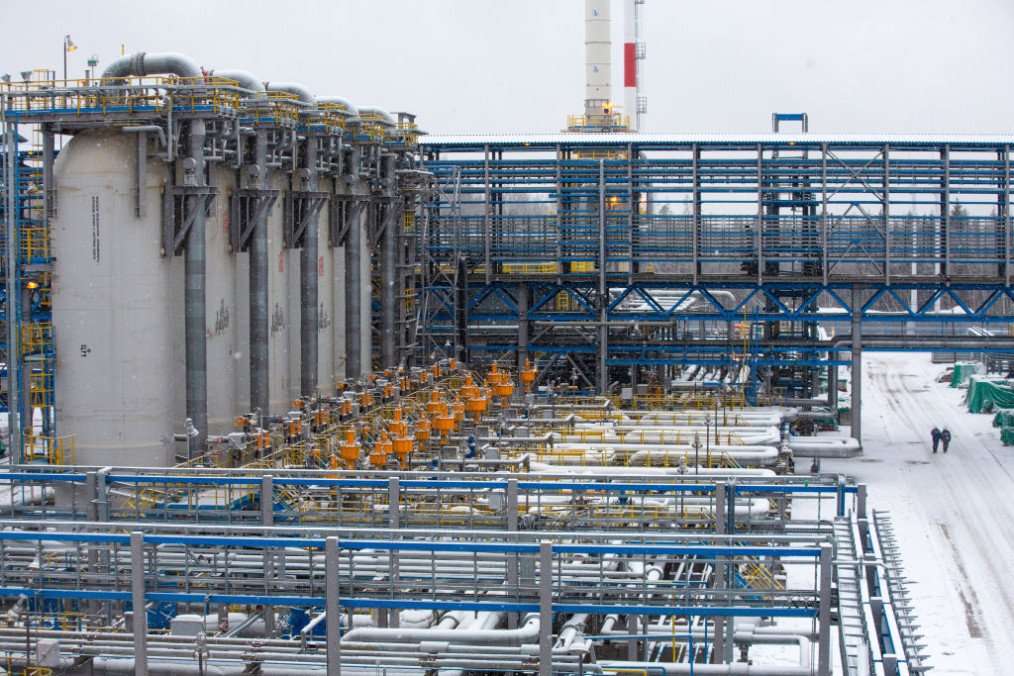 Gazprom’s compressor station at
Ust-Luga — the Baltic port where Ukrainian drone strikes have halted oil
loadings.
Gazprom’s compressor station at
Ust-Luga — the Baltic port where Ukrainian drone strikes have halted oil
loadings.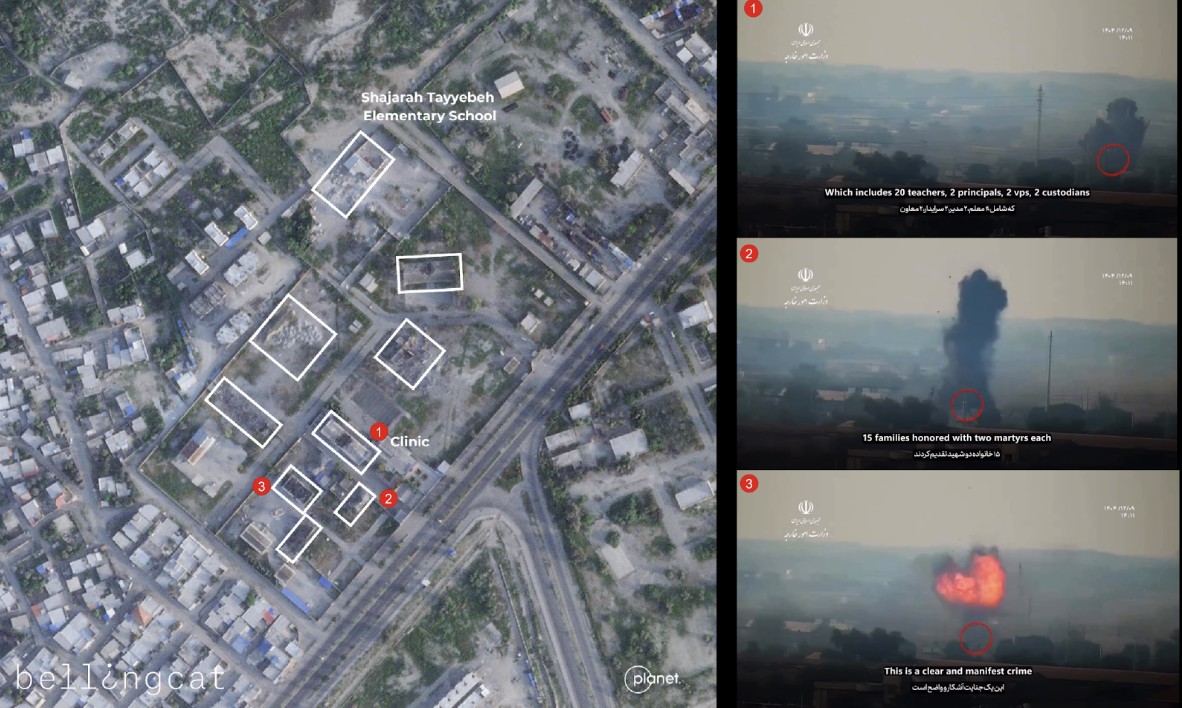 Planet SkySat satellite
imagery of the IRGC base in Minab after strikes documented by
Bellingcat.
Planet SkySat satellite
imagery of the IRGC base in Minab after strikes documented by
Bellingcat.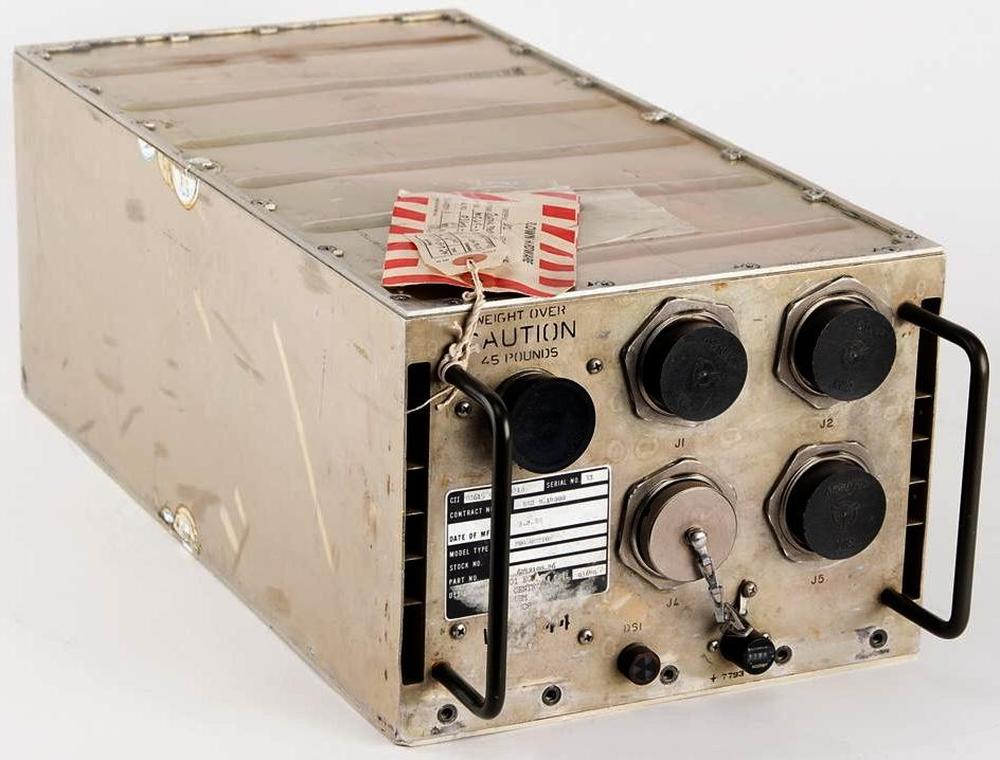 Space Shuttle AP-101B
flight computer that flew on missions STS-38 and STS-40.
Space Shuttle AP-101B
flight computer that flew on missions STS-38 and STS-40.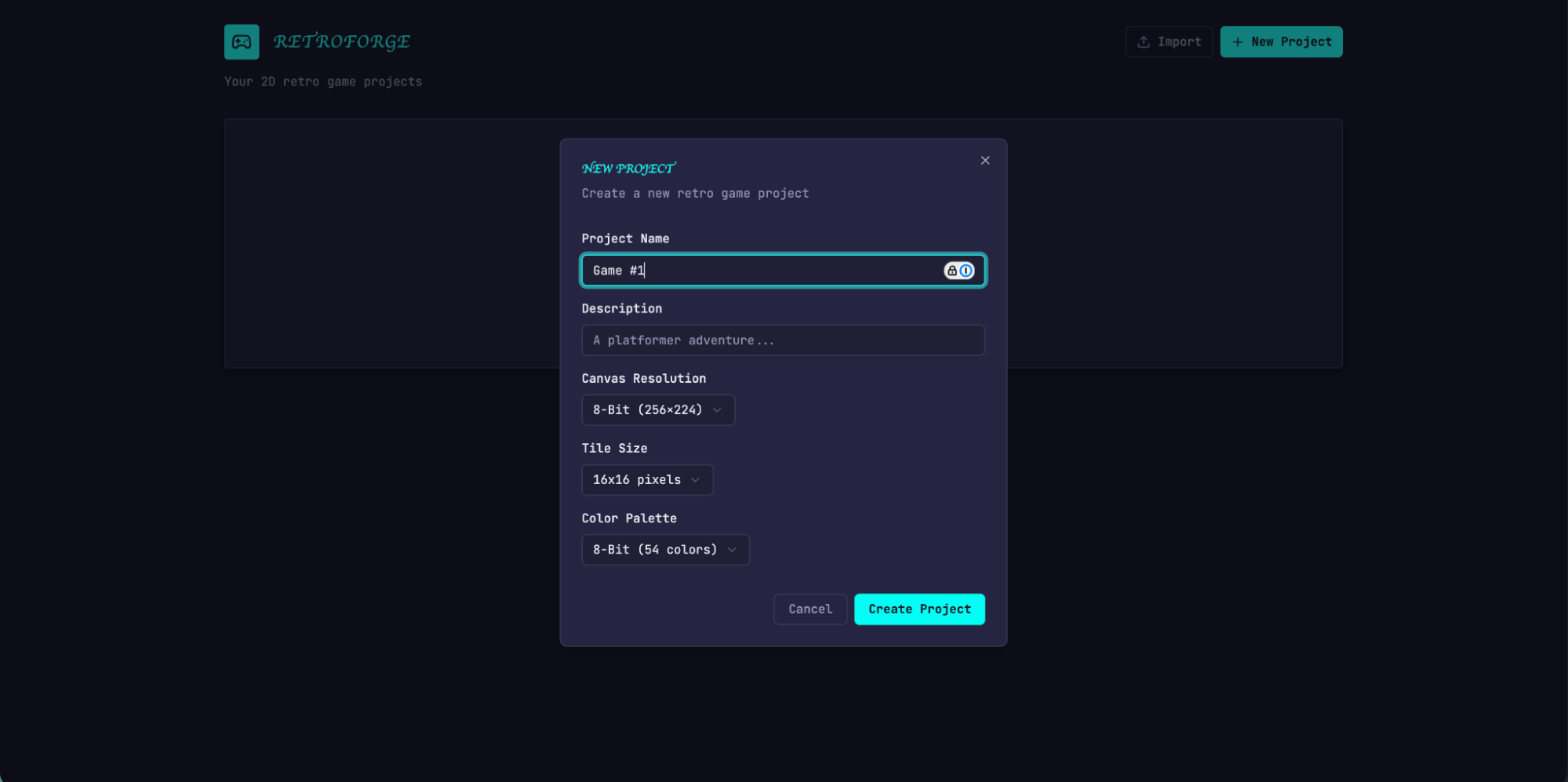 Opening screen of a game built by the
full multi-agent harness (Planner/Generator/Evaluator) — visibly more
polished than the solo version.
Opening screen of a game built by the
full multi-agent harness (Planner/Generator/Evaluator) — visibly more
polished than the solo version.