Day 14: mines and insurance forms keep Hormuz closed, Tehran’s new supreme leader may already be incapacitated, and Ukraine quietly turns a corner.
Twelve Mines and an Insurance Form
The US has sunk over 60 Iranian warships — including the first confirmed submarine torpedo kill since 1982. Iran’s conventional navy is largely destroyed. And yet the Strait of Hormuz remains closed to commercial traffic. A constraint analysis published on Zenodo explains why: 20 million barrels per day transited the strait pre-war, but global pipeline bypasses can carry only 4 million — a 16 million barrel/day deficit with no replacement. The paper calls it a “spreadsheet blockade”: approximately twelve mines achieved economic closure not through physical saturation but through insurance market withdrawal. Lloyd’s War Committee designations alone can shut a shipping lane regardless of military superiority.
The consequences cascade. Oil holds above $100. Gulf states have declared force majeure on shipments. Commercial ships are identifying themselves as Chinese to avoid attack. Iran is shipping oil to China through the closed strait while others can’t pass, and has signalled it will allow India-flagged tankers safe passage — selective exemptions that turn a trade chokepoint into a diplomatic instrument. Australia is releasing 20% of its fuel stockpile. The US is temporarily allowing purchases of Russian oil already at sea — effectively trading one strategic objective for another.
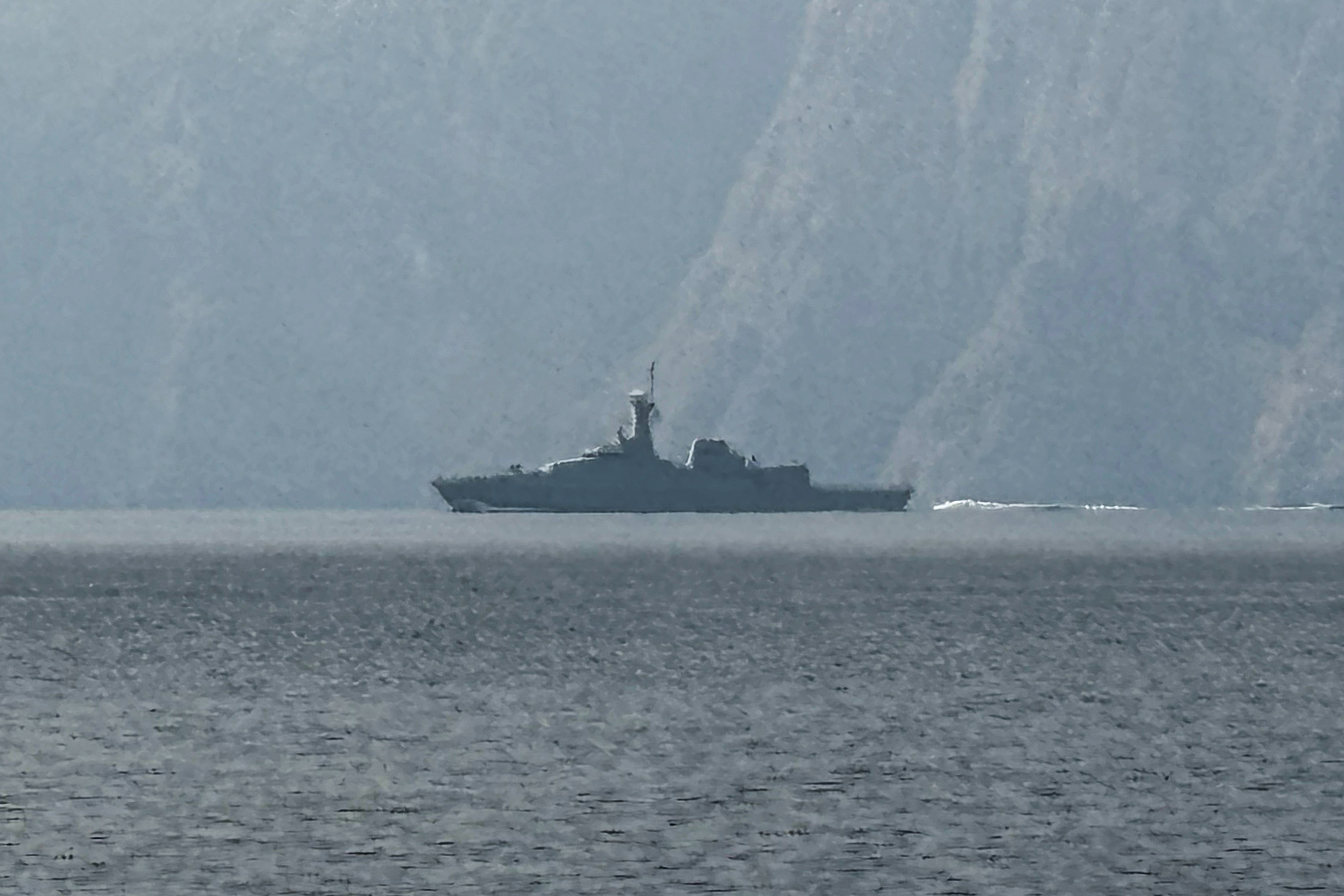 A navy vessel in the Strait of
Hormuz. Iran’s conventional fleet is largely destroyed — the blockade
holds anyway.
A navy vessel in the Strait of
Hormuz. Iran’s conventional fleet is largely destroyed — the blockade
holds anyway.
Who Is Running Iran?
Iran’s new supreme leader Mojtaba Khamenei — son of the late Ali Khamenei, killed alongside his wife in an Israeli strike — may be in a coma. He hasn’t appeared publicly. His first statement — vowing to keep Hormuz closed and continue attacking US bases — was read by a TV presenter. The father-to-son succession is unprecedented in the Islamic Republic’s institutional history, and the opening position signals continuity rather than any opening for de-escalation. But experts question who is actually directing the government.
Ukraine: More Gained Than Lost
Ukraine’s Commander-in-Chief Syrskyi reported that Ukrainian forces reclaimed 285 sq km in February — the first month since the 2024 Kursk operation where Ukraine recovered more territory than Russia seized. The enabler: Starlink data traffic dropped 75% after the Russian army was disconnected, severely disrupting command-and-control, drone operations, and logistics. Russian forces are resorting to WiFi bridges and Mavic supply drops. Ukrainian counterattacks are succeeding in the Oleksandrivka and Hulyaipole directions, while deep strikes are degrading Russia’s air defense umbrella — GUR operators destroyed multiple radar stations across Crimea overnight.
Also today — Germany commits €500M over 10 years for post-infectious disease research — the largest single-country Long COVID commitment. 75% of AI coding agents break previously working code during sustained maintenance. Canada to boost Arctic defenses with $35B, saying it can no longer rely on others. NASA targets Artemis II for April 1 — first humans to the moon since 1972.
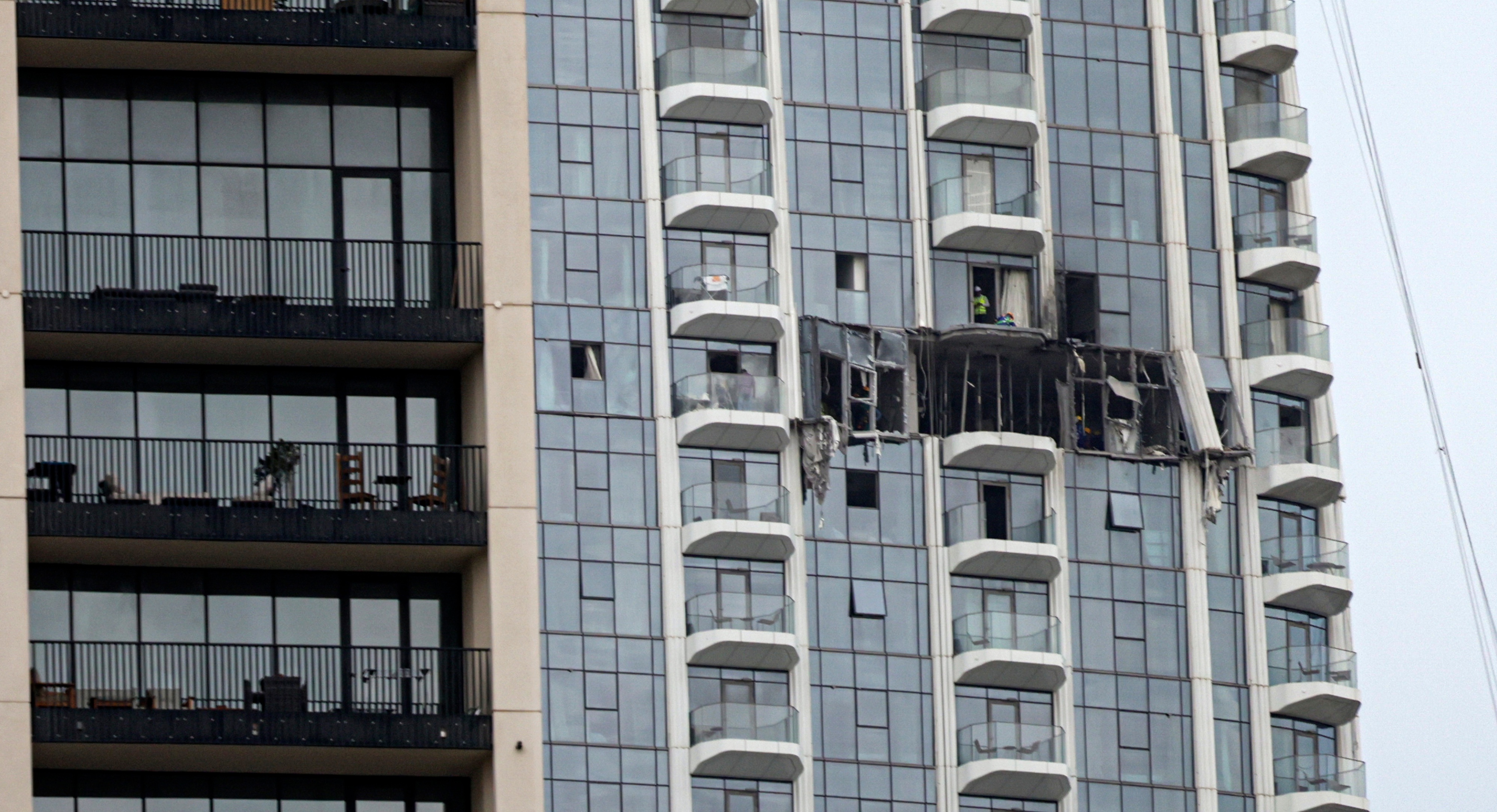 Damaged Dubai Creek Harbour
tower after an Iranian drone attack.
Damaged Dubai Creek Harbour
tower after an Iranian drone attack.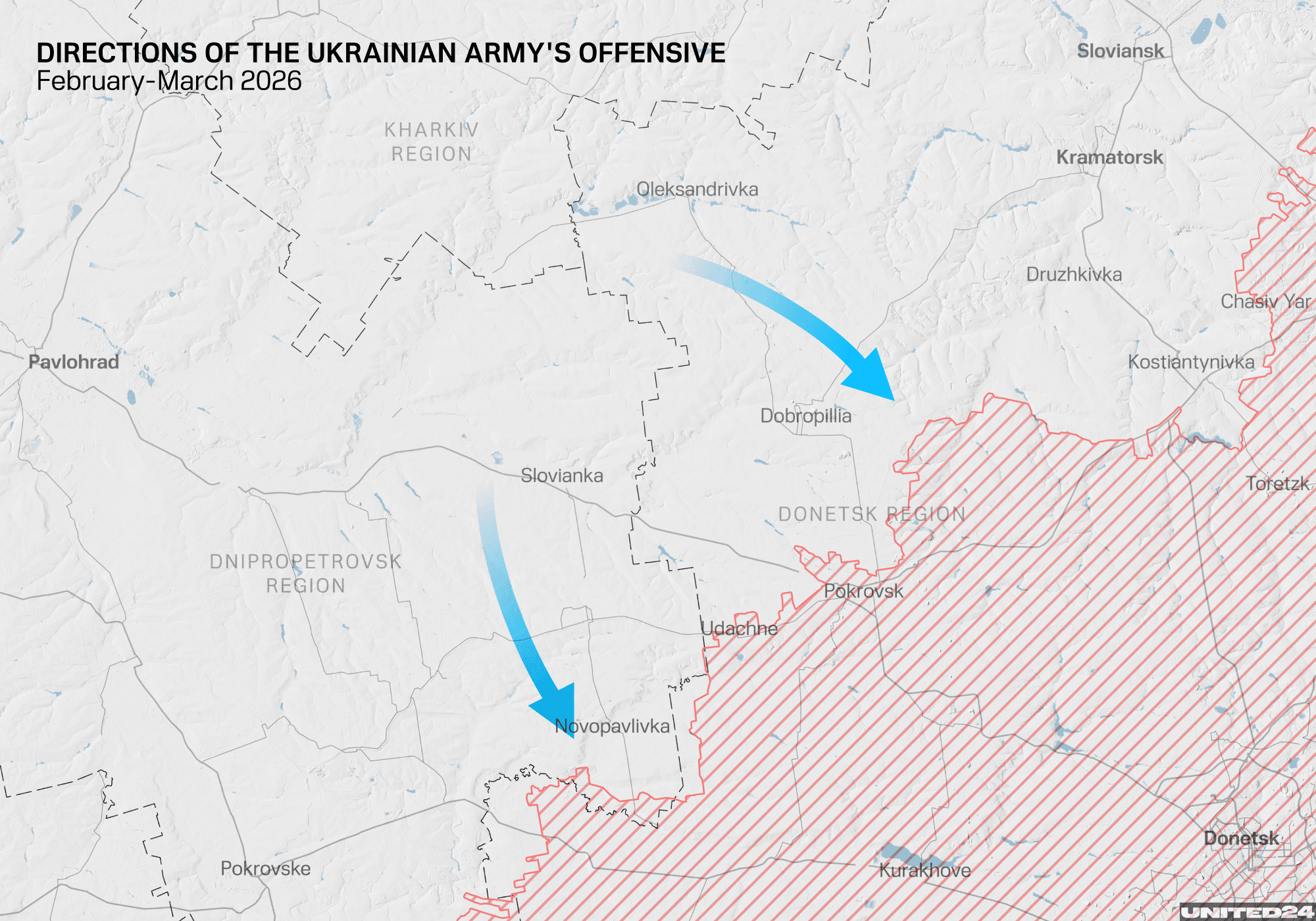 Map showing directions of the
Ukrainian Army’s counteroffensive.
Map showing directions of the
Ukrainian Army’s counteroffensive.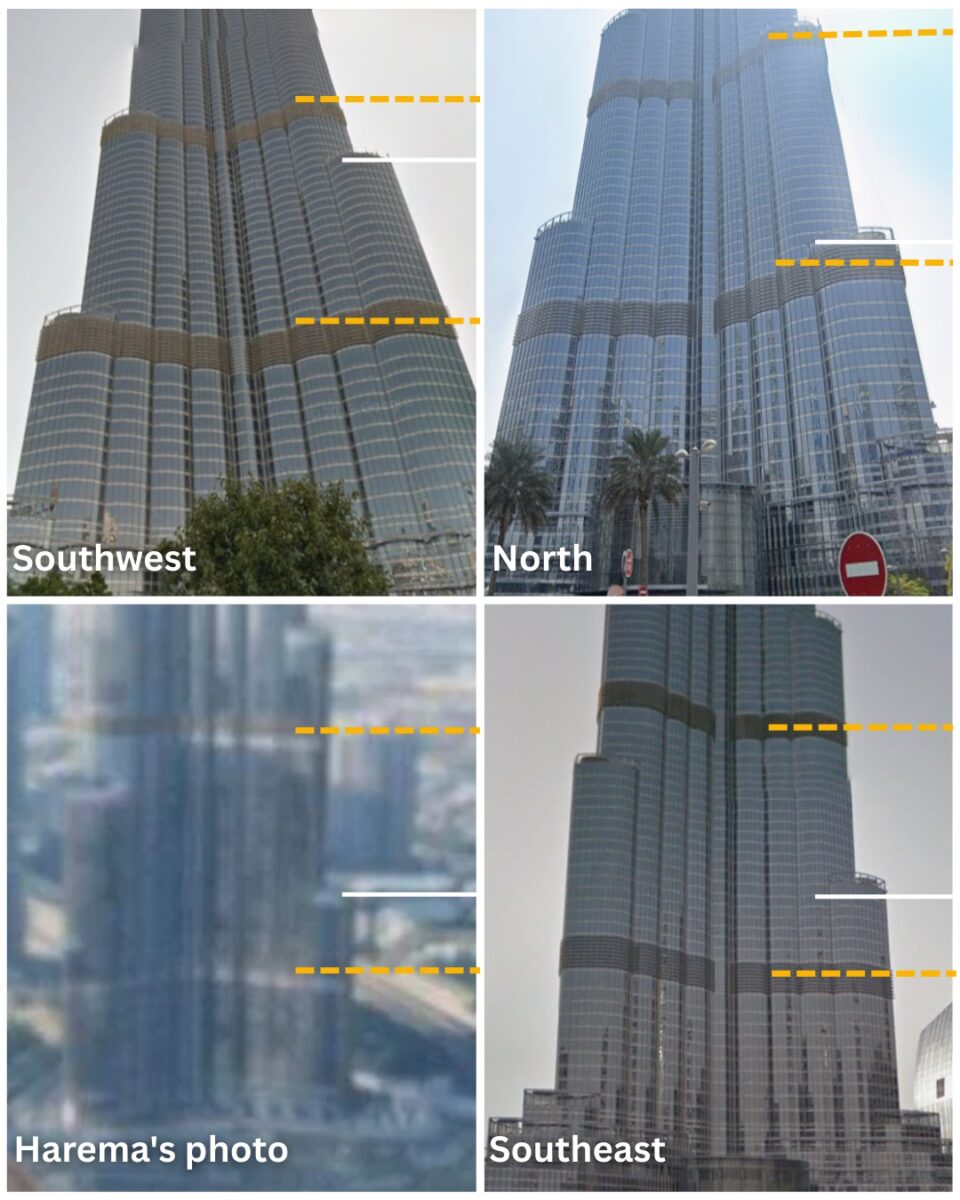 Bellingcat comparison of
the AI-generated photo’s Burj Khalifa view against all three sides of
the actual building’s base.
Bellingcat comparison of
the AI-generated photo’s Burj Khalifa view against all three sides of
the actual building’s base.